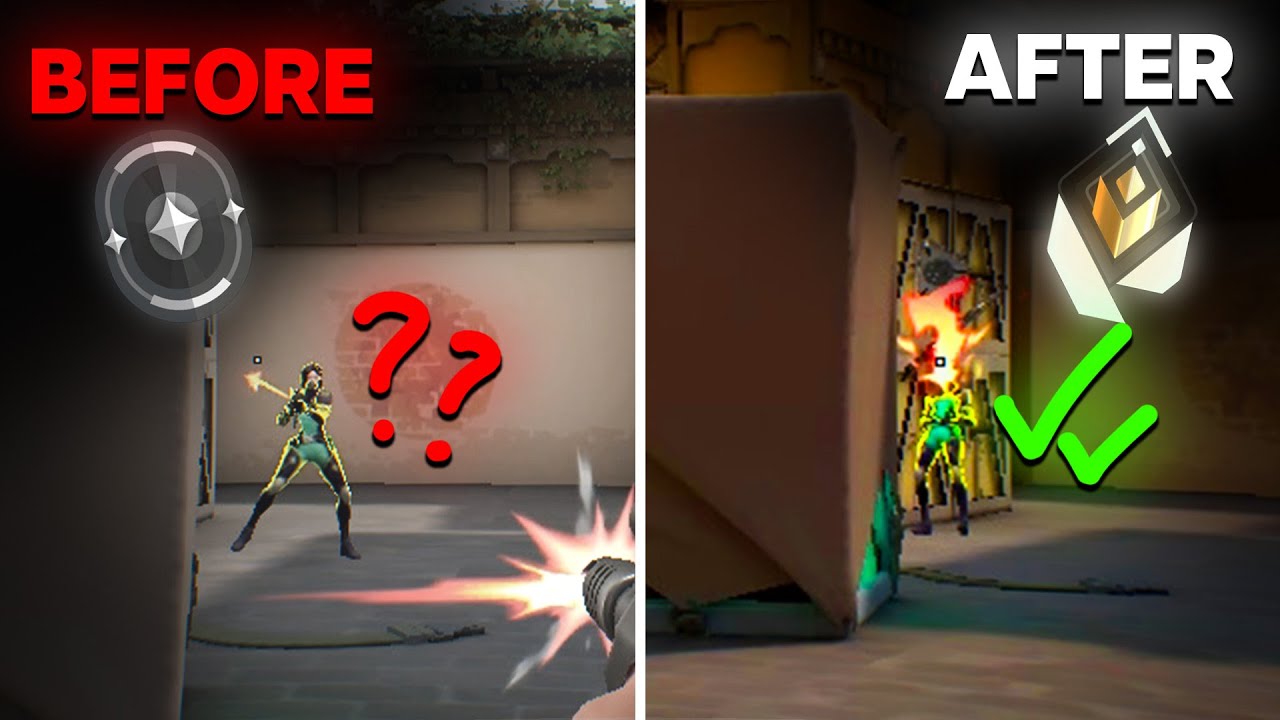
here's a little question for you what do you think is the first thing that a new player would want to learn when they pick up their first tech FPS title whether it be valerant Counterstrike or R six this could be something like basic map call outs how to Peak correctly or how to control the recoil of the Guns Etc but in my opinion the first thing that a brand new tech FPS player should learn before tackling any of these other issues is Crosshair placement good Crosshair placement in any FPS is useful and can give you
the advantage in many situations but in Tac FPS it is absolutely crucial why because in a game like CS where you can dive very quickly to a single well-placed bullet you need to make sure that you need to Traverse the least amount of distance possible on your screen to shoot at your target the ideal situation is when your Crosshair is placed so well that you don't even need to move the mouse to kill whoever appears on your screen when you look at today's most prominent Tech FPS professionals you might notice that their cross placement is
one of the strongest differences between them and an average player aiming and T FPS is often downplayed due to how quick gunfights are and how crossair placement tends to cut out the need for wider Mouse movements players often doubt the effectiveness of aim Trainers for these reasons however today we're going to break down the most useful scenario type for TAC FPS and show you how to play these Maps correctly providing an example of how you can get more value out of using the aim trainer looking closely at T FPS mechanics we recognize that it is
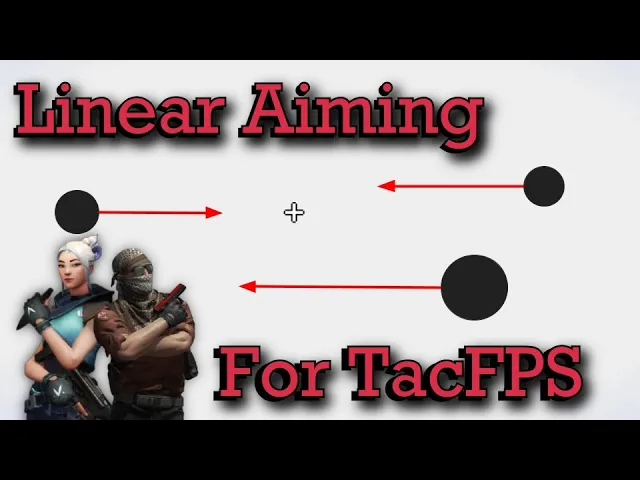
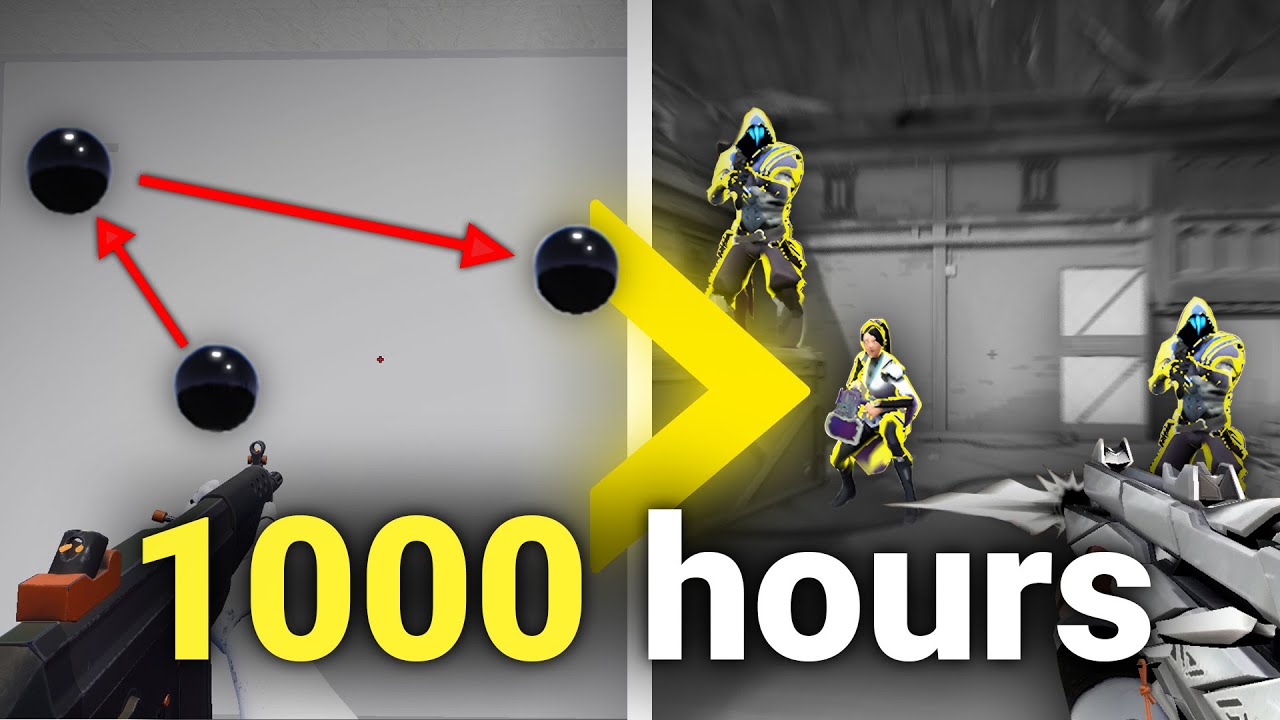
often the first shot that counts the most when engaging in a gunfight when isolating this in the aim trainer we naturally go to scenarios featuring single click to kill moving targets there's tons of these in both Kovac FPS aim trainer and aim Labs but this doesn't look appropriate for a game like Counterstrike we need something a bit more simple with movement patterns that conform to one axis and aren't nearly as evasive the subcategory of aiming that this specific Dynamic clicking scenario belongs to is known as linear clicking where you have targets moving in very readable
often straight and often horizontal lines the targets may also be much smaller to place a focus on timing your initial shot which we stated as critical to your success in a gunfight when you play linear clicking scenarios you want to imagine yourself in a position where we are being peaked by several targets at once or we are holding multiple angles where targets might Peak from seems simple enough in principle but many players still struggle with implementing the right technique in these scenarios and more importantly Translating that technique into CS or valerant in order to understand
how to play them correctly and accomplish this translation we need to address what is considered a very common sin within aiming prediction it's a flaw that we are all susceptible to often in aiming we become confident in the target's movement patterns so confident that we begin to take guesses on what the target is going to do next without any visual cues or hints to be certain of it it is one of the first errors that new aim trainers are taught to avoid doing don't predict just react now I'm not saying that this is bad advice
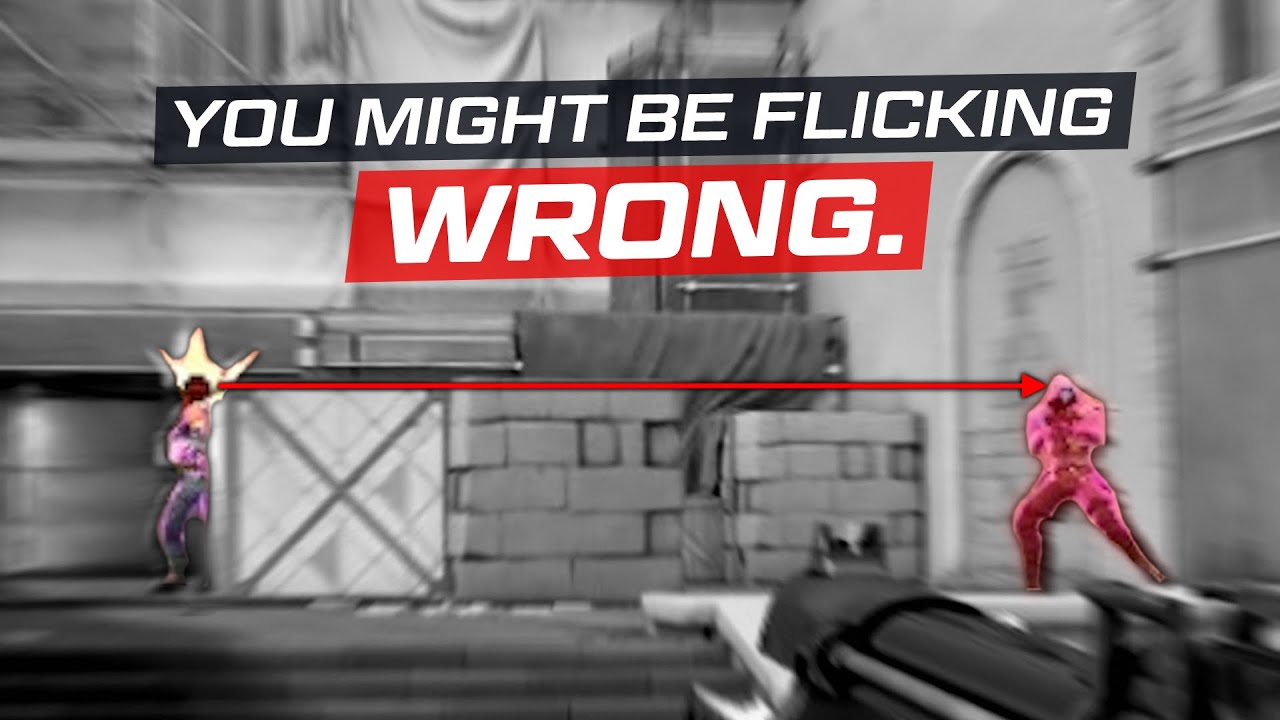
for almost any moving Target scenario prediction is bad especially in tracking scenarios however in situations like linear clicking where shot timing and accuracy are so important I must introduce the leading shot this is where you attempt to flick to a position in the direct path of the target's movement and wait until the target moves into your Crosshair before you take the shot now wait wait before you call me an Aiming fraud and cancel me from the aim Community for teaching bad habits hear me out if you think about it this is a good representation of
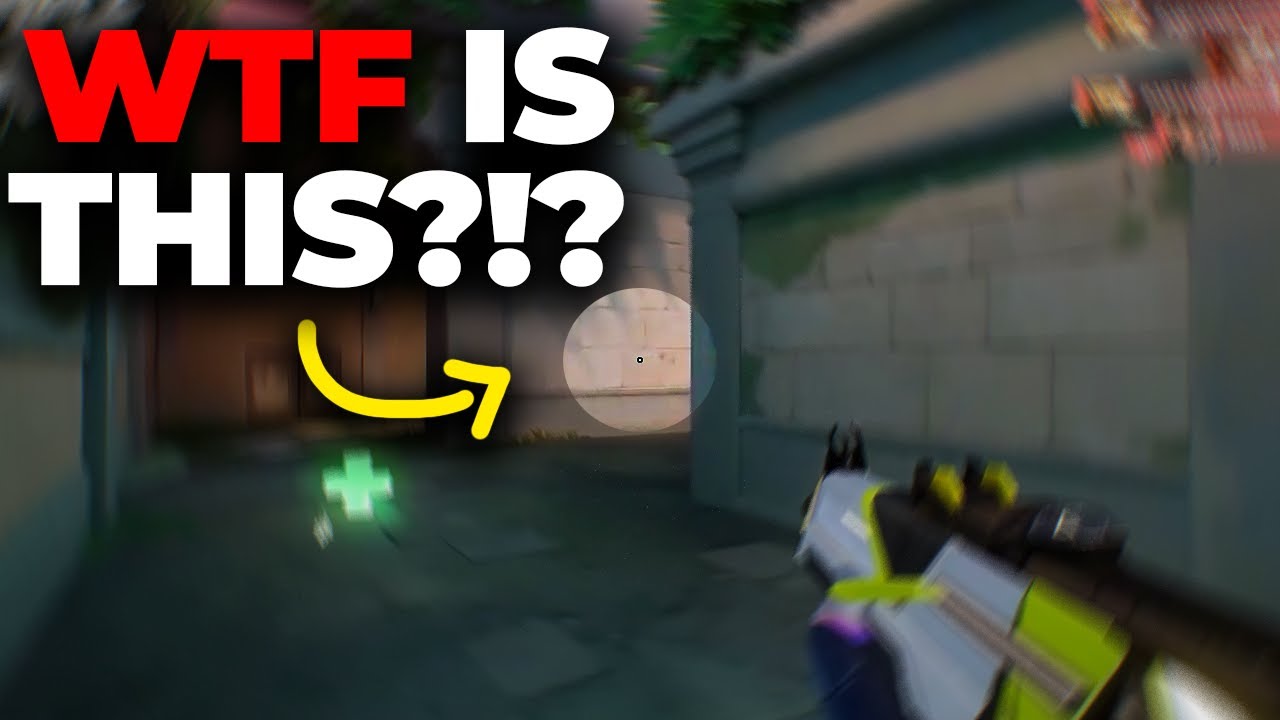
how you're going to play when someone Peaks into an angle that you're holding inv valerant or CS your cross is ahead of where they're going to be or at least where you expect they're going to appear now let's talk a little bit deeper about Crosser placement a common piece of advice is to place your Crosser on a slight offset away from the wall not completely flush with it but wait why well if you hold your Crosser too close to the wall called holding an angle tightly you will run into problems with opponents peeking into you
properly they will be strafing into it at high speed not crouching or slow walking and that means you will be be forced to perform a micro adjustment away from the wall to reach them this is even worse if the enemy wide swings you this is the reason why the famous Poppin swing Peak works so well okay then why not hold super far out away from the wall well then you are just fully predicting if you place your Crosshair very far away the enemy might stop before they cross into it and have enough time to shoot
at you again forcing you to perform a micro adjustment this time towards the wall for the regulars this is cross placement 10 one but the question we need to ask is how do we actually practice this in the aim trainer there are scenarios that feature targets peing from behind walls but these are not too popular and don't give us that constant visible action but Crosshair placement knowledge is also just leading shots one1 when your crossair is positioned in front of a moving Target's path it's like you're holding an angle if you place too far away
the target might change direction or you might be simply wasting precious time if you place too close the target will pass through your Crosshair for forcing you to micro and it would have been better if you never attempted it no the key to linear clicking is to read the speed of the targets on the map which can vary Target by Target and find that right spot ahead of the target's movement where you can time your click and barely need to move your mouse same idea as inv valerant despite having good Crosser placement often a micro
adjustment is still needed to reach the target the cach is that you don't want to start your micro correction chasing after the target it is far easier to have confidence in your corre correction if you are already ahead of the target not behind it this is why a common issue beginner CS players suffer from is missing consecutive shots all in pursuit of a single Target this is what we refer to as trailing micro Corrections we are constantly trying to make up lost ground taking shot after shot from behind the target strafe sometimes these are inevitable
since you won't always have the opportunity to lead your shot but it's therefore important that your micro is smooth and controlled this is one of the defining factors of today's is professional Counter-Strike Superstar team Spirits donk who never fails to narrow his motions down to small decisive micros this is what makes him so incredibly accurate and consistent in his performances another thing to remember is that leading shots is somewhat of a risky gamble even if you have the perceived opportunity to take one it doesn't mean you always should it's best to inter leave leading shots
and well performed micros together depending on what helps your shot pacing the most during the Run it also helps in general to give yourself practice in both situations where you can safely pre-m your targets or micro adjust where needed you will see this most often when I play linear clicking a good balance of leading shots and traditional Dynamic technique if you want a good overview of how to perform really strong micro corrections I recommend studying cartoon's aim training he's arguably the strongest micro aimer of all time the main scenario that sparked the creation of this
new subcategory is floating heads timing this is a map featuring really really small targets that move strictly horizontally at varied elevations it has everything that we want for a linear clicking scenario predictability a focus on timing your shot lots of angles to manage and accuracy scored it's a fundamental scenario that in my opinion should find a spot in every T FPS routine other scenarios include Vox TS click frog shot Bean click and one two Targets pass you if you want to find really good scenarios that Focus directly on micro or linear clicking I recommend checking
out again cartoons twitch streams where he explores and pushes scores on some obscure Maps made by Kovac scenerio Creator eell most of which are valerant focused on all of these Maps I recommend trying to take leading shots with the opportunity presents itself and learning how to use peripheral vision to your advantage in searching for viable targets with all of this said I hope you guys can clearly understand the parallels between this category and clicking situations in Tac FPS games while the isolated representation in the aim trainer isn't exactly one: one with targets peeking out from
behind walls as we said earlier the translation is still there undeniably and this is a really wide translation which is why it makes sense to me why linear clicking was deemed a necessary separation from Dynamic clicking as a whole with an analytical eye you can find potential in-game translations everywhere in the a trainer if you guys want to see more breakdowns of scenario types in this style let me know in the comments follow my twitch at twitch.tv/ w if you want to see live coax gameplay or analysis as always happy do clicking [Music]