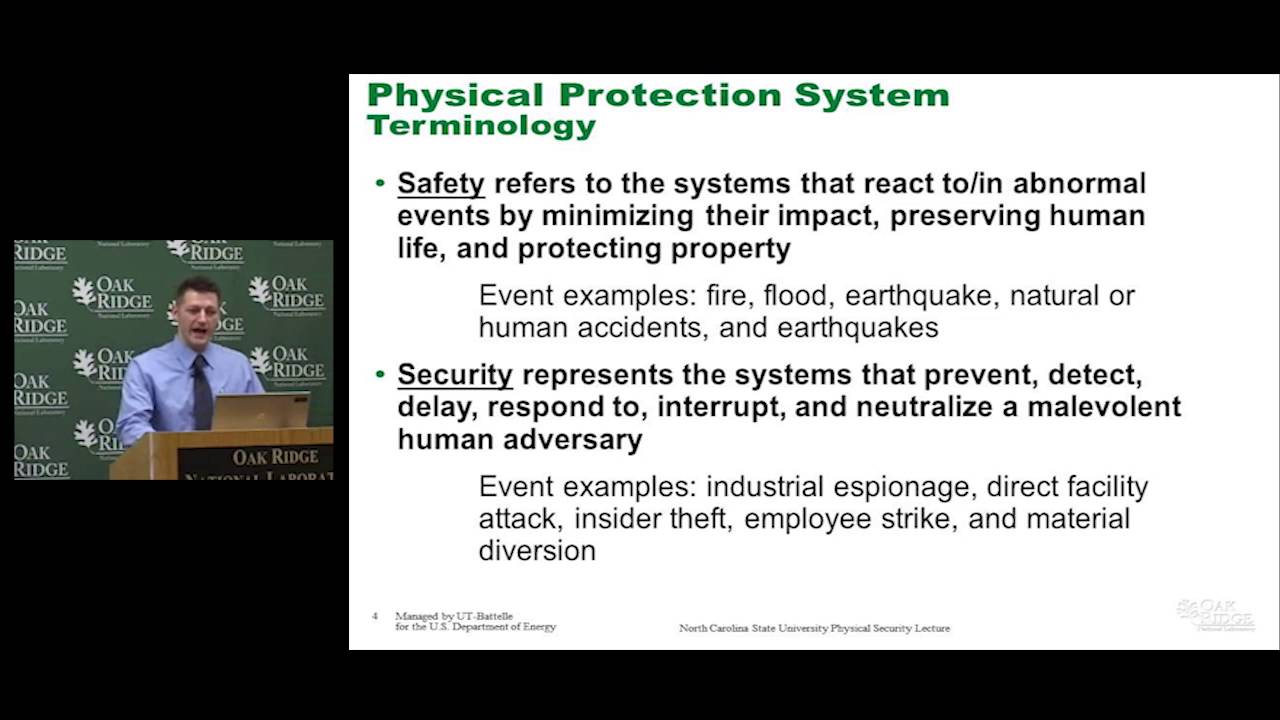
[Music] this lesson is an introduction to physical security and a deep look at site perimeter barriers other videos in this series address other physical security and environmental controls you can download the script for this video from above or at the end of the video the objective of physical security is to ensure an organization can plan for and effectively respond to intruders or other unexpected facility events when designing and implementing physical security we seek to deter intruders with barriers if an intruder bypasses one or more barriers we need a way to detect her via controls like
alarms and cameras the barriers and detection controls must delay an intruder until humans can assess what is happening and then respond before the intruder achieves her objectives and to minimize adverse human impact finally we need the ability to recover business operation administrative controls drive all other physical security efforts they include policies and procedures facility management background checks training and incident response in other words policies identify management's expectations while the other administrative efforts ensure facility design hiring employee participation and effective intruder response policies result in standards and guidelines for identifying physical access controls barriers and facility
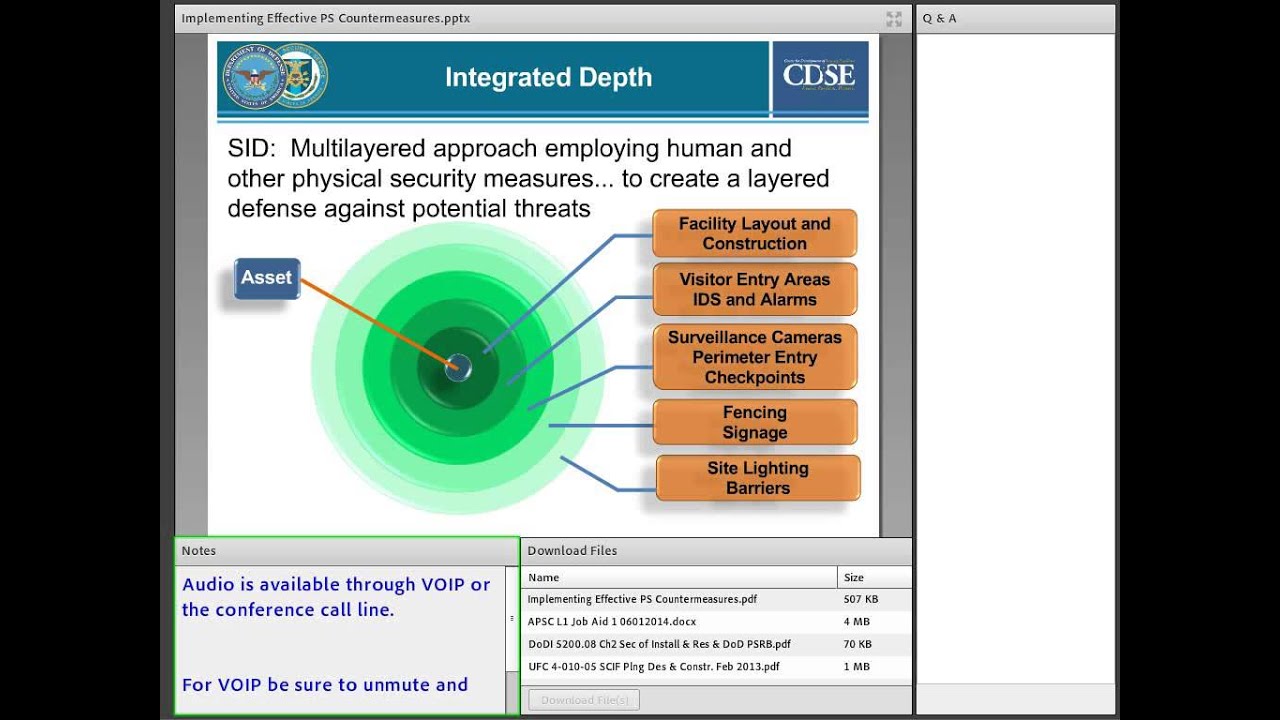
siting based on risk appetite policies also define security zones covered later and the associated security requirements before we look at specific physical security environmental controls we need to understand the different areas of the organization that may require different levels of security the various security areas are usually called security zones each security zone is assessed for the risk associated with physical access in this example unauthorized access to the data center has a high risk and access to sales is a much lower risk like with all controls applying the right controls in each risk case enables focusing
mitigation where needed the largest security zone is the facilities site the site might include one or more buildings and other structures one of the biggest rules a policy should cover is reasonable and appropriate site locations things to consider when determining where to place a facility include high pedestrian traffic high vehicular traffic obscured visibility high local crime rate ineffective or rare police presence local governments and courts that are not always aligned with the law and what is ethical and significant labor unrest placing a facility where overall risk is acceptable is the first step in securing it
deterrence requires barriers psychological physical or both an organization should never expect one or more barriers to stop a determined intruder the right barriers deter the less motivated and delay the highly motivated barriers begin at the site perimeter the site barrier like all physical controls depends on the associated risk site barriers include hedges walls berms fences signs and a combination of these hedges are bushes designed for providing a flora wall like science hedges are a weak deterrent but they provide a clear delineation between the site and public access areas they also prevent accidental site intrusion they
can be combined with berms or ditches for additional deterrent berms and ditches also provide ways to delineate site perimeters and prevent accidental intrusion they can be combined with other barriers to increase deterrence and add vehicle defense this is an example of how to construct a berm firm design must take into account the impact on site drainage site perimeter walls without any top deterrent like barbed wire are a good next level deterrent walls are good for restricting views when an organization does not want to have passersby see what is happening on the site it's also considered
a better choice when fencing is inappropriate for the neighborhood or for customer perceptions wall height depends on what an organization is trying to accomplish three to four feet deters casual intruders a six to seven feet wall blocks viewing and deters weakly motivated intruders an eight foot or more wall deters viewing and the moderately motivated areas requiring higher deterrence require a top guard which i discuss in a later slide fences are a common sight barrier they are a good solution when appearance and visual blocking are not important considerations this slide shows the basic requirements for fencing
to deter moderately motivated intruders links should be about two inches on a side there should be no more than a two inch gap between the fence and the ground fence posts should be embedded in concrete wall height recommendations also apply to fences placing a top guard on a wall or fence is needed for a high security perimeter a top guard consists of strands of barbed or razor wire extending outward at 45 degrees it adds about one foot to the height of the fence or wall a second top guard can extend inward if the organization is
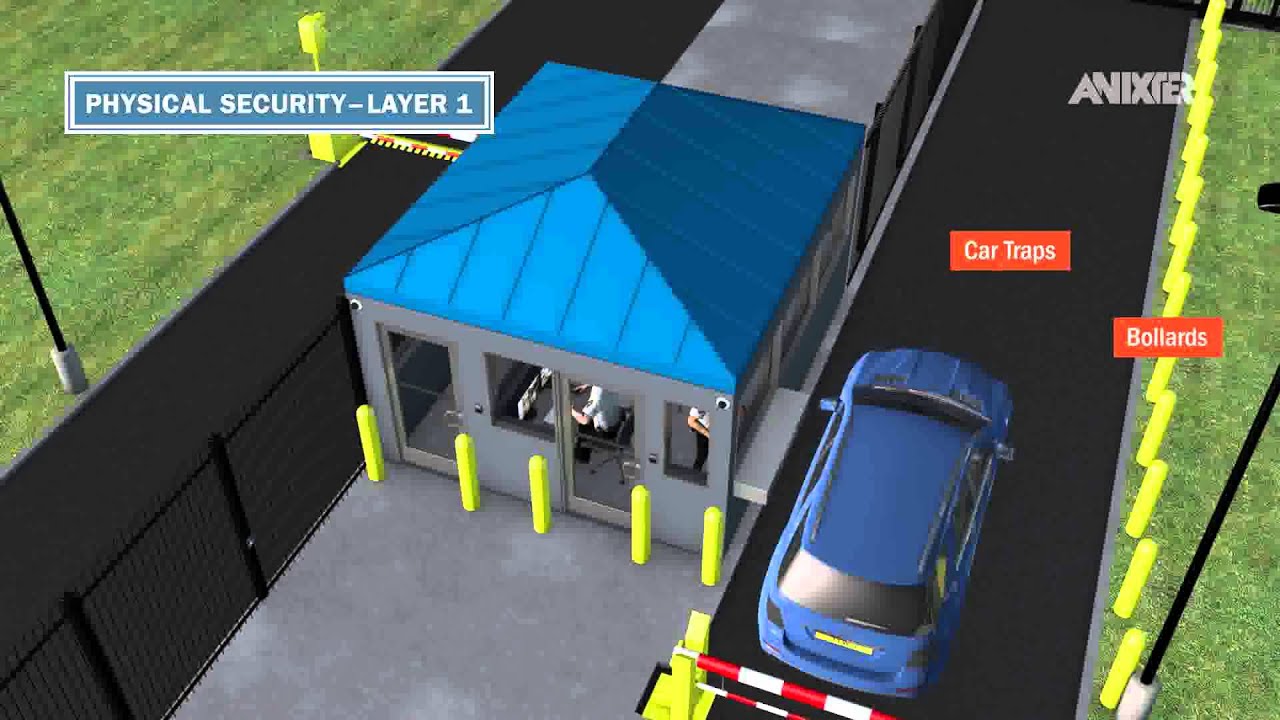
trying to deter the escape of an intruder the combination of top guard and fence should reach at least eight feet points of authorized access through a site perimeter include manned or unmanned vehicle and pedestrian gates the strength of the gate and related barriers depends on the risk associated with an intruder forcing his way through the gate with a vehicle the photo at the top left is a high security gate with a retractable barrier the photo on the right shows retractable bollards in both cases barrier strength and use must take into account the types of potential
attacks the organization faces for example the fortified gate at the top left is a good solution for a nuclear plant or a department of defense site a normal business might only need a simple wooden barrier like that shown on the lower left there are many different solutions with various levels of security between these two options pedestrian gates like vehicle gates can be manned or unmanned unmanned pedestrian gates for moderate to high security should include a key or cipher lock as shown in the top photo a guarded and more secure solution is shown at the bottom
when designing and maintaining a perimeter barrier unwanted access points or uaps must be managed one example of a uap is a depression in this example the depression is caused by a drainage ditch the solution shown is likely okay for moderate security but it's reasonable to assume that a determined attacker would go under this additional fencing if high security is needed a grate securely attached to the fencing and planted deep into the ditch would be a better solution in general no gap should exist in the perimeter barrier or any barrier that exceeds 96 square inches walls
and fences are not perfect intruders can climb them or cut through fences to help prevent going over the barriers trees and structures should be at least 20 feet from the barrier fences should have a clear zone on each side to enable detection of anyone attempting to damage them intruders can also go under fences to deter this fences should be embedded at least 12 inches into the ground most organizations don't have to worry about intruders driving a vehicle through a perimeter barrier but terrorist attacks over the past decades have shown that determined intruders will do whatever
is necessary to successfully attack high value targets reinforced walls are one way to protect human facility and information resources bollards trenches or berms external to and surrounding the perimeter barrier can also defend against vehicle intrusions well that's it for this lesson if you have questions please ask and until next time be careful once you click