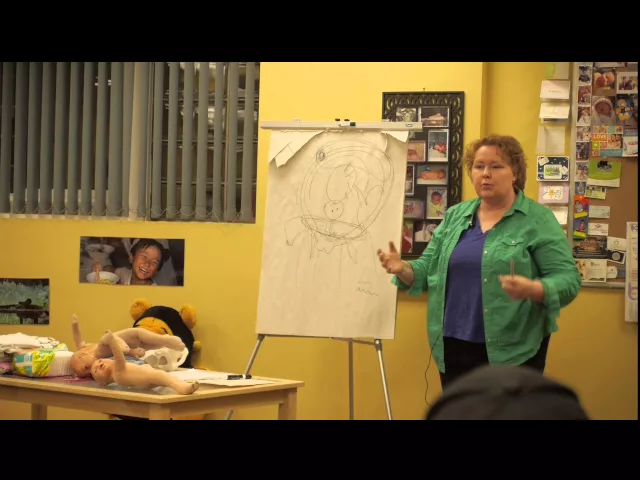
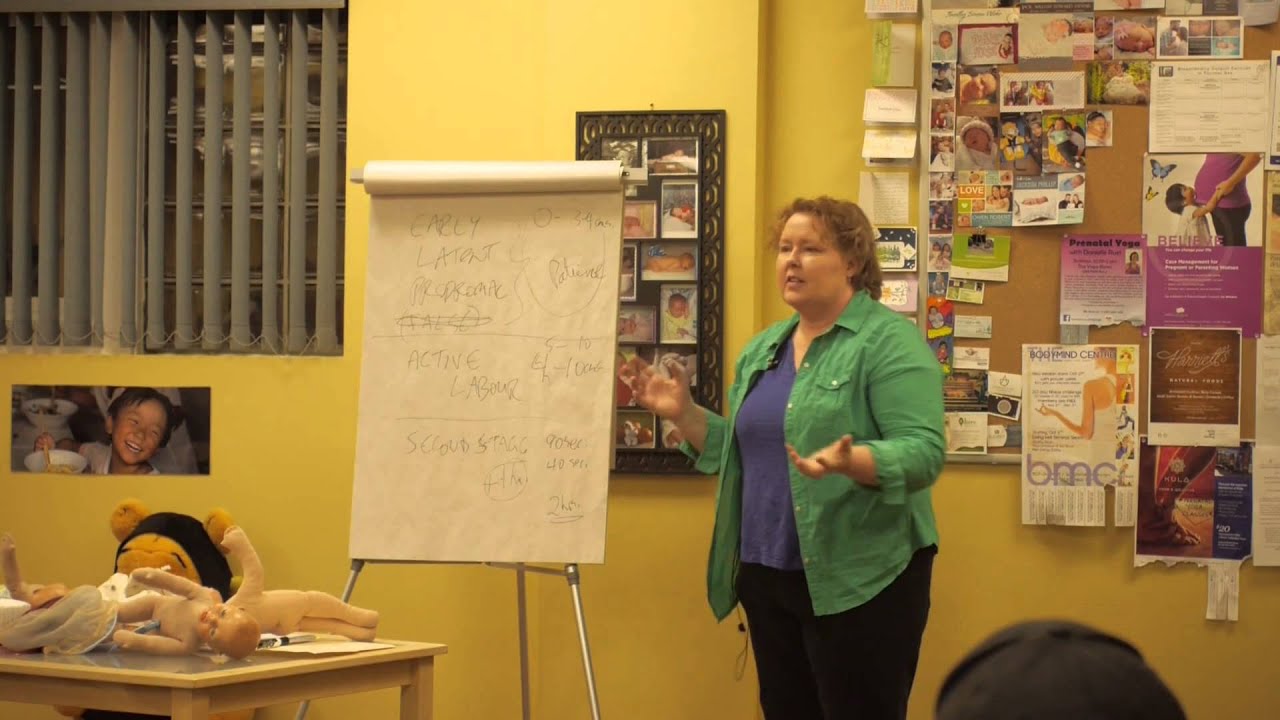
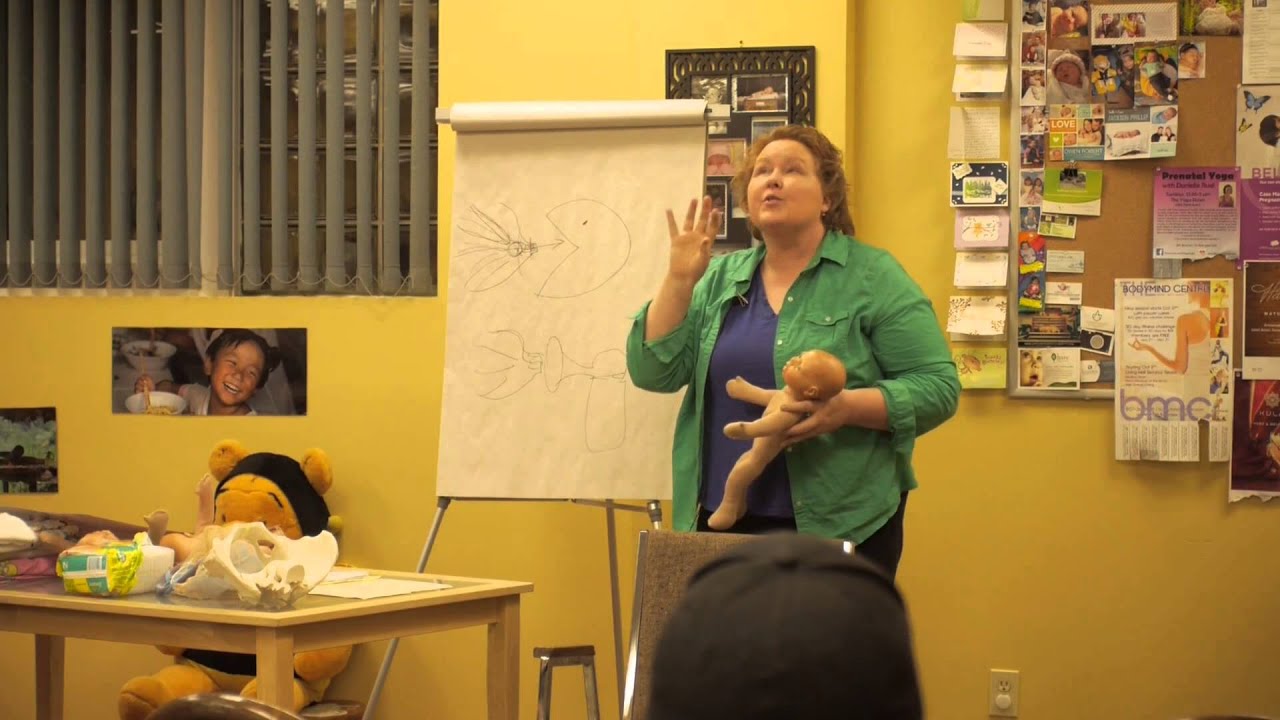
welcome we've been doing these classes now for the last year and a half my name is Holliday Tyson and I've been a midwife and also a nurse educator for the past 30 years 32 years and I just recently this past year retired from clinical practice as a midwife and really wanted to devote much more of my time to education and partly it's because I feel that so much education especially for parents is not that well done over the years as a midwife and in other capacities I would hear people say oh we went to the
classes but they really weren't that useful I mean this was useful to that so my goal is really to take 30 years of going to births in seven different countries and working all around Canada and with different midwifery groups and with lots of different people and try to share information for you that's going to be useful in practical ways like I really want you to leave tonight feeling okay that makes sense or that will be helpful to me and the most important thing is that after your birth in the first couple weeks I want you
to be able to think okay that was helpful all right so that's the feedback that I need to make sure you give the midwives what was useful if anything wasn't useful and that's really all I care about is that it's really useful to you we're going to today go through it's an intensive really we're going to start with late labor or late pregnancy rather we're going to go through understanding what that's all about some of the common complaints and worries good ways to get ready for labor then we're going to look at labor and birth
itself and then usually we take a little bit of a break once the baby's just born and then so again loosen up go get a drink or something and then afterwards we're going to look at the first few moments after birth the first hour the first day and the first week really there's very special important things that happen in all those times and you can probably be helped a lot by by thinking about that tonight at any point you can just stop and shout out a question always just just interrupt me anytime you want also
at the end people can ask questions and if you have a question that you really would prefer to just ask without other people hearing I always am here in the break and also afterwards to answer anything that you might have and afterwards if you go home and think oh but what about this obviously ask your midwives right or can I just check is everybody here working with midwives yeah nobody last class there were few people who weren't so everyone's working with me too so obviously ask your midwives then the other thing is if there's something
else that you're just curious about just tell them and to say is it okay if I if I email holiday and you can also email me so I'll give you some I'm happy to just follow up useful here's there's four themes really that go through what I've been doing with these intensives four people and I want you to understand that before we get into the you know the actual meat of it the first one is that sometimes people think that when they're giving birth they're really just giving birth to a baby you know that's what
everyone's focused on is the birth itself and the baby and the care of the baby but it's really worth stopping to remember that you're not just giving birth to a baby you're actually giving birth to parents okay you're developing becoming parents and probably most of us think becoming parents is the most important thing we do in our whole lives but we don't spend that much time thinking about the importance of the way that we do that and the way that we are to each other in that so if you are in partner how many is
everybody here how many people are in partnered relationships here is there anybody here who's solo like and you know does the special special helpful things for people who are solo or have maybe their mother as a as a main support but I want to tell you about this research there's this great research that looked at how happy people were a year two years and five years after their birth and how they felt about their partners and how they felt about their birth and how confident they were and they thought when they did this that people
who had easy births and normal births would be the people who were happiest but what they found was it hadn't almost nothing to do with that it had to do with how people felt their partners were with them not about expertise but whether they were there for them and they were really a team okay so one of the things I try to really help people do is to figure out how to work really well together because that's the thing you're going to remember more than anything your midwife or a doctor nurse anyone who's in the
room they're just really at the end of the day they're just there to help you for a day you're taking the baby home you're the people who are developing as parents and and it's the way you are with each other that really matters so that's one of the themes the next one is that in the age of the Internet everybody is overloaded with information you can go every day on the internet and find a ton of information but you see a correlation between that and a lot of fear a lot of people are more fearful
now in childbirth even though childbirth is safer than it's ever been a lot of people are very fearful about it they're very fearful about what they do with their baby can I sleep the baby on the side for 10 minutes oh no will the baby be okay what if I don't fully breastfed will the baby be okay what if I do attachment parenting or don't do attachment parenting it's just an enormous amount of fear so one of the things I want to do today is give you information that helps you feel calmer that just helps
you feel like oh that's something I can use that's really practical and then the way that we do that is I try to give you some knowledge of physiology that you don't usually easily get your sources because if you can understand what's exactly happening and the mechanics of it then actually now you can see what are the things that you have control over what are the things that you have no control over and what are the things that you have a little control over and if you can leave tonight having a sense of those I
guarantee you're going to probably have a smoother time in labor and birth and the first week or so it's that's information most people don't have a sense of the last thing has to do with men you know one of the things I've seen in the last 30 years is that we haven't treated men around childbirth very well up until recently we didn't even let them into births and then about 25 30 years ago we started letting them in but we've never really stopped not taking them seriously you know you can still on a regular basis
in the labor and delivery unit hear people joking well if men had to get pregnant there wouldn't be any babies when we stop to think about that it's a crazy crazy thing to say I think I've hardly ever met a partner a man who wouldn't have gladly stood in for their partner at the time of labor and birth or people make jokes about them fainting or people make jokes about whether they're a good coach or not and we forget that it's their baby too and that they've never been to a birth before and yet somehow
we expect them to be you know excellent coaches so one of the things is to figure out between the two of you what kind of sharing and helping you want to do when it comes to the labor and the birth because people are really different and there's no one right way to do it and secondly I want to give you some tools that you can practice so that you're going to be a lot better at it because a lot of labor support stuff is not that hard it's just hard to do it for the first
time when someone's in pain okay a common scenario you see with women in labor is someone will be like oh they're in tiller and paying their pain and then their partner says oh okay I'll try to put my hand there and then she'll snow no not there and then someone expert comes along does it and then the guy feels well okay well I guess I'm not good at that but the truth is if you find a few of those if you learn a few of those maneuvers and you practice them actually you will be really
good at it and that's a that's a pretty fun and fabulous thing so we're going to do some of that we'll do some of that tonight too and I guess I just have to say that I'm a little not in all but I've been so impressed in the last thirty years just to see how much parenting has changed and improved and how big a role father's have taken and I think that we need to include talking to them a lot more respectfully and include them in things more than more than we have so let's start
with late pregnancy most of you are in late pregnancy now and people think of it as a state of waiting right you're waiting and then at some point labor is going to happen right like it's a distinct thing we're waiting we're waiting everybody asks you is it happening yet is it on has anything happened but it's really helpful to understand that really the last couple months of pregnancy is a gradual transition into labor and if you understand that and you understand physiologically what's happened sometimes you can have some effects on making it go more smoothly
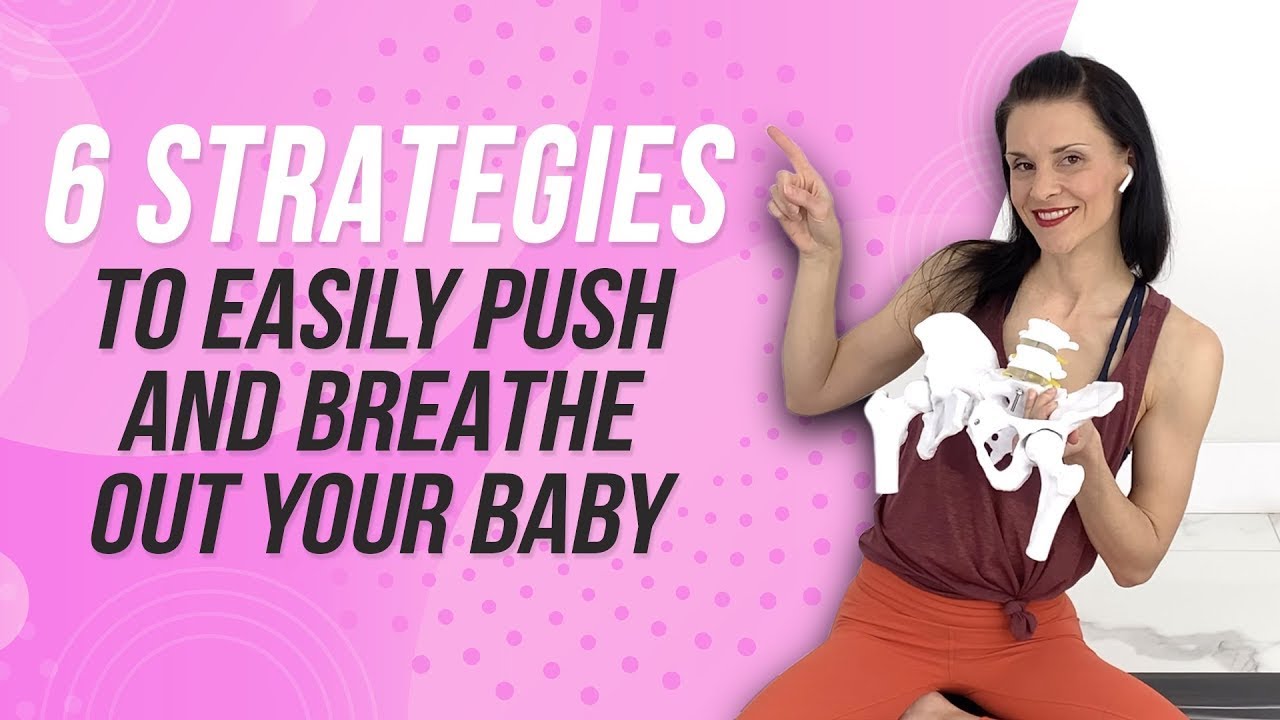
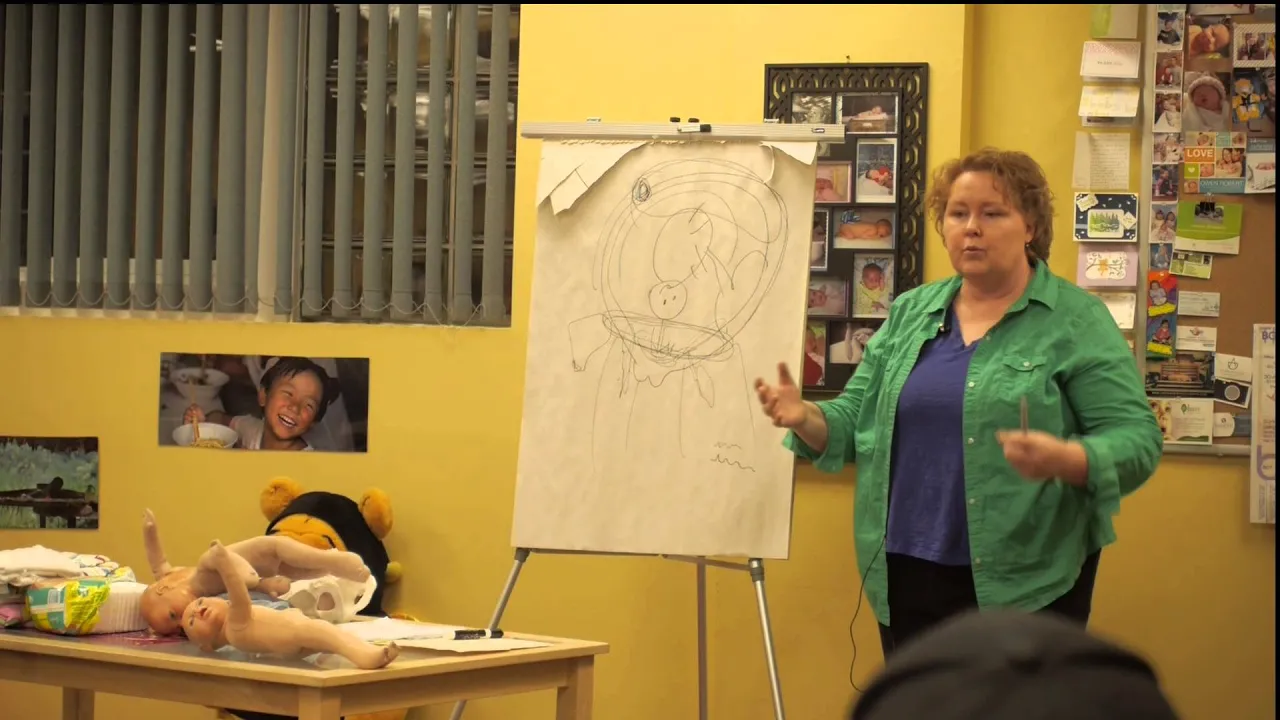
for you and feel more confident and calm so let me start by telling you a little bit of anatomy and physiology that can be helpful so here's a pelvis in front of you right you everybody recognizes that people tend to think it sits like that but it doesn't it sits like this right here your hip bones at the front right so here people are and actually pelvises aren't all the same there's actually like four different kinds of pelvises and there's also some mixed pelvises right so for example some people have pelvis is called plat applied
pelvises for example most asian women tend to have pelvises that are bigger here side to side than front to back so when they give birth babies tend to go through like this kind of shimmying their head down okay some people have something called anthropoid pelvises which have larger diamond shapes and they're bigger front-to-back than they are side-to-side and depending on the size of the baby sometimes those babies just kind of shoot through like little divers right and so you know when you hear those stories about people who say I don't know it was 39 weeks
pregnant nothing had happened I got up to brush my teeth one morning and suddenly my waters broke and then suddenly uh and I was pushing and the baby just flew out and you think wow how can that happen that almost always is is because it's an anthropoid pelvis almost always okay because the structure of the pelvis facilitates if the baby's about the right size and position facilitates a really fast sort of exit without a lot of turning around but most people are going to experience a kind of a what I call like a three-point turn
when babies kind of so you've got babies are coming down let's assume your baby's head first that's it easiest so they come down and then they meet the pelvic floor here and these bones they turn around like this right then they come out then they have to turn for the shoulders and then they come out okay and not too many of them just fly out when you're brushing your teeth okay and it's the strangest thing that the thing most people are afraid of is that their baby would I owed winter brushing their teeth but if
that happened could you imagine how easy it would be for everybody we wouldn't need any health professionals we wouldn't need anything so it's funny that that always makes the news the person who has the the ultra uber easy fast birth makes the news but actually it's just a completely normal completely normal function that most of us aren't quite you know quite lucky enough to have so when you look before I draw the uterus next when you look at this pelvis see they've got little screws here it's to demonstrate the fact that the pelvis becomes quite
unstable unstable when you're pregnant so normally your pelvis is kind of like this and it doesn't move around much you're walking it's like this okay then what happens is when you're pregnant you have these hormones progesterone and estrogen that run through your body and they're set up to help you get ready for birth okay and you have a lot of them especially in the last month of pregnancy have you ever found yourself going to get into a car and you feel like you left the rest of your pelvis behind anyone have have you had that
experience yeah well that's because see here see here here all of these are unstable right and that's good because it gives you a lot of room for the head to come down and to give birth but it can be uncomfortable if you're trying to pivot climb stairs quickly you know change subtly leap or lunge like that okay so some people are different than others some people tend to have kind of tight ligaments and some people have looser ones and that's important to know you can't really control that have you ever noticed some people if they
carry really heavy grocery bags afterwards you'll say oh that feels bad it feels like everything's almost separated but other people are like this well it's the same with your pelvis okay so everybody's pelvis will open in pregnancy because of the effects of hormones but it'll be different between different people so some people when they walk literally feel like they've got three pelvises and other people don't really notice all that much okay now the way you can use this information is to see that there are certain positions that allow you to in the pelvis up more
okay so you can imagine if your legs are down here that if you bend down and squat for example you tend to open up the pelvis even in fact when people lean over a surface like this a desk what happens is they open up this at the back and that can give your baby about another centimeter two centimeters of room okay so the first practical lessons are for pelvises you want to be careful if they feel unstable that you don't pull anything by suddenly deciding to run hurdles or you know do lunges late pregnancies not
the best time for that for most people anyway but you can use the fact that your pelvis is less stable to make more room for the baby and to help it go down on the cervix and the ways you do that are pretty simple one of the ways is that every single day you've been some time like this okay it's just kind of like I call this like the bashful elephant maneuver you know just go like this it's really simple and even if you're a person who has any health problems you can do that safely
and what that will do is open up these areas at the back of the pelvis and help the baby to go down okay so people will talk about gravity but just standing here like that you don't really get any great effects of gravity you have to help it a little bit with positions okay so that's the further that's really the first lesson about pelvises so squatting is a good one but a lot of people aren't comfortable squatting if you've already been squatting it'll be great for you but don't decide to try to start two squad
at 39 weeks if you've never done it before you know really it's not going to be that comfortable or fun but everybody can do this okay now there's one other one do you ever remember when you're a kid playing with a hula hooper any of you go to those folk festivals where then adults play with hula hoops too right well if you just think about the simple maneuver of a hula hoop and imagine this with the pelvis okay if you start moving it around and you do this every day what you do is you create
openings here in the pelvis okay so there's actually really good research about this particular maneuver and lots of people do it all the way through labor and they find they get pretty comfortable and the bee head comes down really well okay so that's the pelvis which basically is just the little bony tunnel that your baby's going to come through and the next important part is the uterus so the uterus is the home for your baby and it starts being only like an upside-down pair about seven centimeters high five centimeters across at the top it's little
okay and then it grows so that it ends up being Oh at least thirty centimeters high okay and there's okay and there's the cervix the little opening that's that stays closed until Labor and then you've got a few layers we don't need to talk about you know a lot about the muscles but basically you've got a muscle layer and then you've got an inside layer and then you've got a parameter outside layer the bottom line is it's a really big muscle set of muscles but it's unlike any other muscle in your body and if you
understand how it works this will help you in labor this is an area in which you have some control okay so you have on the top right hand side of your uterus something called pacemaker cells they're up around here okay and unlike most muscles in your body can just do two things they can contract and they can relax but the uterus has this amazing ability to contract and then to retrack taun itself and that's because it has this job to do let's just put a happy little there's the baby I'm not a great artist okay
and there's the placenta feeding the baby okay all right so as you get closer to term to 38 weeks you're going to find that the head stops swimming around up here and it goes down and it rests here on the cervix okay it's going to come down here and rest on the cervix well what happens up here is that the uterus has to develop a big pushing wedge it goes like this and down here the uterus has to figure out a way to get completely out of the way okay so it has to go from
being kind of like a doorknob to a finished pancake and then to nothing okay really it's magical when you think about it so it does this by this really interesting process of polarity which is a little bit like push-me pull-you z-- you know that whole thing push-me pull-you that's what happens that this pushes down and these pull up okay but here's the trick there's really great research with all mammals including humans that when you distract people or you put them in high light environments right or you have them talk a lot a lot of people
will not achieve very efficient polarity and that's why you see people who care you know who are trying to facilitate more normal births you see them going into quieter environments you see darker lights it's not just because it's a mood thing that makes people feel better it's because it's proven to make these better and partly it's because it facilitates the main hormone oxytocin that makes the uterus run if you have enough oxytocin your uterus is likely to run well if you don't have a lot of oxytocin it won't in the last 20 years we've seen
a huge upsurge in people having augmented labor with oxytocin that comes chemically through an IV drip because they got a bit stalled it's a very interesting discussion how much of it how much is if we'd waited just waited they would have been fine and how much they needed it but what everybody pretty much agrees is that when people stand around talking timing in bright light and people a lot of people will not have their uterus as functioning as well as they could all right so just think ahead that you want to be able to have
a quiet environment as much as possible you don't want a lot of talking you don't want to be on your phone all the time okay and you want oxytocin okay so you've probably a lot of you read about oxytocin so you know the ways in which you create oxytocin by cuddling with the people you love by listening to the voices of the people you care about all of the things that make you feel calm and relaxed so the primary job I would say of a partner of the family or friends that are supporting someone in
labor is to help facilitate that and in our world it can be hard because everyone's excited right you know you get 50 calls in is it happening yet is it happening yet how many centimeters are you it cetera the problem is that that's not always so helpful for people in their labor so let me tell you a little bit more about the uterus cuz it's pretty interesting and let's focus on the thing everyone's fright afraid of which is pain right everyone's like oh what's gonna happen am I gonna be one of those people who finds
it unbearable or what you know you know there's some people who go to the dentist and they say I don't know what everyone's talking about I don't even need freezing right and other people who find it really awful to go to the dentist they just feel like this terrible pain when people poke at their teeth or do anything well when you do little MRIs or even types of x-rays what you find is that some of them have little nerves in their mouths that are like spaghettini and other people have like big fat fettuccine ones and
the people who have the big fat fettuccine ones are the people who really feel pain a lot it's not because they have a bad attitude it's not because of something else it's because of that so here in this zone is where you have the majority of nerves it's called a plexus which just means a meeting place like a mall for nerves okay and the nerves are here and in some people they also extend here to the top of the legs okay some people they do some people they don't so here's the part again you don't
have control over we don't know whether you're the person that's got the spaghettini nerves okay going across there or whether you're the person who's got more of the fettuccine ones okay that you can't change and that's why it's so important if you're a person when you go through labor who's whether you started by saying well I'm open to taking drugs or I'm really sure I don't want them if you're a person who does end up having some kind of drugs whether it's an epidural or something else because you experienced pain it's really important to know
that that's completely fine and it doesn't reflect the fact that you didn't perform you know I think there's a lot of expectations that people have if I was just brave or all of that so just remember you don't know what your nerves are going to be like okay you just don't know in advance nobody does and it's a pretty amazing thing to watch that some people just don't experience it as that painful and other people experience it as very painful alright so here's your uterus fully grown right and you don't really tend to have pain
in these areas because that's not where the nerves are okay you tend to have them down here some here times here on the legs and sometimes around the back because that's where all the nerves are okay now here is where partners come in as the most important people on the planet and here's what I have to say I mean women can do this too but men tend to have better upper body and hand strength as a general rule and so with a little practice they're actually better than anybody else at providing this support so knowing
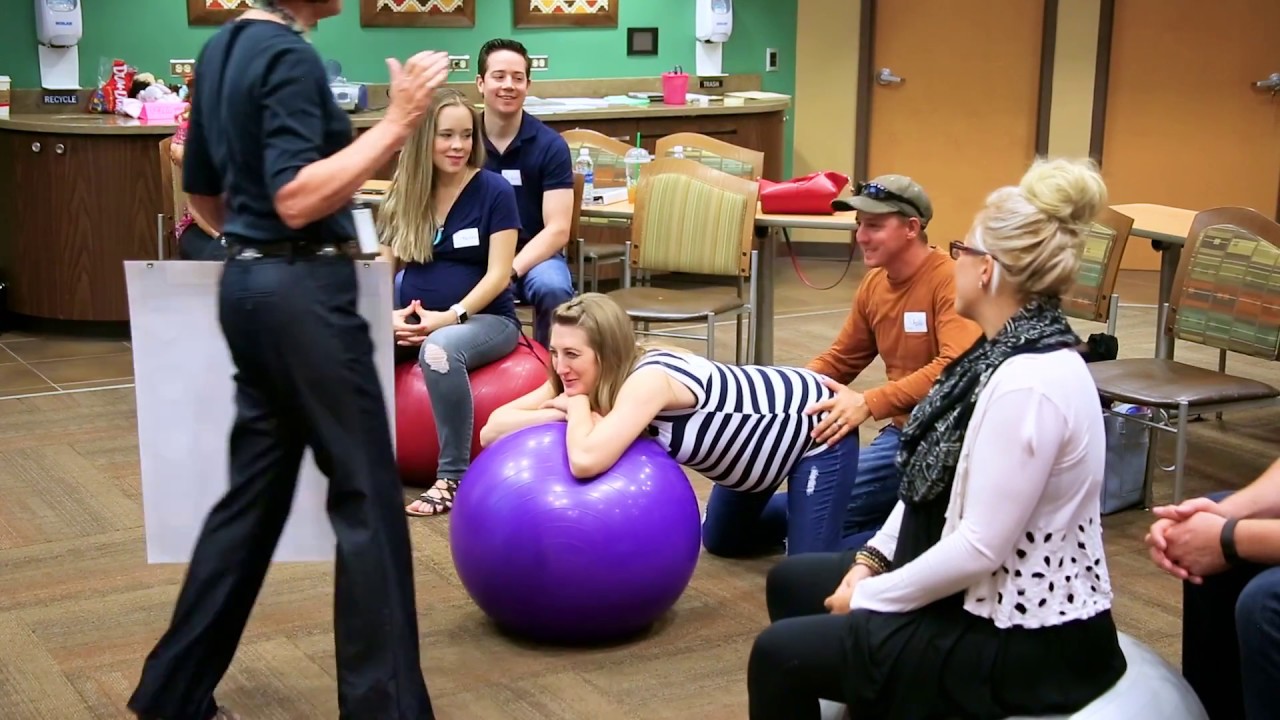
how the nerves are I'm going to show you two maneuvers that really are helpful and if you practice them a little bit in late pregnancy I guarantee you're going to find them really helpful in labor itself who's fairly pregnant can I can I use you is that okay okay come here the first thing I'm going to show you and then I'm going to get you two up to do it okay is something I call a penguin walk okay and what we're going to do remembering that all the nerves are here right is what we're going
to do is lift the uterus up and what that should do aside from being good for you for your circulation is actually really release any discomfort and in early labor sometimes it can actually erase a lot of the pain and in later labor it can also help a lot okay so what you're going to do with your partner right is here just answer everyone can see is you're going to put your hands here okay you stand behind them and then you lift up now when you do that it should feel good how does that feel
yeah it did does it actually does it feel good though like does it feel supported yeah okay so look come I want you to come now because see how I just did it I want you to get him to do it the same way okay tell is he getting it in the same place yeah okay so now you're gonna do the next part of the movie ok snuggle in really close to her okay and now you guys are going to be a penguin left right left right okay sir so you can walk walk around okay
and you keep the pressure up so you lift the uterus up okay can you see can you see oh is that good yeah it should be shouldn't a little more about the environment for creating oxytocin you have a couple of things to help you in the end of pregnancy now here's cervixes are really interesting right because what they do is they protect here's the baby again with hair they're okay so if this is the uterus so this is the woman's legs here right and the cervix is still inside right because the vagina is here okay
so I want to tell you a little physiology that will make you understand and feel calmer about birth the big question everybody has and comedians have so much fun with is how on earth does a head fit through right and everybody thinks especially if they've had uncomfortable pap smears or uncomfortable vaginal exams and those things they think oh no well how's it going to be if I have you know an eight ten-pound baby and here's where amazing amazing physiology comes in normally your vagina feels pretty straight feels more or less pretty straight and you've got
a lot of muscular control around it right but by the time you get to the end of pregnancy what happens is that these kind of magical tissue formations that are called rugae but you don't care what they're called basically what they do is they allow your vagina to really function like an accordion okay so it basically creates these folds and you have the ability to expand phenomenally temporarily okay so that's why you should I see a couple of one oh thank you so it's really important I know because people have a lot of fear about
that you know and and it's important to be able to visualize that you have this temporary adaptation that happens with the rugae around the vagina that allows for massive expansion and then later it changes and with the hormones changing it goes back again it's much different all right so that's the vagina and then the cervix exists as the little gateway between your uterus and the outside world hi so how basically cervix is when you're not pregnant are like the consistency of your nose okay like if you tap your cervix it's like this okay once you
get pregnant all right right away by the time you're a few weeks pregnant by the time you a few months pregnant it's softened because of the effects of hormones and it feels if you tap it a little bit more a little bit more like your lips okay so it already starts that but this is where you can have some impact okay the idea is that you want by the time you get to term which is 37 to 42 weeks to have a cervix which is as soft and favorable to labor as possible right that's what
everyone wants now what most people in in traditional agricultural or or what do we call when people wander you know nomadic thank you what they have the people don't have now is they don't sit in chairs all the time okay and they tend to carry things on their heads and they tend to squat a lot all of those things are common to pretty much every culture every historical group of people in the world they walk a lot they climb they squat a lot okay all of those things you can see put pressure on the cervix
right only us sits on chairs okay and when you sit on a chair right just think about it imagine my time at the airport in one of those embarrassed x-ray machines alright so when you sit like this you don't have any weight on your cervix you really have hardly any on your cervix and most of us spend most of our time like this right it's a big problem it's a problem because it definitely makes us a little less physiologically adapted but the good news is you can fix it okay and here's how you can fix
it basically the first of all the things that I showed you like this will main will make the baby's head tend to come down a little bit more sitting on the cervix the other thing is to actually do a lot more exercise and walking alright and then the next one is sex sex is fabulous for people in the last trimester for a whole bunch of reasons okay now when they do research to say will sex make me not go over do will it make me come early usually they get inconclusive results or else I get
one one way and then the next study goes in and the reason is because it's impossible really what they do when they interview the people from those studies is they say oh we were in the group that was told not to have sex but we did and then the people who are in the group that was told to have sex ago well we did but we didn't we're supposed to but we didn't really because we didn't feel like it we were fighting that week so first of all it's really hard to control for that secondly
most of those studies don't say watch five minutes ten minutes an hour what kind of sex right so what I want to show you mechanically is the ways that you can have some impact on making the cervix and your uterus more favorable for labor okay so first of all the basics walking squatting if you do that sitting and Taylor sit as opposed to chairs that kind of stuff but but basically the cervix is helped by mechanical stimulation and by hormonal stimulation so what happens is that if you actually have people who are regularly having sex
you have movement of the cervix okay so the cervix when it moves around tends to get softer just by that okay the second thing is that when people actually have semen around the cervix then what happens is it has some it has something in it called prostaglandins and prostaglandins tend to softn and to create contractions for people all right so other ways that people can do that sometimes things like nipple stimulation can also be really good for people obviously I'm not telling people they should have sex if they don't feel like having sex but if
people like most of us don't want to go overdue would like to have a cervix that's as favorable as possible it definitely makes sense to have as much sex as possible there's no doubt about that it definitely helps and when there's ethnographic studies of people in really sex-positive cultures where they tend to have sex almost every day you have almost nobody who goes beyond 40 weeks almost nobody so this is just really worth it's worth knowing okay so um everybody has questions about the mucus plug the mucus plug I always think to myself someone said
to me the other day what do you do for a living I said I just answer all the most embarrassing questions that everybody has all the things they wonder but don't want to say so look inside the cervix there's this genius little thing which is a plug designed to stop any kind of infection from coming up here okay and what happens is you start to lose that plug at some point in the last few weeks of pregnancy some people lose it all at once you know they go to the toilet and I go whoa what's
in the toilet right and they lose it's almost like a little tampon okay it can be a mix of colors it could have dried blood on it it could have fresh blood on it it could have a bit of mucus like yellow and green on it it can just be whitish whitish yellow and look almost like a little tampon but more people actually lose it gradually okay so what happens is that most women the last trimester will say that they feel like they have a lot more discharge and especially after sex that they're more likely
to have a little bit and what they're doing is sometimes losing bits of their mucus plug all right so there's no danger there's no risk it's completely fine and even if it's got like a little bit of pink in it it's it's all fine it's just all normal okay so let's look at a few of the issues and challenges of end of pregnancy one of the ones that people about a lot of varicose veins okay and varicose veins you have to remember 90% genetic you can have people who gain enormous amounts of weight who are
really overweight who never get varicose veins people who are super athletic and slim and they get varicose veins varicose veins are things that are amenable to some extent by using support hose it's a good thing to get some kind of a consultation and just follow them up and then you can get them treated whatever you do just don't beat yourself up about it there's nothing you could have done that's the most important thing and sometimes people get scared because varicose veins don't just happen here's your feet okay so people think of their varicose veins sometimes
being in their lower legs occasionally behind their knees once in a while here but here's the big secret that freaks out lots of people you can have something called vulval varicosities okay and they're actually pretty common because of the increased blood flow so sometimes people can have these raised blood vessels that are anywhere around the perineum and the vulva and really it's the same thing as what you're experiencing with hemorrhoids right they're just expanded blood vessels in different parts of your body so when we talk about the postpartum we'll talk about what to do about
those but in the pre in the prenatal period the best thing you can do is get a consultation for the ones in your legs usually you're going to get support hose and you put them on first thing in the morning and that will really help Volvo varicosities you're often going to put pressure packs like ice packs on if they're a king or throbbing get off your feet and always put some pressure but pressure on them and that's pretty much all you're going to do okay a lot of people wonder about exercise near the land near
the end of pregnancy and they wonder is it safe well the answer is we really should be asking the opposite question which is why do we have such a sedentary society is that safe and the answer is it isn't actually what we should all be doing even in pregnancy is walking probably close to eight to 10,000 steps a day which is an hour to an hour and a half for some people that's what they do already and for other people they think are you kidding me that's huge right so um I would say there's lots
and lots of benefits to your circulation to your serve - everything from walking so if you're not already walking make up what whether you have to go indoors to it or whether you can do it whether you're happy to go outdoors you should try to get in about an hour of walking a day as long as you're healthy you know normal person and if you can't do it all at once that's completely fine just break it up into say 1015 minute walks but there's I won't go into all the benefits but basically we should have
everybody walking the more contentious things are heavy weight lifting you know in the last couple years some people have done things like run marathons when they're 36 weeks anybody here thinking of doing that and we don't have to deal with that now good so I don't I don't know that the evidence is great for that because of the jostling and the moving but people who run marathons are just going to do it anyway so you just leave them alone really but and people who do weightlifting here's the secret generally speaking you're going to get a
lot of benefits from weightlifting at any point including pregnancy and you're going to get benefits from the pressure on the cervix the key thing is just to make sure you're not part of the tiny tiny number of people who has a cervix that's tendon that would tend to come open too early and that's very easy to determine if you're a person who has sex and then has hours and hours of contractions afterwards you would definitely call your Midwife and get them to check your cervix obviously right but the vast majority of people you can do
walking you can do weight lifting you can have tons of sex and it's completely safe and it's and it's all good right it's all good so in terms of safety what's the single most important thing for the end of pregnancy it's fetal movement okay you know we have all these tests that we can do right none of them are as valuable as people being able to feel fetal movement so that's the mall ways worried like oh should I be having more tests so should I you know have this but the main thing is just feeling
fetal movement everyday okay never feel shy to call your midwife if you don't if you think you don't have fetal movement it's never a wasted call okay that's the most important that's that's the single most important thing for safety okay oh I didn't show you the back movement via there's something I want to just show you that's going to come up now as we move into labor that's very and that's it member how I mentioned you have this nerve plexus around the front and then some people goes around the back some people get back labor
and it can be really nasty it's almost always the lower back right and can I just use you again for a sec huh if you just lean on this for a sec this is an area where again having a partner who has larger hands or strong hands can sometimes be better than anybody else in terms of helping you if you're a person who has pain near the end of Labor or the end of pregnancy or especially in labor all through your lower back there's a few ways that you can deal with this alright I'm going
to just show you a couple I want you to push back against my hands one is just to put your hands firmly both of them against this area here push back right and you should feel good firm support right it should feel good basically good support okay just stay there so what are we doing here remember when I showed you the pelvis this area that opens this area that opens there's a lot of nerves in those areas if we compress them effectively you don't get much pain okay and usually what happens that makes people not
believe it is that they're afraid of hurting someone so they go how does that feel and they go get off my back that really bothers me so the trick is to be able to do it quite hard okay so I'm just going to show you how hard right it's a lots of pressure isn't it yeah so that's one the other one is that you can find the specific spot it's hurting and take a fist like this okay and then I'm not going to push hard on you because you don't have that pain but usually it'll
be here or here and sometimes in the middle but wherever it is what you're going to do is firmly push in like that okay and can you feel the support with that yeah it usually feels good anyway and if you're in labor this stuff can feel really really helpful okay so just remember that you're going to use your fist or the flat of your hands get your partner to push back against you and you push hard actually that's the best way to describe it push hard because what you think's it's good thank you because what
you want to do is compress the nerves and you have to push hard to compress that's why when people do these gentle things for most people in labor it's not that effective