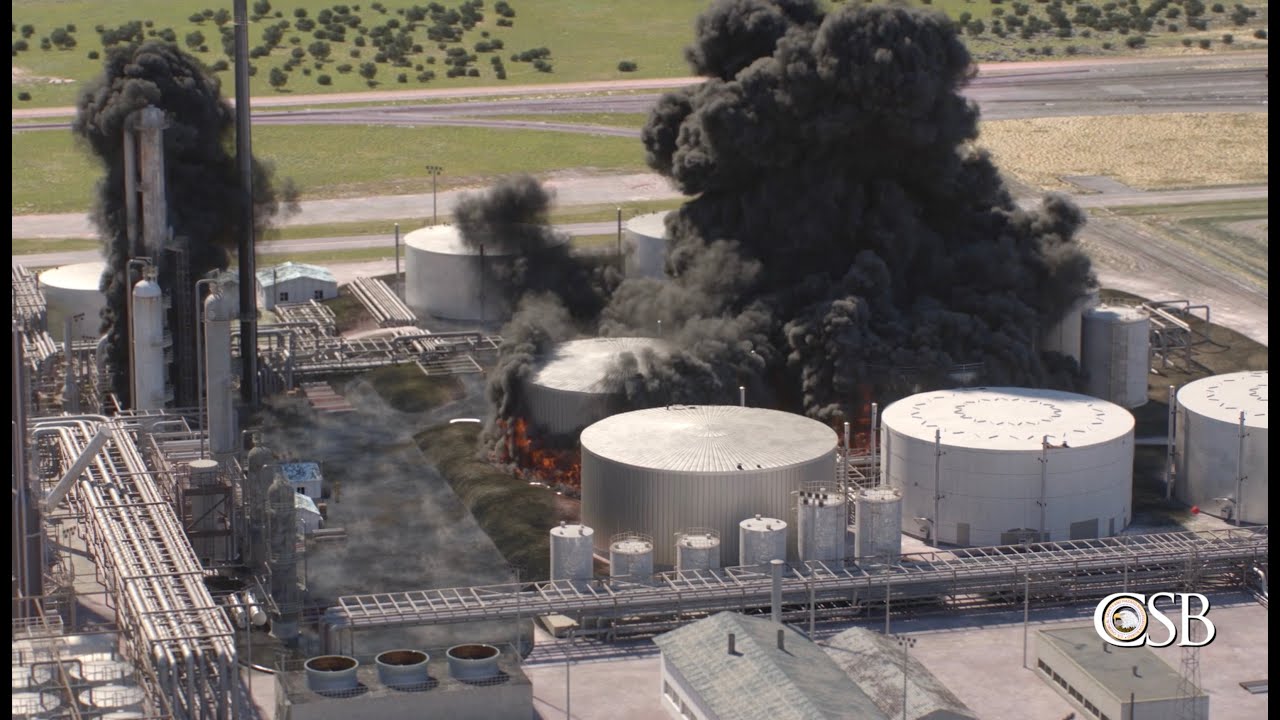
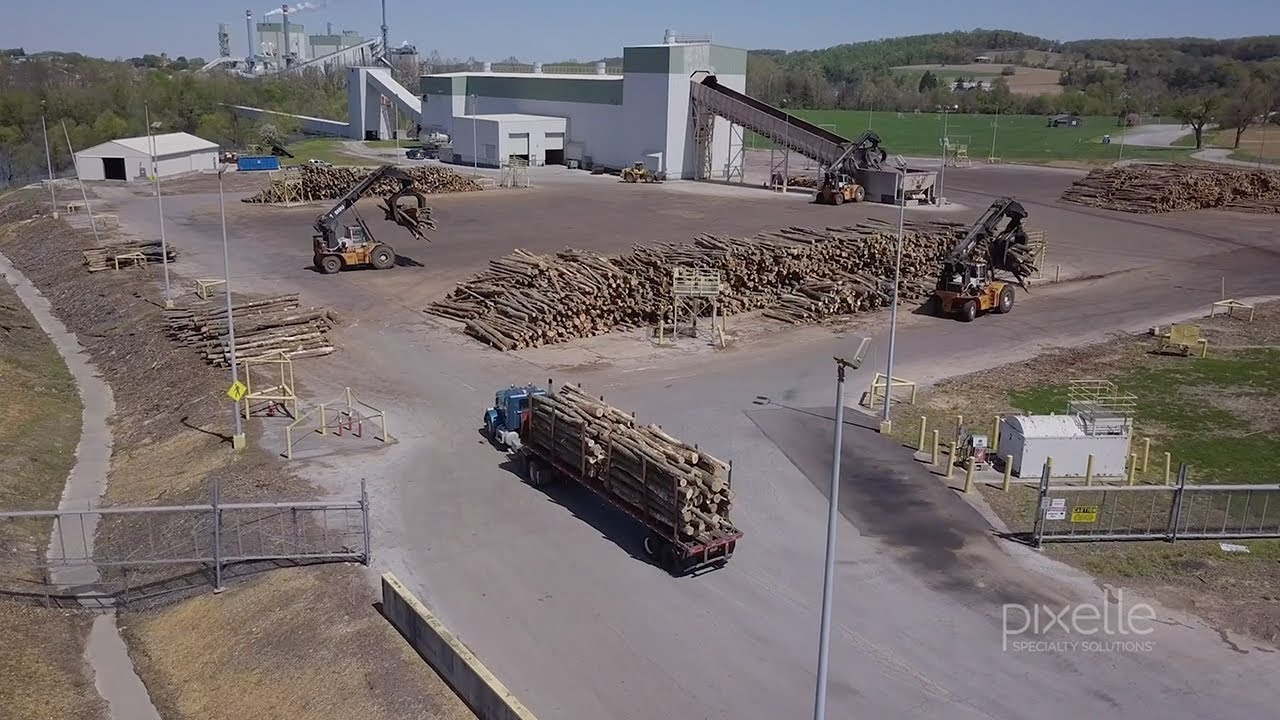
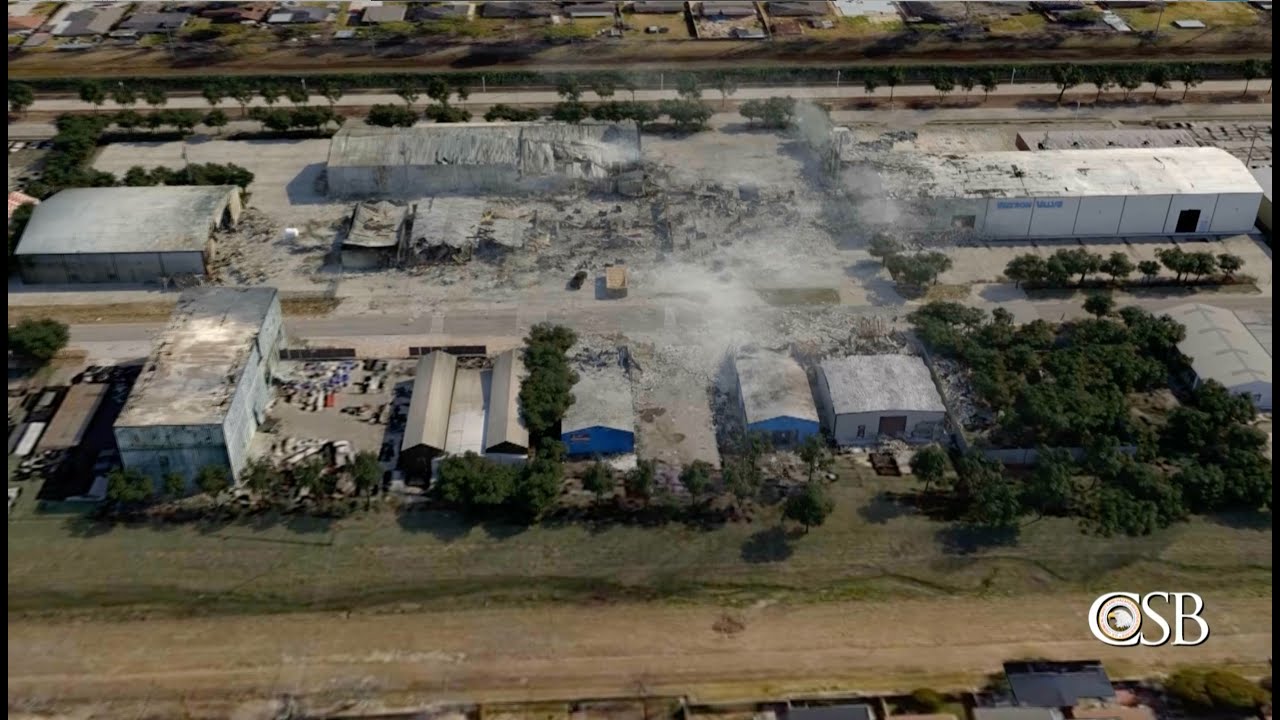
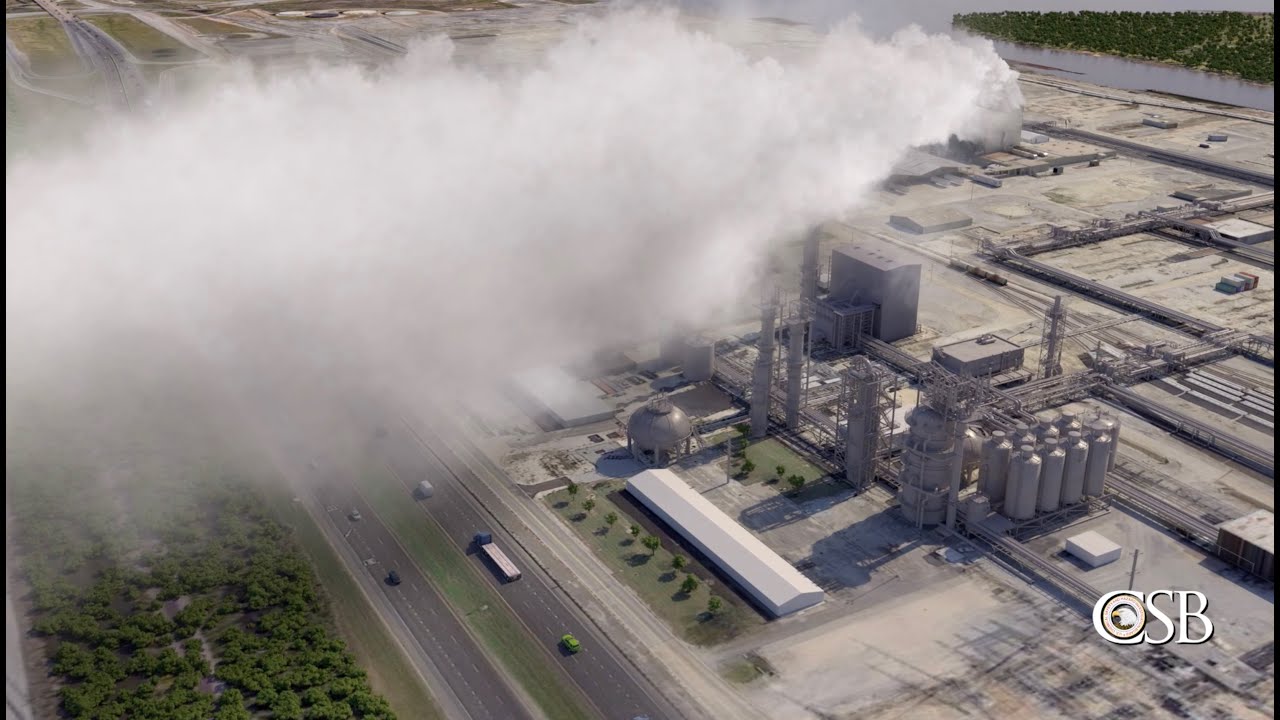
Voiceover: February 8, 2017, the Packaging Corporation of America's DeRidder, Louisiana, Pulp and Paper Mill. The mill was undergoing a planned maintenance shutdown when a tank violently exploded, killing three contract workers and injuring seven others. The chemical safety board launched an investigation and found that despite industry good practice guidance to do so, PCA did not apply its process safety management system to the process that included the tank that ultimately exploded.
As a result, hazards such as the potential for a flammable atmosphere to form within the tank were not adequately evaluated. Engler: Had the company voluntarily applied its safety management system, which is used elsewhere in the mill, to the process that included the tank, the conditions that allowed the fatal explosion could have been eliminated or controlled, and this tragic incident could have been prevented. Voiceover: PCA's DeRidder mill produces container board that's used in products such as boxes and container board displays.
The container board is made from pulp produced at the facility. The process of creating pulp generates vapors. The vapors which contain water, turpentine and various sulfur compounds are then collected and separated.
The vapors are separated in a turpentine stripping column. Most of the turpentine is removed and sent to a condenser. The vapors remaining condense to a liquid containing mostly water but also residual amounts of the sulfur compounds and turpentine.
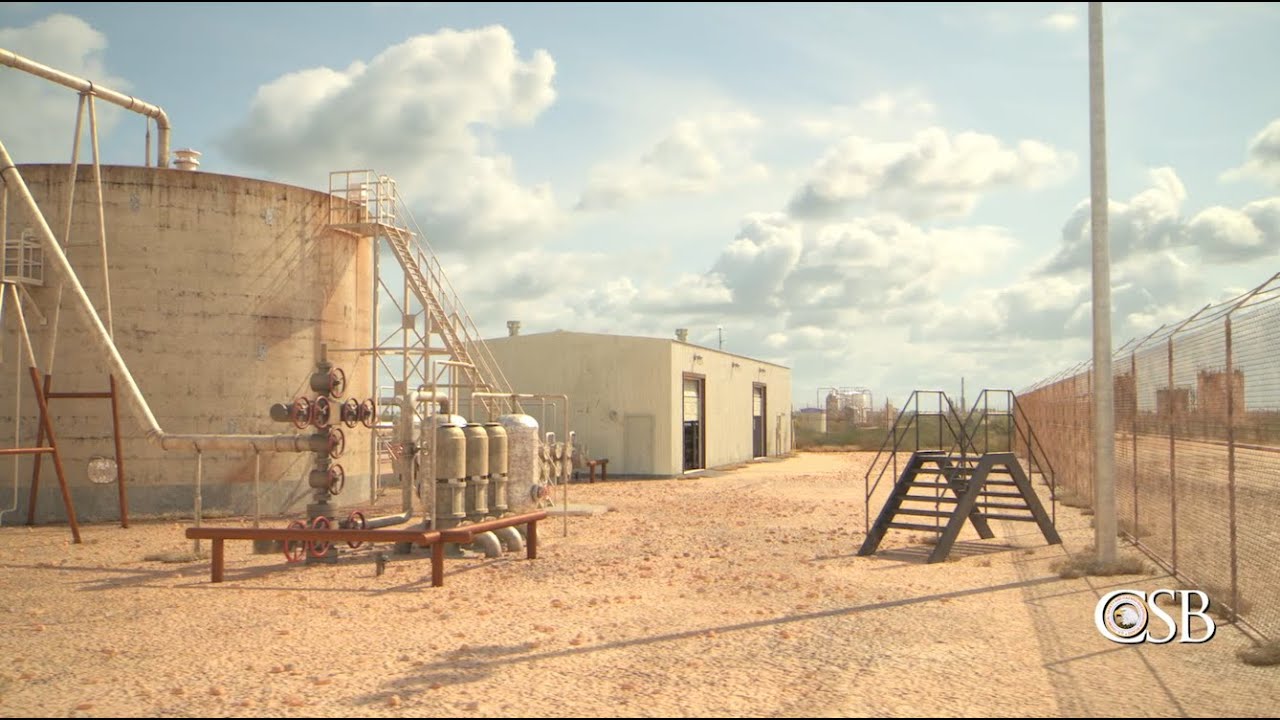
The liquid is known as foul condensate. The foul condensate is sent from the stripping column to an approximately 100,000-gallon capacity tank used to store the liquid at or close to atmospheric pressure. The foul condensate tank is primarily used to regulate the flow of liquid between the turpentine stripping column upstream and a downstream unit that removes the remaining sulfur components from the foul condensate.
During the February 8 incident, the mill was undergoing an annual shutdown during which employees and contract workers performed maintenance, inspection and upgrade tasks throughout the facility. One task was to repair the water piping located above and connected to the foul condensate tank. The piping had shifted and cracked months earlier.
The repair required welding on the piping, commonly referred to as hot work. To prepare for the hot work, valves were closed leading into and out of the foul condensate tank while 10 feet of liquid remained inside. The foul condensate was left within the tank partially because there were no plans to work directly on the tank during the outage.
The company also assumed that the tank contained mostly water, was sealed off from the atmosphere and did not pose a safety risk. These assumptions, however, were incorrect. Residual turpentine which is normally present in foul condensate collected on top of the liquid in the tank due to its density.
The foul condensate tank was designed so that by changing the height of the liquid level inside the tank, the residual turpentine would be skimmed off and sent to a turpentine recovery system. But in the months leading up to the incident, the turpentine was not removed because there was confusion as to which department at the mill was responsible for operation of the foul condensate tank. Due to this lack of defined responsibility, the valve designed to direct skimmed turpentine to the mill's turpentine recovery system remained closed during those months.
As a result, more flammable turpentine was in the foul condensate tank during the shutdown than anyone expected. In addition, is it normal for there to be vapors inside the foul condensate tank in the space above the liquid. Although those vapors can be flammable, there is not supposed to be enough oxygen in the tank to support combustion.
But because the tank had been isolated from the process during the annual shutdown, the contents of the tank likely cooled from its normal operating temperature, creating low pressure conditions within the tank. This most likely triggered a relief valve on the tank's roof to add more air to avoid damaging the tank from a vacuum created by low pressure. The vacuum relief valve was likely one of the few potential sources that allowed enough air into the tank to create an explosive atmosphere.
The day before the incident in preparation for repair, the water piping was isolated from the foul condensate tank and the rest of the process by closed valves, and the piping was separated physically from the tank. Around 8:00 a. m.
on February 8, a mill employee used a gas detector to check for a flammable atmosphere in and around the water piping and found none. The company then issued a hot work permit for the welding work. But even though a flammable atmosphere was not present outside the tank, there was a flammable atmosphere inside the tank.
Without knowing that the vapors inside the tank posed a serious hazard, three contract workers began welding on the water piping located above it. The CSB was unable to determine an exact ignition source, but it is likely that sparks or molten slag produced from the hot work landed on or near the foul condensate tank, heating up the tank wall or igniting its contents. Or it is possible that the hot work was complete, but as the tools were lowered, a welding torch fell and created an electric arc on the tank or its bent piping.
Regardless the CSB determined that hot work activities likely ignited the flammable vapors and liquid turpentine inside the foul condensate tank. At 11:05 a. m.
there was a massive explosion. The tank separated from its base and launched up and over a six-story building, landing approximately 375 feet away. Three people were killed and seven were injured.
All were contract employees working near the foul condensate tank. Engler: In our investigation we found that PCA missed opportunities to identify, evaluate and control the hazards that led to the explosion. That is because a process safety management system was not applied to the process that includes the foul condensate tank.
Voiceover: OSHA's Process Safety Management or PSM standard requires facilities that use highly hazardous substances to have a process safety management system in place to protect workers from catastrophic incidents. But this safeguard was not required for most of the process system that included the foul condensate tank known as the Non-condensable Gas System. The CSB notes that although not required by federal regulation, industry good-practice guidance recommends having a robust safety management system to manage the hazards related to processing non-condensible gases.
But despite these recommendations, PCA did not voluntarily apply its process safety management system required by OSHA elsewhere in the mill to the non-condensible gas system. As a result, PCA never conducted a Process Hazard Analysis of the non-condensible gas system. A Process Hazard Analysis or PHA is a comprehensive assessment of potential hazards involved in an industrial process.
A properly conducted PHA likely would have identified and called for elimination of the flammable atmosphere inside the foul condensate tank during the annual shutdown. On the day of the incident, the 30-foot tall tank contained a liquid level of about 10 feet, and PCA employees thought that the remaining 20 feet of vapor space lacked enough air to support combustion. But a PHA could have recognized the potential for air to enter the tank and create a flammable atmosphere which could have identified the need for the company to implement effective safeguards to prevent an explosion.
For example, the tank could have been drained and purged as part of the annual shutdown. Steve Sallman is Assistant Director of the Health, Safety and Environment Department of the United Steelworkers, the union which represents PCA employees. Sallman: Decisions were made to not drain, flush and leave the foul condensate tank open, and that is different than what it's been in the past.
Our members felt that needed to be done. We believe that had the tank been drained, flushed and left open, that could have helped prevent this unwanted event. Voiceover: Other safeguards include: procedures to prohibit hot work near the foul condensate tank while it contained flammable vapor; low pressure alarms to alert workers that the vacuum relief valve may open and allow air into the tank; oxygen analyzers that let workers know that a dangerous amount of air was in the tank; interlocks to automatically reduce the concentration of oxygen by adding an inert gas so that a flammable atmosphere does not form; or an inherently safer tank designed to withstand full vacuum conditions, eliminating the need for a vacuum relief valve and the potential risks associated with it.
The foul condensate tank was located between two operations areas, the pulp mill and the powerhouse. But because the Deridder mill did not apply its process safety management system to the foul condensate tank, the company did not clearly identify who was responsible for it, leading to confusion within the mill workforce. Over time this ambiguity led to few operators knowing much about the tank, its contents and its explosion potential.
Sallman: Training and education needed to be provided to the operators and workers in the area. Workers were not aware of the hazards. They were not provided with that information.
They felt that this tank would not be an issue. Voiceover: In its final report, the CSB provided safety guidance to pulp and paper mills that operate non-condensible gas systems which includes all foul condensate tanks. The guidance includes: apply effective process safety management systems to non-condensible gas systems using good-practice guidance; consider expanding the boundaries of process safety management programs beyond the units covered by OSHA's PSM standard; apply industry standards for explosion preventions and safety interlock systems; and provide workers with periodic training to ensure they understand all process safety hazards applicable to areas of their responsibility, including the safety conditions needed to permit hot work.
Also in its final report, the CSB reiterated a 2002 recommendation to OSHA to revise the PSM standard to cover atmospheric storage tanks that could be involved in a potential catastrophic release as a result of being interconnected to a covered process with 10,000 pounds of a flammable substance. Engler: That recommendation has not yet been implemented, and explosions like the one at PCA continue to occur. We urge OSHA to act on this important safety recommendation to prevent future incidents.
Sallman: What's unique about pulp and paper mills, it's not just a mill that makes paper. It needs to be viewed as a chemical plant that makes paper and handled in that fashion around process safety management to prevent tragedies from happening. Engler: Preventable incidents like the one at PCA reveal flaws in a facility's process safety management system.
We believe our safety guidance and recommendation for stronger OSHA safeguards will help prevent these tragic incidents. Thank you for watching this CSB safety video. Voiceover: For more information on the CSB's investigation, please visit CSB.
gov.