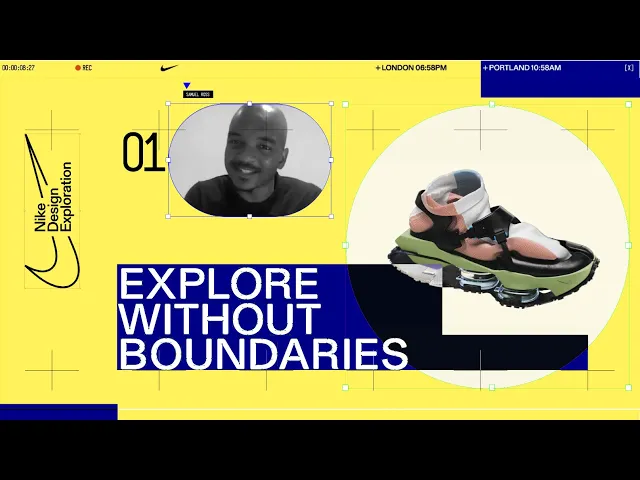
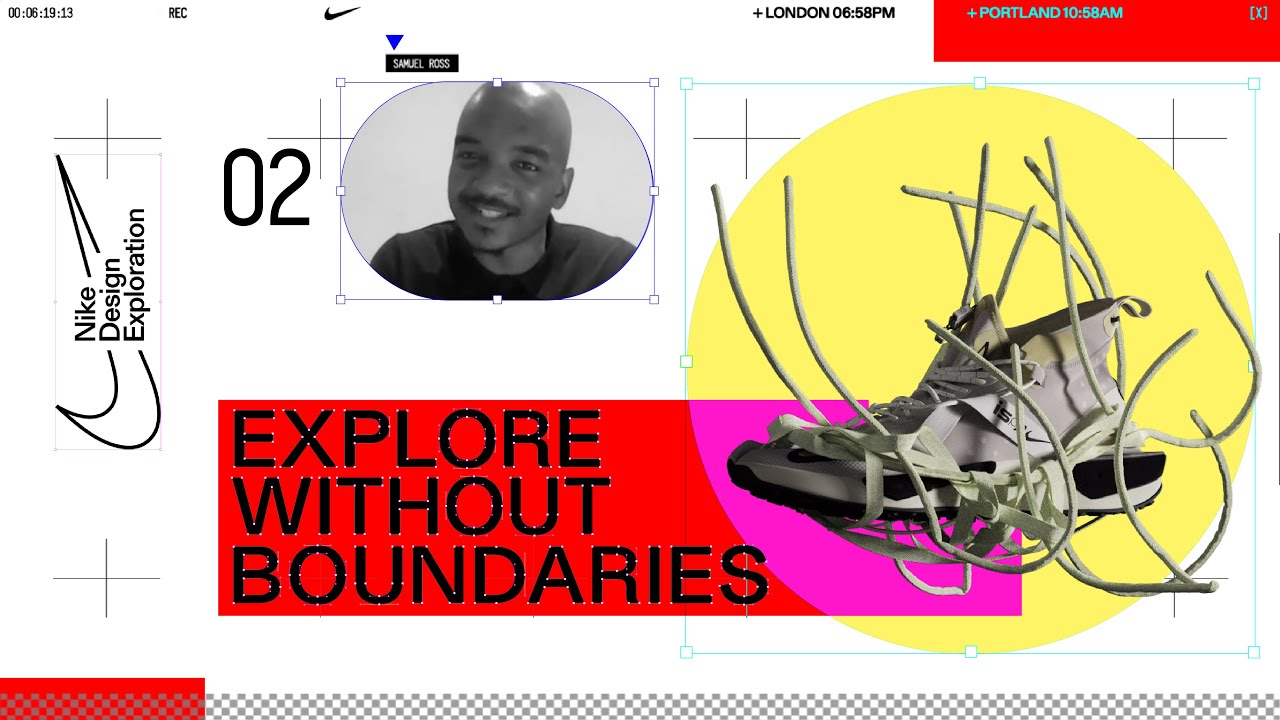
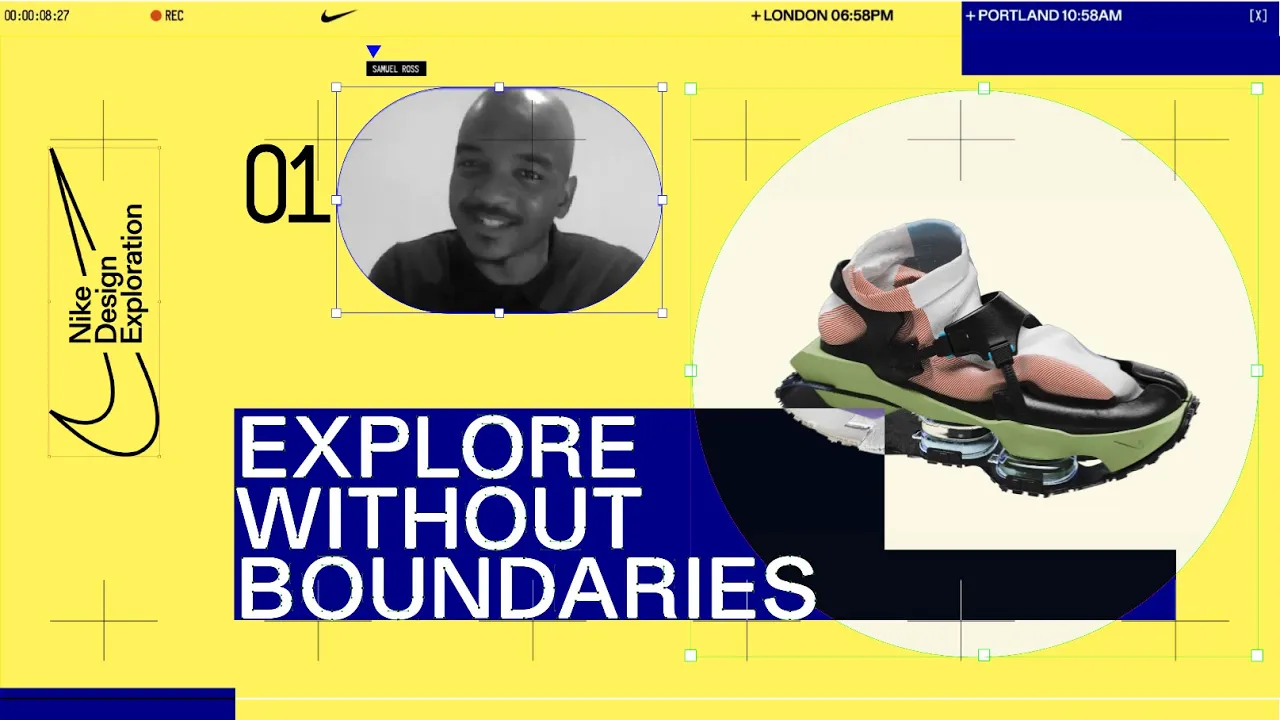
It's Samuel Ross. Founder of A-Cold-Wall. Welcome to the first episode of Explore Without Boundaries.
A new series that takes you inside Nike Design Exploration. NDE is really about exploring this notion of true creativity, venturing into the unknown and pushing design beyond what is currently established. We spoke to Niek and we spoke to Shamees from the ISPA team.
We also spoke to Wilson who's considered a veteran within the Nike not just solely footwear process, but also within the Nike architectural and industrial design space. Yeah, and I remember at first meeting the two of you and this ISPA concept was like incubation phase. And you were both kind of taking me.
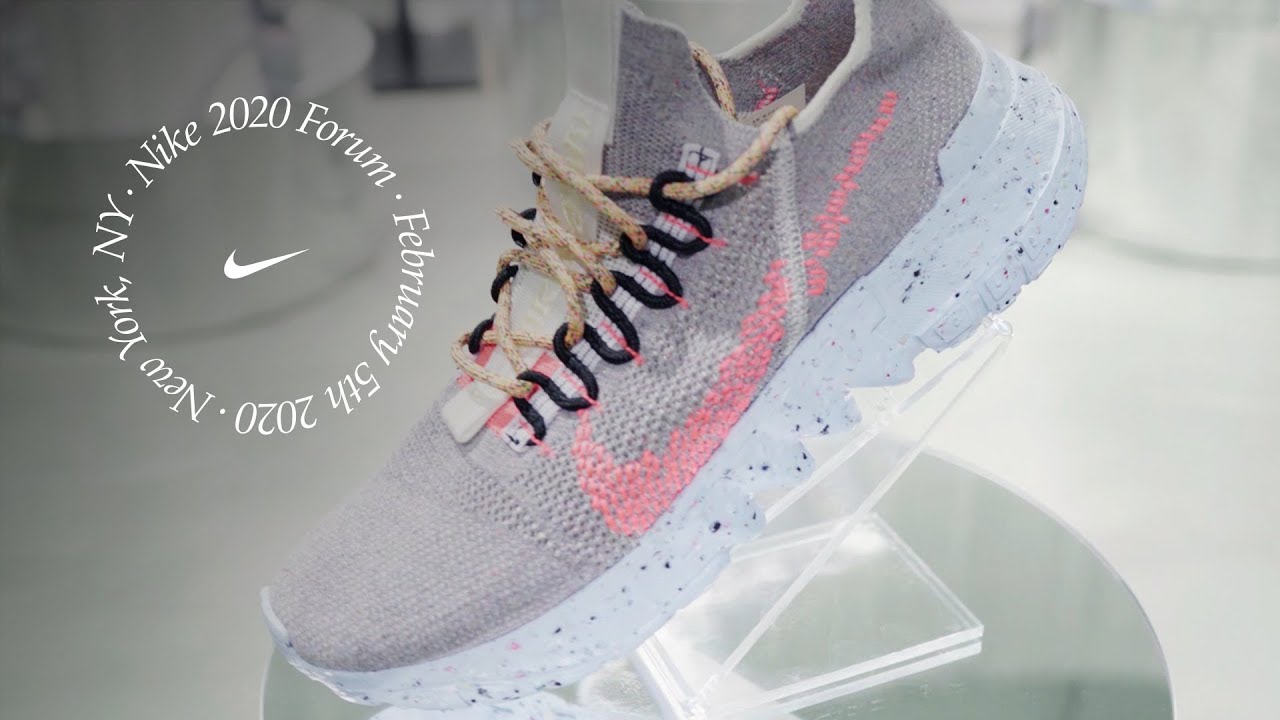
I remember there was this one space and you were showing me all of the prototypes. So on here, I'm assuming we can talk about Road Warrior? It's just a beautiful piece of design and the forms are incredibly lucid to a certain degree and esoteric, but so well refined.
The response that my team gave was the exact same response that my daughter, who is two and a half, gave this afternoon as well. So the response is, "Wow what is this? " Now we’re on the right track, right?
I think also because of the storytelling and the team effort it’s such a loved shoe right now. But there were also a lot of question marks, like what the beep is this, you know? Yeah, yeah.
Because it’s so much, like is it too much? But then again, like, celebrating what we have for me was a very good point as what we do as a team. We celebrate what we find and what we have and like combining it along the way turned out to be this great shoe.
I think what's really interesting is how these technologies are combined together How do you, because it’s a lot in there, in those shoes, and it’s kind of a new hybrid of shoes that are emerging with the Road Warrior. With having that plate, it's totally exposed, showing its really true technology. It's not hidden away.
It's there. It's visible. You can see the inner workings of it, which I think is nice.
We're opening it up. Instead of closing it and hiding away the technology, we're exposing it so people can see it, they can understand it, and they can have their own interpretation of it. So I think that’s whats really interesting is what those shoes kind of probe out to people.
I see you guys together, Shamess and Niek, I see you doing new remixes on a number of things, which is really kind of exciting, those opportunities of kind of building going forward. I like your generational take because I feel like things build on top of each other and there is a lineage. You can look at the heritage or the history of different design movements and how one kind of builds on top of another.
That’s almost the best part, isn’t it? of the design process -- almost throwing concept against concept against concept against the glass wall and you kind of see what sticks, you see what falls off and you learn through that process and you keep going at it again. You can see there’s such a different psyche and philosophy that’s been applied to ISPA from any other form of Nike product that’s come forth.
Can you highlight a little more about what that philosophy kind of looks like? I think our director kind of created a space for different types of people to come from different disciplinary backgrounds, different cultural backgrounds, and. .
. He allowed us to come together and explore these narratives of what we felt like the world is evolving into and that kind of sparked more conversation, and ideas of how we can evolve some of the products that we currently build at Nike and in the Fuel team I really like that whole idea of being unafraid to fail within our team. It's almost as if our team is this safety net.
Failure is good, of course, but actually doing it is the next step. I think we sort of started this idea of how to implement innovation within Nike sportswear, so it started as a full on experiment, and while brainstorming we actually, Shamees, you also came up with this of like bucketing it into four ideas and philosophies. And as a group, we started creating this philosophy around what ISPA is.
Yeah, and I think they’re always ever evolving as well. Like every time we look at those simple words of: Improvise, Scavenge, Protect, and Adapt, we approach them differently through the storytelling. You’re inspiring me a lot with what you’re saying.
But I think what we were doing back in the day is now fully realized today. And so it’s fun to see it transferring over time. It’s interesting, that’s actually a really good juncture, to the next point we wanted to talk about which was regarding like the team.
And having like a fearless team. And having this shared philosophy. Having such a diverse amount of specialists really involved in Nike ISPA.
Definitely. I think that’s the kind of key source for ISPA in that sense. We need to have those kind of diverse experiences and insights and different understandings of words or storytelling.
And I think with that when we all come together to discuss this and build these narratives and build these products together, it’s cool to have a different perspective on it. Design thinking really comes out of a lot of architectural thinking. I think as designers we can see where stories happen that are maybe happening in graphics that are also happening in architecture or even in car design or you look around, even in music.
So a lot of this translates and transfers over. If you both had any predictions on the future of footwear design as a whole, and obviously at Nike as well, do you believe there are any elements at ISPA that are really going to move into the future of footwear design? If there were two or three points you could extract based on a prediction, what do you think they would be?
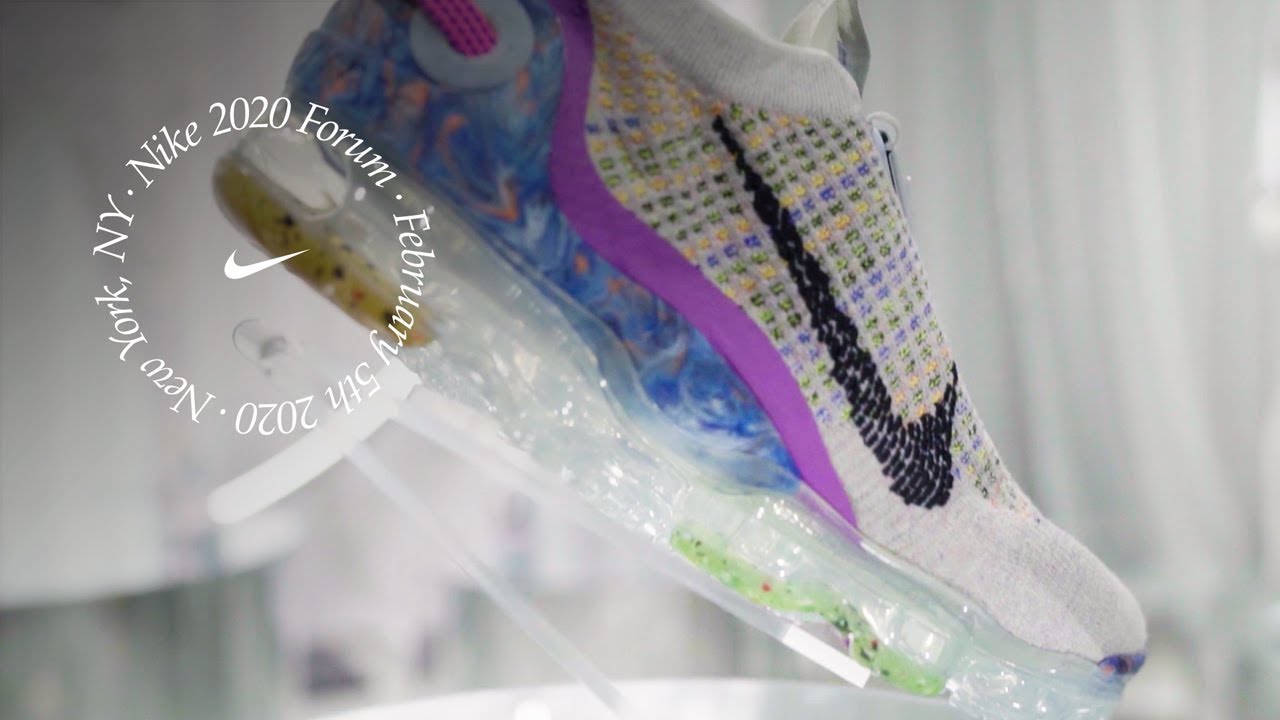
For me, I think I see ISPA being more ecologically minded. I feel like we’re examining the use of materials now. We’re rethinking the lifespan of materials, and incorporating that into the design process.
And I think that that’s an exciting space to go into because some of these biological materials behave in strange ways so we kind of have to embrace the potential of failure, but I think that it’s really an interesting space to explore, and I’m excited by that. If there was any advice that you could give to the future generations regarding design? Be open to being inspired.
If you’re designing apparel or footwear, be open to all the different expressions and genres of design. And so be open to anything from music to art to architecture. Just really be open to all of those to inform what you’re doing.
Trusting the weirdness in you. Believing in that thing that people might call ‘weird’ and that eventually becomes the standard or normal. I think designers and artists have that skill in them, maybe a bit more than others, so try to protect, embrace, and trust it.
I definitely agree with Niek, and what I would add is also: be collaborative. You need it. You need to understand other people’s viewpoints, backgrounds, their experiences.
That will enrich your thinking, your approach to design. I think that’s key. You can’t just think it’s just yourself.
You have to think of yourself as being part of the collective. Some of my closing thoughts from Episode 1. Trial and error is important.
Trial and error is beyond important. Trial and error is essential to the design process. Error doesn’t really exist.
Error is a part of what we do as designers. The reality is amazing work happens when you put yourself into work. When you put yourself through the personal journey When you take your own personal background and experiences, and interests.
That’s when amazing work is truly produced. I’m Samuel Ross. Thanks for watching.