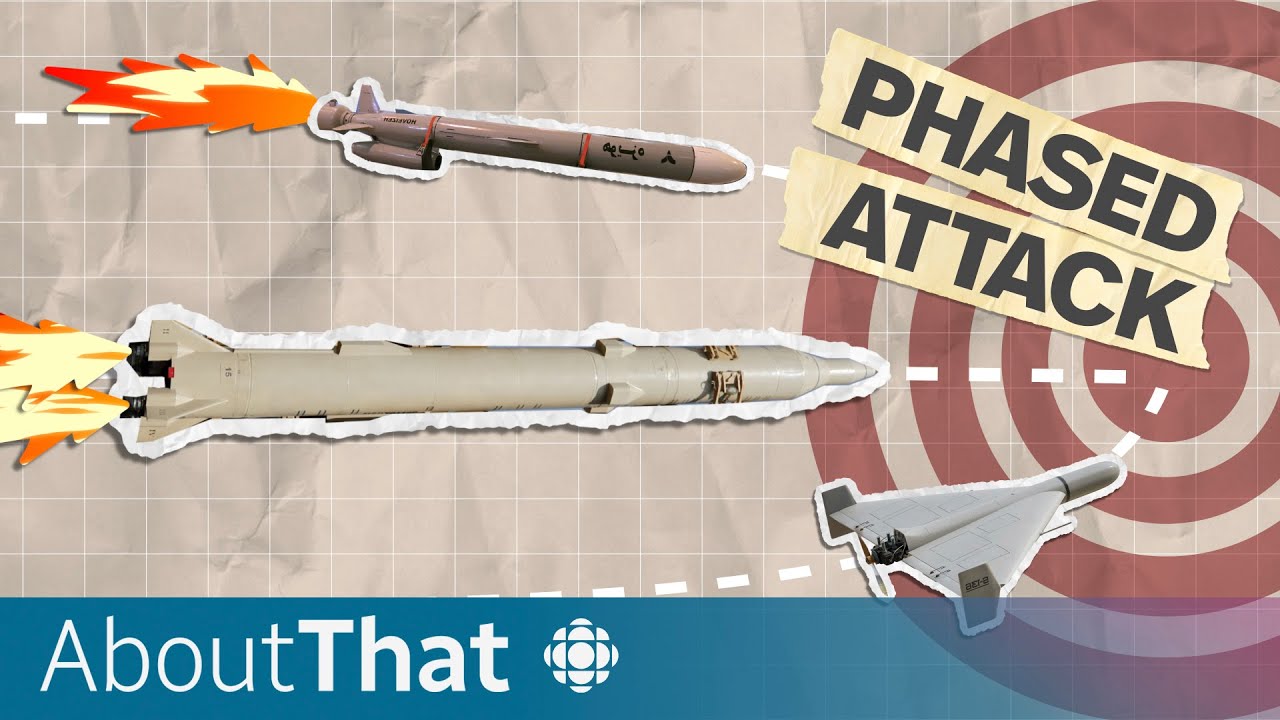
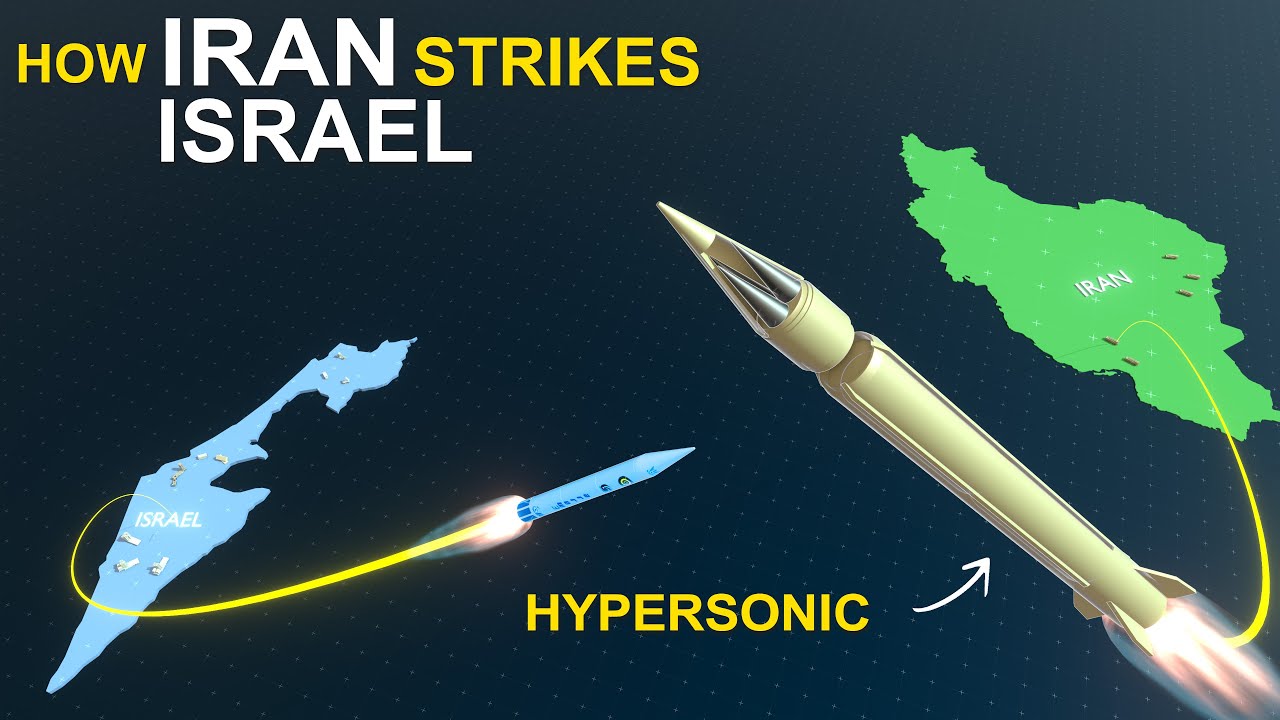
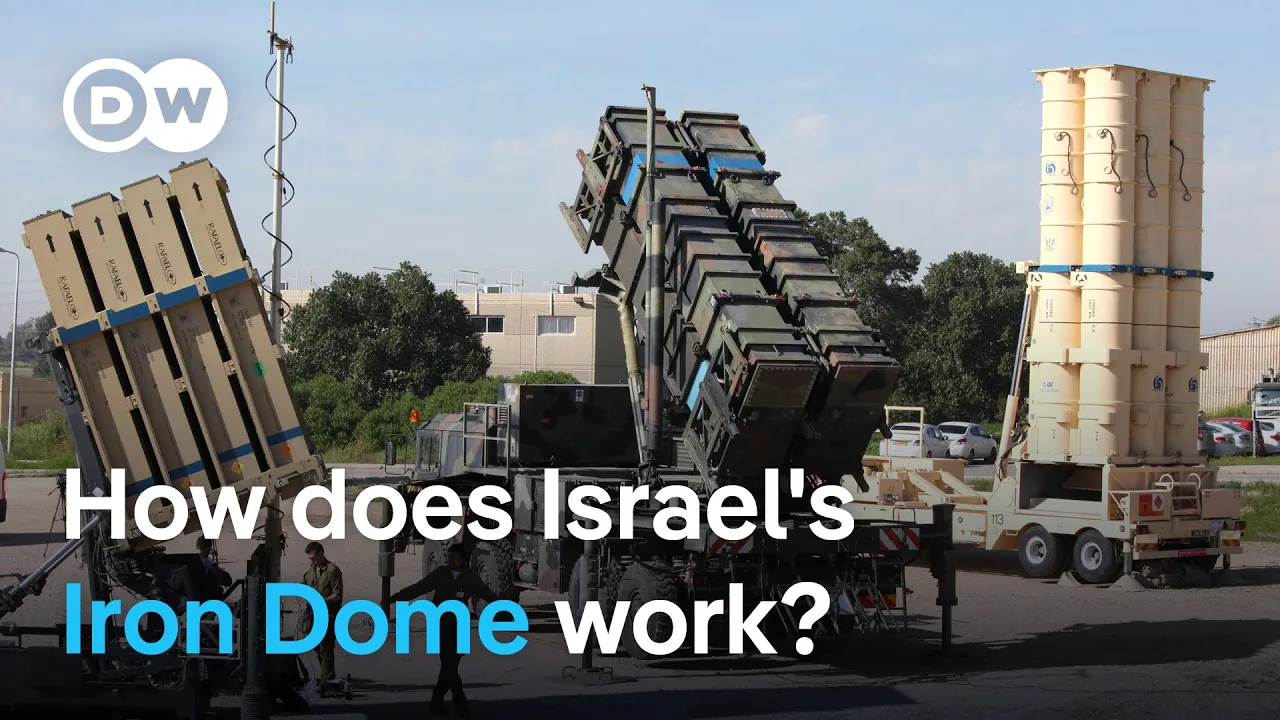
well all this week Israel has been bracing for retaliatory attacks from Hezbollah in Lebanon and from Iran it follows the assassination of terror group leaders in Beirut and Tyron last week Israel is protected by a sophisticated air defense system that it has been developing for decades April 2024 Israel sustains a massive missile barrage from Iran more than 300 drones rockets and miss missiles form a coordinated attack for Israel's air defense systems it's the greatest challenge yet Israel claims it intercepted 99% of those hostile missiles and drones so how does it achieve that kind of success
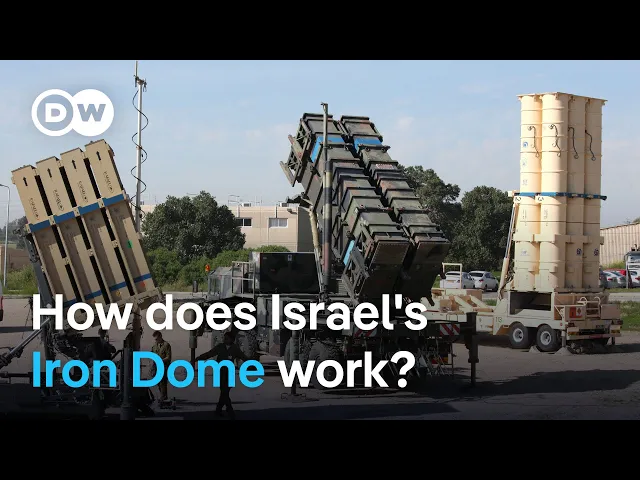
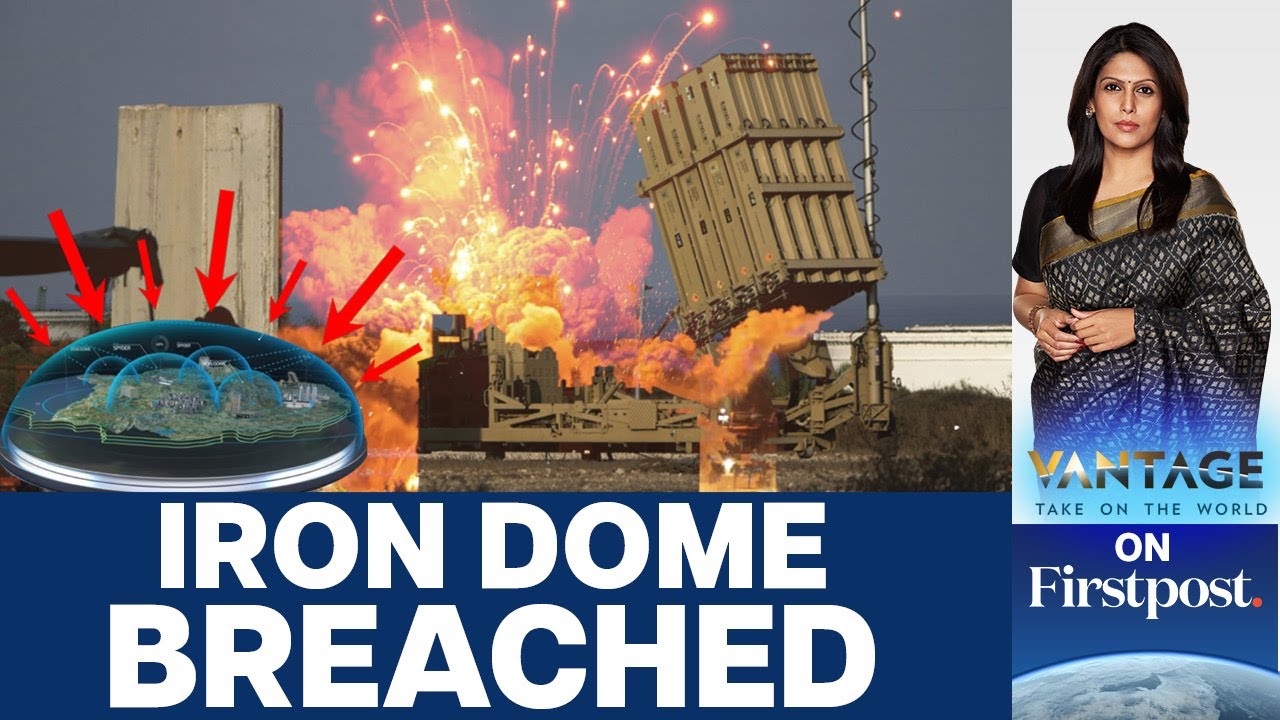
it's down to a multi-layered air defense approach comprising a number of moving Parts in some cases quite literally truck towed missile units form the innermost layer the Iron Dome it tackles short-range threats such as rockets and mortars and was developed with help from the US it has intercepted thousands of rockets since it was instituted in 2011 and Israel claims it has a 90% success rate next comes David's sling for midrange threats that is designed to shoot down ballistic missiles fared from between 40 km to 300 km away again it was developed in collaboration with the
US and the outermost layer is the arrow for the longer range ballistic missiles it operates outside the Earth's atmosphere in space which allows for the safe dispersal of any non-conventional Warheads regardless of the method intercepting Rockets is a costly business the cost of one Arrow intercept a missile is between 2 and $3.5 million according to Media reports 110 of them were used to defend against the Iranian attack suggesting a cost of $385 million the mid-range Rockets from the David sling system are about $1 million each estimates put the cost at 550 million to $1.1 billion
just for the April operation there is another important layer too Israel's Air Force a key part of its defense picture and in addition to all this there are new tools coming online such as the laser powered iron beam set to be integrated into Israel's multi-layered and seemingly successful air defense system well I'm joined Now by air Vice Marshal Shawn Bell he's a former pilot in the UK's Royal Air Force and is now an adviser at Universal defense and Security Solutions in London Mr Bell it's good to have you with us this evening you know I
think everyone is looking at this situation and asking them if there is an attack by air against Israel will the Iron Dome be enough to protect the country what do you say yeah good evening Brent um well the iron D alone won't be enough um but the layered system of defenses you got to remember Israel is the dominant military force in the region um it's on the 13th of April it sustained that massive wave of attacks and managed to repel most of them and it's therefore it's tried and tested in terms of its systems I
would say though what we've got to be careful of here here is that the Iron Dome for example you you mentioned is very very capable but most these systems only have so many missiles available at one time and you can Deluge um fire literally thousands of missiles at the system and actually overcome it the great thing about the Iron Dome is it differentiates it only looks at the missiles that are going to strike builtup areas and any that are just going to go into the desert it ignores so Israel's got a very comprehensive system but
it won't just be about Israel repelling this attack uh as we saw on the 13th of April when Iran put that massive wave of attacks in Coalition efforts were also very important which include the Royal Air Force the United States Air Force and others all helping protect Israel's Skies yeah the Pentagon says it expects any Iranian retaliation to follow a similar game plan to the attacks that we saw April 13th of this year perhaps larger in scope with Hezbollah participating in Leb and we know that Hezbollah has thousands and thousands of rockets that it could
launch so talk to me about the role of Israel's allies if this indeed happens there's two sides to that Brent um one of those is if Iran was serious about hurting Israel it could do that um but it would also know that if it mounted an attack to at that did was effective they killed lots of civilians and um was deemed effective that Israel would be for to respond the situation would escalate and Iran blatantly does not want that to happen at the moment Iran's pride has been hurt because Ishmael hanene has been killed on
its territory and it's been waiting since the 31st of July when that attack occurred in order to work out what to do but it's trying to find a measured response that demonstrates to its internally to Iran that it's serious it's credible but it also wants to avoid precipitating a war with Israel and I think that's one of the reasons why we're seeing a very cautious measured response because if even though on that fateful day on the 13th of April nearly all the missiles were shut down and the only ones that got through to Israel actually
hit a military targets and they were brushed away pretty quickly I think that's seen as a successful attack from Iran because they can show the devastation the large numbers but actually didn't precipitate a regional war and I think that's what why we're seeing this poor and the delay and it'll be very interesting to see how Iran responds but it looks like Israel's had a a dress rehearsal if you like for this on the 13th of April and I have no doubt they will be better more effective at shooting down those weapons if they if the
big Barr comes again well Mr let me ask you about this this dress rehearsal I mean if we look at it from the other way around Iran was able to glean lots of information back in April um about Israeli military positions for example as well as the Alli and what weapons they use to repel that air strike so for Iran April looks a lot like a rehearsal for what is about to happen um in the near future is would you agree with that well yes I mean one of the things about military capability is it's
it's not what you see it's what you don't see um the US and particular the West Prides itself on its technology being its asymmetric advantage and I suspect that Iran would have hoped that most of its missile systems would have been more effective uh in April than they were what's fascinating is that Russia has also been delivering uh surface to surface missile systems and air defense systems to Iran but there's been lots of speculation that because these systems are meant to be state of thee art Russia claims they are undefeatable and yet Ukrainian forces in
Ukraine have been defeating them so it'll be really interesting to see whether Russia's supplies of missiles that Iran is allowed to use those and even if it does the West will learn a lot about Russia's military capability if they're used so bluntly Iran is not well known for having a high-end military capability it almost certainly uh shot its bolt um in in April and we very concerned to make sure that it doesn't give away all its state secrets and its capability uh in one shot Sean Bell with universal defense and Security Solutions Mr Bell we
appreciate your time and your analysis tonight thank you welcome rent Mark kenian is a retired US Marine Colonel and Senior advisor at the center for strategic and International Studies welcome to DW Israel's iron doome defense system can be overwhelmed at times how often does that happen though it doesn't appear to have happened very often during the uh conflict with Hamas Hamas fired hundreds of missiles Israel was able to inter almost all of them it hasn't run out same with Hezbollah and same with the attacks in April it's important to keep in mind that this is
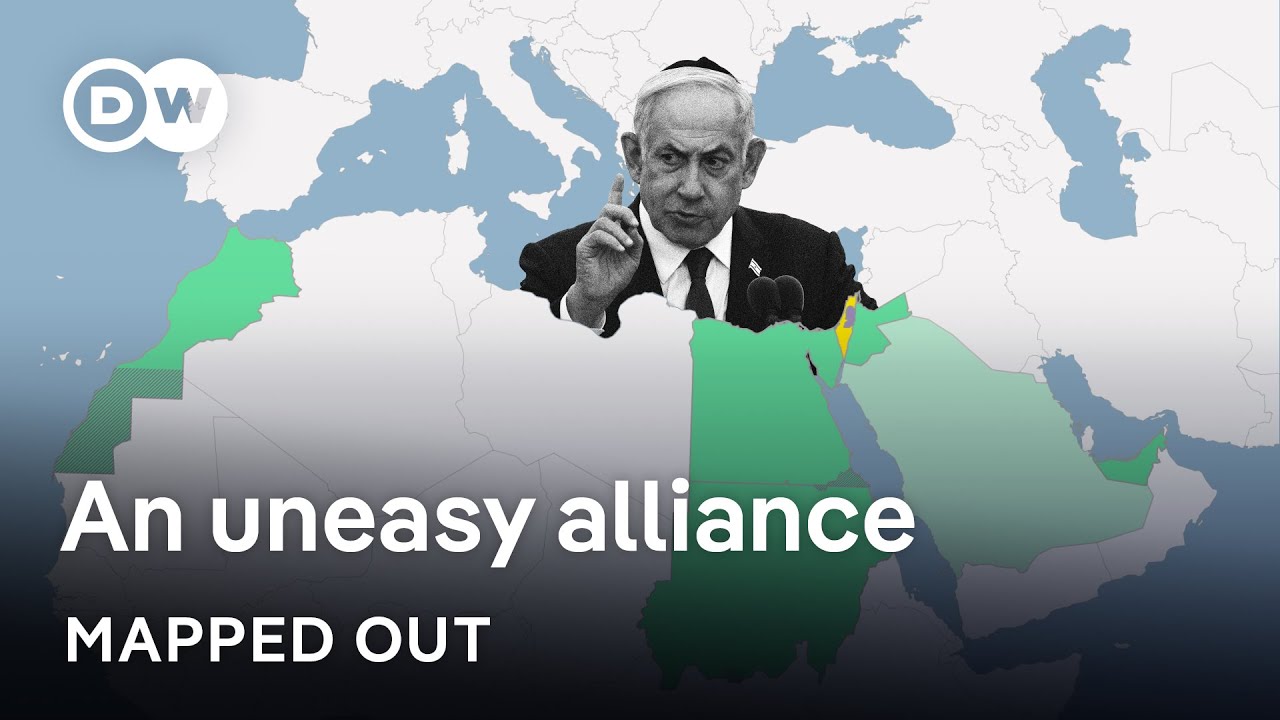
only one part of the Israeli defense system as we just heard there were two other parts plus there's the Air Force and it's also important to keep in mind that the United States is involved United States has ships offshore they participated in defending Israel in the last attacks in April uh and would participate in defense on any future attacks so is the the bigger concern here uh Regional support as well as us support I mean what happens if uh Israel doesn't have the added support of regional powers like Saudi Arabia and Jordan they're not really
dependent on Saudi Arabia uh but they do want to uh maintain ties ofi Saudi Arabia because they don't want this war with Hamas to become a regional War Hamas has been trying since the very beginning to make this not just Hamas versus Israel but a regional war against Israel and so far they have not succeeded uh Hezbollah has participated some but not extensively of course there a lot of question now about hezbollah's role since Israel has assassinated one of their uh leaders Jordan plays a very quiet role but many of these missiles are flying over
Jordan and they want to avoid that they also recognize that Iran is not a friend of theirs Iran uh would uh overturn their government so they quietly uh provide defense how much have Iran then and its proxies bolstered their weapon systems in recent years well Iran has developed this full spectrum of capabilities short range missiles all the way up to uh ballistic missiles so it has become increasingly sophisticated the proxies domestically indigenously just build very crude Rockets we've seen that with Hamas for example and also with Hezbollah the problem is that Iran sends some of
its more sophisticated missiles to uh its proxies uh and then they use these missiles we've seen that particularly with the uies who have used Iranian missiles to attack shipping in uh the Red Sea um there have been reports just this week of uh Russia um supposedly uh supplying Iran with new systems um can we can we expect some sort of change in Dynamics in the region because of um various countries support well longer term there's a concern that Russia will provide uh technical assistance to Iran allow them to build more effective more deadly uh Rockets
I don't think you're going to see any Russian missiles being fired at Israel uh but longer term you could see Russian components Russian Technologies employed Russia has talked with Iran about providing some air defense missiles some defensive systems um and that's possible but those would be defensive and while that support is stepped up what about concerns of wearing support from the likes of the US and others uh for those uh Keen to support the Palestinian effort well the United States has been emphatic that it will provide any defensive Aid that Israel needs uh and will
participate in the conflicts defensively ships offshore for example gets controversial when talking about offensive systems because of the effect on civilians we've seen that with Hamas and Gaza a lot of concerns for example about the US providing 2,000lb uh bombs uh but uh for defensive systems I don't think that there'll be any change in us uh policy I can't see in with the center for strategic and international studies thank you very much for chiming in thanks for having me on the show