Nothing the complete absence of anything we humans believe that something has had to exist in order for something else to exist so how did everything start we say it started from nothing but nothing can't just turn into something right in the vast Cosmic expanse where galaxies shine and black holes devour matter there exists a perplexing concept nothing this isn't just a philosophical idea it's a Fundamental part of our understanding of the universe and it's been captivating scientists and thinkers for ages imagine a place in space where there's almost nothing no stars no planets just emptiness
it's a bit like a quiet corner of the universe where the usual rules of physics don't quite work the same way join us on a voyage into this mysterious Cosmic emptiness where we'll encounter the Intriguing depths of space delve into cuttingedge technology And peel back the the layers of the Enigma that is nothing the concept of nothing seems paradoxical and yet it is an essential Concept in the realm of advanced cosmology and science for those who seek to delve into the mysteries of the universe understanding what nothing truly means in the vastness of space is
the first step toward unraveling the enigmatic fabric of the COS MOS at first glance one might Imagine The Emptiness Of space as a pristine vacuum devoid of any matter or energy while this notion captures a certain Simplicity it falls short of the intricate reality we have uncovered through scientific exploration in modern cosmology nothing in space is far from an absolute void instead it is a nuanced and complex terrain that challenges our preconceived notions let's explore this Con concept through the lens of science contrary to Common intuition the vacuum of space Isn't truly empty it is
teeming with Quantum fluctuations a phenomenon in which particles and antiparticles spontaneously come into existence and annihilate each other these fluctuations lend a dynamic and everchanging character to the supposed emptiness space is intrinsically connected to the fabric of SpaceTime as described by Einstein's theory of general relativity even in regions with no visible Mass the presence of massive objects can warp SpaceTime affecting the trajectory of objects nearby when we gaze out into space we can detect the faint echo of the Big Bang itself the cosmic microwave background radiation is a relic of the early Universe a faint
whisper reminding us that space hasn't always been as we perceive it today despite our advances in understanding the concept of nothing in space continues to perplex scientists and philosophers alike Rumors circulate about the possibility of regions where matter density approaches true nothingness but these speculations remain on the fringes of cosmology one intriguing idea suggests that there may be regions in the universe where the density of matter is incredibly low bordering on the void these hypothetical voids if they exist could offer crucial insights into the nature of space itself is empty space truly devoid of All
matter and energy this seemingly straightforward question opens a Pandora's box of scientific Revelations and philosophical ponderings in the realm of conventional wisdom the void of space is often envisioned as a pristine vacuum a Barren canvas without the slightest hint of matter or energy it's an appealing notion that fits neatly into our human understanding of emptiness yet as we delve deeper into the frontiers of Cosmology we discover that real reality is far more intricate and beguiling than we could have ever imagined in the world of quantum mechanics the subatomic realm that governs the behavior of particles
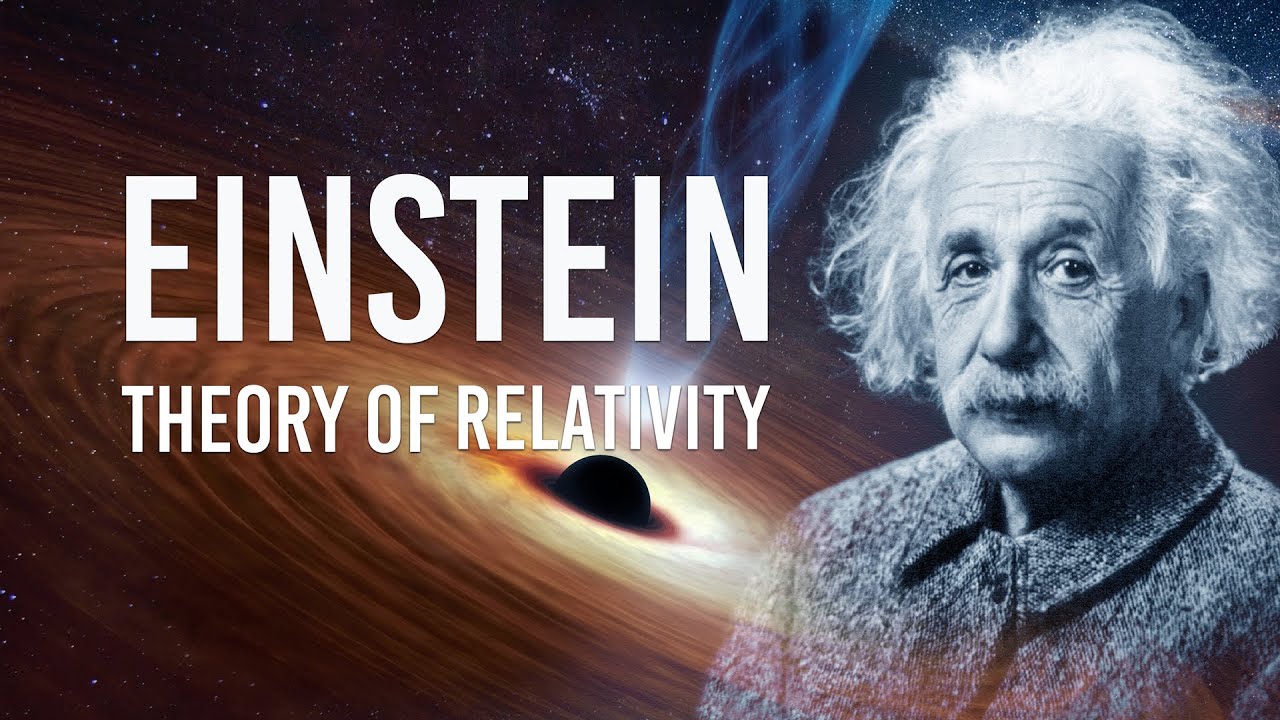
at the smallest scales we find a concept that challenges the very essence of nothing this concept is known as Quantum fluctuations and it tells us that even in the most desolate corners of space particles and anti- particles can Spontaneously come into existence engage in a fleeting dance and annihilate each other in a cosmic blink these minuscule and ephemeral events defy our conventional understanding of emptiness and breathe life into the void creating a dynamic and everchanging canvas moreover the theory of general relativity formulated by The Genius of Albert Einstein teaches us that space and time are
intricately woven into a four-dimensional fabric known as SpaceTime the presence of massive objects such as planets stars or even even black holes can warp this fabric influencing the trajectory of objects nearby in this sense the notion of a completely empty unaltered space becomes an elusive dream how does nothing relate to the enigmatic presence of dark matter and what does it unveil about the universe's intricate tapestry to tackle this Cosmic puzzle we Must first grapple with the essence of Dark Matter itself unlike ordinary matter which makes up stars planets and galaxies Dark Matter remains hidden from
our senses betraying its presence only through the gravitational forces it exerts in essence it is the ultimate embodiment of nothing in the sense that it eludes direct observation and defies traditional descriptions of matter dark Matter's existence became apparent through the observation of galaxies and Their movements the gravitational pull exerted by visible matter alone couldn't account for the observed Behavior of these galaxies to bridge this Gap scientists proposed the existence of an invisible intangible substance dark matter that fills the cosmic voids and binds galaxies together this enigmatic nothingness of Dark Matter challenges our conventional understanding of
emptiness it cloaks itself in invisibility and yet holds the Cosmic reins shaping the very structure of the universe it is a prime example of how nothing can be scientifically significant and profoundly influen itial within the cosmic web Dark Matter forms vast filaments and Halos creating the scaffolding upon which galaxies and Galaxy clusters assemble without the presence of dark matter the universe as we know it would look drastically different the cosmos would lack the gravitational glue necessary to form the Celestial bodies that have captivated human imagination for eons The Big Bang Theory posits that the universe
as we know it began as a singularity a point of infinite density and temperature approximately 13.8 billion years ago it was a moment of cosmic Inception an event where the fabric of space and time itself was born from what might be considered nothing in conventional terms but how does this Theory which describes the explosive Birth of our universe relate to the concept of nothing to understand this we must first grasp the nature of the singularity at the moment of the Big Bang The Singularity represents a state where the laws of physics break down it is
a point of infinite density and zero volume defying our usual understanding of matter and space in this sense The Singularity can be seen as a manifestation of nothingness a point where the universe was devoid of its Familiar structure and dimensions however this apparent nothingness was brimming with potential as the universe expanded from this Singularity it underwent a rapid phase of inflation during which space itself stretched exponentially in the blink of an eye the universe transformed from a state of cosmic nothingness to a seething cauldron of energy particles and the fundamental forces that govern our Reality
during the initial moments of the Big Bang the universe was incredibly hot and dense resembling a primordial soup of particles and radiation in a fraction of a second it underwent a series of Transformations including nucleosynthesis where the first atomic nuclei formed this Cosmic Evolution ultimately led to the emergence of stars galaxies and the intricate structure we observe in the cosmos today in this context the concept of nothing takes on A dynamic and evolving character it is not a stagnant void but a canvas upon which the universe paints its own story a story that began with
the explosive birth of the cosmos does the vacuum of space contain any particles or Fields the question of whether the vacuum of space truly constitutes emptiness devoid of particles or Fields is a Cornerstone of advanced cosmology at first glance we might be tempted to Envision the vacuum of space As an empty void a vast expanse devoid of matter or energy yet as we delve into the profound world of quantum mechanics we encounter a remarkable Revelation the vacuum is not as vacant as our classical intuition suggests quantum mechanics the framework that governs the behavior of particles
at the smallest scales reveals a realm of extraordinary activity within the supposed emptiness of space here the vacuum is far from Silent it teams with What scientists refer to as Quantum fluctuations these fluctuations are like the subtle ripples on the surface of a tranquil Pond except they manifest at the subatomic level Within These Quantum fluctuations particles and their antiparticles engage in a fleeting and ephemeral dance of existence they spontaneously emerge from the vacuum only to collide and annihilate each other in a brief Cosmic ballet these transitory events defy our classical Understanding of emptiness and unveil
a dynamic and everchanging tapestry within the vacuum furthermore the vacuum of space is not merely a passive backdrop but an integral player in the cosmos it hosts fields that govern the fundamental forces of the universe such as the electromagnetic field these fields extend throughout space permeating even regions we might perceive as empty in the realm of advanced cosmology it Becomes evident that the vacuum of space is far from a true void it is a dynamic Arena where the boundary between nothing and something blurs the vacuum is alive with the quantum fluctuations of particles and Fields
challenging our our preconceived notions of emptiness moreover this concept has practical implications scientists harness the energy inherent in these Quantum fluctuations through a phenomenon known as the Casmir effect When two parallel conducting plates are placed close together in a vacuum they experience a minuscule but measurable attraction due to the suppression of certain vacuum fluctuations between them this effect though subtle demonstrates the tangible consequences of the nothing within the vacuum what role does Dark Matter play in the idea of nothing in the universe Dark Matter this elusive substance which constitutes a significant portion of the universe's
Mass weaves an intricate tale of nothingness and the profound impact it wields in the cosmos Dark Matter unlike the familiar matter that makes up stars planets and galaxies remains invisible to our senses it refuses to interact with with light rendering it undetectable through conventional observations yet its gravitational presence is undeniable exerting a powerful influence on the cosmic stage this paradoxical nature Makes Dark Matter a prime candidate for exploring the role of nothing in the universe in the vast Cosmic web where galaxies cluster like jewels in the night sky dark matter forms the hidden scaffolding that
underpins the visible Universe it occupies the Cosmic voids and weaves invisible threads that connect galaxies serving as the cosmic glue holding them together this connection between galaxies would be impossible without the presence of Dark Matter a substance that remains concealed within the fabric of space dark Matter's role becomes even more intriguing when we consider the cosmic dance of galaxies as they spin within Galaxy clusters the gravitational pull of visible matter alone would not suffice to keep them from drifting apart it is the Invisible Hand of dark matter with its immense gravitational influence that prevents these
galaxies from dispersing into the cosmic voids in this Sense Dark Matter transforms the apparent nothingness of space into a dynamic stage upon which galaxies perform their Celestial ballet moreover the idea of nothing takes on New Dimensions when we examine the Cosmos on the largest scales computer simulations and observations reveal vast cos mic filaments like tendrils of an intricate Cosmic web where Dark Matter concentrates these filaments guide the flow of ordinary Matter orchestrating the formation of galaxies and the distribution of cosmic structures on a grand scale in these seemingly empty spaces dark matter is the architect
shaping the very framework of the universe the role of dark matter in the concept of nothing transcends mere emptiness it is a reminder that within the cosmic voids and the apparent vastness of space there exists an invisible yet powerful presence that Influences the fate and structure of the cosmos Dark Matter beckons us to contemplate the profound interplay between nothingness and the hidden forces that sculpt the universe underscoring that even in the most seemingly empty regions of the cosmos there is much more than meets the eye can space ever truly be empty the answer lies in
the enduring Whisper of cos mic background radiation a phenomenon that challenges our concept Of absolute nothingness cosmic background radiation often referred to as the cosmic microwave background cmbb serves as an indelible Relic from the earliest moments of our universe it is the Afterglow of the Big Bang itself a cosmic Echo that reverberates through the cosmos and a testament to the enduring Legacy of the primordial explosion that birthed our universe to understand the connection Between nothing and cosmic background radiation we must Journey back in time approximately 13.8 billion years ago at that moment of cosmic Inception
the universe was a seething cauldron of energy and matter unimaginably hot and dense photons the particles of light were continuously emitted and absorbed in a turbulent dance creating a blinding opaque fog that obscured the universe's contents as the universe expanded and cooled approximately 380,000 years after The big bang a remarkable transformation occurred the cosmos transitioned from a state of near infinite energy and density to one of relative Tranquility photons once tightly entangled with matter gained the freedom to Traverse space without constant interaction this Cosmic Milestone is known as recombination the photons now free from the
shackles of matter embarked on a Timeless Journey Through the ever expanding Universe today we perceive Them as the cosmic microwave background radiation a faint glow of microwave radiation that fills every corner of the cosmos it is as though the universe carries within it a silent memory of its fiery birth this background radiation which bathes the cosmos at a frigid temperature of approximately 2.7 de above absolute Z - 44.81 de F or - 270. 39° c is a Testament to the notion that space can never truly be empty even in the most desolate and remote regions
of the universe the echo of the Big Bang persists the discovery of the cosmic microwave background radiation in 1965 by Aro penzias and Robert Wilson marked a pivotal moment in our understanding of the universe's history it provided did compelling evidence for the Big Bang Theory and confirmed the existence of a cosmic framework that extends far beyond The visible matter in the universe so when we Ponder whether space can ever truly be empty the cosmic background radiation serves as a resounding reminder that even in the apparent voids of the cosmos traces of its vibrant past endure
how do Quantum fluctuations challenge the notion of absolute nothingness at the quantum scale where particles and forces engage in a ballet of probabilities nothingness becomes a Dynamic and vibrant Arena quantum mechanics the branch of physics that governs the behavior of particles at the smallest scales reveals a fundamental truth even in the absence of matter or energy the vacuum of space is far from empty Quantum fluctuations like the gentle ripples on the surface of a Serene Pond are the essence of this Cosmic activity in the seemingly empty vacuum of space particles and their antimatter Counterparts spontaneously
come into existence fleetingly forming and annihilating in a dance of creation and Annihilation these ephemeral events are governed by Heisenberg's uncertainty principle which allows particles to momentarily defy the constraints of nothingness springing forth from the void before fading back into it these Quantum fluctuations challenge the very notion of absolute nothingness for they imbued the vacuum with a palpable energy And vibrancy it's as though the vacuum possesses a latent Vitality where particles manifest from nothing and return to nothing leaving behind a subtle imprint on the fabric of space Quantum fluctuations Are Not Mere theoretical abstractions they
have practical consequences impacting the behavior of particles and Fields at the quantum level for instance they give rise to the phenomenon of vacuum energy a form of energy inherent in the vacuum Itself this vacuum energy is thought to play a role in The Accelerated expansion of the universe as observed through Cosmic measurements moreover Quantum fluctuations have tangible effects on the behavior of particles affecting the predictions of quantum field theories and the behavior of subatomic particles in laboratory experiments these fluctuations are responsible for phenomena like the Kazmir effect where two closely spaced parallel plates Experience a
minuscule but measurable attraction due to the suppression of certain vacuum fluctuations between them are there regions in space where the density of matter is extremely low approaching nothing to answer this we must first recognize the astonishing diversity of cosmic Landscapes our universe is a tapestry woven with the fabric of matter and energy an intricate web of galaxies stars and Celestial phenomena yet amidst This Cosmic Grandeur we find Regions where the density of matter dwindles to levels that defy our terrestrial intuition one such realm is the vast Cosmic voids expansive seemingly empty Pockets within the cosmic
tapestry in these voids galaxies are scarce and the density of matter is significantly lower than in the bustling Galactic neighborhoods these colossal voids stretch for millions of light years and to a casual Observer they might appear As Cosmic deserts approaching a state of nothingness however the reality is more complex even in these vast voids where galaxies are sparse there still exists a faint trace of matter individual galaxies Cosmic dust and the Ethereal presence of Dark Matter Dark Matter a mysterious substance that constitutes a significant portion of the universe's Mass exerts its gravitational influence even in
the emptiest of regions weaving An Invisible Thread through the voids on a larger scale the universe itself is expanding standing and this expansion has profound implications for the concept of nothing as galaxies move away from one another due to the universe's expansion regions that were once teeming with matter become more sparsely populated the density of matter in these regions decreases over Cosmic time approaching a state that could be perceived as nothingness compared to the Densely populated regions of the cosmos yet even in the most sparsely populated Cosmic expanses there remain s a subtle presence photons
of light traveling across the cosmos Cosmic microwave background radiation and the faint Whispers of primordial particles these traces while exceedingly faint persist reminding us that even in the most remote and vacant reaches of the universe nothing is a concept that is difficult to Define with absolute Certainty is there a connection between the concept of nothing and the expansion of the universe the notion of nothing intertwines with one of the most profound Cosmic phenomena the expansion of the universe this connection unveils a mesmerizing tale that captivates our imagination and reveals the intricate interplay between the concept
of emptiness and the evolution of the cosmos our journey begins with a fundamental realization the universe is Not static but Dynamic galaxies like Celestial islands are not fixed in space instead they are In Perpetual Motion steadily drifting apart from one another this Cosmic choreography known as the expansion of the universe is a key piece of the puzzle that links the concept of nothing to the vast Cosmic expanse the story of this connection unfurls as WE peer into the distant past approximately 13.8 billion years ago the universe experienced an event of Monumental significance the Big Bang
it marked the explosive birth of our Universe from a singularity a point of infinite density and temperature at that precise moment the universe was devoid of the structures and matter we observe today it was in a sense a state of cosmic nothingness as the universe erupted into existence it was unimaginably hot and dense a seething cauldron of energy and radiation in the early moments particles And forces engaged in a cosmic Symphony that defies our terrestrial comprehension however as the Universe expanded it began to cool entering a phase known as recombination approximately 380,000 years after the
big bang during recombination a transformative event occurred at this juncture the universe's temperature dropped sufficiently for electrons to combine with protons forming the first Hydrogen atoms this marked the transition from a plasma of charged particles to a neutral transparent gas the ca Cosmos became for the first time a place where light could Traverse space without continuous scattering this transition holds the key to understanding the connection between nothing and the expansion of the universe it allowed light to travel freely through space carrying with it the earliest photons the cosmic Microwave background radiation today these photons permeate
every corner of the universe serving as an enduring relic of the Big Bang the cosm microwave background radiation is in essence a snapshot of the universe's past a time capsule from an era when the cosmos was a seething sea of energy and matter its existence and the fact that we can observe it highlights the profound connection between the concept of nothing at the universe's Inception and The ongoing expansion of the cosmos how does the concept of nothing in space relate to the formation of galaxies and stars to comprehend this connection we must first consider the
primordial state of the universe moments after the big bang a cataclysmic event that marked the universe's birth approximately 13.8 billion years ago at that instant the cosmos was a scorching hot rapidly expanding sea of energy and fundamental particles a state Of extreme density and temperature but as the universe continued to expand and cool gravity emerged as a dominant Force giving rise to the formation of structures these structures began as Tiny fluctuations in the density of matter within the universe's early soup of particles these fluctuations though minuscule carried profound implications for the future as the universe
aged gravity gently pulled matter together in regions where these Fluctuations were slightly denser than their surroundings over eons these regions grew forming the cosmic scaffold for Galaxies it's as though the seeds of galaxies were sewn in the fabric of space itself within the apparent nothingness Within These primordial structures gas and dust gradually accumulated coalescing into immense clouds of matter the Relentless pull of gravity caused these clouds to condense further leading to the birth of stars in The hearts of these newborn Stars nuclear fusion ignited bathing the cosmos in the warm glow of Starlight galaxies each
containing billions or even trillions of stars formed as Cosmic cities within the vast Cosmic voids these galaxies ranging from the elegant spirals to the enigmatic ellipticals became the epicenters of cosmic activity their gravitational interactions shaping the very Destiny of the Universe the concept of nothing in space far from representing emptiness thus emerges as a canvas upon which the magnific ENT tapestry of galaxies and stars is woven it is the vastness between Cosmic structures that allows these entities to exist in fact without the apparent nothingness of space galaxies and stars would not have the cosmic stage
on which to perform their Celestial ballet the connection between nothing and the formation of galaxies And stars underscores the intricacy of the cosmos where emptiness is not a void but a necessary backdrop against which the cosmic narrative unfolds does the absence of matter in certain parts of space contribute to the creation of black holes black holes often described as Cosmic abysses from which nothing can escape are born through a complex interplay of gravity and the absence of matter these enigmatic celestial objects Have long captured the imagination of astronomers and scientists serving as portals to the
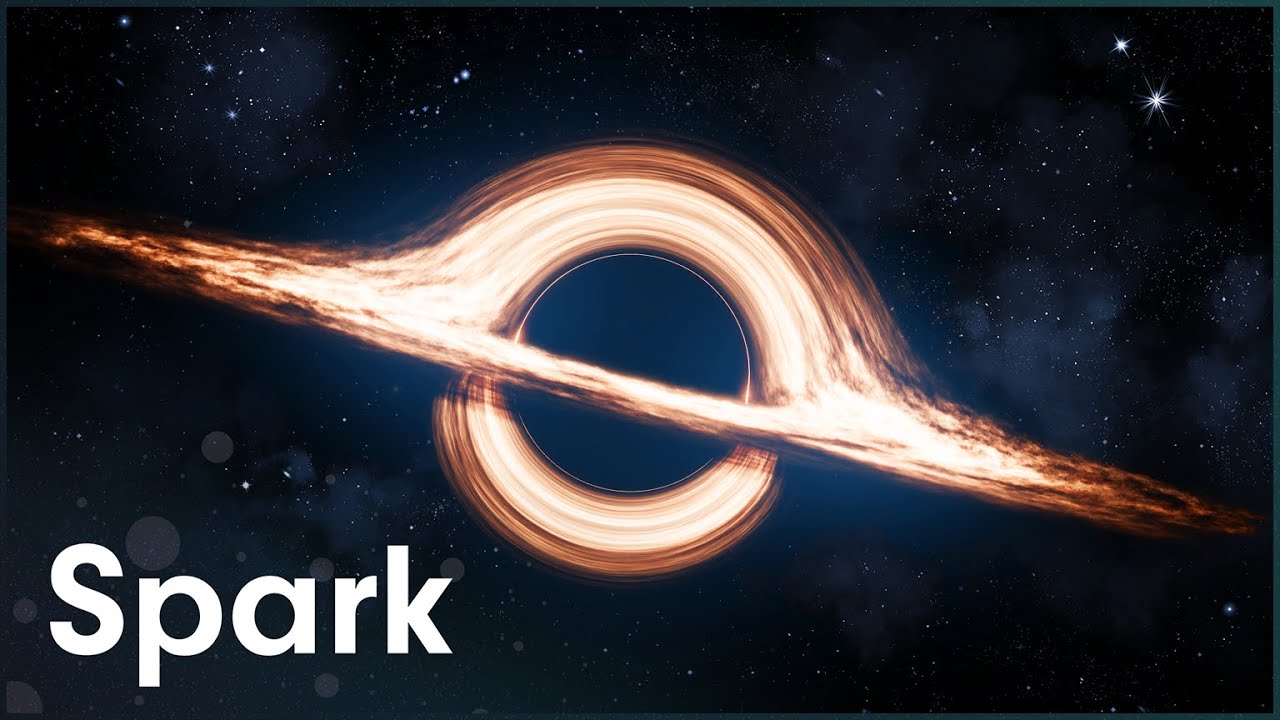
heart of advanced cosmology the journey to understanding the connection between nothing Ness and black holes begins with massive stars stars those brilliant beacons of the night sky have a finite lifespan when a massive star reaches the end of its nuclear fuel it undergo a cataclysmic event known as a supernova the core of the star collapses under the force of Gravity creating an incredibly dense and compact region in this Stellar death throws if the core Mass exceeds a critical threshold it cannot withstand the Relentless pull of gravity in an instant the core implodes condensing into an
infinitesimal point of infinite density an event known as gravitational collapse in this moment nothingness becomes a cosmic Crucible for the birth of a black hole as the core collapses it forms a Region of such intense gravity that not even light can escape its clutches this point of no return is known as The Event Horizon and it marks the boundary between the observable univ universe and the Mysterious Realm of the black hole black holes come in various sizes from Stellar Mass black holes formed from the remnants of massive stars to super massive black holes which reside
at the centers of galaxies and contain millions or even billions of times the mass of Our sun the process of their formation however remains rooted in the absence of matter in regions of space where matter is scarce such as the voids between galaxies the conditions for the formation of black holes become less frequent but not impossible Stellar collisions and interactions in these desolate regions can lead to the formation of massive stars setting the stage for future black hole birth moreover the vast Cosmic Landscape Offers ample opportunities for the birth of super massive black holes these
behemoths are thought to form over Cosmic epochs as matter accretes onto them gradually building their colossal Mass are there philosophical debates surrounding the idea of nothing in space and its implications the philosophical debates surrounding nothing in space are reminiscent of age-old inquiries into the nature of existence the origins of the universe and the very essence of Reality at the heart of these debates lies the fundamental question can nothing truly exist or is it merely a conceptual void that our minds conure to Grapple with the ABS of matter and energy one perspective posits that nothing in
space is not an empty void but rather a complex tapistry of quantum fluctuations subtle ripples in the fabric of SpaceTime and the residue of cosmic phenomena in this view even the most seemingly empty regions of the Cosmos are teeming with Quantum activity challenging the notion of a true void conversely another philosophical Viewpoint suggests that nothingness represents the absence of existence itself a concept beyond the grasp of human comprehension it raises questions about the very nature of nothing and whether it can be defined or Quantified scientifically these philosophical debates extend to the implications of nothing in
space they prompt us to Consider the role of nothingness in the grand Narrative of the cosmos does the apparent emptiness of space serve as a canvas upon which the universe paints its intricate story or is it a Cosmic void that invites us to contemplate the boundaries of human understanding moreover the concept of nothing in space intertwines with age-old inquiries into the existence of extraterrestrial life and the potential habitability of distant planets philosophers and Scientists Ponder whether regions of apparent Cosmic nothingness could Harbor life beyond our planet raising profound questions about the nature of life itself
how has our understanding of of nothing in the cosmos evolved over time through scientific discoveries and theories the concept of nothing was often intertwined with philosophical and Theological musings veiled in the Mystique of the heavens the skies held a sense of permanence and order with Little room for the idea of cosmic emptiness however as the Scientific Revolution dawned Humanity's gaze shifted from the realm of the abstract to the empirical pioneering astronomers like galile galile turned their telescopes to the heavens revealing a cosmos teeming with celestial bodies this newfound observational Precision shattered the ancient perceptions of
a universe devoid of activity as the 20th century ushered in A new era of scientific inquiry the concept of nothing in the cosmos underwent a remarkable transformation the development of Relativity Theory by Albert Einstein and quantum mechanics by Max Plank and others brought forth revolutionary insights Einstein's equations unveiled the dynamic nature of SpaceTime while quantum mechanics illuminated the quantum fluctuations that permeate even the most seemingly empty regions of Space one of the pivotal moments in the evolution of our understanding of nothing came with the discovery of the cosmic microwave background radiation in 1965 arop penzias
and Robert Wilson stumbled upon this faint Afterglow of the big bang a mic Echo reverberating through the cosmos it provided compelling evidence for the Big Bang Theory and reshaped our perception of the early Universe subsequent advancements such as The development of the inflationary universe theory proposed by physicist Alan Guth in 1980 further expanded our comprehension of the cosmos this Theory posits that the Universe underwent a rapid and exponential expansion in its early moments offering a compelling explanation for The observed large scale structure of the universe moreover the study of dark matter and dark energy two
mysterious components that make up the majority of The universe's mass and energy has deepened our appreciation of nothingness in the cosmos these invisible enigmatic entities exert their gravitational influence shaping the fate of the universe and challenging our understanding of emptiness today our understanding of nothing in the cosmos is marked by a profound appreciation for the intricate dance between the visible and the invisible the known and the Mysterious Advanced cosmology has led us to recognize that even in the most remote regions of space traces of cosmic activity persist from Quantum fluctuations to The Echoes of the
Big Bang what does nothing look like or feel at first glance it may seem paradoxical to consider the appearance or sensation of nothing for it inherently implies the absence of any perceivable qualities yet within this Paradox lies a profound Avenue for Exploration and contemplation in the cosmos the concept of nothing often conjures images of vast dark voids where the absence of matter and energy creates an apparent emptiness these Cosmic voids stretching across millions of light years might evoke a sense of solitude and silence a vast expanse where the universe appears to be absent yet this
apparent emptiness can be deceiving even in the most desolate regions of space there exists a subtle Tapestry of activity Quantum fluctuations the gentle ripples in the quantum fabric of SpaceTime give rise to ephemeral particle antiparticle pairs that momentarily spring into existence and vanish leaving behind a trace of their presence these fluctuations while imperceptible to our senses are a testament to the intricate dance between nothing and the quantum World they remind us that even in the most Seemingly empty spaces the cosmos is alive with activity at the smallest scales challenging our Notions of emptiness from a
philosophical perspective the question of what nothing looks like or feels can lead to introspective contemplation some may argue that the very Act of perceiving or feeling nothing is a paradox as the act of perception presupposes the existence of something to perceive in the realm of Advanced cosmology and science our ability to grasp the concept of nothing requires a delicate balance between empirical observation and Abstract contemplation it beckons us to navigate the boundaries of human cognition and to ponder the limits of our sensory perceptions how does human perception and cognition influence our ability to comprehend the
concept of nothing in the cosmos human perception shaped by our sensory organs plays a pivotal role in Our understanding of the universe we perceive the cosmos through the lenses of our eyes ears and other sensory apparatus which have evolved to interpret the physical world however when it comes to grasping the concept of nothing in the cosmos our senses encounter profound limitations consider the vast Cosmic voids that stretch across the universe seemingly devoid of matter and energy to our eyes these regions appear as Inky Darkness a void punctuated by distant points of Starlight yet this apparent
emptiness belies the intricate Quantum fluctuations and imperceptible activity that occur even in the most desolate reaches of space our senses finally attuned to the terrestrial World struggle to apprehend the subtle Quantum phenomena that underpin the cosmos Quantum fluctuations the ephemeral Al ripples in the quantum fabric of SpaceTime remain beyond the Reach of our perception these fluctuations while minuscule are an integral part of the cosmic tapestry challenging our ability to truly comprehend the concept of nothing cognition the realm of thought and abstract reasoning further complicates our quest to grasp nothingness as we Ponder the nature of
nothing in the universe we find ourselves navigating the intricate landscape of philosophy mathematics and concept ual thinking Philosophical inquiries into nothingness invite us to explore the boundaries of human thought can nothing truly exist or is it merely a conceptual construct how do we reconcile the absence of matter and energy with the persistance of quantum fluctuations and Cosmic forces mathematics a powerful tool for modeling the cosmos offers its own insights into the concept of nothingness in the realm of mathematics zero represents the absence of quantity a numerical Representation of nothing yet even within this mathematical abstraction
we encounter the Enigma of infinity an abstract concept that transcends human intuition how can we use technology to go beyond our own human limits one of the primary ways technology extends our reach is through the development of powerful telescopes and observatories these marvels of engineering serve as Cosmic time machines enabling us to peer back in Time and gaze at distant galaxies stars and Cosmic events they capture light that has traversed the vastness of the cosmos for billions of years offering us glimpses into the universe's distant past take for instance the Hubble Space Telescope a technological
Marvel that orbits above Earth's atmosphere it provides us with breathtaking images of galaxies nebuli and other celestial objects offering insights in into the universe's Grandeur with its Advanced Instruments Hubble has unraveled the mysteries of distant galaxies shedding light on their formation Evolution and the presence of super massive black holes at their centers similarly groundbased observatories equipped with Cutting Edge technology allow astronomers to detect and analyze Cosmic phenomena that elude our unaided senses radio telescopes for instance capture radio waves from Celestial sources unveiling hidden details about the Universe including the cosmic microwave background radiation a relic
of the Big Bang moreover technology empowers us to explore the cosmos through robotic missions and space probes these remarkable instruments Venture into the harsh radiation filled Realms of space where human presence is impossible they gather data capture images and perform experiments expanding our understanding of celestial bodies and their environments one such mission is the Mars rovers which have traversed the Martian landscape examining rocks soil and the planet's geology these robotic explorers have become our eyes and hands on another planet transmitting valuable data back to Earth and igniting the imagination of millions furthermore the advancement of
supercomputing technology has revolutionized our ability to model and simulate complex Cosmic phenomena these powerful computers crunch vast data sets Allowing us to simulate the behavior of galaxies stars and even the early Universe through simulations scientists gain insights into the intricate dynamics of cosmic structures pushing the boundaries of our knowledge now let's take a closer look at the recently launched James web telescope the James web Space Telescope often referred to as the jwst or web stands as a testament to human Ingenuity and scientific ambition in the the field Of advanced cosmology and space exploration this state-of-the-art
telescope set to rewrite the Playbook of our Cosmic understanding represents a Monumental achievement in both engineering and scientific Endeavor launched on December 25th 2021 aboard an ariani 5 rocket the jwst embarked on its Journey to the second lrange point or L2 located approximately 1.5 million km about 930 ,000 miles from Earth this specific location was Strategically chosen due to its unique properties providing a stable environment largely free from the interference of Earth's atmosphere and the sun's overwhelming glare such conditions are essential for the telescope's Precision observations in the infrared Spectrum a region of light invisible
to the human eye the primary purpose of the James web Space Telescope is to revolutionize our understanding of the cosmos by exploring The universe in unprecedented detail and depth unlike its predecessor the Hubble Space Telescope which primarily observes invisible and ultraviolet light the jwst is specifically designed to observe in the infrared this capability grants it the power to unveil Cosmic phenomena that have remained shrouded in darkness and mystery the jwest is equipped with a suite of advanced scientific instruments and detectors that enable it to peer through Cosmic dust clouds unveiling the Birthplaces of stars and
planetary systems its Keen infrared vision can detect the faint glow of distant galaxies allowing astronomers to probe the universe's early epochs shortly after the big bang by analyzing the light from these distant galaxies the telescope will offer insights into the formation and evolution of galaxies over Cosmic time additionally the jwst is poised to unlock the secrets of planetary systems beyond our solar System system it will study exoplanets and their atmospheres providing crucial data for identifying potentially habitable worlds and advancing the search for extraterrestrial life its capabilities extend to characterizing the composition and conditions of exoplanets
Paving the way for groundbreaking discoveries in the Quest for habitable environments beyond Earth furthermore the telescope's precise instruments enable it to delve into the Mysteries of the universe's dark side it will investigate the nature of dark matter and dark energy enigmatic components that make up the majority of the cosmos but remain invisible to our senses this Pursuit has the potential to reshape our understanding of the fundamental forces and constituents that govern the universe in essence the James web Space Telescope is a technological Marvel a testament to human perseverance and a Beacon of Hope for those
who yearn to explore the cosmic unknown its mission is not only to answer existing questions but also to raise new ones propelling us further into the Uncharted territories of the universe now let's Journey beyond our current understanding as technology advances and telescopes just like the jwst get launched our search for extraterrestrial life in the cosmos continues what if we find life could we possibly be able to find the answers we Are seeking from them in recent years there has been a surge of excitement and anticipation surrounding the discovery of exoplanets planets orbiting stars outside our
solar system these exoplanets numbering in the thousands have been identified through the diligent work of space telescopes and observatories such as NASA's Kepler space telescope and the transiting exoplanet survey satellite Tess The Staggering number of exoplanets raises a Compelling question could some of these Distant Worlds Harbor conditions conducive to Life as We Know It scientists have identified a subset of exoplanets located within their Stars habitable zone often referred to as the goldilock Zone these planets reside at a distance from their host Stars where temperatures might allow for the presence of liquid water a critical ingredient
for life on Earth to ascertain the potential habitability of Exoplanets astronomers employ an array of techniques including the study of exoplanet atmospheres surface conditions and the presence of chemical compounds that could be indicative of life processes for instance the James web Space Telescope jwst equipped with Advanced instruments promises to revolutionize our ability to analyze the atmospheres of exoplanets and search for Bio signatures such as oxygen and methane which may hint at the Presence of Life intriguingly the discovery of exoplanets has unveiled A diversity of planetary environments from scorching gas giants to Rocky worlds with earthlike
characteristics some of these exoplanets May possess conditions that are markedly different from Earth yet they challenge our preconceptions about where and how life might Thrive one of the most significant breakthroughs in the search for Extraterrestrial life has been the detection of exoplanets that reside in binary star systems where two stars orbit each other such environments were once considered inhospitable to life but recent discoveries have expanded our understanding of potential habitable niches furthermore the field of astrobiology which combines insights from astronomy biology and chemistry explores the extremes of life on Earth including extremophiles that thrive in
Hostile environments these extremophiles offer insights into how life might adapt and endure on exoplanets with harsh conditions now let's talk about one of the many exoplanets we humans have discovered the name is Proxima B Proxima B the the enigmatic exoplanet situated in the habitable zone of the star Proxima centu beckons us to explore the mysteries of Distant Worlds beyond our solar system in the realm of advanced cosmology and science Proxima b stands As a testament to our unquenchable curiosity and the ceaseless quest for knowledge about the cosmos discovered in 2016 Proxima B swiftly captured the
attention of astronomers and space enthusiasts alike orbiting the nearest star to our side Proxima centu this exoplanet resides at a distance of approximately 4.24 light years from Earth to put this astronomical figure into perspective a single Lightyear equates to about 5.88 Trillion miles making Proxima B's location a cosmic Stones throw away Proxima B's position within the habitable zone often referred to as the goldilock Zone tantalizingly suggests that conditions on this distant world might be conducive to Life as We Know It This orbital Sweet Spot implies that Proxima B receives just the right amount of Stellar
radiation to maintain liquid water on its surface a key ingredient for the emergence and sustenance of Life despite its proximity to Earth direct observations of Proxima B remain a formidable challenge its parent star Proxima centuri is a red dwarf significantly dimmer and cooler than our sun this diminutive star casts a feeble illumination upon its planetary companion complicating our attempts to study the exoplanet's characteristics to glean insights into the nature of Proxima B astronomers employ a variety of innovative Techniques one approach involves monitoring the star's subtle wobbles caused by the gravitational interaction with the orbiting exoplanet
by measuring these wobbles scientists can estimate Proxima B's mass and infer its orbital properties another Avenue of Investigation lever AES the observation of staright passing through Proxima B's atmosphere during transits in front of its host star this technique provides a means to analyze the planet's atmosphere Potentially revealing chemical compositions temperature gradients and the presence of Bio signatures moreover the James web Space Telescope jwst poised to redefine our exploration of exoplanets offers an opportunity to scrutinize Proxima B in unprecedented detail equipped with a Advanced infrared instruments the jwst is expected to assess the exoplanet's atmosphere and
search for Clues to its habitability we have now talked a bit About exoplanets and how they may change our view of extraterrestrial life in the cosmos but let's go back to the question of this video what is nothing is it possible for us humans to comprehend what nothing really is in our search to find an answer to this we may first need to find out how everything ends how our universe ends one of the most disgust hypotheses regarding the fate of the universe is known as the big freeze or heat death This scenario hinges on
the concept of the universe's expansion which was first discovered by astronomer Edwin Hubble in the early 20th century the big freeze suggests that the universe will continue to expand indefinitely causing galaxies to move farther apart from each other as the universe expands the space between galaxies will stretch leading to a decrease in temperature and energy density Stars which are the cosmic engines that power galaxies will Eventually exhaust their nuclear Fuel and Fade Into Darkness as a result the universe will gradually become colder and darker with temperatures approaching absolute zero in this chilling future matter and
energy will become more dispersed making it increasingly difficult for complex structures such as galaxies and stars to form eventually even atoms will disintegrate leaving a universe dominated by particles like electrons And positrons drifting in a sea of Darkness this state of Maximum entropy and minimal energy is what scientists refer to as the heat death of the universe another intriguing possibility is the Big Crunch this scenario posits that the universe's expansion may eventually reverse causing all matter and energy to converge back into a singularity much like the conditions that existed at the moment of the Big
Bang this cyclic model suggests that the Universe experiences an infinite series of expansions and contractions however current observational evidence from the study of cosmic acceleration and dark energy suggests that the Big Crunch scenario is less likely instead it appears that the universe's expansion is accelerating implying a different fate for our Cosmos another hypothesis is the Big Rip in this scenario the universe's expansion accelerates to such an extreme degree That it eventually tears apart galaxies stars planets and even atoms the fabric of space itself unravels as the expansion continues unabated while this concept is speculative it
raises thought-provoking questions about the ultimate fate of the cosmos the exploration of the universe's ultimate fate whether through scenarios like the big freeze big crunch or big rip provides valuable insights into the concept of nothing in cosmology while These scenarios describe vastly different outcomes they all touch upon the fundamental question of how the universe's structure matter and energy May evolve over Cosmic time one key aspect of understanding nothing in the context of these scenarios is the concept of entropy a measure of disorder and Randomness in a system the big freeze scenario for instance is associated
with the idea a of Maximum entropy where the universe reaches a State of ultimate disorder and minimal available energy in this sense nothing can be seen as the absence of organized structures such as galaxies stars and even particles conversely the idea of a big crunch or a big rip hints at the potential for a reverse or rapid transformation of the universe which challenges our conventional Notions of nothingness it prompts us to contemplate what might exist beyond our current Cosmic understanding especially in the context of extra Dimensions or Multiverse theories the study of these Cosmic scenarios
also underscores the importance of dark energy and its role in shaping the fate of the universe Dark Energy an enigmatic Force responsible for the universe's accelerated expansion is a concept that pushes the boundaries of our understanding by delving into the properties of dark energy and its Influence on cos Cosmic Evolution scientists aim to gain a deeper comprehension of the fundamental forces at play in the cosmos furthermore the exploration of these scenarios informs our grasp of the universe's underlying principles the behavior of SpaceTime and the nature of matter and energy this knowledge in turn contributes to
our ability to Define and conceptualize nothing within the context of the cosmos when we think about nothing we Think of something empty or something that does not exist but what about time time always moves or does it is time a fundamental aspect of the universe or is it a human construct to help us make sense of reality one perspective posits that time is an intrinsic and fundamental property of the universe this view aligns with our everyday experiences where time appears to flow inexorably from the past to the present and on Ward to the Future from
The rhythmic ticking of a clock to the changing seasons our lives are intimately intertwined with the passage of time in this sense time is an inescapable dimension of our reality governing the unfolding of events and processes within the realm of modern physics time is a fundamental component of SpaceTime a four-dimensional framework that combines the three dimensions of space with the dimension of time Albert Einstein's theory of Relativity which has been rigorously tested and confirmed through experimentation treats time as a dynamic and malleable entity according to relativity the fabric of SpaceTime is not fixed but can
be influenced by mass gravity and velocity this perspective reinforces the notion that time is an intrinsic element of the universe intertwined with the geometry of SpaceTime itself conversely there exists a Philosophical viewpoint point that challenges the absolute nature of time it suggests that our perception of time as a linear and unidirectional progression is a construct of the human mind an effective tool for organizing and making sense of our experiences from this perspective time is a mental framework we impose on the World to order events and establish causality one argument supporting this Viewpoint draws attention to
the Relativity of time Einstein theory of relativity particularly the concept of time dilation demonstrates that the passage of time can vary depending on one's relative motion or gravitational field in other words time is not absolute but rather dependent on the observer's perspective this Insight hints at the idea that time might be a relative concept rather than an intrinsic property of the universe furthermore some philosophical Schools of thought contend that time is an emergent property a arising from the interactions of underlying physical processes from this standpoint time is a consequence of the fundamental laws of physics
such as the behavior of particles fields and energy in this view time is a human construct a tool we use to navigate and comprehend the intricate web of causality in the universe are there regions of the universe where time behaves differently and if so what might This tell us about the nature of time itself one of the key tenets of Einstein's theory of relativity is the notion of time dilation time dilation suggests that time can pass at different rates for observers in different states of motion or experiencing varying gravitational fields this phenomenon has been experimentally
confirmed and has practical implications for Technologies Like the global positioning system GPS where satellites in orbit experience slightly different gravitational fields and therefore need to account for relativistic effects to provide accurate positioning information in regions of strong gravitational fields such as the vicinity of massive celestial objects like black holes time dilation becomes particularly pronounced as an observer approaches The Event Horizon of a black Hole the point of no return time for that Observer appears to slow down dramatically when compared to an observer farther away from the black hole this effect is known as gravitational time
dilation and is a consequence of the warping of SpaceTime by Massive objects as described by Einstein's general theory of relativity another region of the universe where time behaves differently is in the cosmic expansion the universe Itself is expanding and this expansion influences the passage of time as the universe expands galaxies and objects within it move away from each other causing the light they emit to experience a red shift this red shift not only affects the observed color of light but also the frequency and passage of time itself but also the frequency and passage of time
itself observers in different galaxies May perceive the flow of time differently due to the cosmic Expansion additionally in the realm of quantum mechanics the behavior of subatomic particles can challenge our intuitive understanding of time Quantum phenomena such as entanglement and superposition suggest that part particles can exist in multiple States simultaneously defying the classical notion of time as a linear progression of events could time travel be theoretically possible and what are the paradoxes and challenges associated with It in the realm of theoretical physics there are several theories that suggest time travel might be theoretically possible although
achieving it remains an immense technological and scientific hurdle some of the most notable Concepts that fuel discussions about time travel include wormholes one popular idea is that traversible wormholes hypothetical tunnels through SpaceTime could provide shortcuts to different points in time and space theoretical physics allows for The existence of worm holes but creating and stabilizing one would require exotic and currently unknown forms of matter with negative energy closed Tim like curves ctc's some solutions to Einstein's equations of general relativity permit the existence of ctc's which are paths in SpaceTime that loop back on themselves potentially allowing
for closed Loops in time however entering and navigating these ctcs would require the existence of exotic matter With negative energy and raises paradoxes the butterfly effect this idea posits that even small changes made in the past could lead to profound and unpredictable consequences in the future a time traveler stepping on a butterfly in the distant past might inadvertently alter the course of history in unforeseeable ways the bootstrap Paradox this Paradox involves an object or information sent back in time in such a way that it becomes the very thing That was originally sent for example a
time traveler could give Shakespeare a copy of his own Works which Shakespeare then publishes creating a paradox where did the original work come from conservation of energy and causality time travel could potentially violate fundamental principles like the conservation of energy and causality changes made in the past could disrupt the causal chain of events leading to logical Inconsistencies the novikov self-consistency principle proposed by physicist Igor novikov this principle suggests that the laws of physics would conspire to prevent any actions in the past that would create paradoxes in other words if time travel were possible the universe
would ensure that paradoxes are avoided while these paradoxes and challenges pose significant obstacles to the Practical realization of time travel they also serve as fascinating thought Experiments now let's talk about the theory of multiverses could it help us understand what time and space really is at its core the theory of multiverses posits that our universe which we perceive as the vast expanse of stars galaxies and Cosmic phenomena is not the only Universe in existence instead it suggests the existence of a Multiverse a vast and diverse Ensemble of universes each with its own unique set of
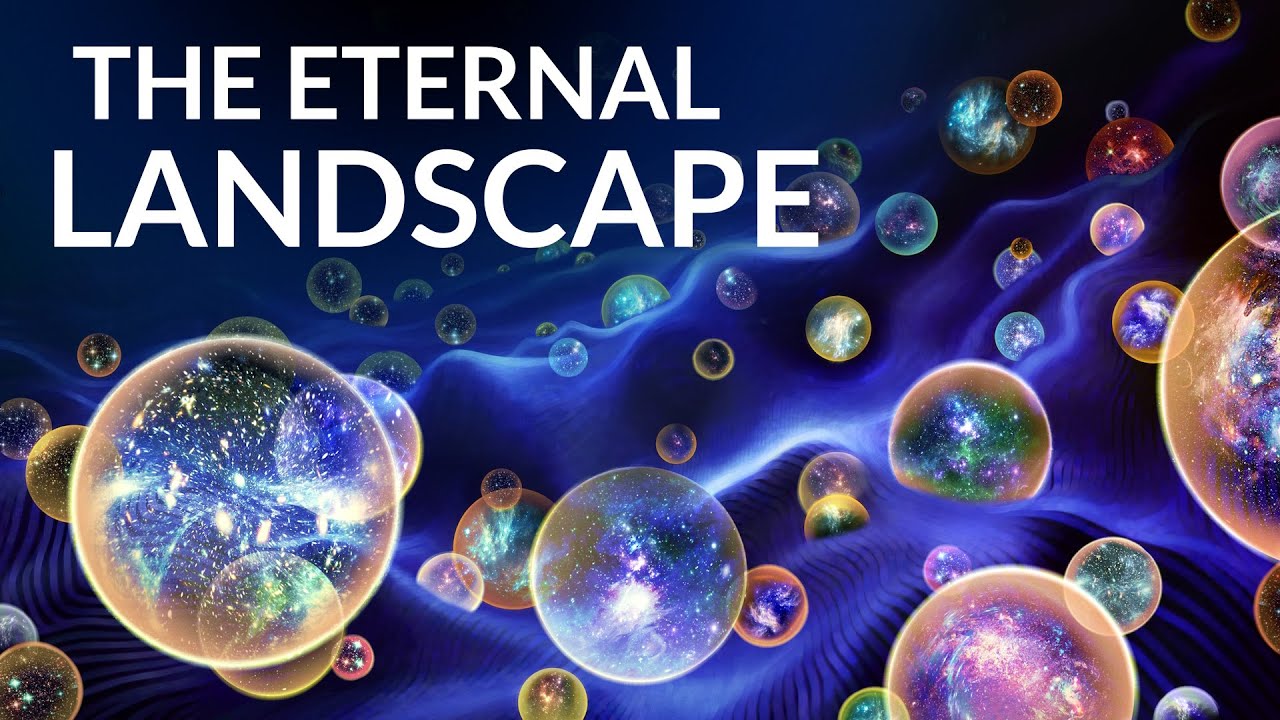
physical laws constants and Properties one of the most prominent versions of the Multiverse theory is the many worlds interpretation of quantum mechanics this interpretation suggests that every Quantum event with multiple possible outcomes gives rise to a branching of the universe creating a multitude of parallel universes each representing one of the potential outcomes in this view the universe continually splits into an unfathomable number of branches encompassing all Conceivable outcomes of quantum interactions another facet of the Multiverse Theory stems from cosmological Models such as inflationary cosmology according to these models the early Universe underwent a rapid phase
of expansion during which different regions of space expanded at varying rates in some regions the expansion ceased allowing the formation of galaxies and stars while in others it continued Indefinitely creating bubble universes with different physical properties the concept of a landscape of possible universes within String Theory also contributes to the Multiverse Theory string theory proposes that there are numerous possible configurations for the fundamental building blocks of the universe leading to the notion that our universe is just one of many possible configurations within this vast landscape would it ever be possible for Us humans to find
the answer to the Multiverse Theory while the Multiverse Theory presents exciting possibilities testing it presents formidable challenges due to its inherent nature the primary obstacles to testing the Multiverse Theory include Cosmic isolation the universes within a Multiverse are often considered causally disconnected from one another meaning that events in one Universe would have no direct impact on Another this Cosmic isolation makes it extremely challenging to observe or interact with other universes lack of direct evidence to date there is no direct observational or experimental evidence for the existence of parallel universes the Multiverse theory is largely theoretical
and based on complex mathematical models making it difficult to empirically verify [Music] Cosmic scale the vastness of the Multiverse if it exists is beyond our current observational reach the sheer scale of potentially infinite universes scattered across the cosmos presents a logistical challenge in terms of gathering data or conducting experiments however despite these challenges some researchers are exploring indirect ways to test aspects of the Multiverse Theory Cosmic microwave background mbb studying variations in the cosmic microwave Background radiation the Afterglow of the Big Bang May provide insights into the existance of other universes anomalies or patterns in
the CMB could potentially be indicative of collisions or interactions with other universes during Cosmic inflation string theory and particle physics String Theory a framework that encompasses the Multiverse concept could offer potential predictions or constraints that could can be tested Through high energy particle physics experiments discovering evidence for string theory or certain particles consistent with its predictions might indirectly support aspects of the Multiverse Theory Multiverse specific phenomena if the Multiverse theory predicts the existence of unique phenomena or physical constants in other universes then identifying these constants or observing such phenomena could offer indirect evidence in essence
While direct confirmation of the Multiverse the The Remains a formidable scientific challenge researchers are actively exploring Avenues within the bounds of current knowledge and Technology but hopefully we find an answer to this within our lifespan we have now talked about some different space and time theories so let's delve into the last thing the universe is built up of matter what exactly is matter at its Essence matter Is the material substance that makes up all physical objects from the tiniest particles to the vast celestial bodies that populate the cosmos everything we see touch and interact with
including ourselves is composed of matter matter is characterized by several Key Properties Mass one of the defining characteristics of matter is mass mass is the measure of the amount of matter in an object and is typically measured in units such as kilogram or grams it Determines an object's weight and gravitational interaction with other objects volume matter occupies space and the amount of space it occupies is referred to as its volume different forms of matter can have varying volumes from the compact density of a solid to the spread out dispersion of a gas particles matter is
made up of tiny particles each with its own unique properties these particles can include atoms molecules and subatomic particles Like protons neutrons and electrons the arrangement and behavior of these particles determine the the physical and chemical properties of matter States matter can exist in different states which are commonly categorized as solid liquid gas and in some cases plasma these states are defined by the arrangement and movement of particles for example in a solid particles are closely packed and have limited movement while in a gas Particles are more spread out and have greater freedom of movement
chemical composition matter can be further classified based on its chemical composition elements compounds and mixtures represent various forms of matter elements consist of one type of atom while compounds are composed of different types of atoms chemically bonded together mixtures are combinations of different substances that are not chemically Bonded physical and chemical properties each type of matter possesses distinct physical and chemical properties that Define its behavior and characteristics these properties include density melting point boiling point conductivity and reactivity matter is not a static entity but is subject to various physical and chemical Transformations through processes such
as chemical reactions nuclear reactions and phase changes matter can transition from one form to Another giving rise to the diverse array of substances and phenomena observed in the universe Matter's role in the cosmos is Central to our understanding of the universe's structure and evolution it forms the basis for celestial bodies galaxies stars and planets furthermore matter interacts through gravitational electromagnetic and nuclear forces shaping the Dynamics of the universe at both the cosmic and Quantum scales now Let's delve deeper into the subatomic realm and the various forms and states of matter unveiling the intricate tapestry of
the material Universe matter is composed of subatomic particles which are the building blocks of atoms the three primary subatomic particles are protons neutrons and electrons protons positively charged particles found in the nucleus core of atoms they are crucial for defining an element's identity neutrons particles With no charge found alongside protons in the nucleus they contribute to an atom's mass but not its charge electrons negatively charged particles that orbit the nucleus in elect clouds or energy levels electrons determine an atom's chemical behavior and play a key role in chemical reactions elements are the purest form of
matter each consisting of a unique type of atom defined by the number of protons in its nucleus the periodic Table of elements organizes all known elements based on their atomic number which is the number of protons compounds are substances formed when two or more different elements chemically combine in fixed ratios these combinations create entirely new substances with distinct properties water H2O for instance is a compound composed of two hydrogen atoms and one oxygen atom mixtures are combinations of different substances that are not Chemically bonded unlike compounds mixtures do not have fixed ratios and the individual
components retain their properties examples of mixtures include air a combination of gases saltwater a mixture of salt and water and even trail mix matter exists in various states which depend on the arrangement and movement of its particles solid in solids particles are closely packed have fixed positions and vibrate in place solids have definite shapes and Volumes liquid liquids have particles that are more Loosely packed and can move past each other giving them the ability to flow they have a definite volume but take the shape of their contain container gas gases have particles that are widely
spaced and move freely filling the entire container they occupy gases have neither definite shape nor volume plasma at extremely high temperatures matter can become ionized Forming a state known as plasma plasmas are composed of positively charged ions and free electrons Stars lightning and neon signs are examples of plasmas Matter's diversity in its states and forms allows for the comp lexity and variety seen in the universe it is the stuff of galaxies stars planets living organisms and everything we observe in the cosmos understanding Matter's properties and behavior is fundamental to our Comprehension of the natural world
and the scientific exploration of the universe in our journey through the cosmos and the intricate tapestry of matter we have encountered the vast diversity and complexity of the material world yet in the midst of this this richness the concept of nothing beckons us to contemplate the void the absence and the enigmatic spaces that exist between particles objects and even universes from the subatomic scale where Particles seemingly blink in and out of existence in Quantum fluctuations to the cosmic scale where the vacuum of space is not truly empty but filled with dark energy and cosmic background
radiation the notion of nothing challenges our perceptions and Sparks philosophical inquiries is nothing merely the absence of something or does it possess its own existence and Essence can we truly comprehend nothingness or does it remain an elusive and Abstract concept that Transcends human cognition thank you for watching

![Journey to the Andromeda Galaxy [4K]](https://img.youtube.com/vi/-ybiXR2WCFQ/maxresdefault.jpg)