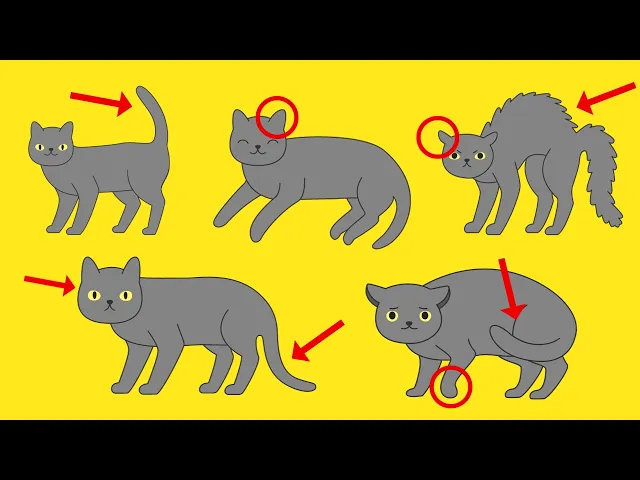
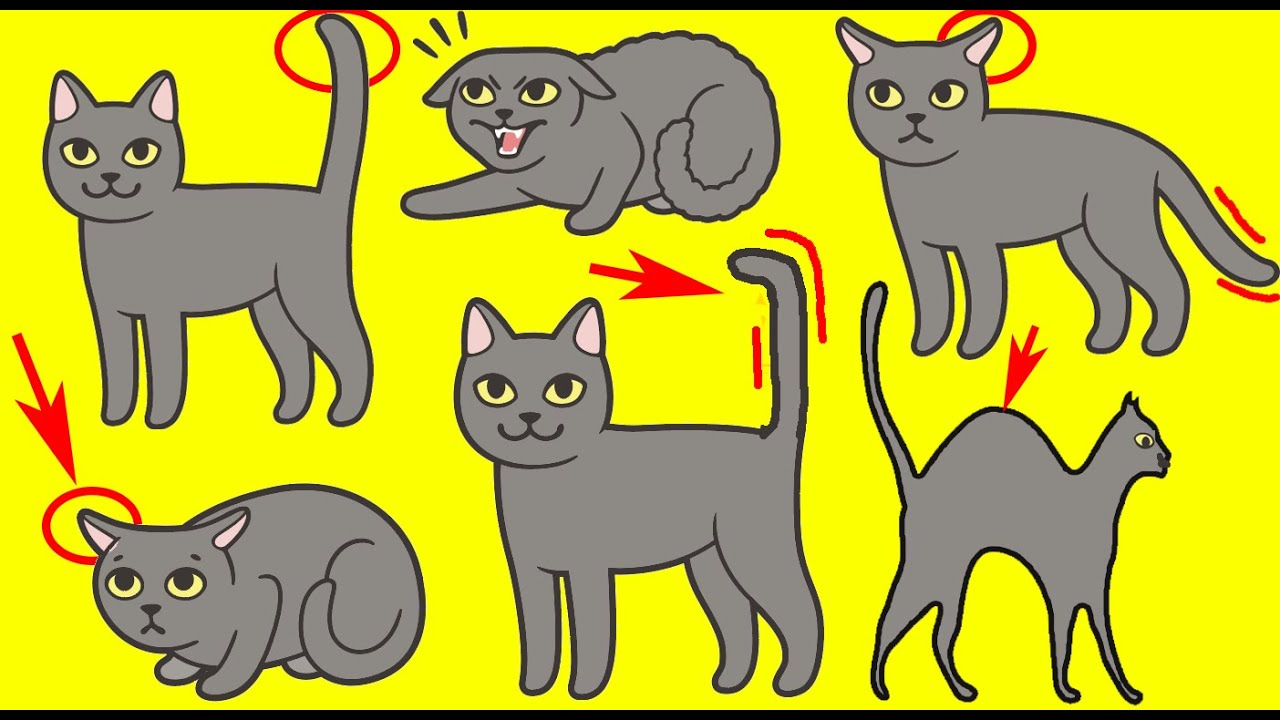
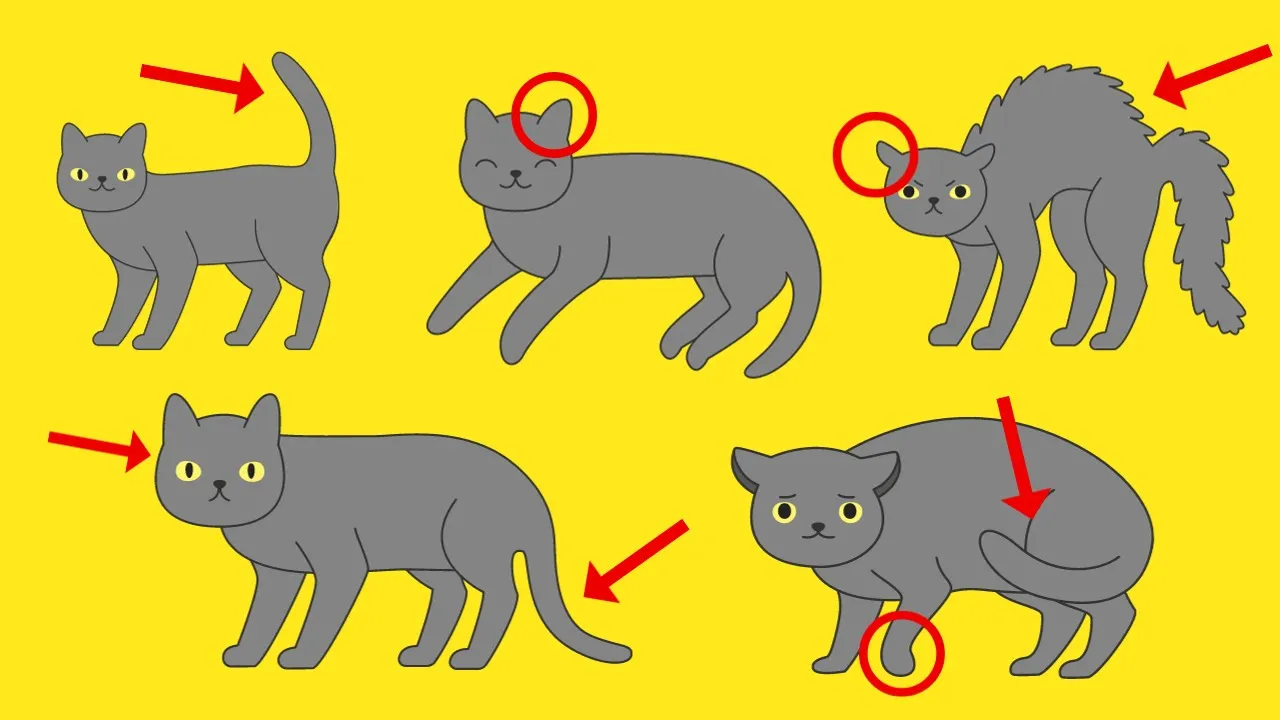
decoding a cat's body language can be tricky cats have often been seen as hard to read and independent but if you really want your cat to trust you it's important to understand what they're trying to tell you without words in this video we'll walk you through the Key signs of your cat's body language and what they mean we will also be sharing one simple yet powerful tip on how to easily gain your cat's unconditional Trust number one tail a cat's tail contains between 13 to 23 bones these bones are the reason why a cat's tail
is so flexible a tail held high in the air is a positive sign when a cat walks with its tail up it usually means they're feeling confident and comfortable in their environment sometimes you might see just the end of your cat's tail twitching this can be a sign of curiosity however if the entire tail starts to whip or thrash around it might be an indicator that the cat is very agitated or irritated if a cat wraps its tail around its body it could be a sign that they're feeling a bit insecure or cautious on the
flip side when a cat wraps its tail around another cat or even a human it's a sign of affection similar to how we might put an arm around a friend a tail that's held low and close to the ground or tucked between the legs can indicate fear or submission to your cat with its tail down it's good to ensure there are no threats or anything stressing them out number two eyes here's an interesting fact cats have a third eyelid called a nictitating membrane it helps protect their eyes and keep them moist you might catch a
glimpse of it when your cat is sleepy just like humans a cat's pupils will naturally dilate and dim lighting to allow in more light and help them see better but if your cat is in a well-lit room and their pupils suddenly dilate it could mean they're excited or playful it's their body's way of taking in more visual information quickly especially if they're chasing a toy or a playful companion dilated pupils can also be a sign of surprise or fear when startled or threatened a cat's pupils will dilate helping them take in as much visual information
as possible to assess the situation when a cat's pupils narrow or constrict it can indicate a few different moods or reactions naturally in bright conditions a cat's pupils will constrict to limit the amount of light entering the eye protecting sensitive retinas and helping them Focus however if the light level is consistent and your cat's pupils suddenly become slits it might be indicating tension or aggression cat that's feeling confrontational or territorial will often constrict its pupils perhaps to focus intently on a perceived threat or rival sometimes a relaxed cat lounging in its favorite spot might also
have constricted pupils in the absence of any threat or bright light this can simply be a sign that your cat is calm and content cats rarely maintain prolonged staring if a cat is staring intently at something or someone it's usually because they're very focused possibly on prey or something that's grabbed their attention however a prolonged stare at another cat or a human is a sign of Confrontation a slow Blink from a cat towards you often dub the cat kiss is a gesture of trust and affection when they blink slowly at you they're communicating comfort and
possibly even love the next time you're sitting with your cat try slow blinking at them if they return the gesture It's a Wonderful sign of trust if they don't just keep spending quality time together and they might start responding over time number three the language of ears cats have over 30 muscles in each ear this allows them to rotate them independently a full 180 degrees and move them up and down when a cat's ears are pointed forward this means they are attentive and interested in what's going on maybe they've heard a sound seen something move
or just intently observing their environment if you notice a cat's ears are lying flat against their head it's a clear signal they're feeling threatened or annoyed it's a protective move making their ears less of a Target during fights and it's also a sign that it might be best to give them some space here's that turn to the side can indicate that a cat is feeling nervous or slightly agitated it's a middle ground between the relaxed forward position and the defensive flattened position cats can move their ears in different directions to hone in on sounds from
various angles if you see a cat's ear swiveling often it's likely they're trying to pinpoint the source of a sound or they're on high alert when interacting with a cat especially when you're not familiar with watching the ears can provide cues on how to proceed if their ears are forward they're likely open to interaction if they're flattened it's best to be cautious and give them room number four whiskers whiskers can detect even the tiniest changes in air currents this ability AIDS cats in navigating around obstacles especially in low light when you see a cat's whiskers
pointed forward it's an indication that they're very interested in something it could be a toy some food or maybe they're in hunting mode and have spotted prey whiskers that are pulled back tightly against the face usually signal that a cat is scared or feels threatened it's their way of protecting these sensitive tools and also making their face more streamlined in case they need to flee if a cat's whiskers are spread out and pointing sideways it indicates a relaxed and neutral state the cat is neither threatened nor overly excited just like hair cats occasionally shed their
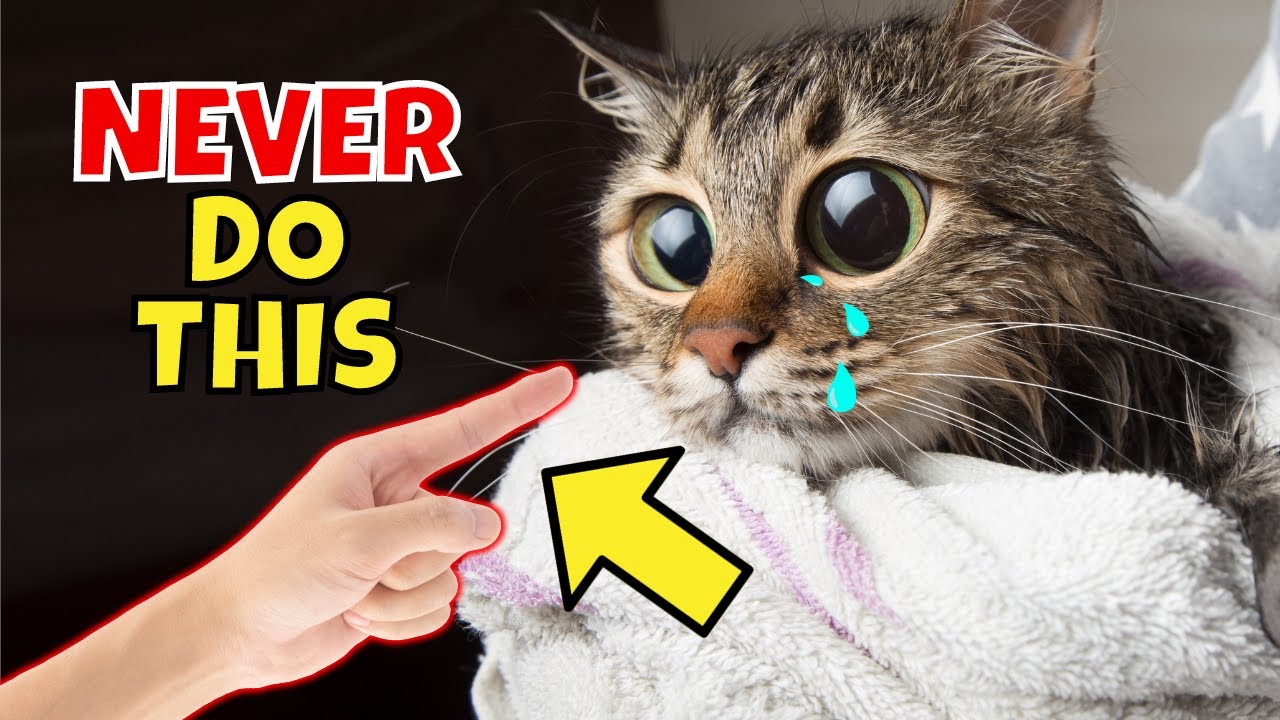
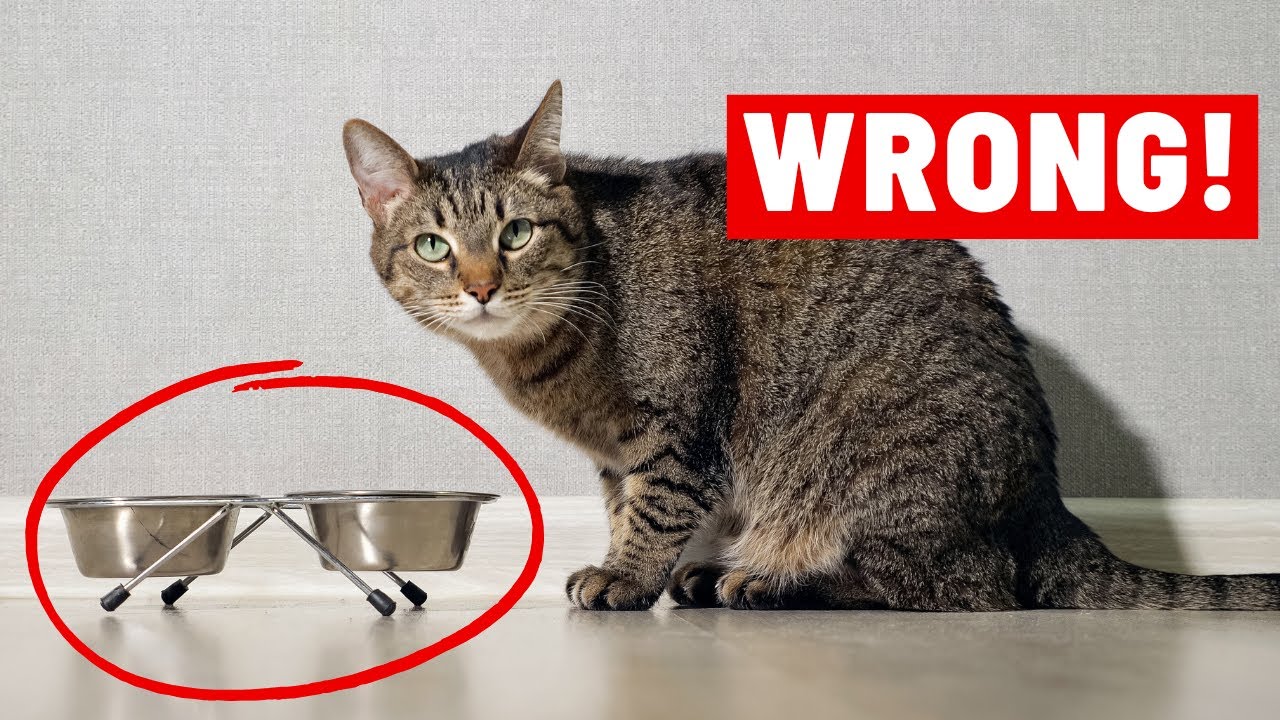
whiskers it's natural and is usually no cause for concern however if you notice multiple whiskers falling out in a short period it might be good to consult a vet whiskers are incredibly sensitive that's why it's essential to be gentle when touching a cat's face avoid tugging or playing with their whiskers as it can cause them discomfort also ensure their food and water dishes are wide enough so that their whiskers don't touch the sides preventing whisker fatigue during meal times number five body Parts have a unique writing reflex which means from a very young age as
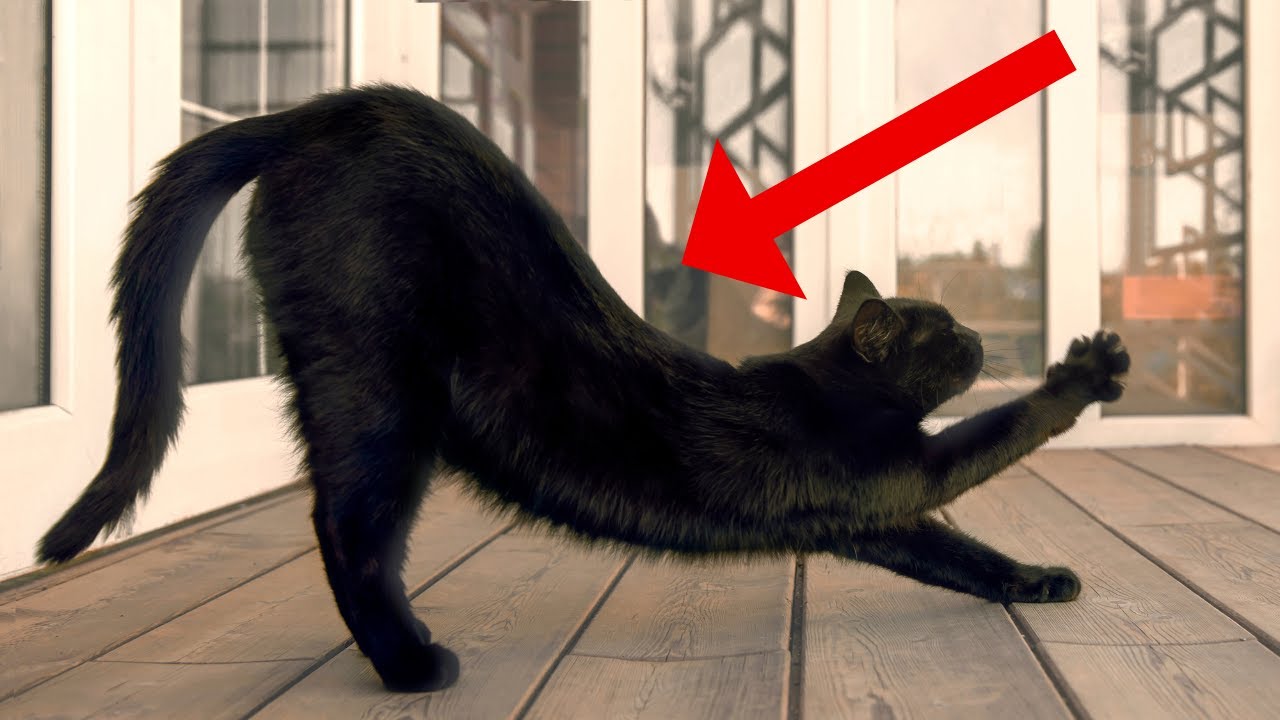
early as three weeks old they start learning to twist their bodies to land on their feet if they fall by the time they're seven weeks old they've usually mastered the skill you've probably seen a cat Arch its back especially during playful or startled moments when a cat does this it's trying to make itself appear bigger this can be a defensive posture indicating the cat feels threatened and is ready to defend itself if necessary one of the ultimate signs of trust from a cat is when it rolls over and shows you its belly however this vulnerable
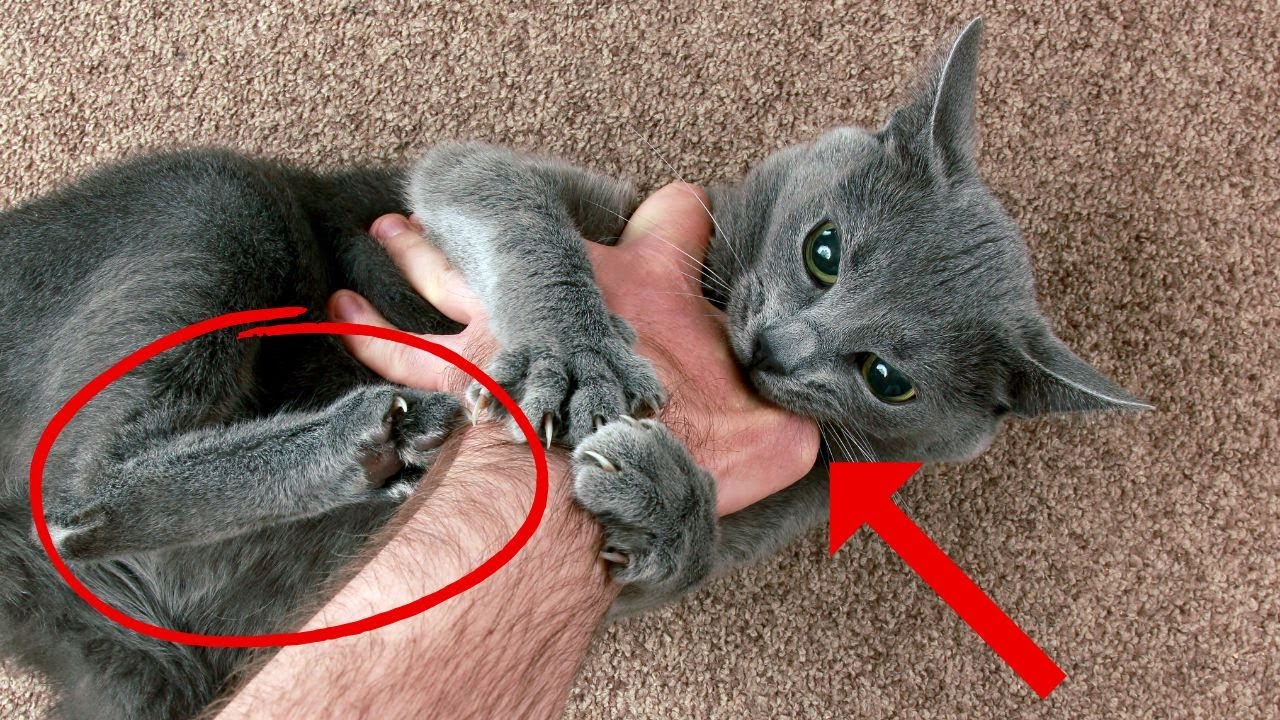
position doesn't always mean they want a belly rub it's just their way of saying they feel safe around you some cats might enjoy belly rubs in this position While others might become defensive if you try cats sometimes need against a soft surface like a blanket or your lap this kneading action is often a comforting behavior that originates from Kitten Hood when they used to knead their mother's belly to stimulate milk flow if a cat is crouching low to the ground with its body tense it could be a sign of fear or that it's preparing to
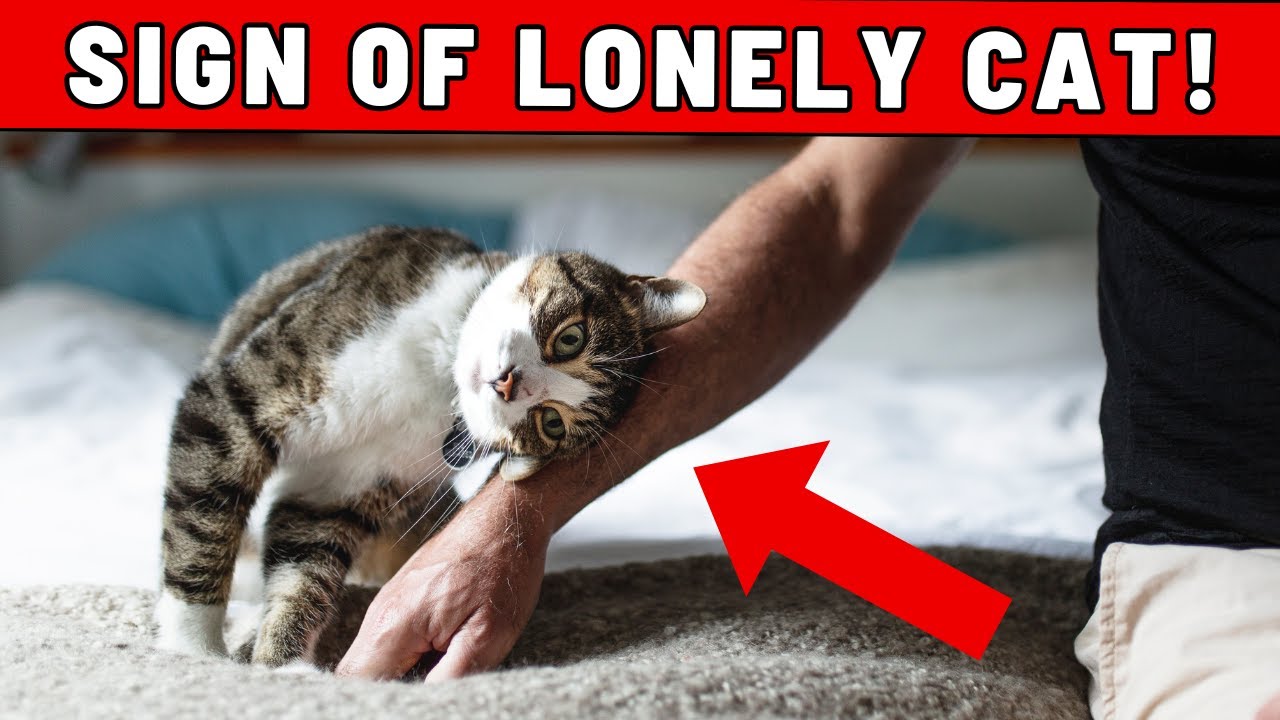
pounce whether on prey or a toy and here is a simple trick you can do to make your cat trust you it's called a scent swap in the wild cats rub their faces against members of their group transferring their scent and cementing social bonds when you gently rub a cloth on your cat especially around their cheeks you're collecting pheromones that they use to Mark territory and trusted friends by placing this cloth on yourself you're essentially allowing the cat to Mark you without them even realizing additionally if you rub your scent onto them you're reciprocating the
gesture making it a two-way Exchange when doing this observe your cat's ears and eyes if their ears are forward and their eyes are soft it means they're comfortable with the process however if their ears flatten and the pupils dilate it indicates discomfort and it might be good to try again later when they're more relaxed how can you tell if your cat truly loves you and not just tolerates your presence for food check out this video where we talk about 10 hidden things cats do when they truly love you and be sure to subscribe to our
Channel and join our feline loving community