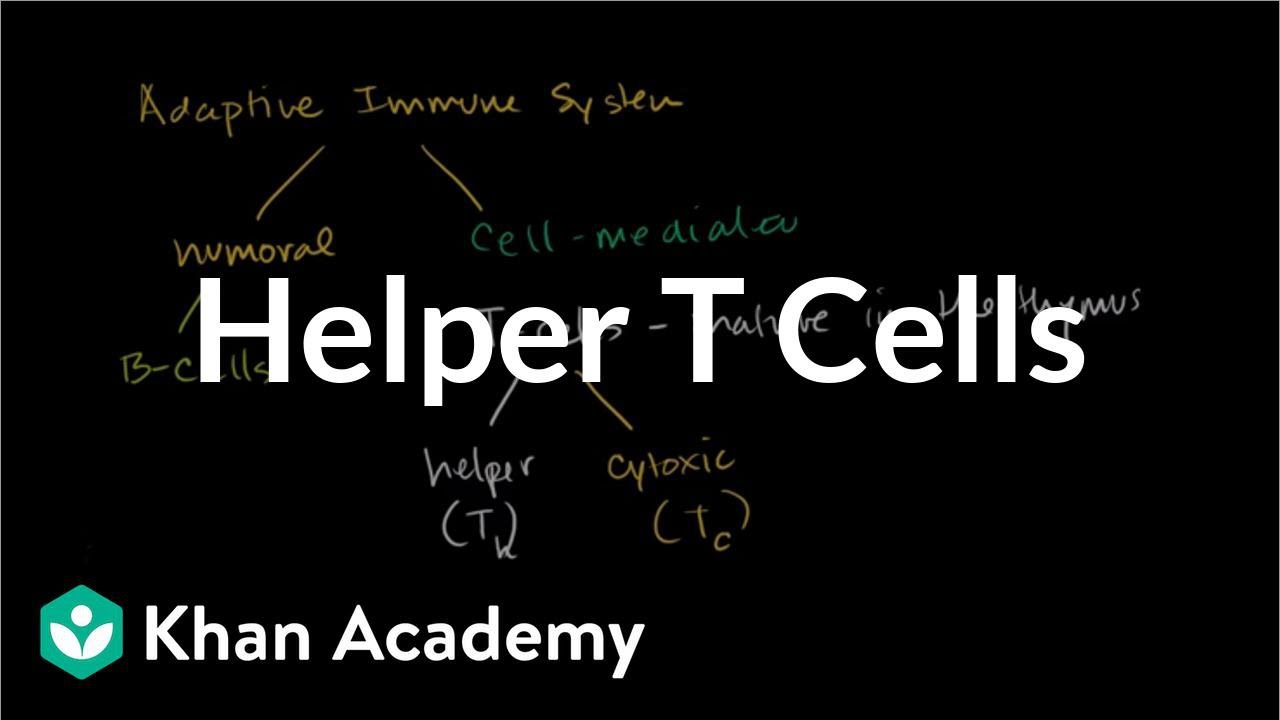
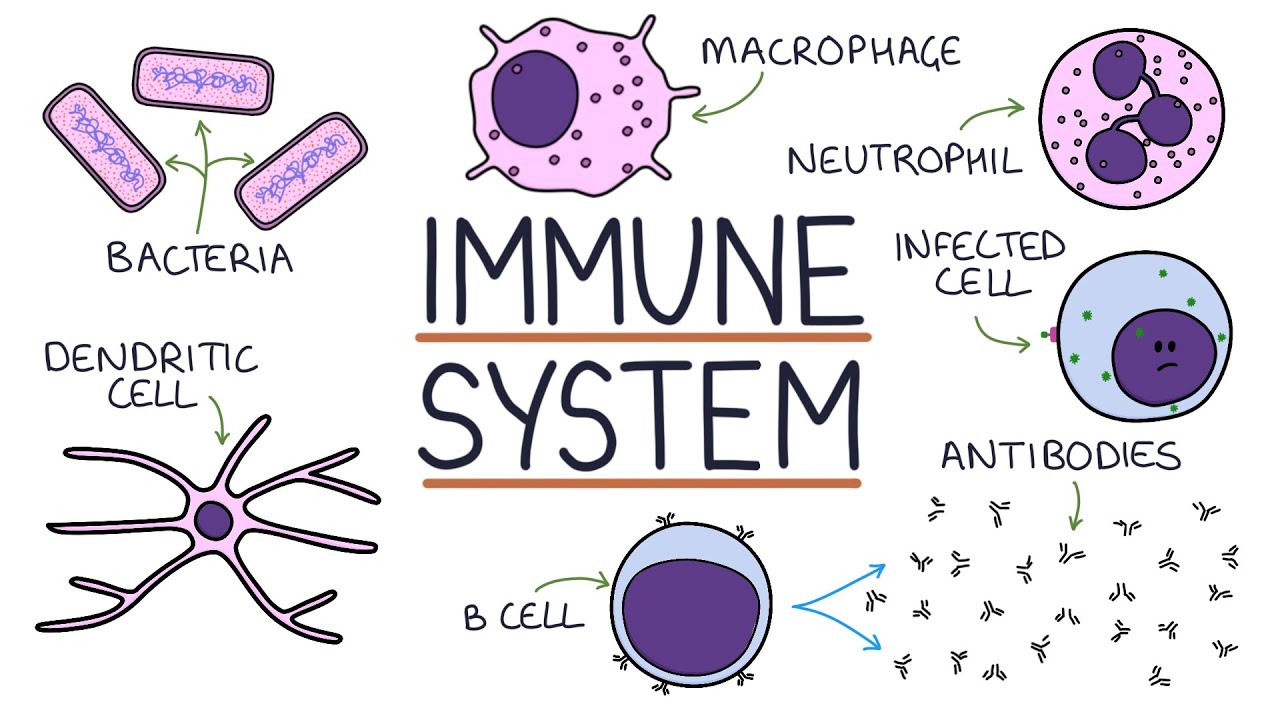
[Music] hello welcome back to Immunology the war is over episode four cytotoxic te- cell soldiers okay so far in the series we've covered te- cell development in the thymus and we've explored in great detail the CD4 t- helper cells what gets them going what subsets they divide into and the drugs we can use to block this and placing emphasis on CD4 t- cells was necessary and deliberate because they orchestrate adaptive immunity overall but now I'd like to shift your attention towards cd8 t- cells or cytotoxic tea cells now helpfully cd8 te- cells are similar to
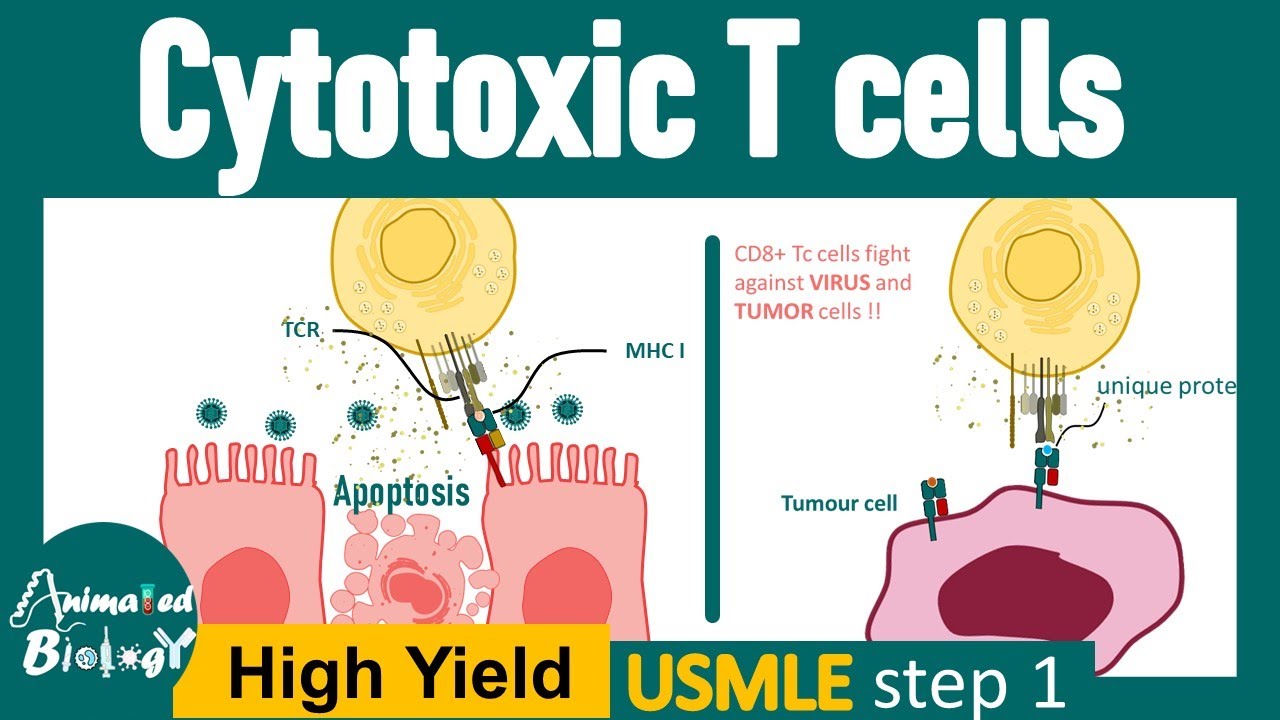
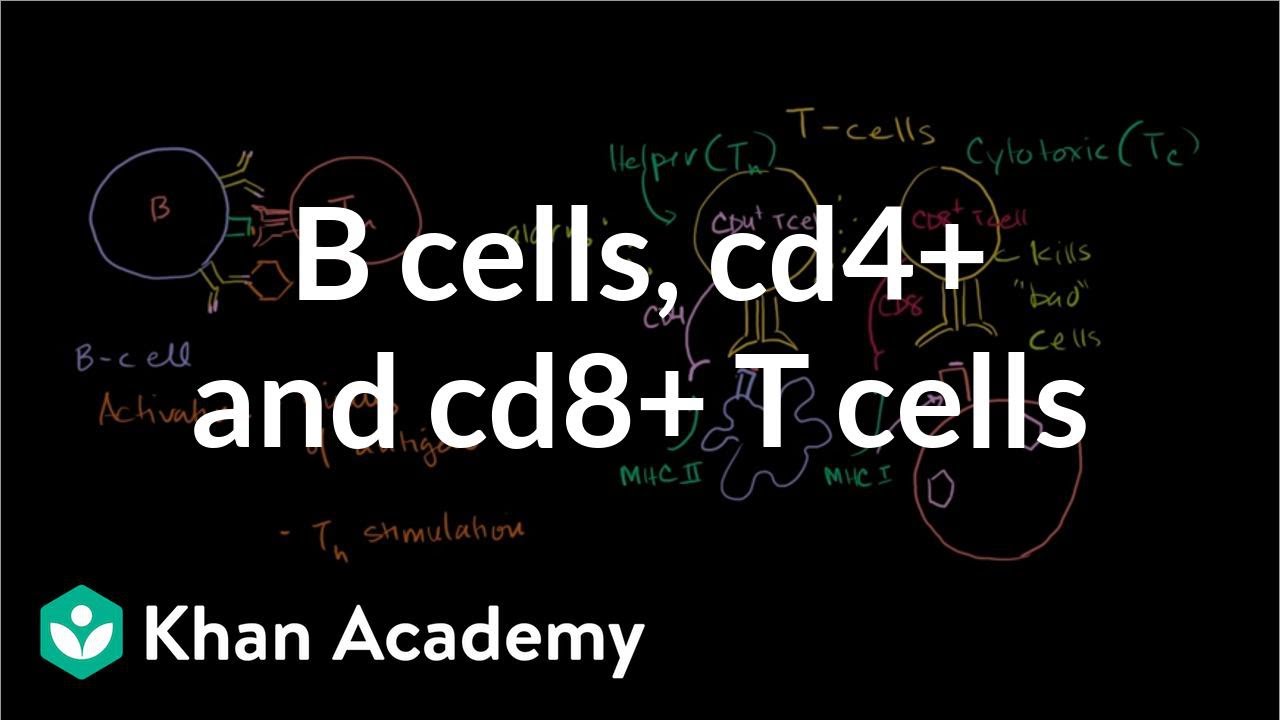
CD4 t- cells in a number of ways they both grow up in the thymus and have a unique t- cell receptor directed against a specific antigen after leaving the thymus they both hang out in secondary lymphoid tissue such as their lymph nodes and spleen but they also have some key differences cd8 T cells recognize antigens that are presented via mhc1 molecules they do not interact with mhc2 and because most cells in our body are capable of stacking antigens onto mhc1 molecules this means that cd8 T cells can communicate directly with infected cells and act on
that information right then and there so if a cell is infected with a virus the cell can take parts of that virus stack it onto mhc1 molecules and place these on the surface of the cell to attract attention if a cytotoxic te- cell just happens to swing by with a matching te- cell receptor then that cytotoxic te- cell can be directly activated to destroy that cell however that said t- helper cells can also activate cytotoxic tea cells and whether cd8 T cells are activated directly by infected cells or by CD4 tea cells really comes down
to the pathogen that you're dealing with so for example influenza infected cells can spark off cd8 T cells directly whereas HSV infections benefit from t- helper cells encouraging cd8 T cells to respond the other key difference between cd8 t cells and cd4t cells is that cd8 T cells when they proliferate will not differentiate into subsets with varied functions like the t- helpers do cd8 cells are far more straightforward and consistent in their mission to develop into cytotoxic tea cells that's that's not to say that there aren't subtle differences in terms of their inner workings though
some will become effor cells and others will become memory cells but by and large they have the same Mission so cd8 cells are far more simple creatures than their CD4 counterparts now we said before that the CD4 T cells help to activate cd8 T cells and that's not exactly intuitive but it is fascinating and so over the next few minutes we're going to unpack this concept in a bit more detail once a CD4 T cell has become activated by an antigen presenting cell within the lymph node it's going to be triggered to differentiate into a
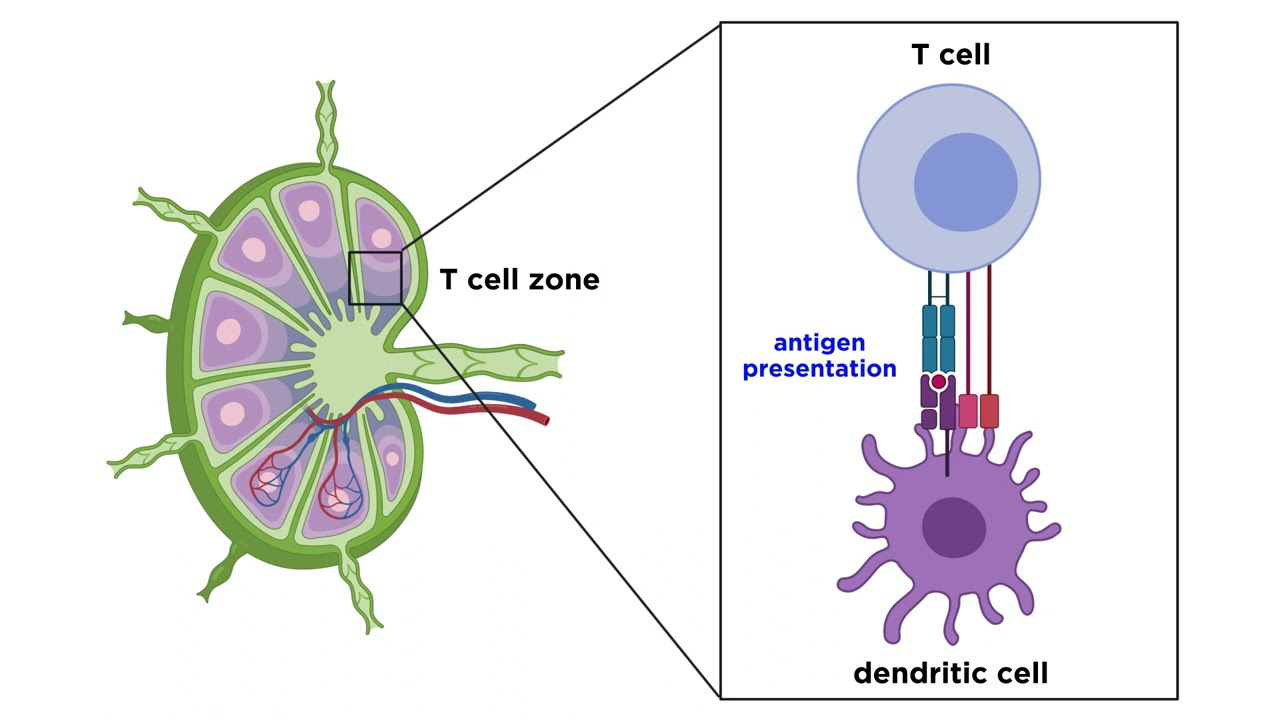
particular t- helper subset depending on the type of pathogen presented so a viral infection will typically kick off a th1 response which generates a cygine profile which is perfect for combating intracellular organisms but what's really interesting is that the CD4 t- cell before it ends the cuddle party with the dendritic cell it will send a signal to that dendritic cell that it must now go and present that same antigen to a cytotoxic te- cell within the lymph node so as you can imagine the dendritic cell will be suitably unimpressed after all that work already put
in and finding and activating its CD4 t- cell and now has to go and find a cytotoxic t- cell which also recognizes the same antigen it's another needle and another haast stack and as if that wasn't enough it's going to go and change its entire communication device on the surface so instead of using mhc2 molecules it now has to switch to mhc1 molecules in order to communicate with this cd8 cell so the dendritic cell really does deserve a lot of acknowledgement in this process it really is working very hard and when the dritic cell Finds
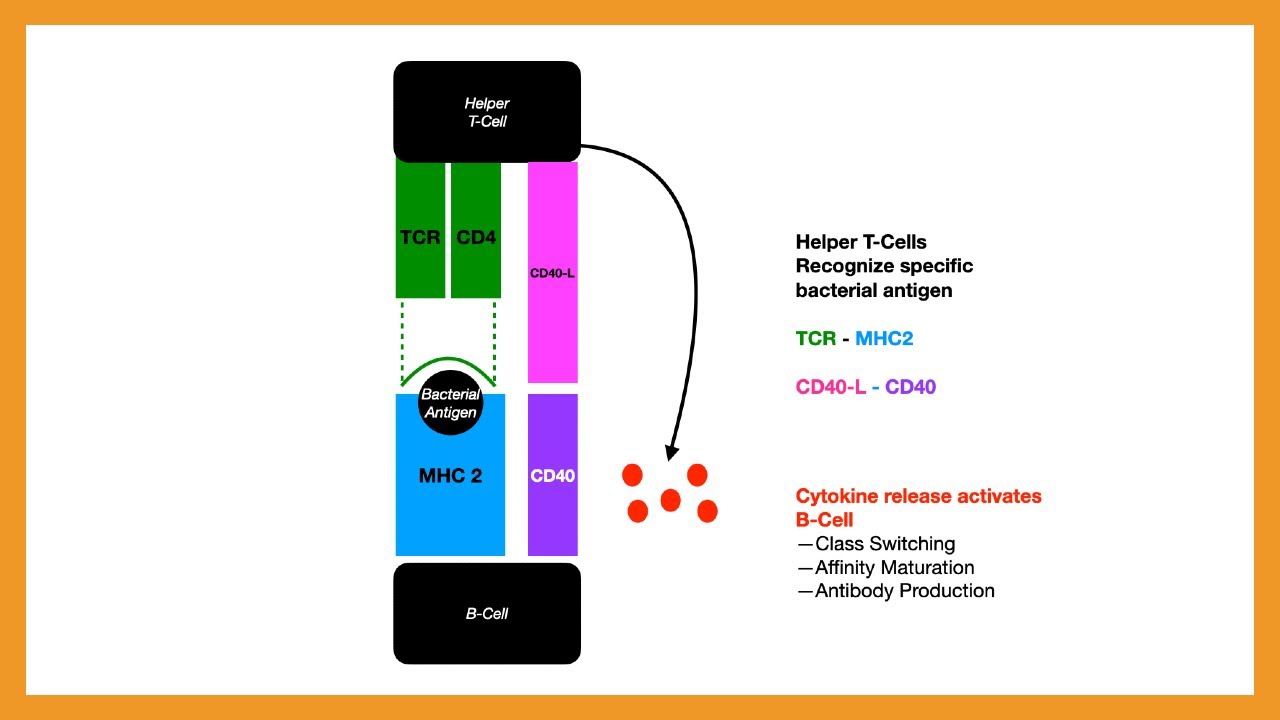
Its respective CD t- cell the process of antigen presentation and t- Cell Activation is very familiar it involves signal one when the t- cell receptor binds to the MHC antigen complex this creates a stop signal where both cells increase their adhesion molecules and connect to each other more strongly and then signal two co- stimulation happens with all of the characters from episode 3 who you'll be very familiar with by now and if you haven't watched episode 3 I I highly recommend you go back and do that it's a hoot so when a CD4 T Cell
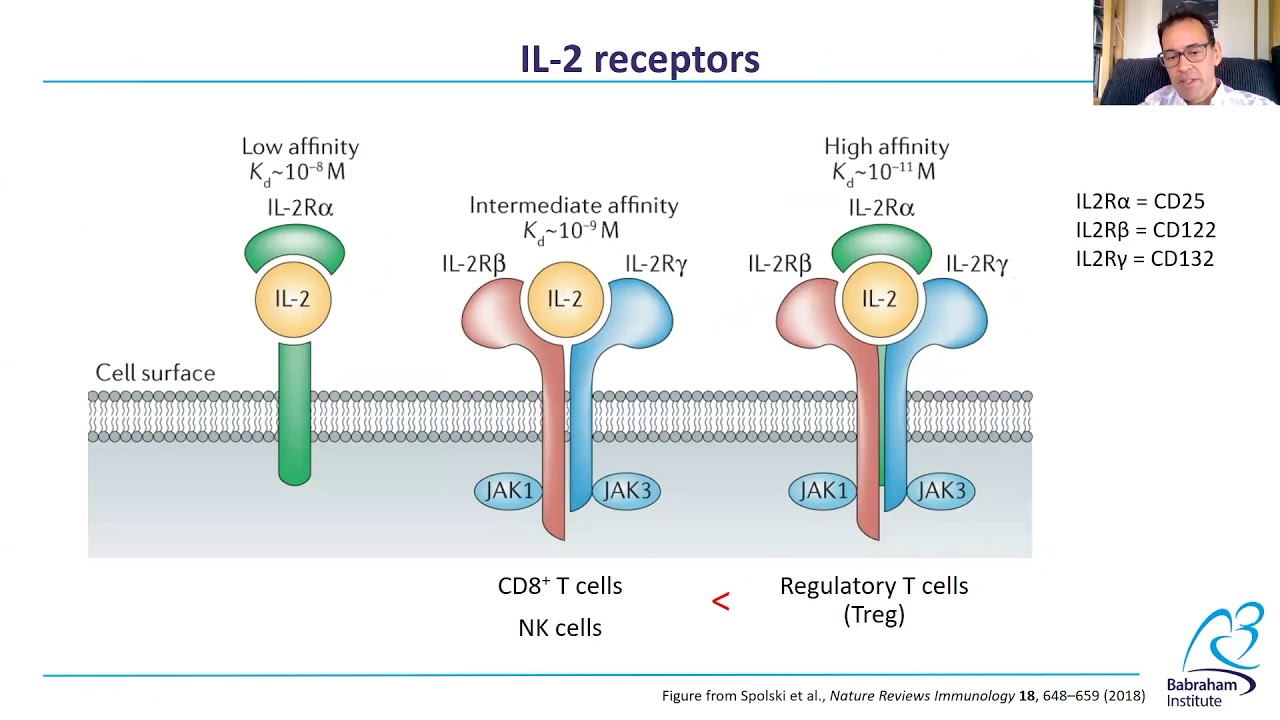
promotes a cd8 response the first thing it does is sends the dendritic cell to the cd8 cell to get it fired up but then after the initial activation the CD4 t- cell then provides further fuel to this fire remember how we said in episode two that interlan 2 is like T Cell fuel it's like the tea cell putting on the K and making itself a coffee well cd8 T cells can make a little bit of interl to coffee but not quite as well as cd4t cells can it's sort of like cd8 has instant coffee granules
but CD4 has an espresso machine and a barista so CD4 just makes better coffee and more of it and so the vast majority of interlukin 2 is generated by the CD4 T cells but this can be used by cd8 T cells as as well and in harmony with this the cytotoxic te- cell response is very much encouraged by interlan 12 and interferon which you'll remember are the same cyto kindes which promote the t- helper one subset so in fighting an intracellular organism you can expect th1 T helper cells and cytotoxic tea cells to be involved
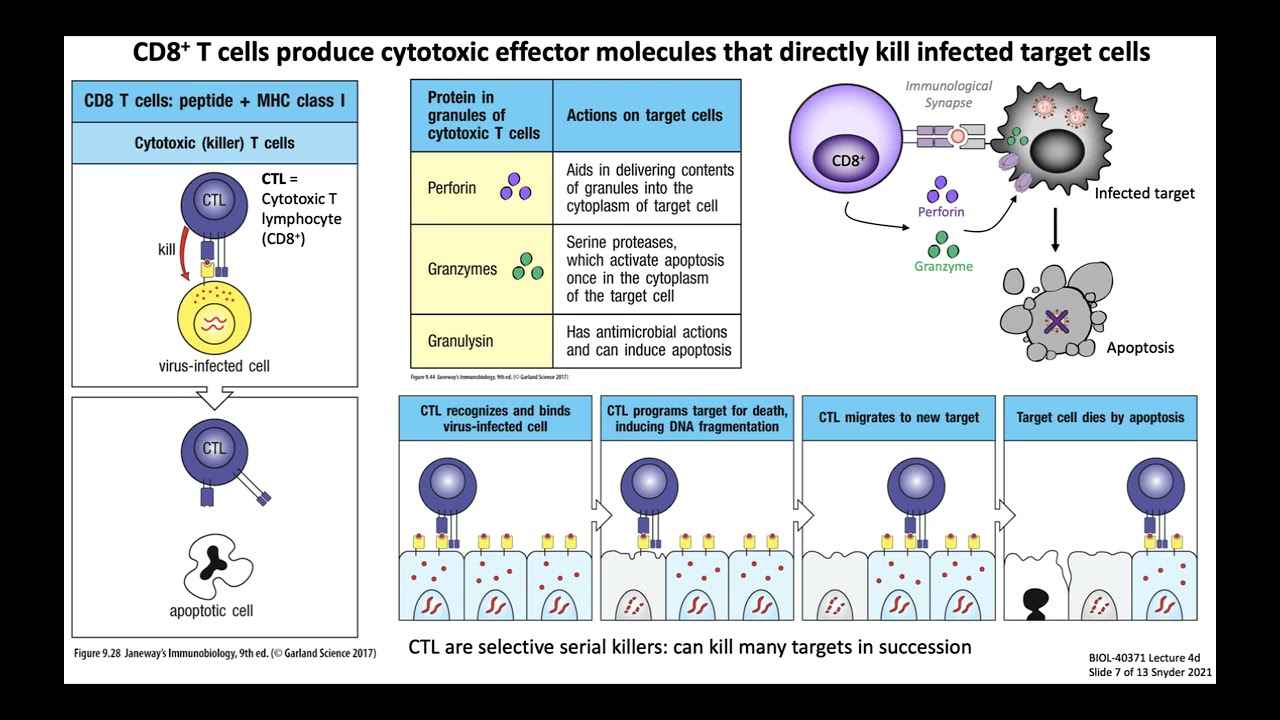
and these will be working collaboratively the te- helper cells are producing the Cy kinds which are going to encourage the cd8 T cells to do their thing and the cd8 cells with this encouragement are going to proliferate into an army of cytotoxic tea cells which will go forth find those infected cells and Destroy them and when I say an army I mean literally an army of hundreds of thousands of tea cells who are going to go in search of these infected cells now remember that te- cells aren't killing the organism directly they are killing the
cells in which these organisms reside which probably explains why having a viral infection feels so incredibly awful your cells are literally dying inside you and killing these infected cells is a highly effective approach the intracellular organism will no longer be able to use that cell's Machinery to replicate and that cell that just died and all of the organisms within it will be ch pumped up by fyes and if these organisms just happen to spell out of the cell and into the bloodstream then that's great because in our circulation we have antibodies and complement and immune
cells that can now reach that organism and destroy it okay so cytotoxic tea cells kill infected cells but how exactly do they do this and in order to kill those infected cells the te- cell must jump out of the bloodstream and Infiltrate The Infected tissue but the human body is a big place right how do the te- cells know where to go we're going to answer both of those questions now so firstly how does a te- cell know where the infected cells are and this is awesome Mother Nature has installed a really cool mechanism a
homing device known as cxcr3 cxcr3 is expressed on all activated te- cells both CD C4 and cd8 T cells have this device installed when a tissue becomes infected it can express the receptor for cxcr3 also known as cxcr3 liand and this receptor is then placed there with the help of interferon we said before that interferon is a cyto which is necessary for the immune response to intracellular infections and we saw how interferon encourages the th1 and cytotoxic T responses within the lymph node but a further role of interferon is placing these CX cr3 receptors in
the capillary beds of infected tissue in order to attract tea cells into that area so interferon tells te- cells where to go and interferon can be produced by most cells in our body in response to infection but a few tissues are particularly good at this such as the lung and the gut and the CX cr3 homing device is used by both CD4 and cd8 T cells and not uncommonly this will occur in sequence so for example th1 T helper cells might travel to the tissue using CX cr3 and then when they are in that tissue
they themselves secrete lots of interferon which further increases cxcr3 receptors in the area and attracts cd8 T cells again another example of the harmony between te- helpers and cytotoxic te cells okay so that's how the cd8 and CD4 te- cells for that matter know where to go once the cytotoxic te- cells arrive at the infected destination their mission is to kill all infected cells without hesitation and there are a couple of ways in which they do this say for example the intracellular pathogen is a virus for the most part cells containing a virus will display
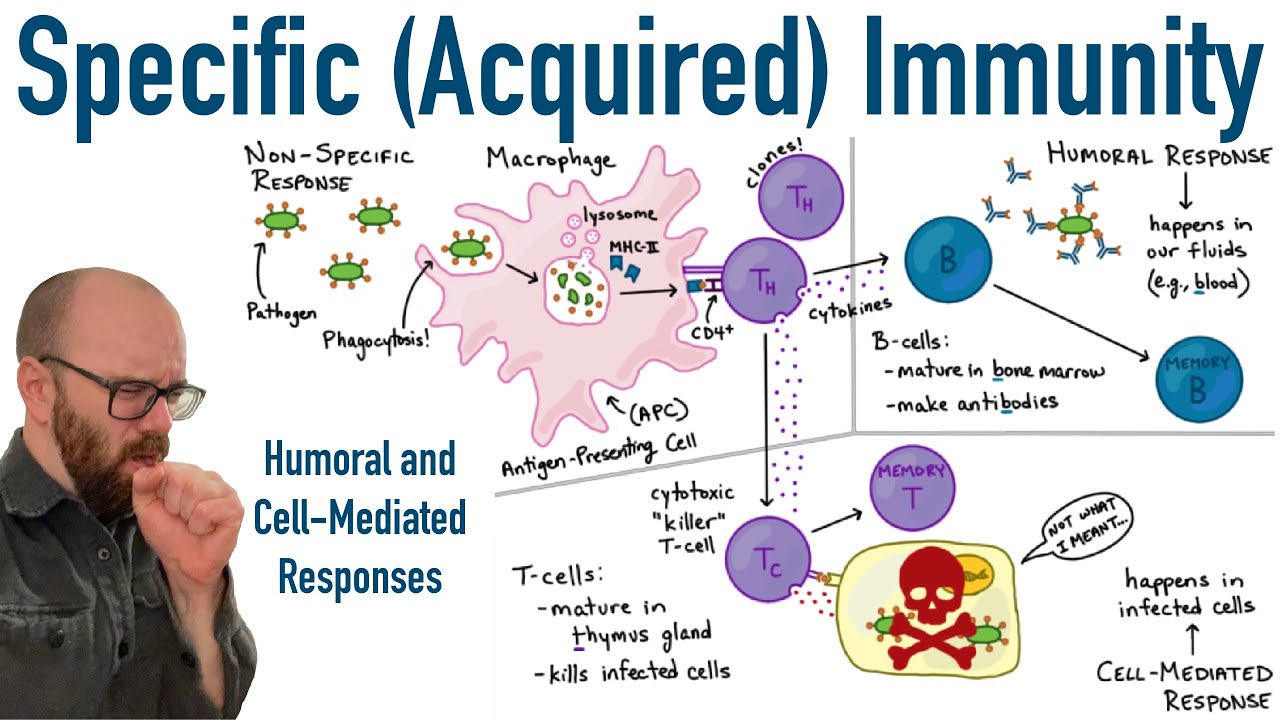
viral antigens on their surface using mhc1 molecules cytotoxic te- cells bind to this complex using their t- cell receptor and now a number of things will happen firstly deployment of toxic granules and perin perins are able to create pores within the cell once perin has created these pores the proteases granzyme A and granzyme B are infused into the cell using these pores and if you think about it this is very clever these toxic substances are injected only into infected cells in a discreet and deliberate manner so the te- cell isn't spelling all of its toxic
contents onto just any cell in the area its toxicity is targeted to individual cells with Ninja precision and when these digestive enzymes are injected into a cell the cell will die and whilst you might imagine some kind of dramatic cellular explosion at this stage the process is actually very graceful the infected cell which has basically begged this te- cell to come along and destroy it is complicit in the process and once the digestive enzymes are inside this will trigger apop Tois and so this is very altruistic although the cytotoxic te- cells deserve some credit for
sure this process only works because the cells in our body are able to collaborate with those te- cells and I think that deserves a special mention as well and another way in which your cells undergo altruistic apoptosis is by using something known as death receptors get this cells in our body can literally Place death receptors on their surface and these death receptors can be activated by both cd8 and CD4 t- cells one of these death receptors is known as FAS and both cd8 and CD4 T cells can express fast liand so if a t- cell
comes along expressing fast liand and binds to fast on a body cell this will activate intracellular signaling Pathways which leads to apoptosis of of that cell and whilst this all sounds very sad it's actually really beautiful and brave of ourselves to do this to end their own existence in the name of our bigger picture health so as much as our te- cells are wonderful we have to remember every cell in our body is similarly wonderful and so I'll leave you with that thought thank you so much for joining me I hope this helped your studies
and you have Oodles of appreciation for our cytotoxic tea cells and every cell in your body next up we'll be continuing our immunological journey by getting up close and personal with B cells plasma cells and antibodies I'll see you in there [Music]