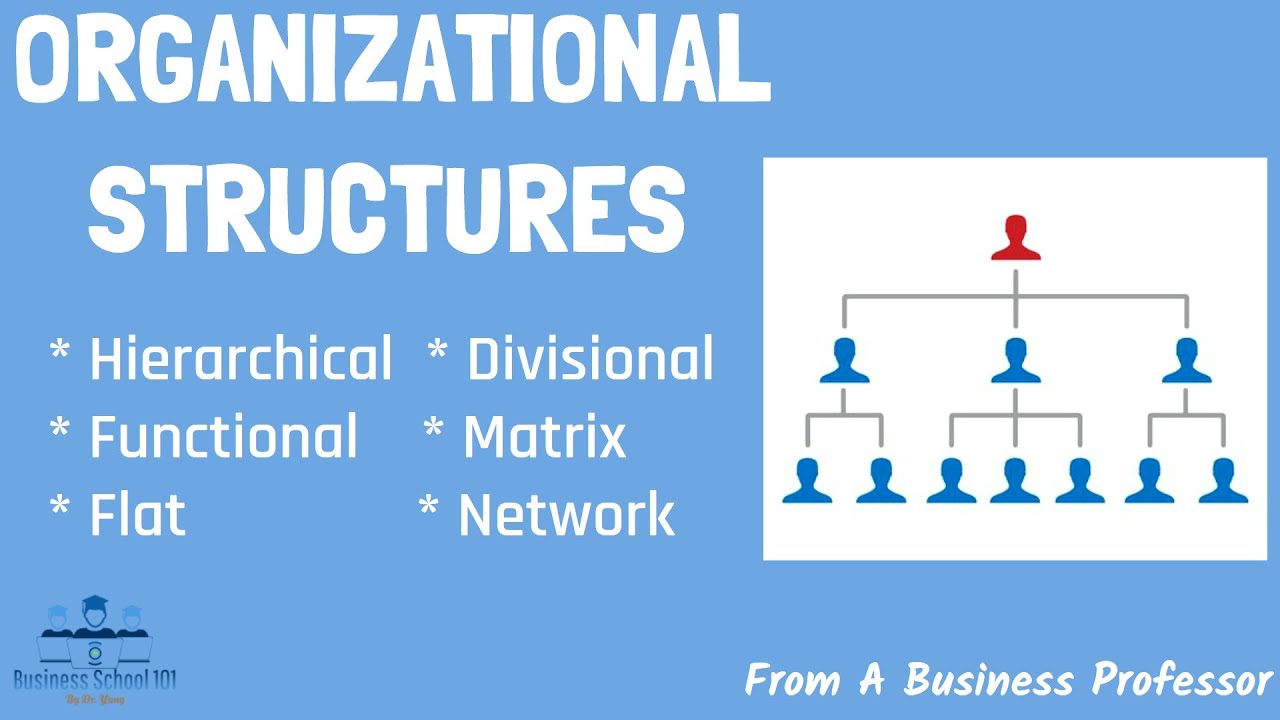
hi folks i want to talk to you today a little bit about organizational structure um and when i normally teach this students will grasp that you can have the tall hierarchical structure you can have the um shorter one that doesn't have that many layers um to delegate into but and you can have the matrix structure as well of course um but what students struggle to understand is what is the impact of that structure on an organization um and so i'm going to use the example of apple today and compare them with other people or large
organizations in the industry because often the assumption is the kind of longer the company's been running for and the larger it is the more hierarchical it will naturally get and apple are trying to defy that to some extent so if i show you a sample organizational structure so this is for png so they have lots of different divisions that they work in so they deal with food they deal with um kind of they sell nappies and stuff like that for babies um they have health products um they have uh beauty products that they also own
so some of the big beauty brands and what they've done you'll notice in the in the diagram is they've split the organization according to the kind of product range so in each um kind of product range you've got research and development and you've got manufacturing and they've become their own like mini businesses under the larger umbrella so by splitting it up each um part has its own responsibilities they can make decisions more quickly for instance and they know their kind of retail space so you know the bit with health well they know who their competitors
are so they can make better decisions rather than waiting for you know kind of top level managers to make all of those decisions in lots of different industries they have different profit and loss centers so they'll all have their separate targets for instance um and how much of a profit they need to make etc and each division will have that what that naturally causes however in organizations is some competition between the divisions you know divisions will fight for money for certain things whether it be research or development and so that can create quite a competitive
environment now that has its pros and cons um competition can sometimes lead to innovation it can mean that people are more creative and make better products but sometimes it can just mean that they're just vying for these resources and sometimes they they're being utilized in areas where you might have a really outspoken um kind of leader who kind of is in the favor of the president let's say of the organization and therefore they get more money so it's not always fair so there can be a lot of uh internal competition also you'll have general managers
that look after these different areas now those general managers for instance so you might have somebody looking after the beauty area okay and they will manage everything to do with beauty whether it be research and development manufacturing marketing whatever it may be but they will not be a specialist in all of those areas you'll very rarely find somebody who's a specialist in manufacturing marketing and research and development for instance so what's happening is they are making decisions in areas that they are not necessarily specialists in okay and we'll come back to that when we look
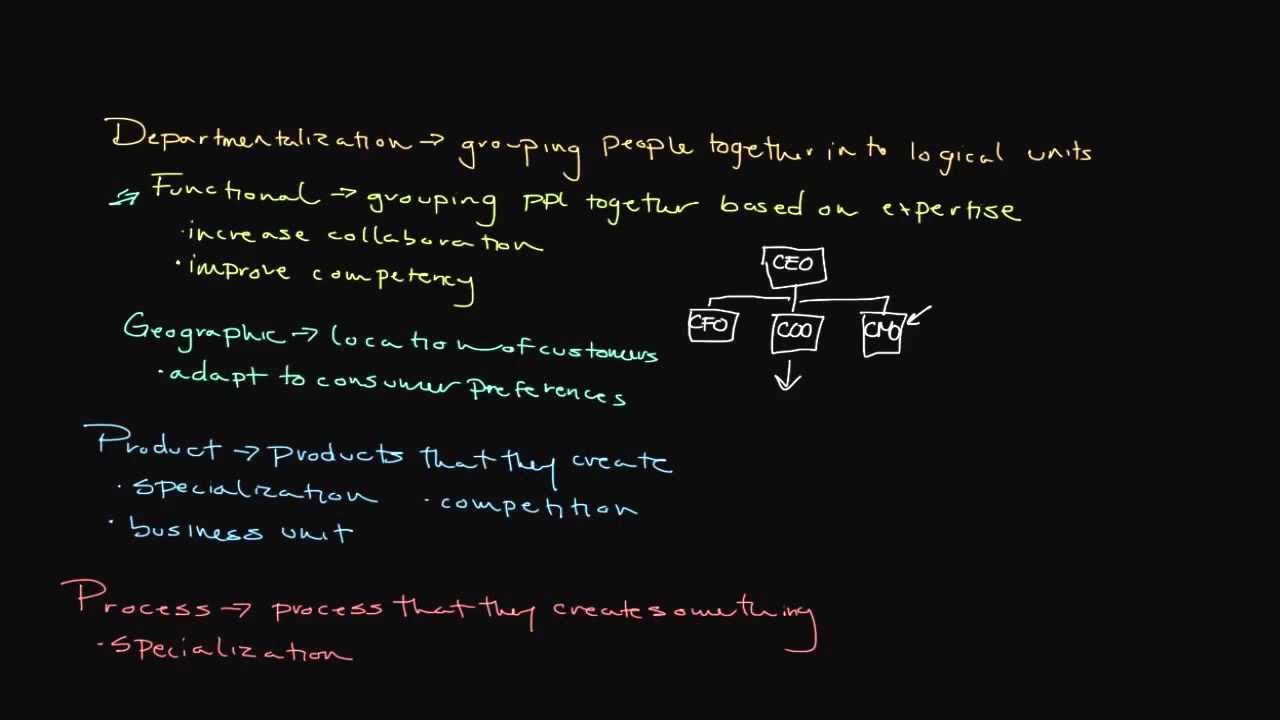
at apple so you have general managers now i'm going to show you what a simplified version of the apple organizational structure okay and it's important to say that that previous one that we've just looked at is what um apple used to have now if we look at the apple structure the simplified version that i'm showing you now what you've got is rather than having um the organization split up by product ranges you have it split up by specialisms or functions so we call this a functional structure so you have all of the specialists that let's
say look after hardware or software or and even breaking it down even further so you have all the specialists that look after let's say cameras you know the cameras that go into the laptops the phones etc um and you will have these people these specialists working together and they don't work on a whole product so they work on a part of a product okay and the only person who really oversees the whole organization and all of the products is the chief executive officer who in this case is tim cook and what that means is that
you have people working together to really specialize in their area and share expertise and i'll come on to that in a minute but what it means is that you you mean it's a structure that's usually found in smaller organizations and there's only one profit and loss center so you're looking at the profit and loss of the entire organization so to speak it might be split up into a few different ones but on the whole it's one large target that the whole company is trying to achieve so they're all working towards this one kind of target
which means that you've naturally got a lot more unity um the departments focus on expertise and those with and this is the really important bit those with the most expertise are the ones who make the decisions so you don't have a general manager that's looking after manufacturing marketing um and research and development making decisions in all of those areas because they're not an expert in all of those areas you have people making decisions about parts of a product because they are experts in that part and i'll give you an example in a moment they all
have to work together otherwise you'd never have a whole product because you are divided up by function okay whether that be marketing or whatever whatever you all have to come together to make that product successful and that's why you have one target because you're all striving towards the same thing and like i said no one but the ceo has that kind of uh responsibility for all of the areas now what apple have found is that this structure has made them more innovative and what's really important is to understand that it's not just that they grew
and then they forgot to change their structure they grew they had the kind of the traditional structure uh which was by kind of almost areas so uh product areas and then when steve jobs came back in he immediately in one day is said to have fired all of his general managers okay so he was very determined to get rid of this stricture because he didn't believe it was right for the organization at that time they weren't being hugely innovative and they weren't very successful they weren't leaders in the market certainly in any way shape or
form okay so um he got rid of that old structure on purpose and kind of put into place this new one and the reason for that and some of the advantages of that is really around talent management and people and the impact it has on people that work in that organization it helps you attract the best possible people for your for your company or at least the a players because people like to be managed by all the people that are specialists in that area okay you respect people that know that area one of the reason
you respect your teachers is you know you respect them if you know that they've been senior examiners etc etc is because you know that they know what they are talking about and it's the same with the workplace um and so what ends up happening is you attract this brilliant talent and it's important to understand that if you're going to be on the cutting edge of innovation and technology you need phenomenal talent you need really good talent to come and work for you and the only way that they'll come and work for you is if they
know that they'll be respected their ideas will be respected but also that they'll learn from mentors whilst they're there and so it really helps you attract the the most innovative stuff okay and there's this idea uh apple the experts lead experts it's not too hierarchical everybody can have a say but if you're gonna have a say you better know what you're talking about okay and so it really kind of pushes people to bring their a game uh and work incredibly hard and do their research and stay on the cutting edge of their industry and take
courses and keep training and developing etcetera okay and that environment as you can imagine leads to a lot of innovation um it also forces collaboration like i said you can't produce a whole product by missing out marketing who were then gonna sell it or missing out finance um and so you have to bring these people together and they have healthy debate essentially so in an article that i was recently reading they have a lot of debate at apple because um these different ideas come together and these different people come together and they hash out what
they want this product to look like and how much they will need it to cast them whether it's realistic etc etc and at every one of their junctures where they face a problem they kind of deal with it together because they have to to put the product together it also forces you to offer your very best ideas and if you play a sport for instance if you play against a harder team a tougher team you will end up playing better or at least learning from them and that's the environment that it creates and because your
targets are tied to the company-wide targets you bring your best ideas forward because everybody is doing that okay and i'm gonna give you an example um and over here i read about the dual lens camera and portrait mode that um in 2009 apple had the idea to have portrait mode and what they wanted to achieve was what a lot of kind of portrait artists a lot of um uh photographers that take portraits do which is when they are taking a photograph the focus is very much on the face and the background blurs so if you
use portrait mode in your camera you'll notice that it does that and they wanted to try and achieve that and so they wanted a very sharp picture at the front and blurred at the back however they were having real issues with getting the camera to recognize what was and wasn't important and they did something called the chicken wire test so i've got two pictures on the side in front of you and you can see the one on the left hand side because the chicken wire is at the front it sees it as important and it
doesn't recognize the face and in this case of the animal okay and so the animal ends up blowing in the background but on the image on the right hand side you've still got the chicken wire but it's a bit more blurred and the focus is on the animal and they had to work with over 40 teams had to come together just for the camera of this phone okay and they studied thousands of portraits and really looked at what the best was and they had massive debates and in the end they decided collectively to delay the
shipping of the phone until they could get it absolutely right and that's really important because remember their targets are tied to the company-wide targets and if you don't ship that phone it means you don't hit your financial targets that yeah and as a company what that does is it gives collective responsibility you're all responsible for the success of that company and therefore you naturally just buy into it and so that's an example of where the company structure really um affects kind of shipping of products and innovation now let's compare that to another organization if they
were just working in their silos you might have a team that goes you know what let's just ship the product it's not great we'll get it and we'll get it right in the next iteration or the next update but because you've got experts working together who are absolutely obsessive about their expertise and you've got 40 teams of specialists it's harder to get away with a substandard product because you've got people saying you know what it is doable i just need another six months or this is how we do it and because you've got such bright
minds working together they all want to push the boundaries and have only the best product represent them and so that's really important and that's one way in which organizational structure affects a business now you might be asking yourself now why doesn't every company do this and there's a couple of reasons um it's harder to manage you remember there's the fear that you may never ship anything because you can't get everybody to agree and one of the things that the article that i was reading was saying is that you can only be successful at apple as
a senior leader if you are willing to collaborate and we work in a world i think which is increasingly favored competition rather than collaboration and so that's a real culture change because people go into these big organizations as senior leaders and they want to shine and the idea of apple is that you don't shine as just an individual you take a team along with you and you are a specialist in that team and the chances are you are going to be recruiting students from stanford or harvard or mit who are brighter than you and not
being ashamed of that but learning from them and collaborating and sharing your expertise and collaborating with other people so it's a very different culture and it's very difficult to get right okay because people do like to shine as an individual now sometimes with this organizational structure as well you can really struggle to make decisions because people want to get everything perfect but one of the toughest things really is the recruitment the mass recruit recruitment of um expert staff and knowledge is increasingly becoming king and you look at organizations like tesla spacex you know facebook um
and really knowledge is king and you've got young people that are moving through the ranks who are just exceptional at what they have learned and what they do and the experiences that they have and they are looking for these mentors that are experts okay because they can go out and hire out their skills elsewhere um and so really attracting that pool of people is incredibly difficult um and so the structure stays the same um and but i do think organizations will look at this kind of structure more seriously in the future i hope that gives
you a good example of how organizational structure can impact innovation in an organization um beyond just oh you know it's it's big so it's a heist a you know it's a tall structure or it's a relatively small company so it's a small short structure and it goes beyond that it goes beyond that to culture and innovation and what that structure allows you to do