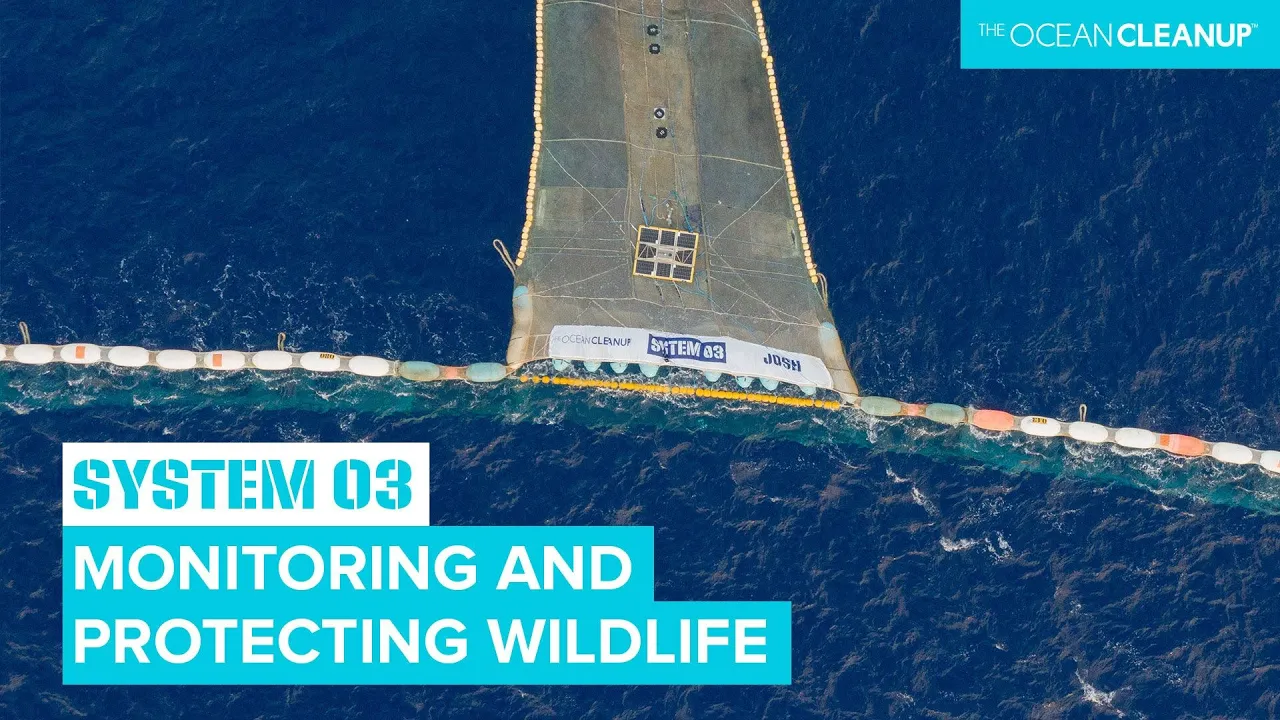
so this is the last trip of the year it's the second trip with system 03 and the main goal is to continue testing its performance and test how it performs in rougher weather which is because of this time of year we have a little bit more rough weather and we also aim to continue monitoring the wild life that occurs at the region and of course continue extracting the plastic my name is MAA I'm environmental manager for the ocean cleanup uh basically assuring that we have minimal environmental impact while we clean up our oceans we are
currently in the North Pacific uh in an area known as the Great Pacific Garbage Patch and this is where the cleanup operations are currently targeting so removing the Plastics that are in this large accumulation area we target hotspot areas which are basically areas that have a lot of plastic and this is done by comp computational modeling so you use different models that calculate how much plastic is in a determined area and we have Specialists on our team that do these calculations so we can collect plastic in the most efficient way possible we had our first
extraction here uh two days ago and it nothing prepares you for seeing that mountain of trash just coming down out of the extraction section of the of the system it's really quite something it was quite tough I'm not going to lie it is a lot of work it's a very manual work in separating the types of plastics and going through what was almost 12 tons of plastic that was on Deck uh in this last extraction so it is tough it's um quite manual laborsome but it's also very rewarding to see the amount of plastic that
were removed from the ocean the success is usually measured in how much PL plastic we can remove from the ocean per hour and another key indicator is um how much wild life is captured along with the plastic so we attempt to minimize that as much as possible and that's also something very important when we think about how much plastic we catch we currently have several different precautions to protect Wildlife uh the system is equipped with acoustic fingers that emit highfrequency sound that's to worn marine mammals that the system is there and make sure that they
swim away from it we also have green LED lights on the system which is also a warning measure so to make the system visible to Wildlife we currently have bottom holes on the retention zone so the retention zone is basically the net that's at the end of the wings that accumulates the plastic inside it and on this uh retention Zone we have three large bottom holes that allow Wildlife to escape if it wind lines up inside this retention Zone the system is also monitored uh 24 hours a day we have underwater cameras uh along the
retention Zone which are observed by environmental observers to make sure that no protected species no large fish no sharks are uh wind up are trapped inside the retention Zone we also have monitoring done through drone flights so above the water just to check that there's nothing hanging around the system in this trip we've had several encounters with marine life uh on the way out here a lot of dolphins we had some Dolphins bow riding the vessels which is always very nice to see uh that's a very normal interaction with uh with boats after we arrived
at the garbage patch and we started Towing we've also had some interactions we've had three whales hanging around the system for over a day um not inside the system they weren't interacting directly with the cleanup uh operation but they were hanging around I guess they were kind of curious and what we do to avoid any negative interaction in this case is to do continuous monitoring so the Drone was basically all the time flying over making sure that they don't get closer to the system and we slow down operations we make sure to move away from
the animals and in that way we can guarantee that there's no impact one of the challenging things is that we are two separate vessels so sometimes if we have an environmental event on the other vessel then we have to communicate very efficiently and make sure that we get everything right uh that's a little bit challenging but so far it has been it has worked out very well um sorting the plastic is also challenging it's it's very cool it's very exciting but it's also very tough like physically tough so that was uh also one of the
challenges and yeah I think that's basically it I'm looking forward to continue seeing how operations work and hopefully uh take all of these Lessons Learned and everything that I see out here to apply it um a little bit better to the Environmental Management and assessments that we do on Shore so I think that's my main takeaway is to actually see everything in person and use that to improve operations as much as we can environmentally