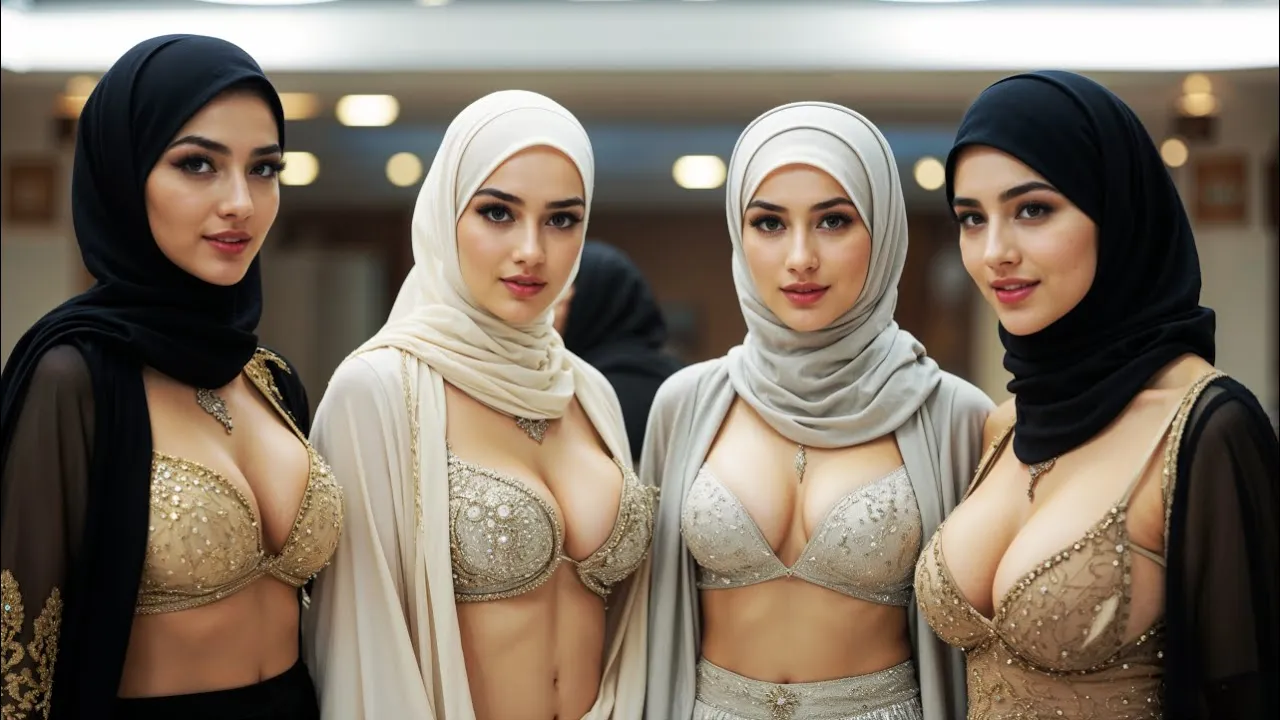
do you think you know everything about Muslim women get ready to be amazed behind the veils and traditions lie stories that movies never show lives filled with breathtaking courage challenges and triumphs imagine secrets so fascinating and sometimes shocking that they might change everything you think you know about the Middle East but why do these stories remain hidden perhaps because it's easier to judge the unknown than to try to understand it if you think this is just another superficial look you're mistaken we're about to uncover astonishing truths that will touch your soul and forever change your
perception warning after diving into this fascinating Universe you'll never see them the same way again the lives of Muslim women in the Middle East are a mosaic of experiences that transcend the widely held stereotypes often these women are viewed through a single lens that doesn't reflect the diversity of their stories while some face challenges due to social or cultural Norms others are leaders in their communities renowned scientists and Visionary entrepreneurs take for example Dr hayatt Cindy a Saudi biochemist who revolutionized the medical field with her Innovations each Journey reveals a reality as diverse as it
is captivating the cultural richness of the Middle East also manifests in the traditions and practices that shape the lives of these women from music to poetry there is a deeply intertwined cultural heritage with their identities Muslim women play a vital role in preserving these Traditions passing them down from generation to generation have you ever thought about how these practices shape a person's identity creating an unbreakable connection to their Roots it's a whole universe hidden behind the prejudices many still hold of course the challenges cannot be ignored in some regions social norms restrict women's access to
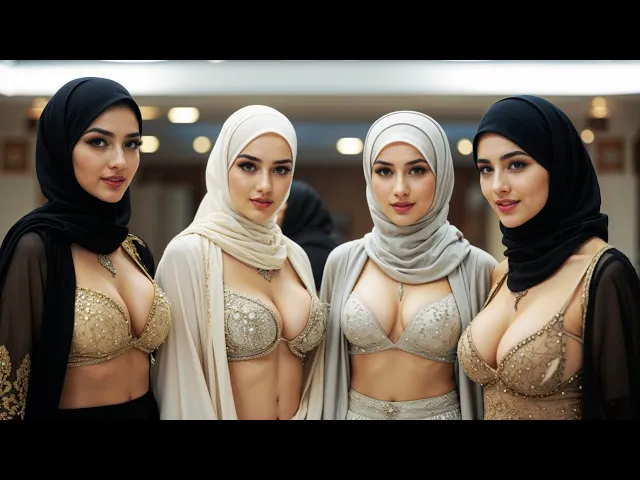
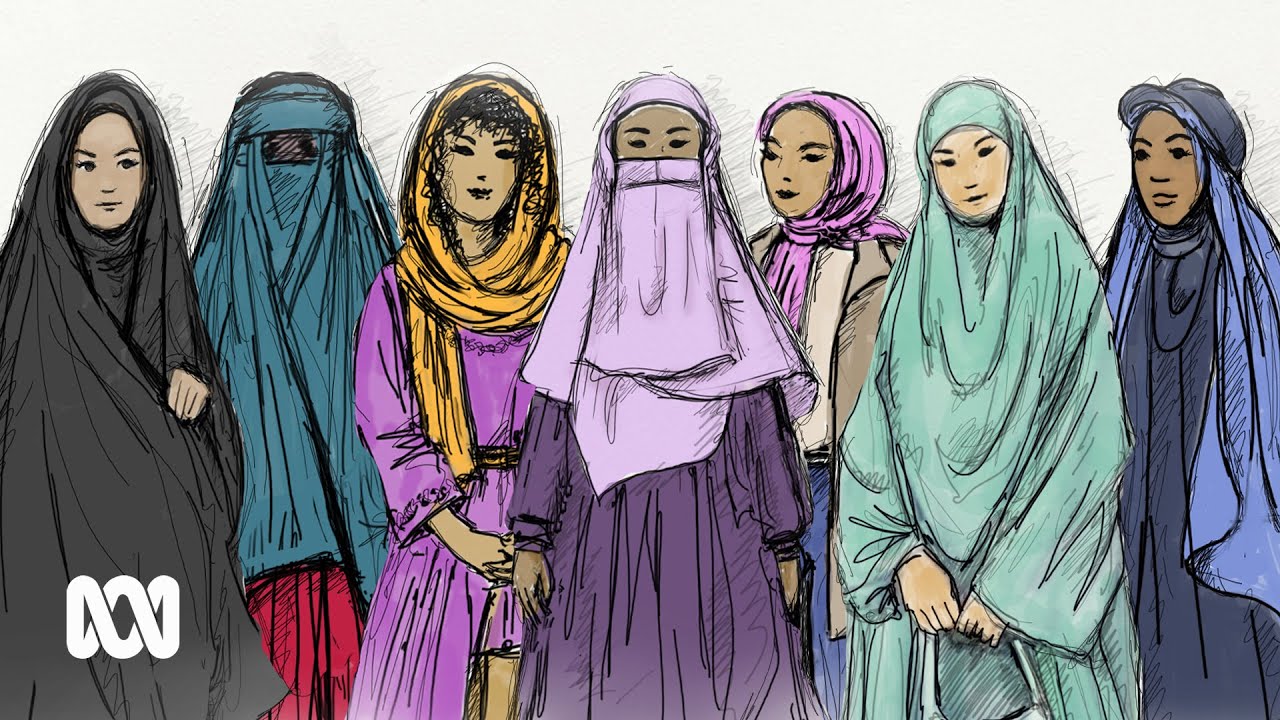
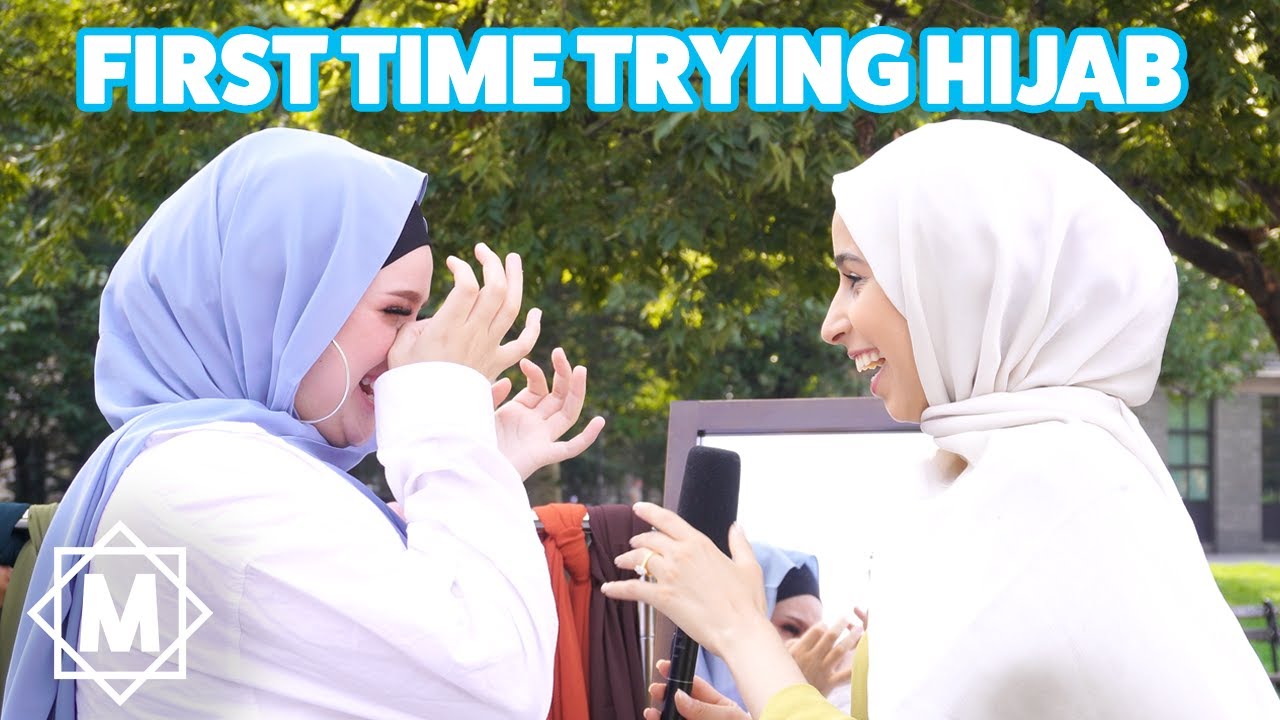
certain rights such as the freedom to study or work however there is a growing movement of women breaking these barriers when discussing Muslim women's clothing in the Middle East it's impossible to ignore the cultural and religious significance it carries the hijab for instance is far more than just a piece of fabric it's an expression of modesty faith and identity but it's a mistake to think all women wear the same garments while some choose the hijab others wear the Abaya nikab or burka depending on the region and local traditions even so the regulations surrounding attire often
spark heated debates in some countries like Iran or Saudi Arabia strict laws mandate how women must dress with severe penalties for non-compliance on the other hand in countries like the United Arab Emirates there is a greater balance between tradition and individual Freedom fostering more harmonious coexistence between cultures think of women like halma Aiden the first model to walk the runway wearing a hijab who redefined beauty standards and opened new doors for Muslim women in the Fashion World marriage for many Muslim women in the Middle East is a right of passage filled with significance however in
some communities it can also be a burden imposed by cultural and family Norms arranged or forced marriages are still a reality in various regions especially where tradition outweighs individual desires imagine a young girl just 16 years old being forced to marry a much older man to streng Len family ties or resolve economic issues this practice although condemned by many human rights organizations continues to cast a shadow over the lives of countless women the restrictions go beyond marriage in some countries women's freedom of movement or professional choice is limited by deeply entrenched social norms many must
seek the approval of a male Guardian to travel study or even work feminist movements and activists are Paving the way for significant changes and INSP spiring example is Saudi women gaining the right to drive in 2018 a milestone that symbolizes the start of a new era when it comes to Beauty in the Middle East the first image that comes to mind is eyes highlighted with coal and intricate henna designs on hands these practices far from being merely aesthetic hold deep cultural meanings for Muslim women the use of argan oil for instance is a care ritual
passed down through generations not only to hydrate skin and hair but also as a symbol of connection to Nature these rituals don't just enhance Beauty they strengthen Community bonds and deepen the sense of belonging even the use of perfume is treated with reverence seen as a way to elevate the spirit and create a sense of well-being but of course it's not all perfect access to beauty products and treatments can be limited in some regions due to social norms or economic constraints still many women find creative ways to keep these practices alive adapting Traditions to fit
their realities and while this connection to self-care is fascinating there's another equally striking aspect the relationship between Muslim women and contraceptive methods access to contraceptive methods in the Middle East is a sensitive issue surrounded by cultural taboos and religious influences in some areas cultural norms make open discussions on the topic difficult limiting access to Reliable information imagine living in a place where even the word contraceptive is a taboo subject that's still the reality for many women despite these barriers significant progress has been made in some countries local and international organizations have been working to educate
communities on the importance of Family Planning respecting the boundaries set by religion and culture for instance in countries like Egypt and Jordan Community programs discreetly provide information and access to methods however these advanc Es are uneven and many women still rely on traditional practices or face societal pressure to have children at an early age reinforcing the cycle of inequality and if the challenges in healthc care are numerous it's equally fascinating how the concept of Purity both spiritual and physical shapes the lives of these women Purity both spiritual and physical is a central Concept in the
lives of Muslim women in the Middle East practices like woodoo the ablution before prayers and gusul the ritual bath are more than just religious rituals they symbolize a deep connection to Faith and self-care for many these moments are opportunities to refresh their minds and Spirits preparing for the day or for significant life moments it's as if every drop of water washes away not just physical impurities but also the worries of the Soul these rituals also offer practical lessons that can Inspire anyone regardless of Faith the the act of washing with intention for example is similar
to Modern mindfulness practices where the focus is on the present moment still balancing these Traditions with the demands of contemporary life can be challenging women who work study or live in non-muslim environments often struggle to maintain these practices in their daily routines despite this many find creative ways to preserve these rituals adapting them to the context in which they live and of course these adapt ations and acts of resilience lead us back to the broader question of how these women live resist and transform their realities in the Middle East now that you've learned a little
more about the fascinating and often misunderstood world of Muslim women in the Middle East the question is what will you do with this knowledge will you keep believing in Easy stereotypes or will you start looking beyond the surface because the truth is the lives of these women aren't just full of challenges they're full of strength Beauty and an enviable resilience so here's an invitation keep exploring learning and questioning everything and since you've made it this far don't forget to subscribe to the channel and turn on notifications there's so much more to discover and together we
can change perspectives and maybe even the world what do you think