hi it's Mr Anderson and in this podcast I'm just going to give you an overview of biology biology as most of you know is the study of life but former students that I have don't usually go on to major in biology they go into to major in Biochemistry or molecular biology or Wildlife ecology or evolutionary biology or they become a biophysicist and so there are lots of different disciplines that use the concepts that you're going to learn in Biology and even myself I worked in a biofilm lab for a couple of Summers and just having
a basic understanding of biology I was able to follow most of the conversations that the the professors were having just understanding some of these four Concepts and so basically those four big Ideas were developed by the College Board as they developed the new AP biology framework but they're pretty good pretty good standards and so those are Evolution free energy information and systems in other words these are four big ideas that are going to to cover all of biology and so as you watch the other podcast you should always be looking back to these Concepts and
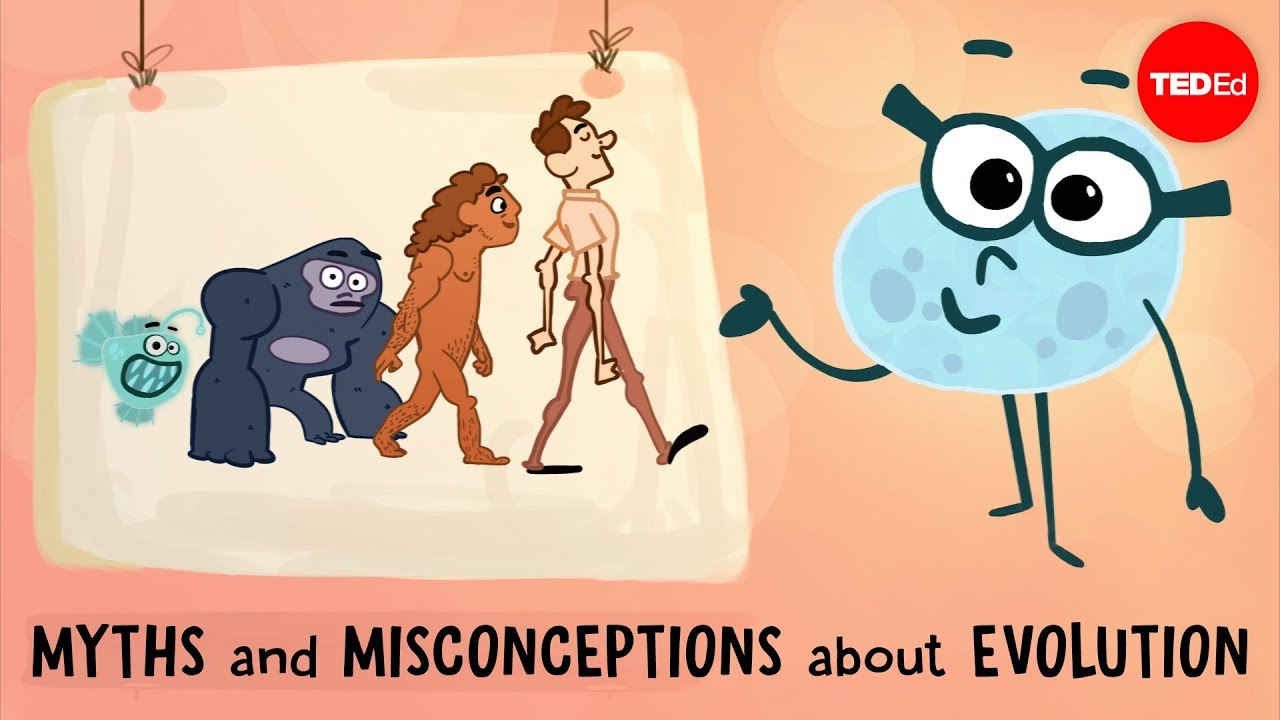
figuring out which ones if many it might fit into and so the the first one we'll start with is evolution this is where I always like to start the year and this right here is a picture of Charles Darwin early in life when he was starting to formulate his ideas on natural selection and if you ask people what did Charles Darwin do lots of times they will just say oh he invented biology uh or he invented evolution and that's really not super accurate he did was a proponent of evolution and I love this right here
it's taken right out of his notebook and basically he's this is a private notebook and what he's saying is I think that all life shares common ancestry there was one life form on the planet and that split into two and many after that and if we look at this is the philogenetic tree of life that we have today it looks a whole heck of a lot like that early dry of Darwin with bacteria ARA bacteria and ukar on the side and if we find us we're way up here on the animals and so he was
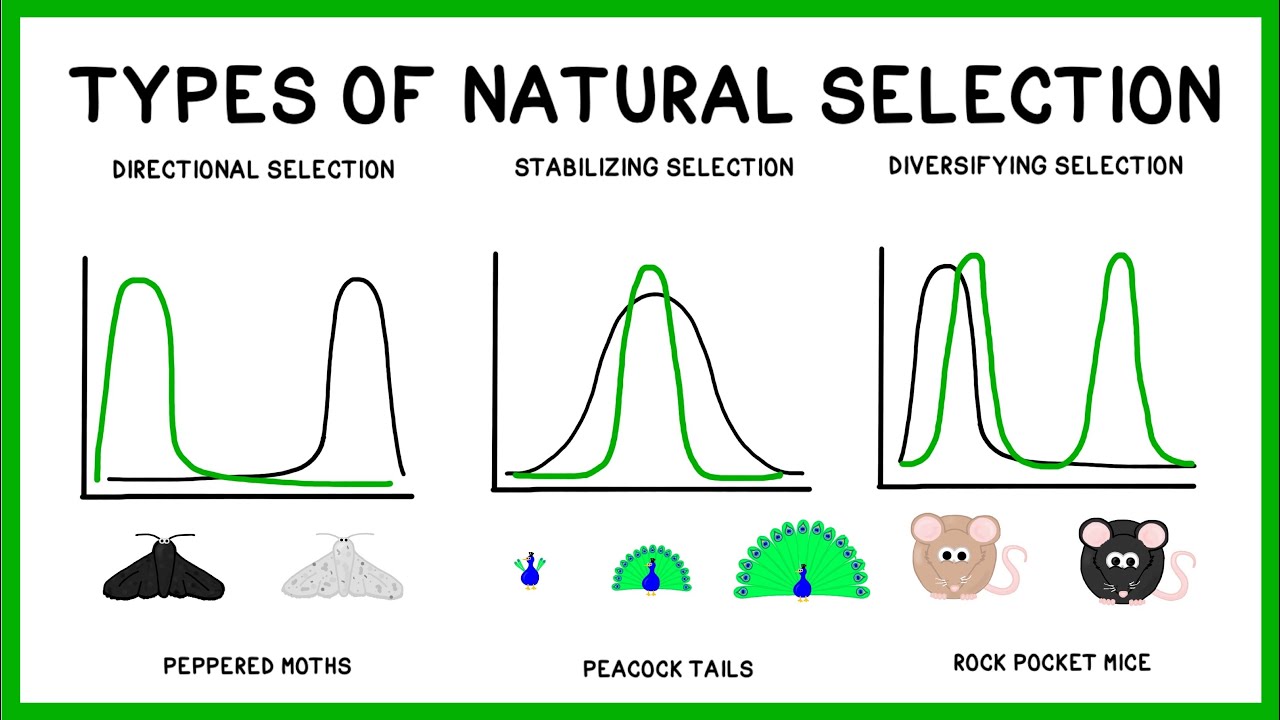
a proponent of what we call macro evolution in other words species forming new species but what really makes him uh special is that he was the first one to come up with a mechanism to explain how adaptation and evolution actually works and that's called natural selection the quintessential examples with the peppered moths and so pepper moths in Europe have two different phenotypes or physical appearances dark and light the trees were light relatively but during the Industrial Revolution so much soot coming from the coal was making the trees turn black and so if you were a
bird back in the day you would pick on the white moths but as the trees got darker and darker and darker then they started to blend in and the tree and the birds were starting to isolate on these white moths and so we saw a change in the number of each of those and so basically the MS aren't changing their appearance it's just selection in nature that's determining that and so basic basically it's the idea of natural selection now the one thing that you should remember is that there are actually five things that can cause
evolution and natural selection is simply one of those five the other four are small sample size non-random mating mutations and then immigration or Immigration Movement into or out of a population but if we ever get change in the frequency of a gene pool Evolution has occurred natural selection is that fifth one and the nice thing about natural selection is it allows organisms to become better adapted to their local environment and that's all Evolution really is next one is the idea of free energy and what this means is that energy is going to flow from the
Sun to the Earth on the earth uh plants or producers are going to use the pro the process of photosynthesis to convert the energy into that into sugar so converting it into sugars that they can build plants out of and they can use for energy because plants also do another process called respiration respiration is a way to release the energy found in sugars uh generally in the form of ATP and so energy is going to flow in this direction to the Earth through photosynthesis to sugars to respiration to ATP and then it eventually all leaves
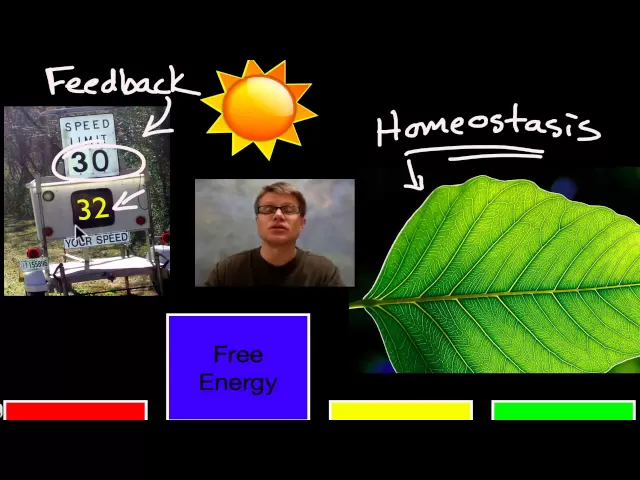
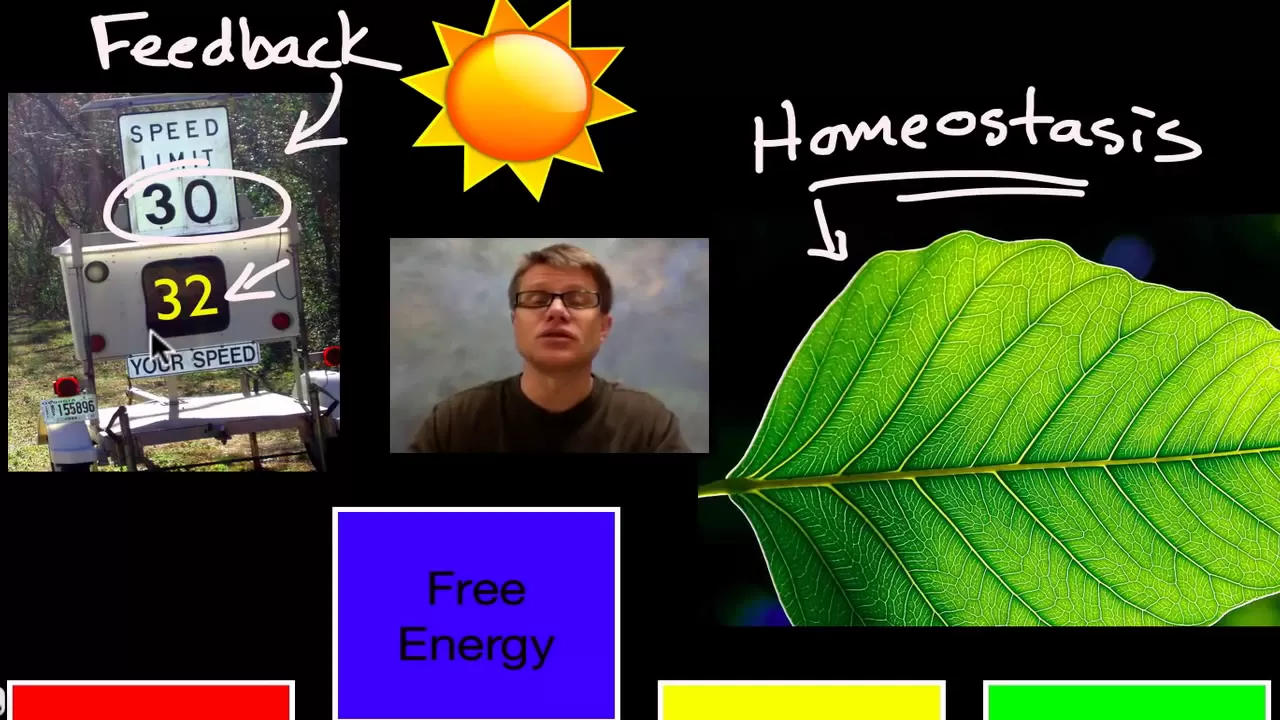
us something called heat and so free energy is a big concept basically what it means is it's energy that's aail available to do work or energy that's available to do something now another thing that's important though within this idea of free energy is just maintaining a stable internal environment in other words in this cruel Universe where energy is Flowing um it's important that you maintain what's called homeostasis and so also within this big theme of free energy is the idea of homeostasis maintaining a stable internal environment and that's what a plant does if you can't
maintain homeostasis then you're dead and so the way we do that is using a feedback mechanism and so the best example I can come up with for feedback mechanisms are these speed signs like this so you drive by your speed is 30 m an hour it's supposed to be 30 m an hour and so you notice that your speed is a little fast and so you slow down and now all of a sudden let's say it's 26 then you speed up and our body is doing the same thing like for example inside our body it's
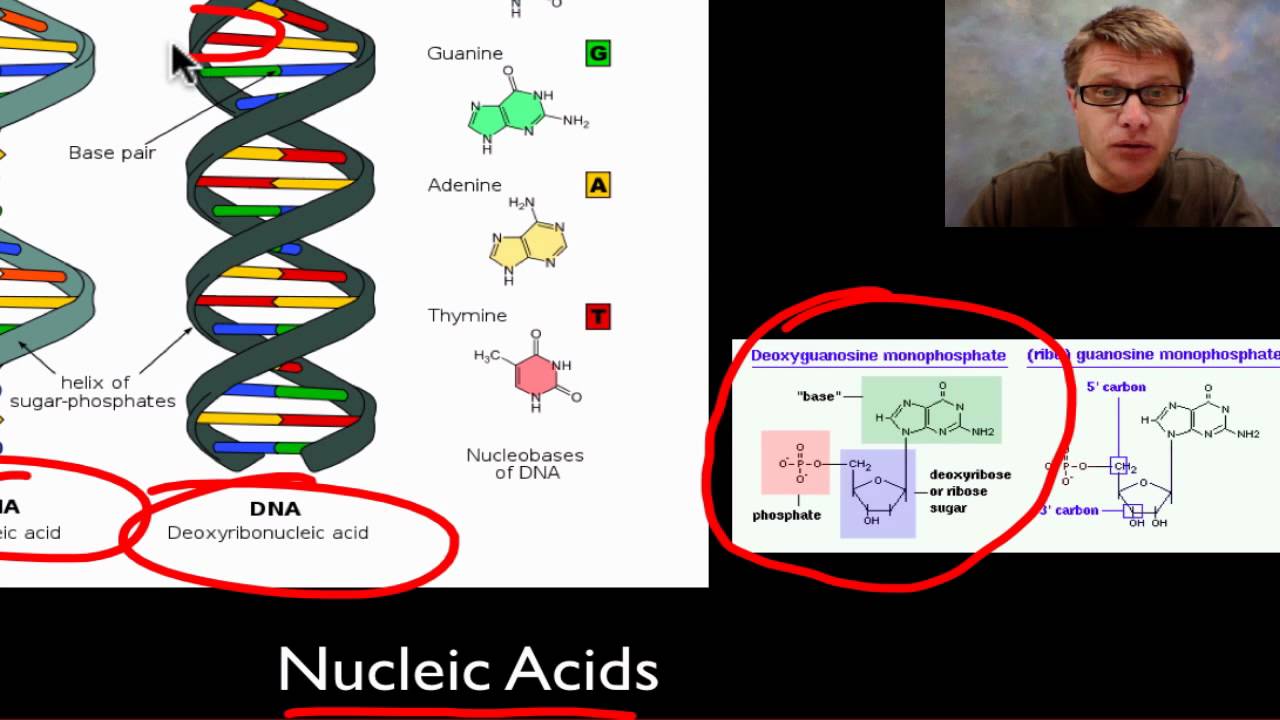
98.6 de uh Fahrenheit and how do we maintain that we maintain that through homeostasis but there's so many other things that we maintain inside our body like blood glucose level blood calcium level all of these things have to be maintained osmolarity in order to keep ourselves alive and we're we're utilizing free energy to do that next thing would be the idea of information uh that's information flow from organism to organism generation to generation and and remember the one thing that we use to do that is DNA and so DNA has really taken over biology when
I learned biology we it wasn't as big a role as it is today and when your grandparents studied uh biology olog really they didn't know much about DNA at all in fact in the 50s is when they finally unlocked the shape of it but this is what we would call the central dogma of life and what that means is that basically the DNA sits in the nucleus of your cell it makes RNA and that RNA makes proteins and then those proteins make you and so you are basically uh the result of proteins and protein action
but it's the blueprint or the DNA inside you that says this is the proteins that you need to make and when you need to do them and so that information flow is super important and if we were to go back to that first organism what did it have well it had DNA and that DNA has been copied and mutated and changed and selected through time to create all the organisms that we have on our planet so information is super important within this would be the idea of genetics and genes this over here is Gregor mendle
and really unlock that idea you probably learned how to do punet squares but what a gene is what an Al is is important and then one thing we're starting to really figure out is that you're not static in other words you're able to respond to your environment and so a big thing that's becoming more and more important is cell communication in other words cells are communicating communication hope I spelled that right uh cells are communicating with one another so this right here would be a signal transduction pathway where a ligan hits on a protein and
you have a series of chemical reactions and so we can actually Express a gene and we can make a protein to do something but nerves hormones um pheromones all these things are examples of cell communication so it's the transfer of information even a wolf H howling at night uh is an example of information transfer so that's another major theme and then the final one is the idea of systems in other words in biology we're built on this hierarchy of life it's sometimes referred to as what that means is that basically living things are made up
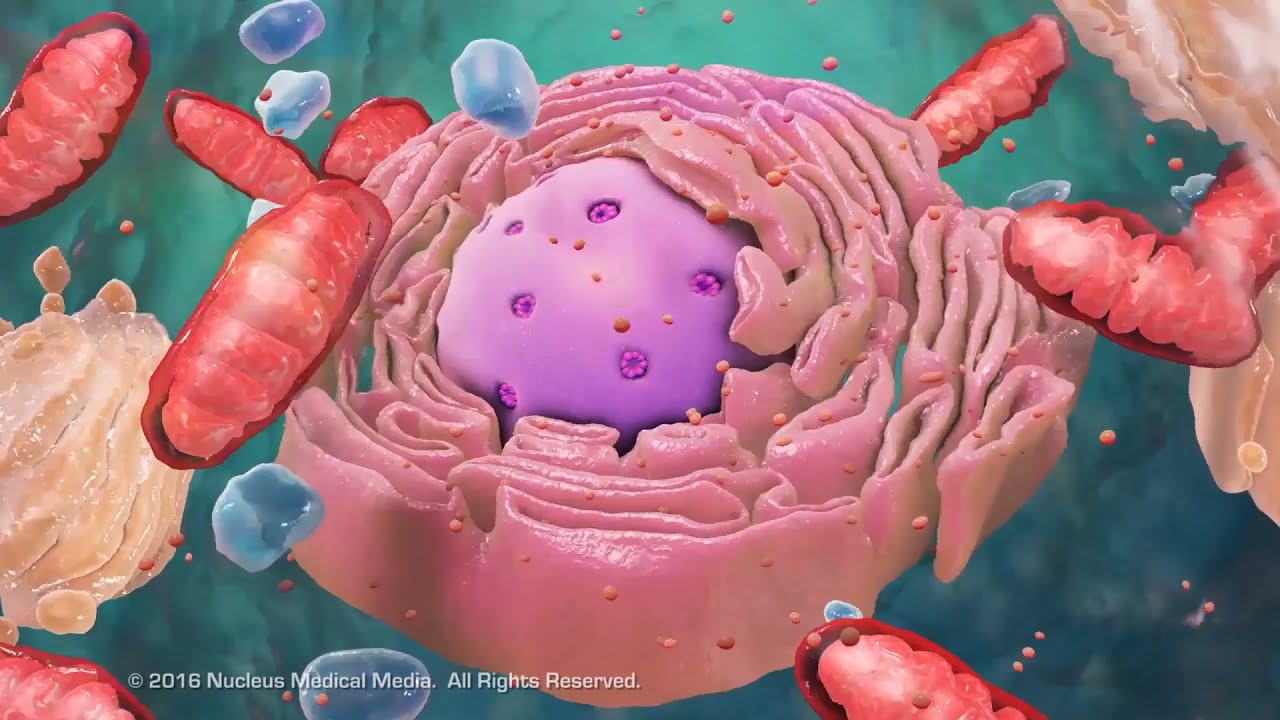
of carbon compounds those are organized into macromolecules which make organel which make cells which make tissues which make organs which make organ systems which make organisms which make populations which make communities and ecosystems and biomes and biospheres so there's this hierarchy of life and so we have all these different systems and at each of these different levels what we start to get are emerging Properties or properties that weren't there the level before and so systems and and uh the way systems are organized is important but just as important as that are interactions and so this
right here is EO Wilson he's he's probably the most famous biologist alive today but basically you would refer to him as the father of biodiversity and what he has has become famous for showing is that in these major ecosystems we have interactions between different populations symbiosis and so all these systems are interacting together and so all the organs in an organ system like the circulatory system are working together but so are all the populations in a community and so systems and interactions are also another major theme in biology and so that's kind of the four
major themes in biology it's again something that you always want to look back to when you're when you're studying new material and I hope that's helpful