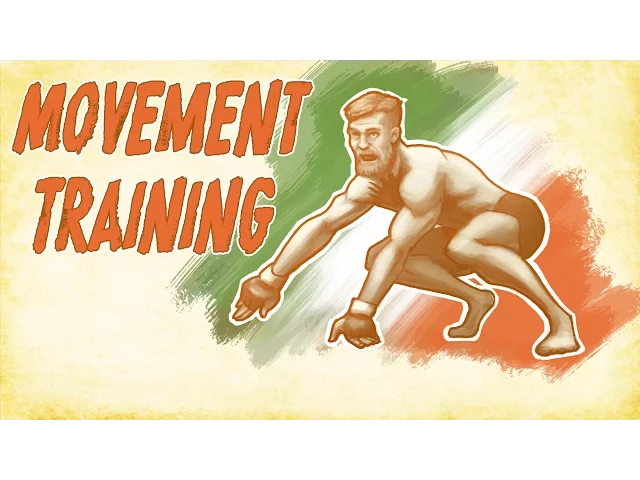
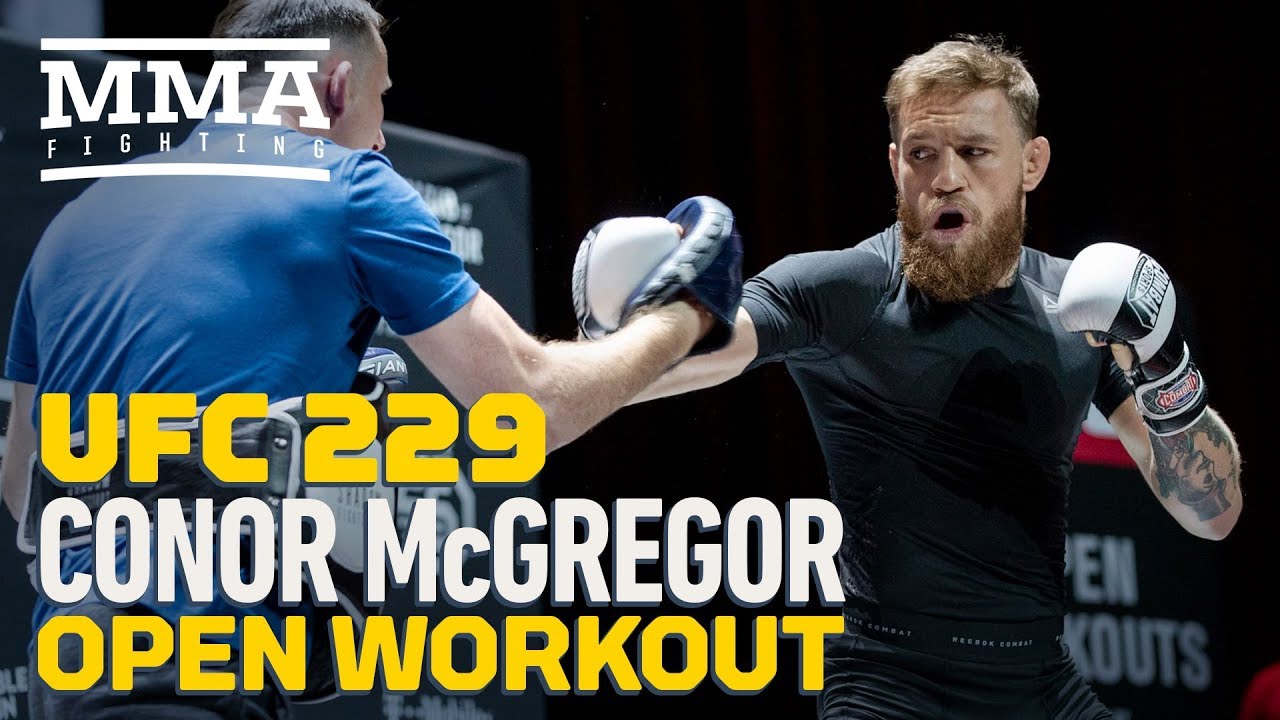
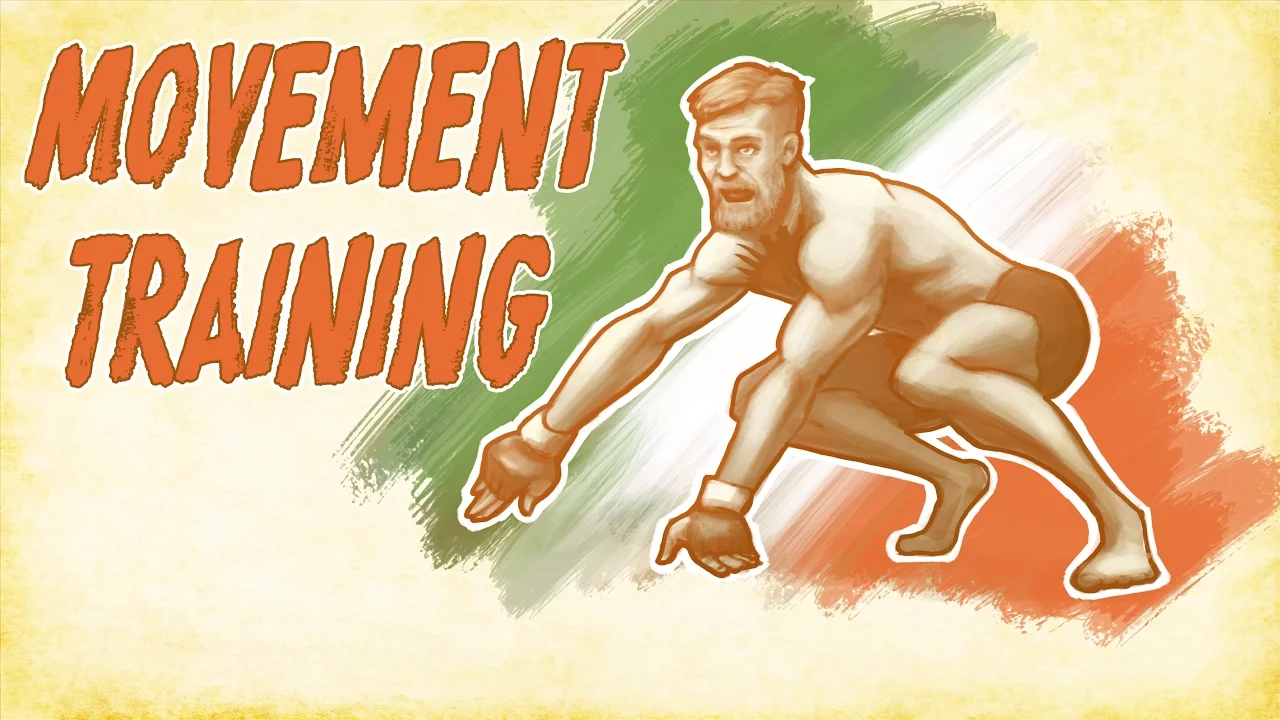
movement training is sweeping through the fitness world right now some people love it some people hate it but most people just really don't get it they don't understand what it's all about they don't understand what it does for you and they really don't understand why Conor McGregor keeps swearing by a few well in this video we're going to quickly demystify the subject for you movement training in its most basic sense its training to become a better mover but that doesn't tell us a whole lot because every sport and every type of athletic training deals in
the currency of human movement what really sets movement training apart is the fact that specialization is avoided while generalization is maximized this means variety as opposed to frequency is king in the movement training world the goal being to maximize the adaptability of the individual traditional training models tend to use bound movement patterns with high repetition in order to enhance the athletic ability or improve health and by bound I mean that you are bound to a predetermined pattern for a set time or a set number of repetition there are benefits to this model but it has
at least one major flaw in its application to athletics and real-life movement demands in real life movement happens in a flow of constantly evolving movements and circumstances with few exceptions you ever actually see bound movement patterns and realize in movement training the goal is the same as the means of attaining a constant moment-to-moment reactive creative flow of human movements the power of this kind of training isn't measured in numbers its measured in quality in tangible qualities like finesse grace of movement ease of movement in any situation any circumstance as you gain mastering this you will
become an artist of human movement unleashing your own movement potential as an individual which is in large part why has seen such a huge following in the martial arts and in particular the mixed martial arts community mixed martial artists are required to move 'nearly all ranges of motion they must be completely aware of their opponent at all times and this whole situation is rapidly evolving second set movement turning prepares the body in the mind for exactly this kind of real-life movement demanding boomer training can easily be an athletic practice all to itself in fact it
is in many ways complete a philosophy of training that one lives by and part of this philosophy is the use of any and all movements that may expand or even interest the mover this also includes the use of more traditional training methods which focus on more specific movement patterns and high repetition this type of training can create a great deal of strengths and stability and key positions or movement that the mover is in need of in order to advance this traditional type of training can really create a great deal of strength and stability in key
positions or key movements that the mover might need in order to advance these two training modalities when use in a balanced and intelligent manner really tend to augment each other in fact the beginning movement training experience for most people will be a routine of bound movements designed to rehab anatomical imbalances and create the mobility and strength necessary to really start exploring these more advanced movement qualities and movement routines this provides a foundation for the student of movement to really build upon well this is a little tough to answer because movement training is all about being
adaptable and self expressive so it can take nearly any form to paint on the environment the circumstances and the mover but there are some basic realms of human movement with movement training routinely explores and in fact a well-rounded movement trainer is usually somebody who has explored these realms and has gained a certain level of experience and skill across a broad spectrum of human movements so real quick we'll go ahead and go over these first its ground training ground training is anything done while remaining on or low to the ground this usually involves crawl roll low
squat movement ground presses low invert a lot of transition it tends to be great for building overall body strength stability and body control a few popular examples of ground movement are either Portales Floreal sessions I mean this guy is a true artist of the ground game check these out on YouTube they're amazing and to Mike Finch's animal flow team this is a really great selection of some really fun and effective ground movements it's one of my favorites the next realm is bipedal movement this is a huge realm of human movement in a span from martial
arts and dance to running live ball team it's great for learning graceful movement and coordination there's a lot of variety here in a lot of room for personal style some great examples of parkour tricking both of these develop incredible grace and really fine motor control next is brachiation and climbing this realm of movement includes rock climbing tree climbing as well as any movement requiring you to be suspended by your hands and your arms it's really great for building upper-body strength and really it's just a ton of fun this is probably one of my absolute favorite
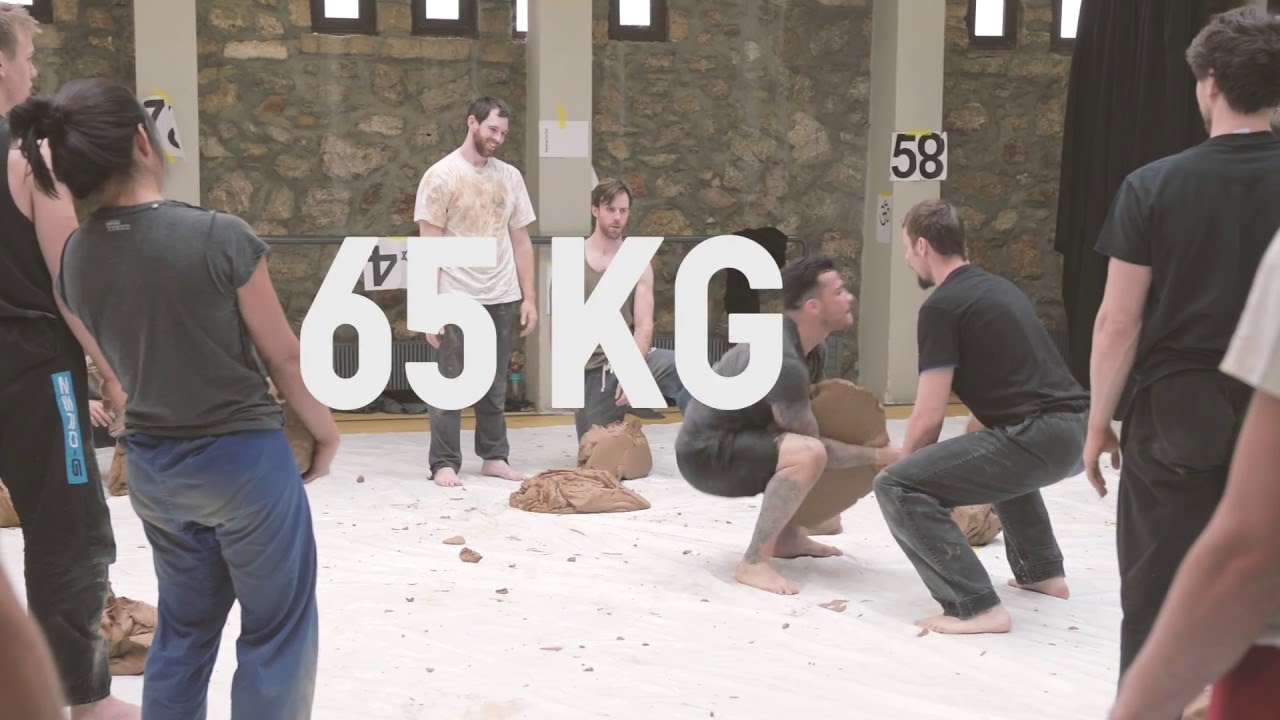
types of movement to experience some great examples of brachiation include king of the bar if you've seen that on YouTube that's pretty amazing stuff and American Ninja Warrior competition at the almost everything they do seem to be brachiation the next one we're going to talk about is manipulation manipulation is the realm of manipulating external objects or manipulating the body using external objects as a source of rounding this could include throws lift carries or the body manipulations like the human flag or para lettering some popular examples of this include the strongman contest gymnastics and calisthenic athletes
while these four are the most common realms of movement there are still many more including aquatic movement combative movements expressive movements and on and on and these movement patterns are not only confined to one realm many patterns fit in multiple categories in any event these divisions are only conceptual and they're just there to help you train the desired result is free-flowing movement whether it is bound to a system such as a specific sporting event or completely unbound such as parkour which can go from ground movement one second to bipedal movement the neck ultimately this type
of training is all about the experience of movement exploration and refining and expanding of their movement capabilities well guys that's all for this video if you enjoyed be sure and click like if you want to see more subscribe you'll free to comment or question and as always keep moving everyone [Music]