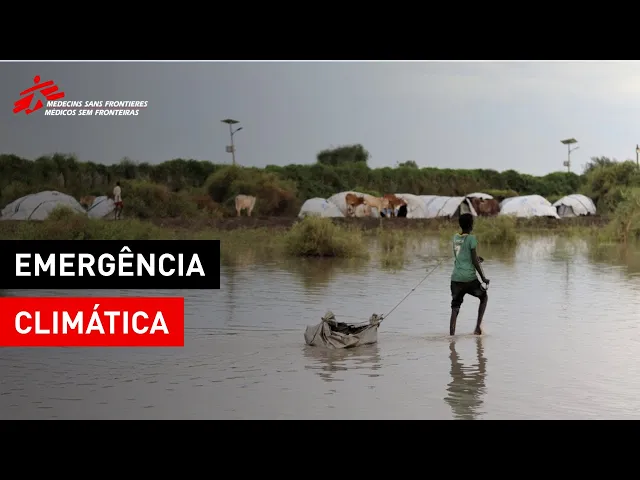
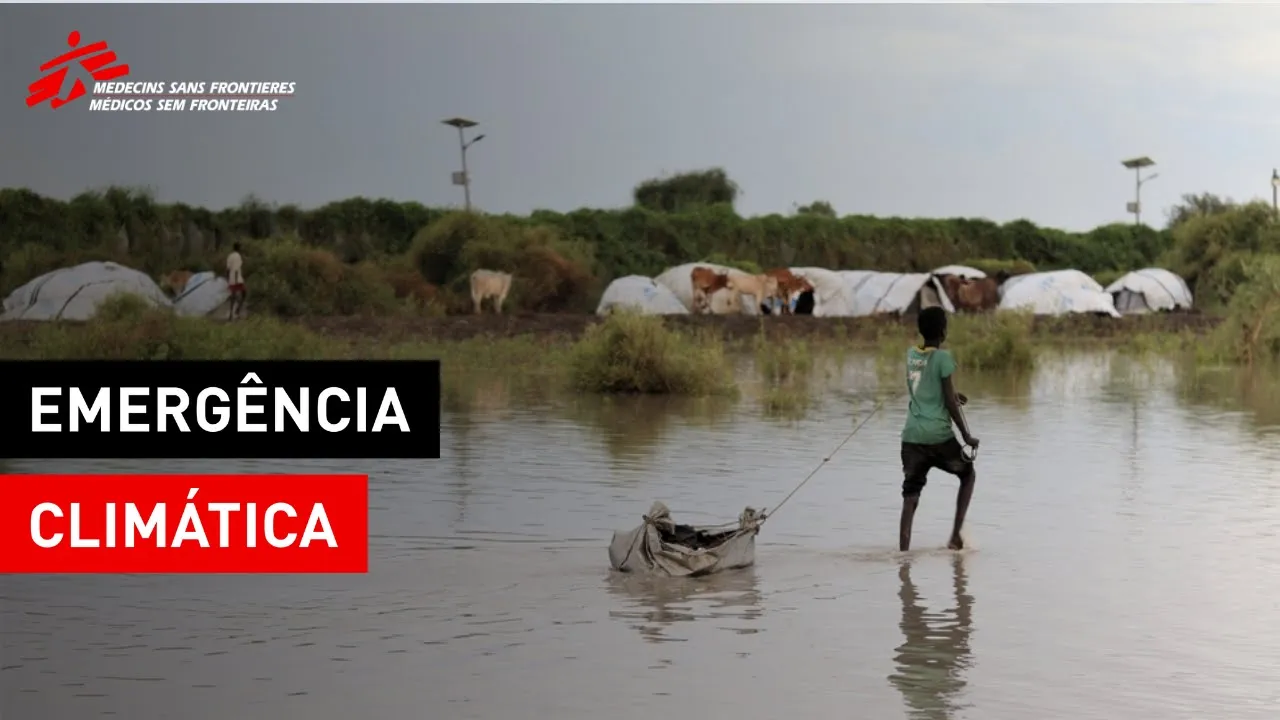
there can be little doubt that our global environment is changing the signs is unequivocal it's all too clear that we'll be seeing rising temperatures and sea levels more frequent and intense extreme weather events such as heavy rains heat waves cyclones and floods this will impact fundamental issues like access to food and water this in turn will impact people's health we're also likely to see new and changing diseases and people falling sick because of pollution and people will start leaving their homes as some places become uninhabitable over time all existing projections point to large scale changes
ahead and we can only anticipate the humanitarian needs this will bring and we need to adapt the way we work to be able to respond we know from experience that is the most vulnerable who'll be the most affected making them even more vulnerable we know because we're already seeing them in our waiting rooms we're now looking at how we can best address this and get ready for the future we have chosen to do this through the lens of planetary health planetary health is a relatively new health discipline uh it focuses on the changes that humans
are making to our environment and the impacts that that has on human health these changes to the environment destabilize the natural ecosystem causing climate change and pollution of our air soil and rivers this in turn affects the water we drink and the air we breathe it means we will see disruptions to our food production systems and changing patterns of diseases such as malaria it means we may see new diseases we didn't know before and also the re-emergence of other diseases as the ecological conditions for transmission of diseases change the main idea behind planetary health is
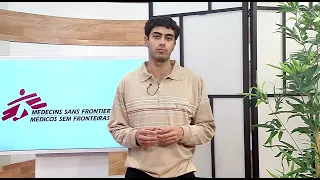
that it is looking at how all this is linked and how humans are responsible for these changes our health depends upon the well-being of the planet and the well-being of the planet depends on how we act it is all linked [Music] we are a medical humanitarian organization so it touches us in two fronts it touches us as medics because as medics we are con we are concerned about the health of the our patients their communities and the populations we are trying to serve but also as a humanitarian we are concerned to preventing negative outcomes of
humanitarian crisis and we do know that the environment has an impact on health and has an impact to worsen already existing humanitarian crises so it's part of who we are in a way we are seeing now malaria in places where they were not before because the mosquito now can survive we see introduction of mosquito-transmitted diseases such as zika or dengue in urban settings in a larger scale if the water change temperature the vibrio cholera can survive easier so there is a direct link between environment and environmental conditions and mainly the vector transmitted diseases [Music] [Music]
we can cure people but we also have to avoid making people sick so we have a double responsibility as a as a medical organization of restoring physical health but maintaining environmental health to avoid people getting sick tomorrow as running hospitals as running large medical programs we are reviewing our way of working in those programs to be able to provide the same level of care and and and with the same speed and impact but trying to make it in a way that does not contribute to the climate emergency you