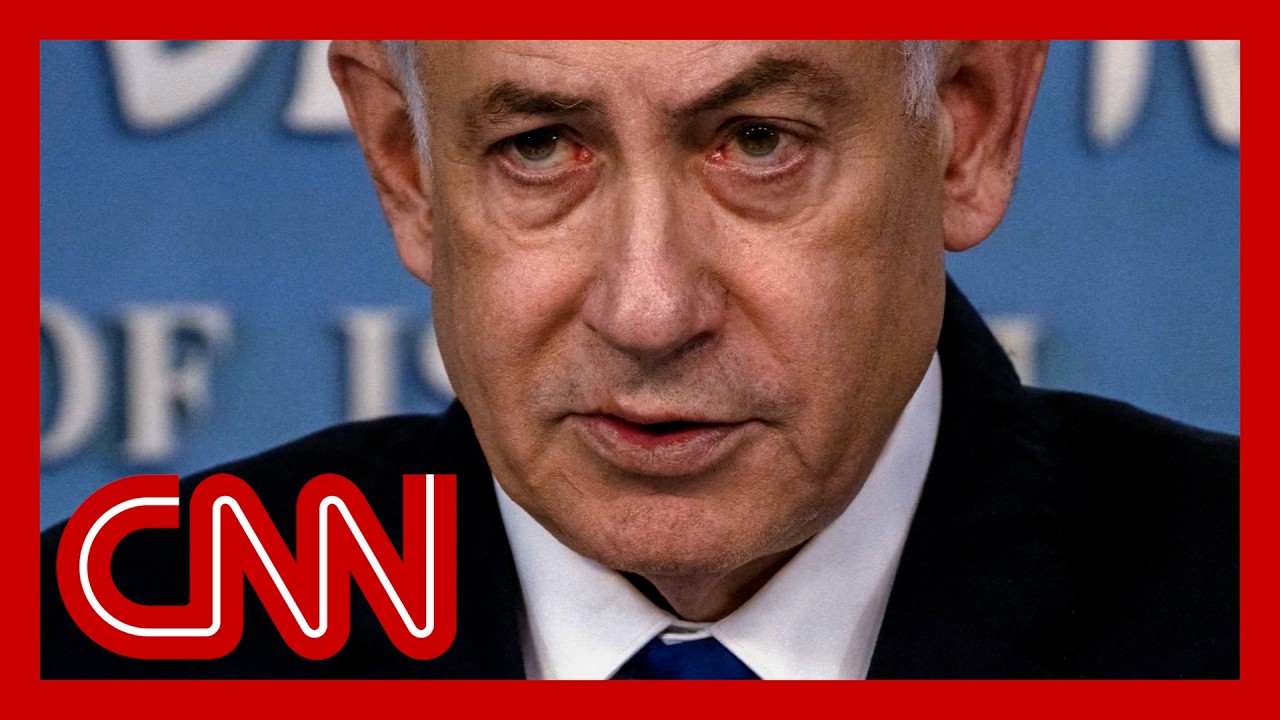
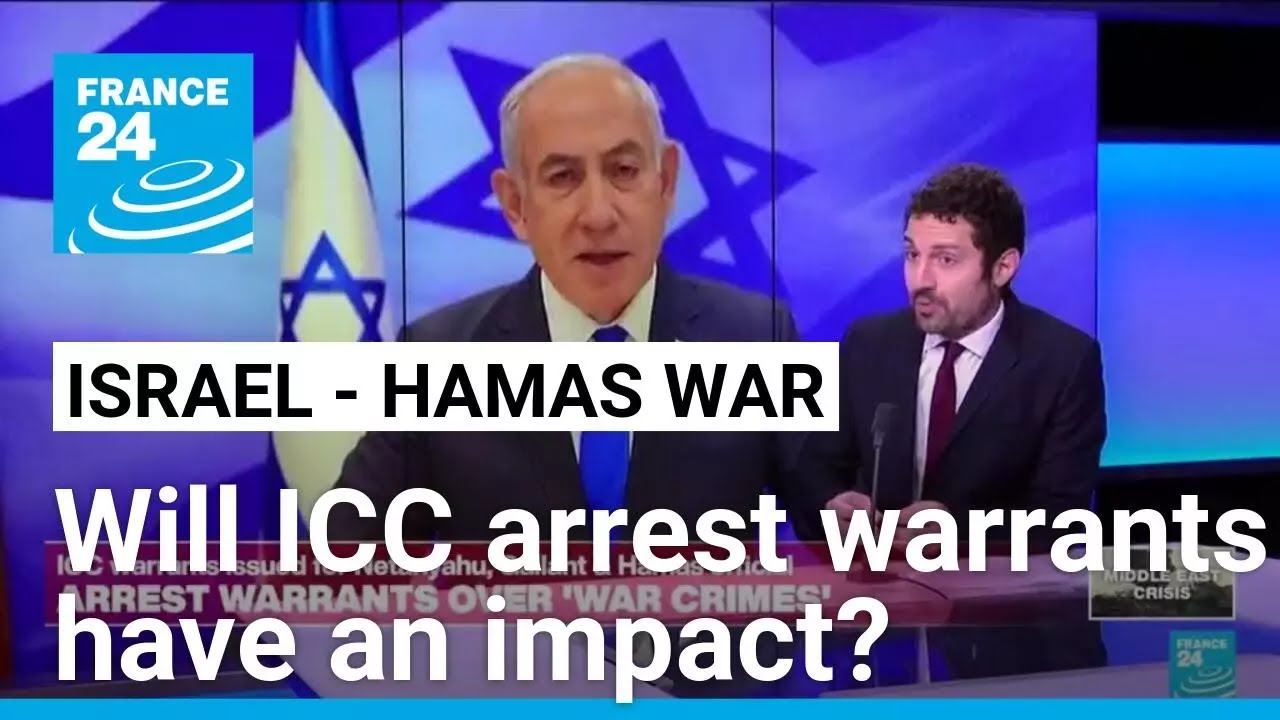
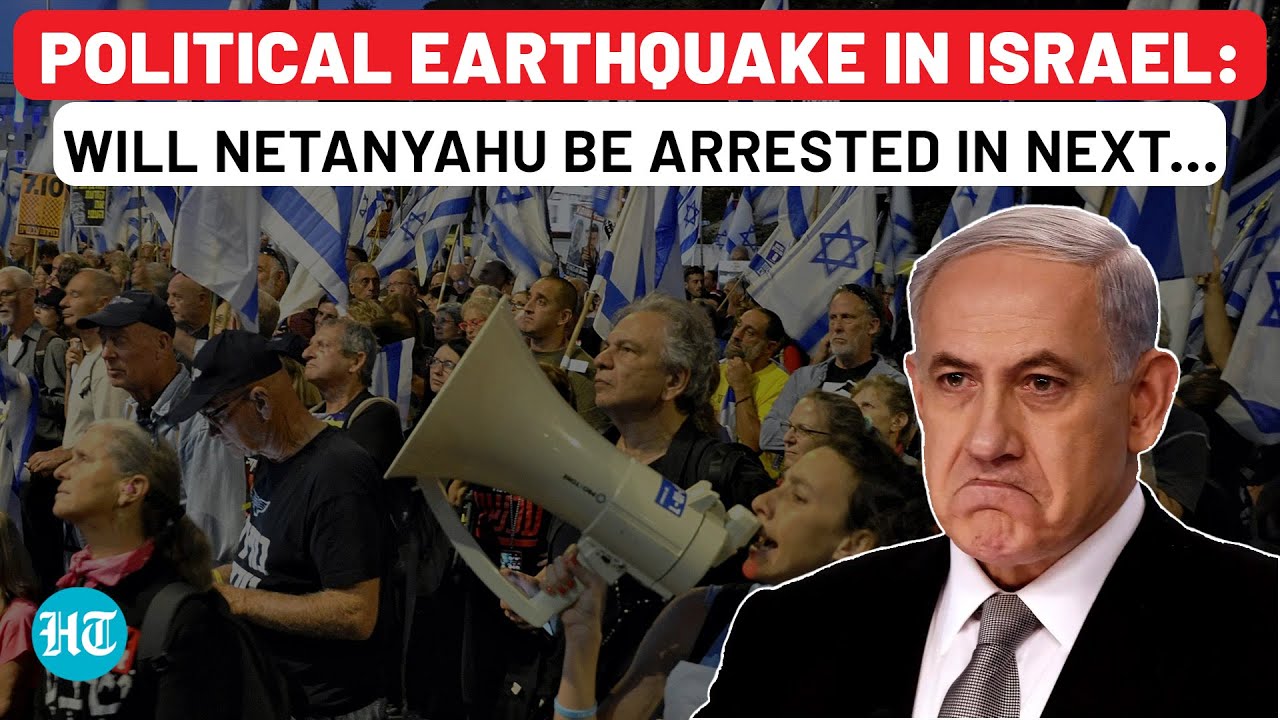
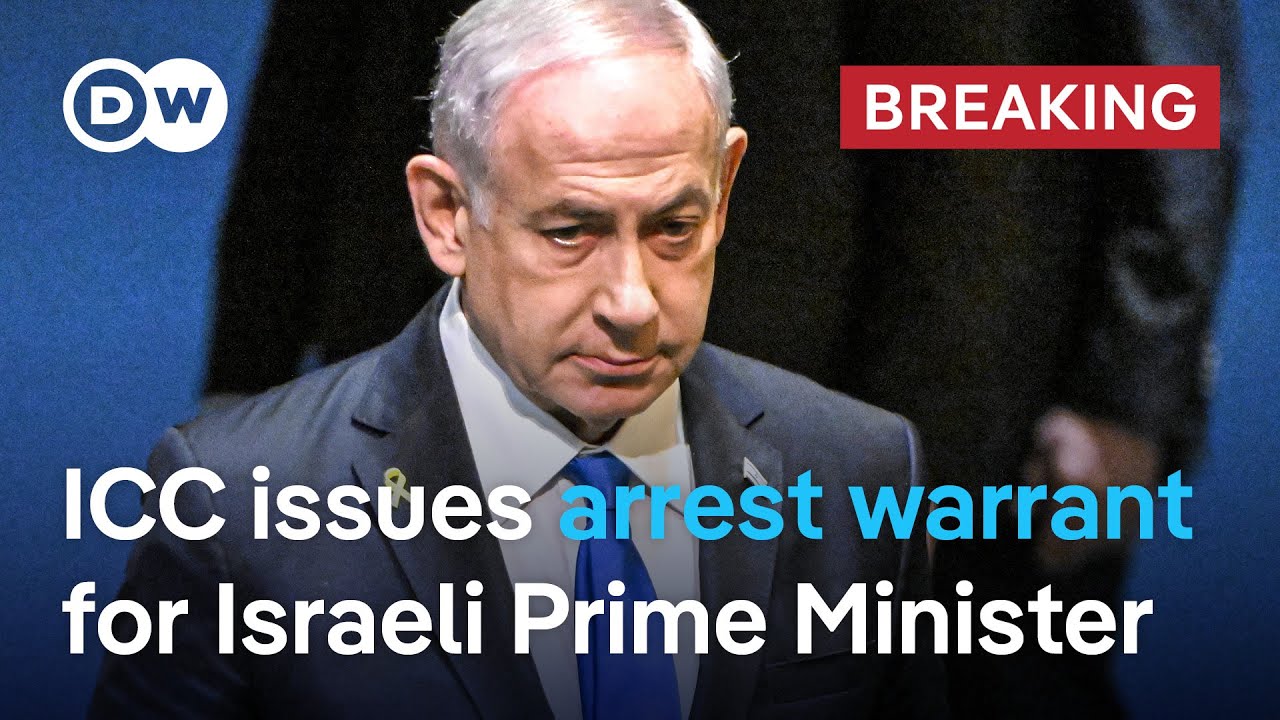
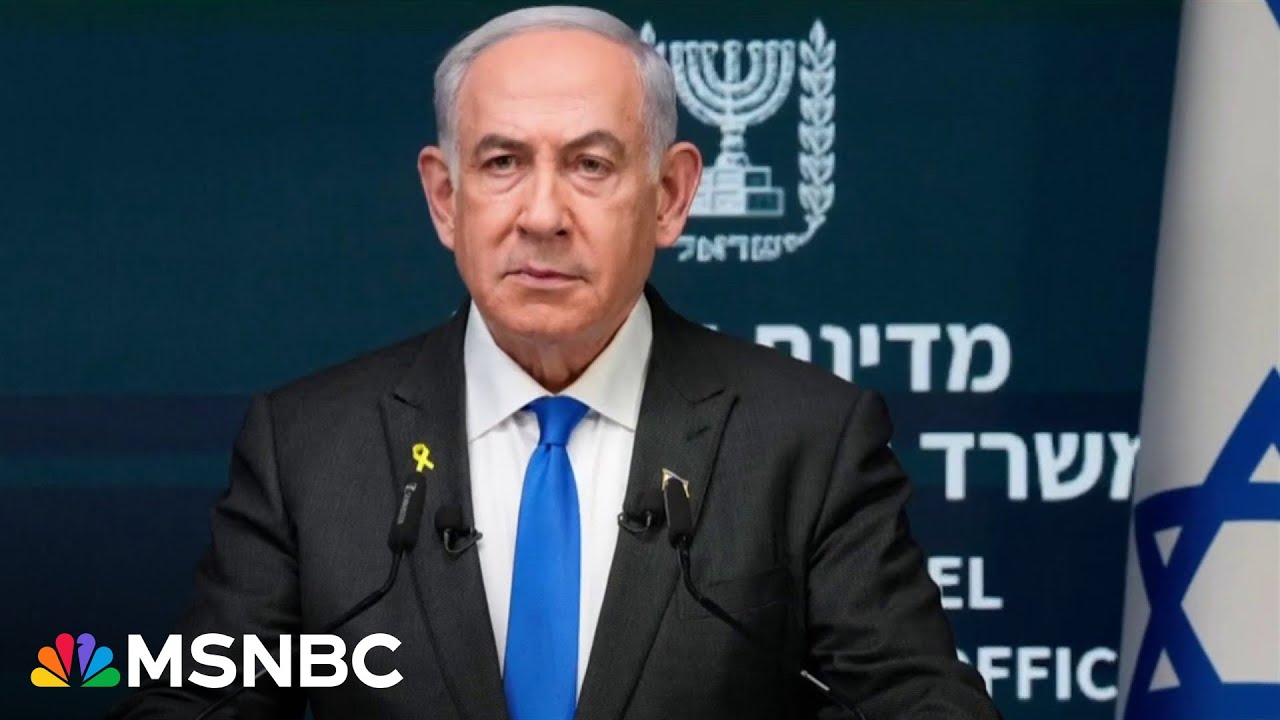
The International Criminal Court issued an arrest warrant for Israeli Prime Minister Benjamin Netanyahu for alleged war crimes. Let's break that down with Dan Williams. He's a reporter for Bloomberg News.
He is based in Jerusalem. Dan, give us the story here. What does this really mean?
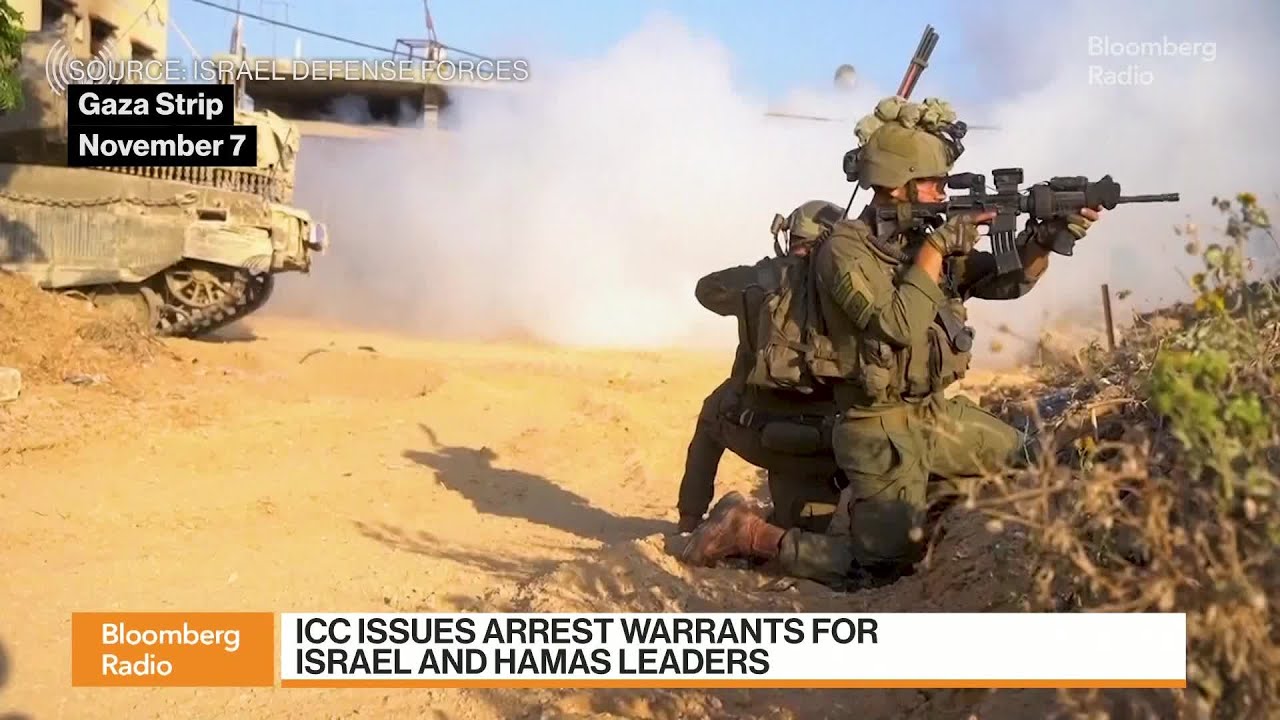
Because the headline kind of jumps out at you here. It is a dramatic development. We've now seen some 13 and a half months of open warfare between Israel, Hamas and Israel and Hezbollah in Lebanon and other Iranian backed parties in the region.
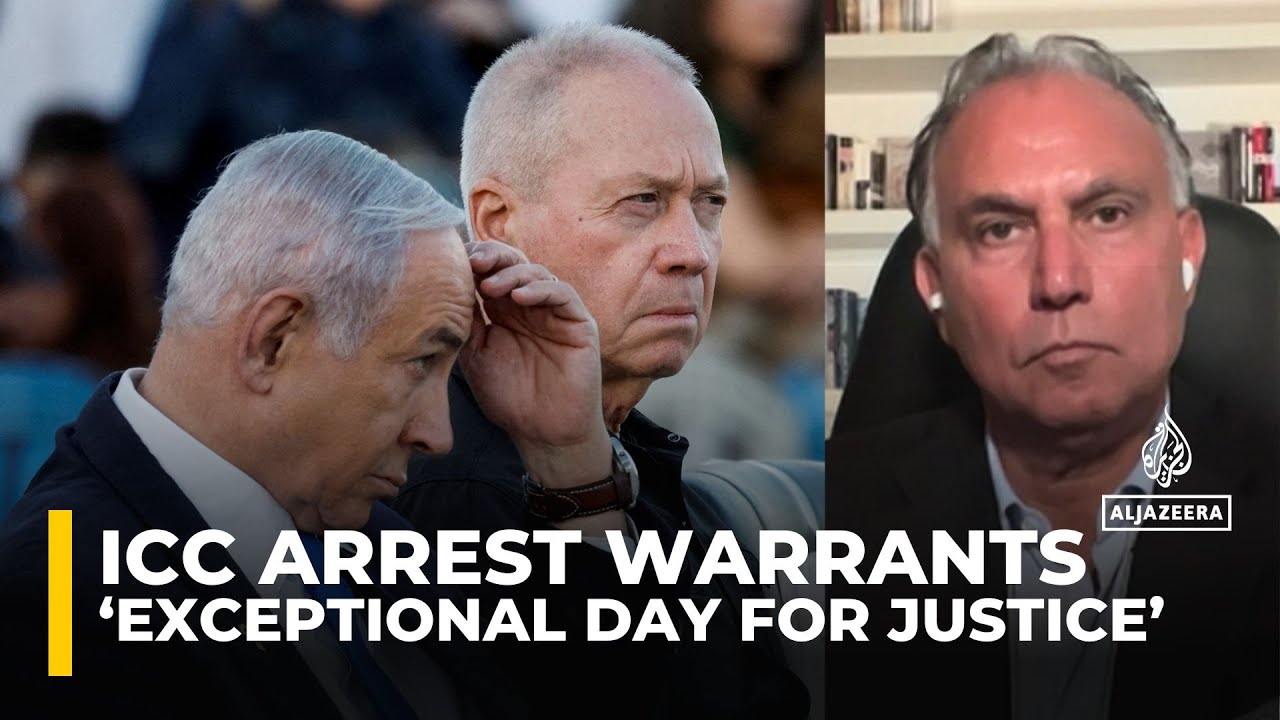
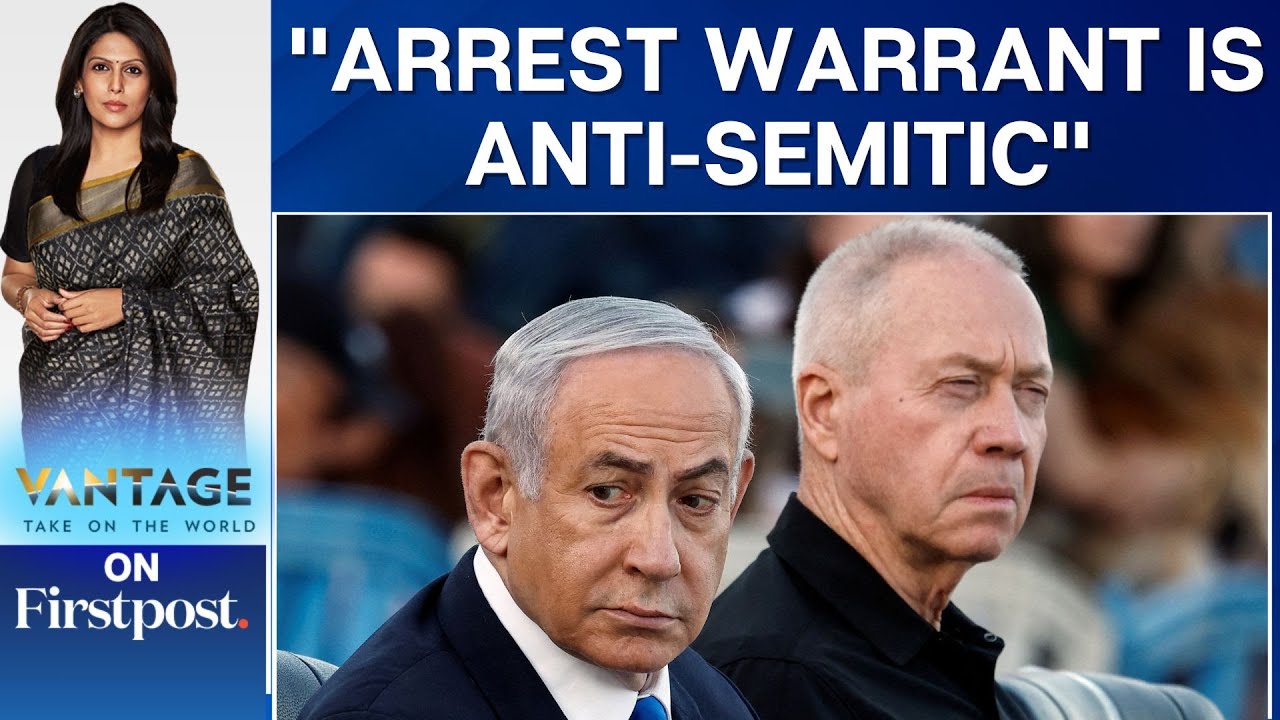
That has now evolved into open lawfare with this very important court issuing arrest warrants against Israeli Prime Minister Benjamin Netanyahu and the former defense minister, Yoav Gallant. Those are arrest warrants that are actually binding on more than 120 countries that are signatories to the treaty that underpins that court's conduct. Israel is not a signatory and neither is the United States.
Israel had sought, however, to contest this request for the arrest warrants. That failed, as we discovered today, with the court saying it had rejected the Israeli motions and upheld and actually decided to issue those arrest warrants as sought by the special prosecutor. Is the as United States made any statement on this matter?
Because the support for Israel is generally quite strong in the United States. Indeed. And throughout these proceedings, we're talking about several months of anticipation.
I believe the special prosecutor formally filed his request for arrest warrants back in late May. The Biden administration said openly that it thought this was baseless. Israel is obviously been far more vociferous, calling this anti-Semitic, likening it to the the infamous Dryfus trial.
I think both countries will be looking to what the next US administration, the Trump administration will do and significant parties and that administration are already saying that when the time comes, they will double down on their support for Israel. The question is, what does that mean? Are they going to try to convince likeminded countries in Western Europe to withdraw from the courts on an individual level to state that they will not abide, they will not honor these arrest warrants?
As I said, it's dramatic developments, and I think the Israelis will be strategizing very, very intensely right now. Do we why historically have has the has Israel and the United States not been a party to this court? I think it comes down to a fifth of their autonomy.
Also, the fact that certainly since the war on terror, the United States has been waging at times quite unilateral national security policies abroad was did not always have international support. I think the argument is that this would effectively intrude on self-determination, self-defense, the sovereign rights of a country. And also, they would argue that this court is designed to bring justice to countries where there is no working inside and tunnel organic.
Justice system. Now, Israel says its justice system works perfectly fine. It's had the support of some Western countries for that.
But it seems that the ICC has decided not to fight in favor of that point of view this time. So, in effect, Israel, or at least these two leaders, will be treated like pariahs in many of the countries that are required to abide by it. It's a development that I think Netanyahu will find very, very unwelcome.
I can imagine. Dan, where is just educate us. Where is the International Criminal Court?
Where is it based? And are there certain countries that have particular influence on this court? It's at The Hague in the Netherlands.
That's also at the International Court of Justice's. That's a slightly different mandate and different jurisdiction. And again, it's an extension of various treaties and conventions that arose, especially after World War Two.
The bulk of the world's countries are signatories. It means they have standing to argue, to submit. It also requires them to enforce when warrants, when decisions such as this come down.