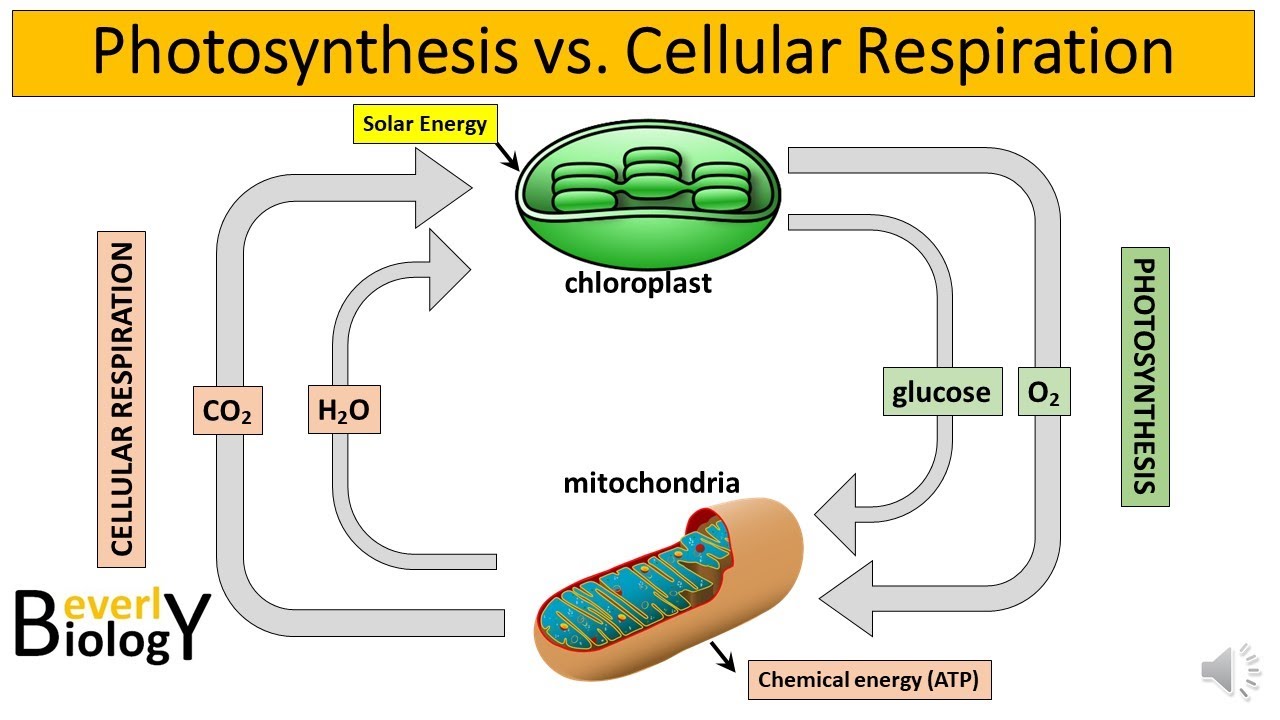
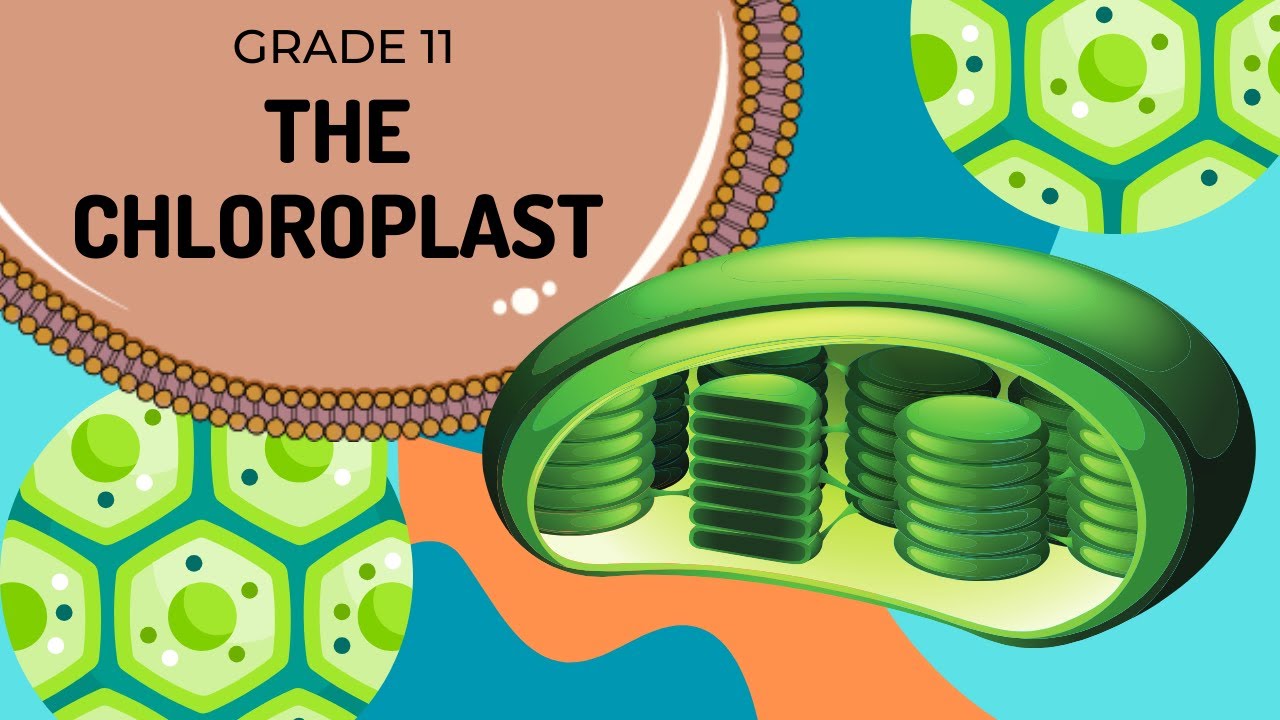
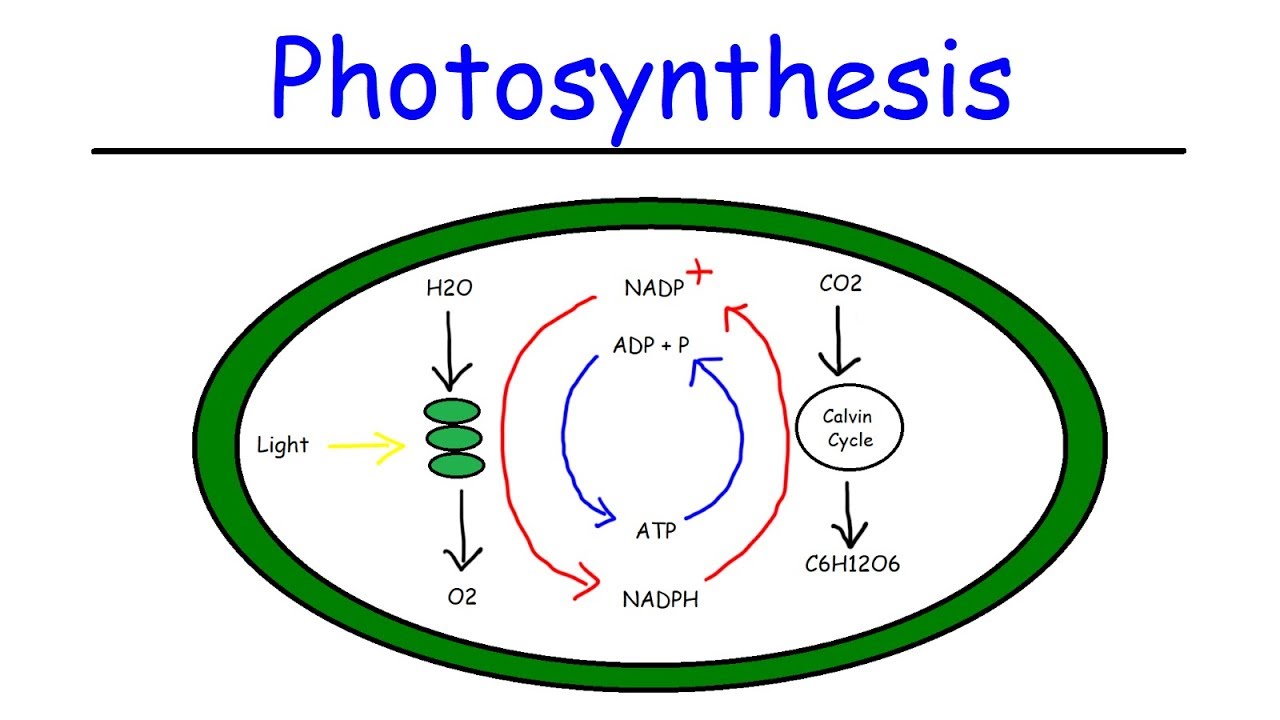
[Music] photosynthesis occurs in two steps inside of the chloroplast the first step is the light reaction which occurs in the thilo diss here energy from light is captured and water is split to create ATP and nadph which are energy molecules that will be used in the next reaction the light reaction also creates oxygen as a byproduct the ATP and nadph are used in the dark reaction which takes carbon dioxide and converts it into glucose the nadp plus and ADP produced can be recharged somewhat like a battery back at the light reaction in the phyo covid
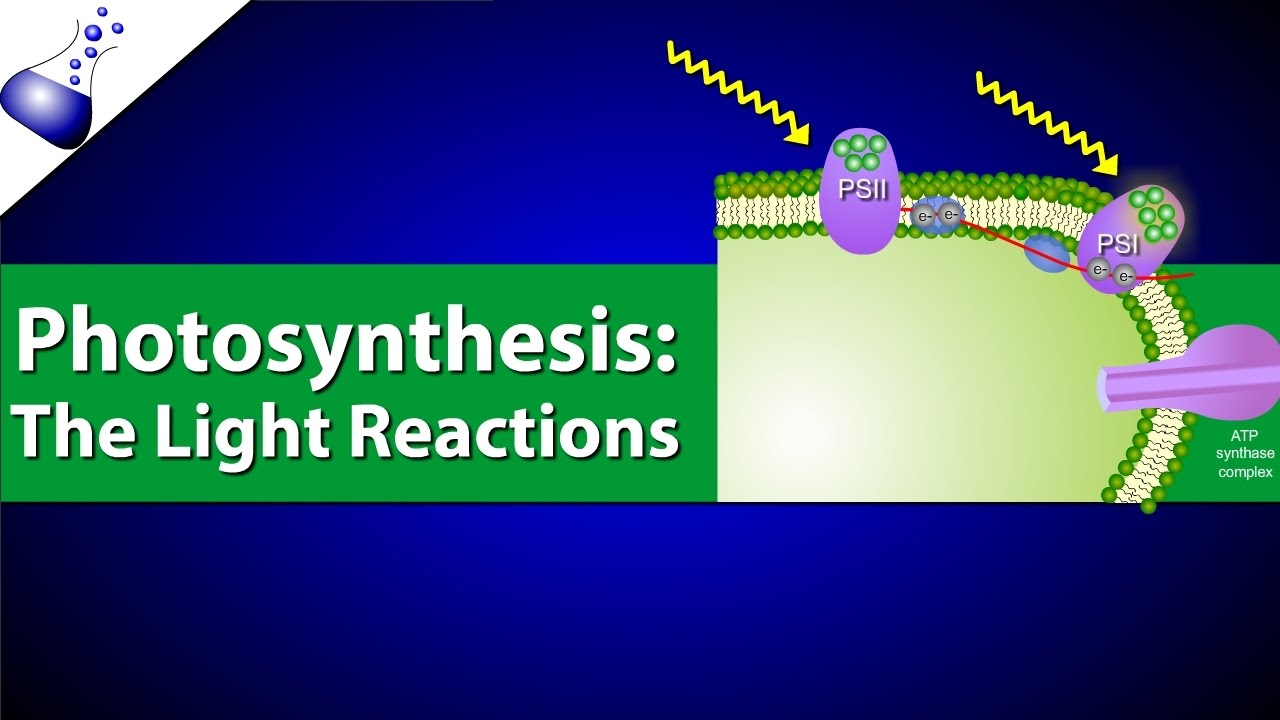
Dis Let's look at the light reaction up close the membrane of the thilo covid discs have proteins embedded which carry out the light reaction outside of the Philo covid disc is the stroma and inside is the thid space light strikes the photosystems which are clusters of chlorophyll the captured light excites two electrons which are then transferred from one molecule to the next by the electron transport chain which is just a series of proteins this process also brings some hydrogen ions into the thid space an enzyme then splits a water molecule releasing oxygen which diffuses out
of the plant right now there's only one oxygen atom but when another water molecule is split two oxygen atoms will form O2 the hydrogen ions that are produced are left in the thilo quid space light strikes again and the electrons are excited and load onto an nadp plus with a hydrogen ion to become nadph ATP the main energy currency of cells is made using the protons from the water molecules with the enzyme at P synthes then it's time for the dark reaction remember the dark reaction occurs in the stroma the fluid surrounding the thyo covid
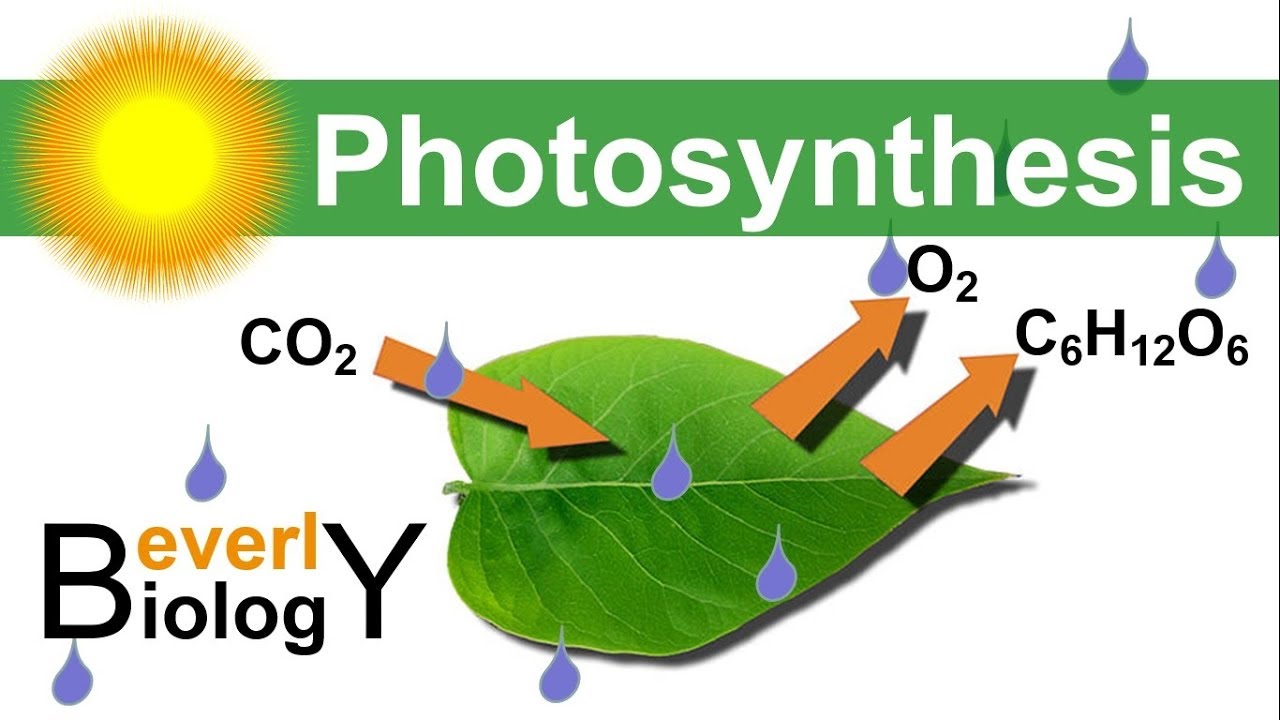
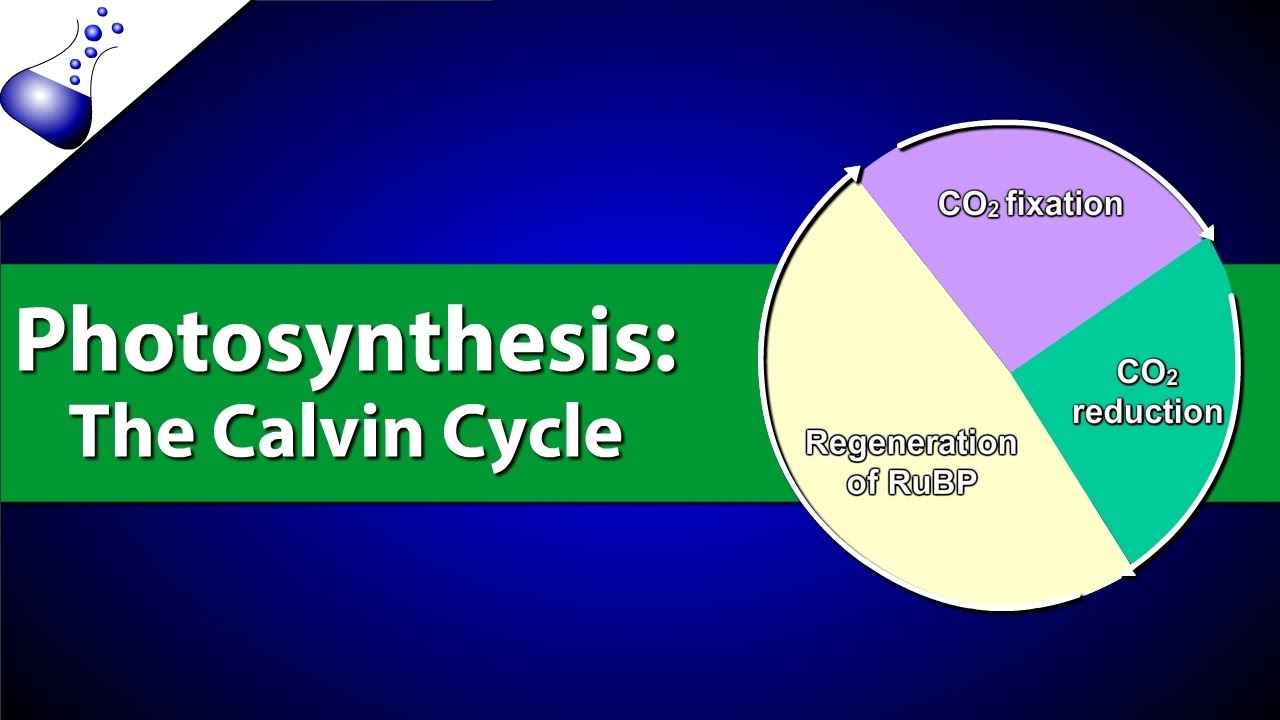
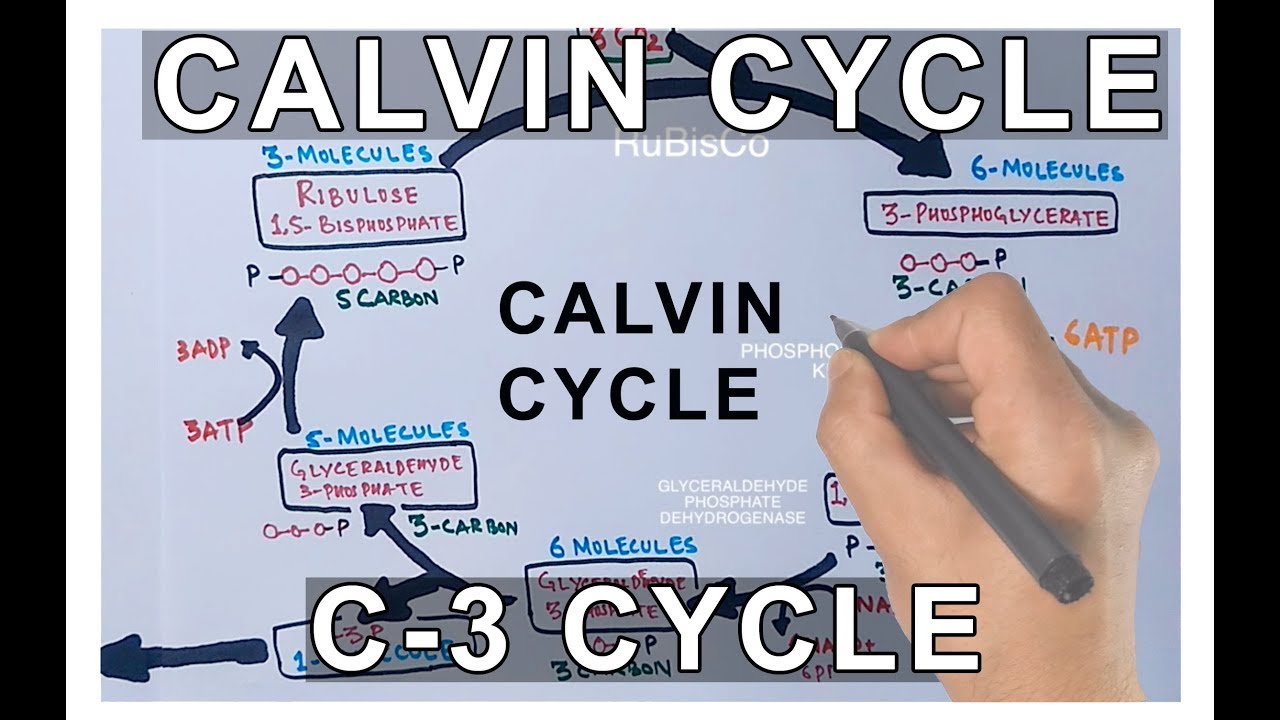
discs but dark reaction is kind of a misnomer it can and does happen in the presence of light it just doesn't need light to occur it's also referred to as the Calvin cycle or the light independent reaction in the Calvin cycle six carbon dioxide molecules from the atmosphere along with plenty of ATP and nadph are converted into a molecule of glucose which has the formula of C6 h126 it takes six turns of the Calvin cycle to create glucose then the plant can use that glucose for energy or to make cellulose some plants use different variations
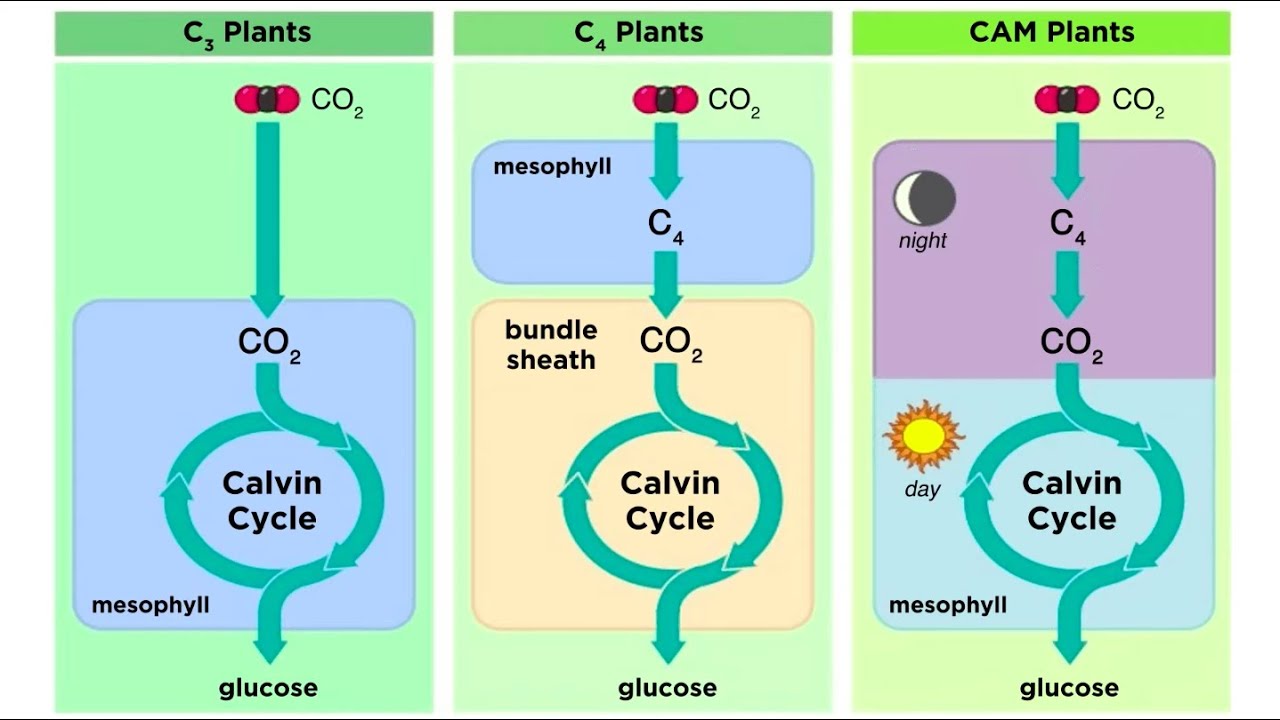
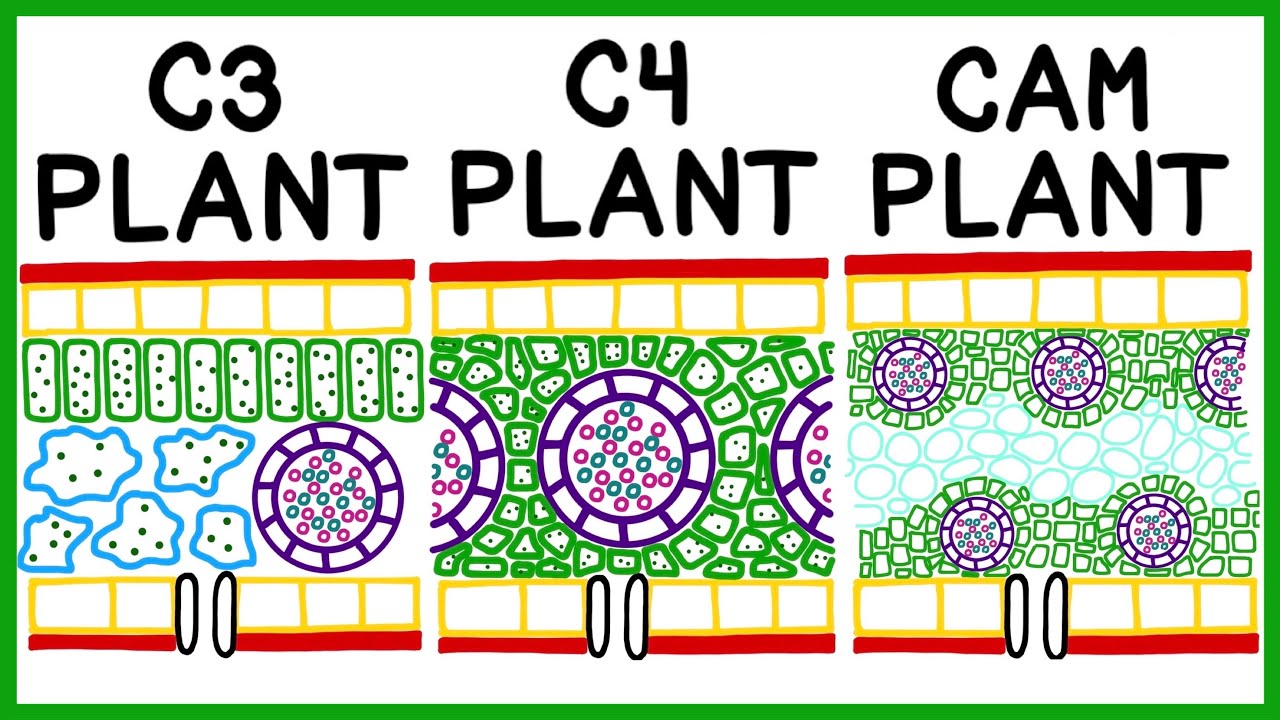
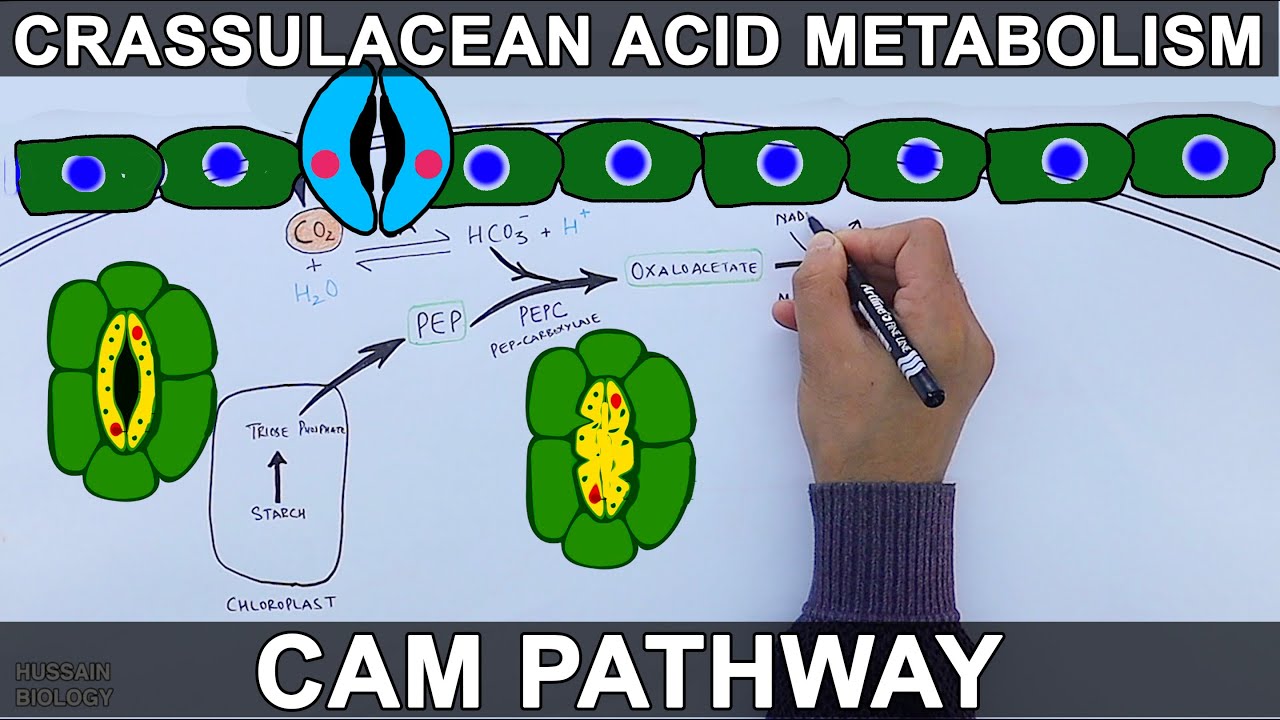
on the light and dark reactions to make glucose C4 plants make a four carbon compound so that they can partially close their stomata to prevent water loss during the day and the four carbon compounds can be converted back into CO2 for the Calvin cycle later plants like corn use this method cam or culation acid metabolism plants like cactuses open their stomata at night and close them during the day to conserve water they have to do this because they live in such hot environments thanks for watching this episode of teachers pet don't forget to like And
subscribe and follow me on Twitter at science pet