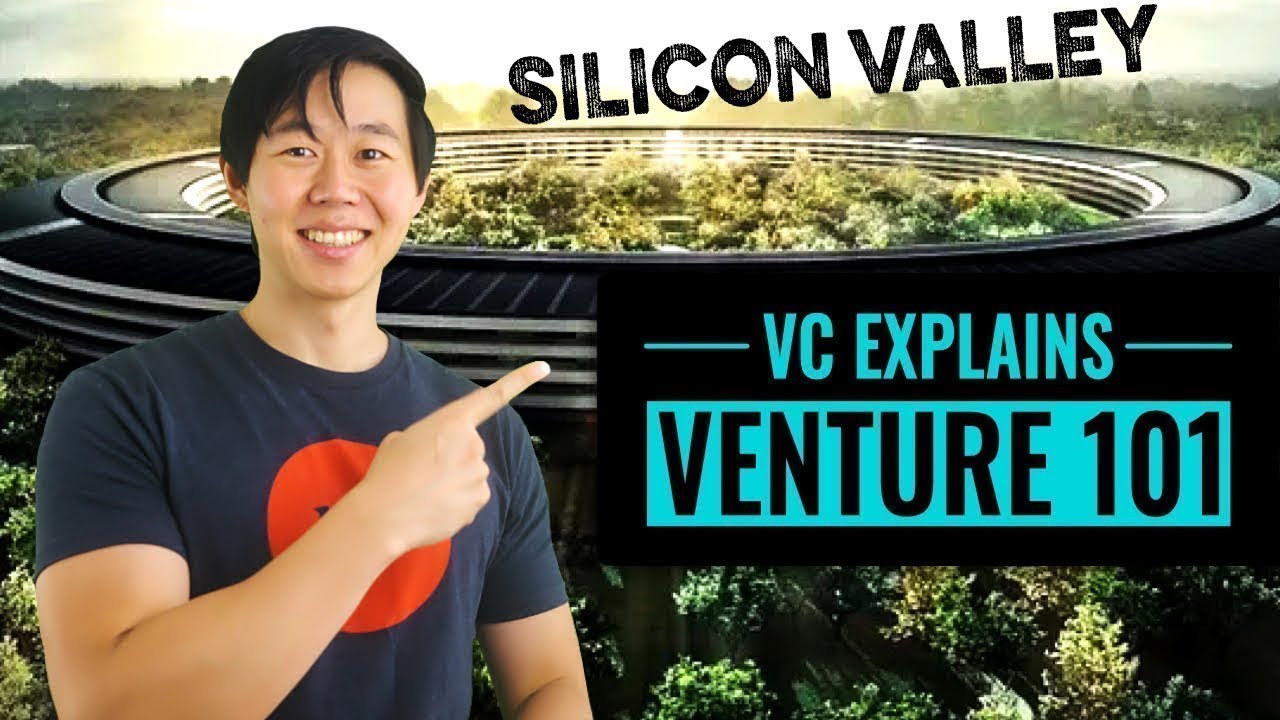
I have an idea I'd love to pitch you if you have time but until now okay so some of this is obviously played up for TV but Silicon Valley the show actually hits pretty close to home on a lot of things and no wonder they actually engaged real VCS and Founders as consultants on the chill including some people I know I've been a venture capitalist for about a decade now starting off as an intern at maybe the most storied fun Kleiner Perkins people think of VCS as these all-knowing savants that have a crystal ball into
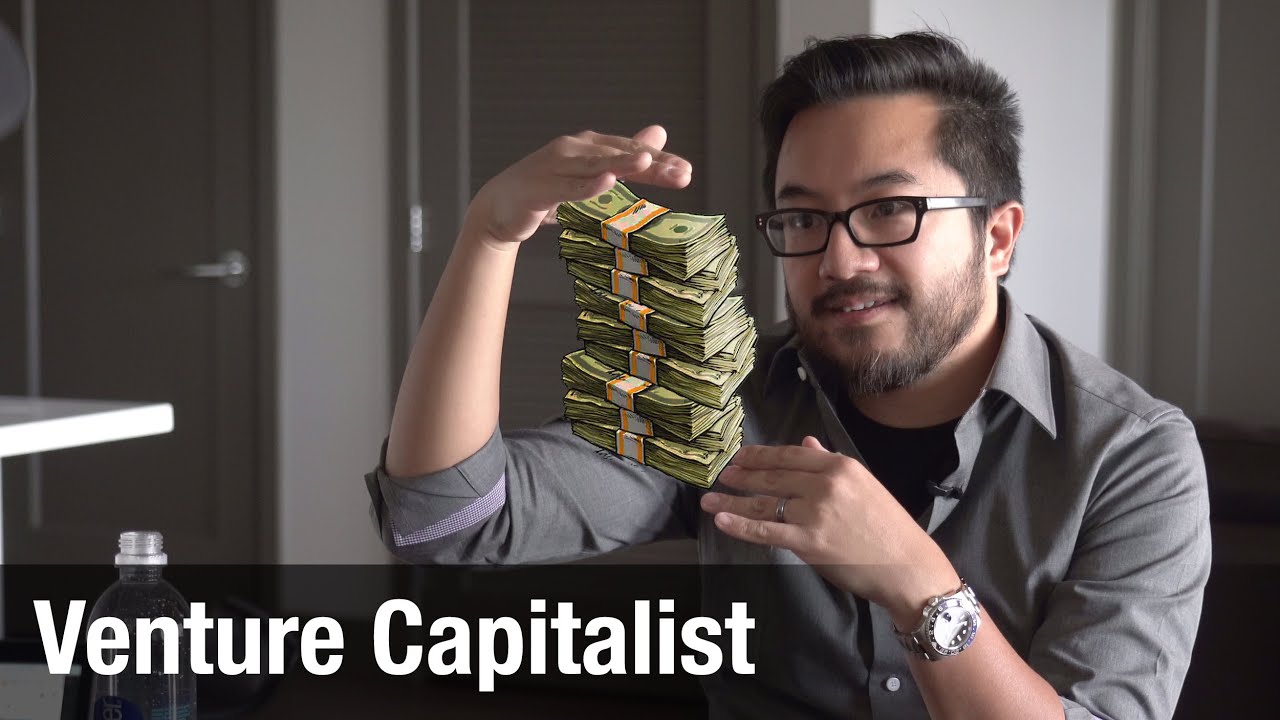
the future of tech or as capitalist blowhards that just try to pump themselves up whatever you believe one thing is for sure it's a super secretive industry that has outsized influence in financing the most legendary tech companies sadly there aren't any YouTube videos that show what it's really like to view VC good and bad from someone who actually works in the industry so in this video I'm going to share the seven Biggest Secrets and surprises about being a VC in Silicon Valley so with some proper funding Roi you know what that stands for the first
surprise is that Venture can actually be very lonely let me explain you might be thinking VCS spend all day hearing pitches from Founders how could that be lonely well at a traditional VC like Kleiner all the partners come in on Monday mornings to discuss deals and make decisions but the rest of the week the office can be super quiet as VCS go their separate ways to hunt down deals you might be reading the latest white papers on Quantum Computing on your own going to demo Day by yourself and then you might take a bunch of
founder pitches also on your own and while you are meeting with other people these are often Founders you're meeting for the first time so if you hear 10 to 20 pitches a week that's kind of like going on 500 to 1000 speed dates every year and spending time with strangers rather than people you know well can actually make you feel kind of lonely I do rely on my teammates a lot at signifier because we have a different model but structurally venture capital is set up much more like a solo sport similar to tennis than basketball
there are some exceptions though one of the great gifts of VC is forming tight relationships with amazing Founders who become lifelong friends where you go to their weddings and and hopefully bring that NASDAQ Bell with them at IPO but even then you're not actually working with that founder on your team every day and if you were you might actually be getting in their way and that leads me to the second surprise which is VCS are coaches and not players you need to set aside your own ego and instincts to get super involved in decision making
sometimes that can be really painful but again it's not your business to run as a VC you're not going to have nearly as much context on the business as the founder and when you invest you're really trusting the founder to operate the business and not be some master of the universe pulling the strings behind the scene there are definitely ways to help Founders like with high level strategy customer intros financings board governance and so forth but as a VC you're still largely in the background this can be a surprise to Outsiders because the Press often
idolizes VCS as all-knowing and Powerful but you can't forget the real heroes are the founders who are doing The Impossible on that note the reality is the best Founders pick VCS and not the other way around all money is green so VCS need to hustle to get front of Founders early and Pitch them on how they're different before I joined VC I assume the job would be like this highly intellectual exercise of being smarter and picking better companies than everyone else so I was surprised that this job is actually very sales heavy there's also this
weird Frenemy Dynamic where one day you could be collaborating and co-investing with 1vc and the next day competing against them the analogy is kind of like rugby where you beat each other up on the field but then you go out and grab beers after the game venture capital is so competitive that sometimes VCS get carried away with promising the moon and the stars and not deliver on their promise which sometimes deservingly gives VCS a bad name that's not every VC though in fact it's possible to find VCS that run the entire Spectrum some VCS are
deep thinkers that lure founders with impressive thought pieces and Vlogs and some VCS are party animals that just try to Buddy up to Founders in squeeze into rounds your strategy and how you spend time as a VC is completely up to you and there's no right answer so ultimately the biggest challenge day to day is just time management that's why so many VCS tend to specialize and just go really deep in one area like crypto or bioscience just to make the job manageable if you're a generalist like me you're gonna have to deal with some
pretty gnarly context switching you could be meeting an nft metaverse company one minute and then a robotics delivery company the next minute that can be really mentally exhausting for some people but if you're kind of ADD and really enjoy ramping up this infinite learning curve constantly it can be a lot of fun regardless of where you focus your time though it can be really easy to get distracted Adventure even in a down Market there's still massive fomo constantly from all these hot rounds that you hear about with big name VCS piling into and in a
world where we're all investing early on very limited information social validation tends to drive a lot of herd following mentality but the best VCS reason for first principles Keep Their Heads down and don't get distracted too much by the noise and at the end of the day VCS have to be extremely selective because there's just way too many deals to fund you might see a thousand companies in a year and only be able to invest in just a few of them you have to remember most VC back startups fail and VCS don't have infinite money
so at some level they have to be Skeptics and pass on almost everything in fact saying no so constantly is really the worst part of the job in the first few years obviously it's not nearly as hard as Founders hearing those repeatedly but you can imagine being the bearer of bad news gets pretty depressing later on in your career your focus as a VC shifts from making new Investments to now supporting the founders you're working with and then the hardest part of the job changes to seeing Founders who've now become close friends go through tough
times like having to fire people sell the company or go through a divorce but maybe the single biggest challenge in being a VC is that it's hard to actually know if you're any good at the end of the day of course a VC is judged on their returns but it can take 10 to 15 years for a company to IPO so the feedback cycle is extremely long maybe the best you can do in the short term is look at markups from follow-on investors but as we all know that's a really noisy signal as lots of
other investors don't have much pricing discipline so there's a ton of VCS out there whose careers have potentially been built on very shaky ground companies valued in the billions without a real business model really what VCS have to do is just focus on the daily inputs am I doing the right thing today to see better deals make smarter decisions and help Founders more than I did yesterday and if you're doing a good job with that you have to just trust that the outputs the returns will eventually come and even then there's a huge element of
luck that VCS often ignore in poker this is often called being two results oriented if your adult Aces and shoved all in pre-flop but got sucked out on the river it doesn't mean you made the wrong decision in the moment you have to be intellectually honest about whether or not you made the right call with the information you had at the time we're talking about meeting two people with an idea sketched out on a napkin at the seed stage and in those cases the early products often look like toys here's Google's first home page and
here's Apple's first computer prototype so this is all to say it's really hard to pick early winners and even the world's best VCS get this wrong wrong all the time at the end of the day you have to take risks to make money and in Venture Capital you can only lose one times your money but if you're right you can make ten thousand times your money startups have this extreme power law where the vast majority of Returns come from just a handful of companies out of thousands and it's almost impossible for humans to internalize just
how extreme that is in your decision making and put aside the natural risk version that we all have as humans most people would rather take an 80 shot at doubling their money than a one percent shot at a thousand Xing their money but of course mathematically the latter is a much better return so you have to be keenly aware of your natural psychology as a VC remember when I said VCS have to be Skeptics most of the time and pass on 99 of deals well the way to actually make money Venture is to dream with
the best Founders that point one percent of the time builds the next Google that's really the art Adventure is knowing when to make that leap of faith but doing that is so difficult opaque and dependent on luck that it's no surprise to churn Adventure is actually super high in the rare case you were to find these see on YouTube there's an 80 to 90 chance they won't be a VC in a couple years relatedly venture capital is not a good job if you want to get rich quick the big money adventure comes from having a
stake in the next Google as VCS get 20 of all the profits but remember even the best startups can take 10 to 15 years to IPO and in fact you can actually get a lot poor Adventure before you get richer let me explain when VCS raise the fund they usually have to commit up to two percent of the fund themselves to invest alongside the fund as a show of good faith so if you go out and raise a 500 million fund the partners have to band together to contribute 10 million and VCS will raise a
new fund every two years which means you can have five funds before the first one starts to meaningfully return Capital that could be Millions out the door without anything coming back for a decade and while it is true VCS can get rich off management fees which are usually two percent of the fund each year Venture funds historically are just not nearly as big as private Equity or hedge funds most of the classic Sandhill Venture funds manage somewhere between 500 million a billion whereas the biggest hedge funds like Bridgewater could manage 100 billion so don't get
me wrong VCS make plenty of money but in the world of Finance if that's all you cared about you're going to do much better on average in the world of private Equity or at a hedge fund but if you're not just a financier but a builder who loves to roll up your sleeves in the messy chaos of startups VC is closer to the action than anything else and Incredibly rewarding if you like this video check out my channel for more on venture capital and some of the game changing Technologies I'm investing in thanks for watching
see you next time [Music]








![How Silicon Valley's Fueling The Next Economic Doomsday [Divided America, Pt. 1] | AJ+ Docs](https://img.youtube.com/vi/K1zVAfE0YdA/maxresdefault.jpg)