<i> In 1957, the Five Families were nearing</i> <i> 30 years of existence in New York City. </i> <i> 30 years of success,</i> <i> largely because there had been 30 years</i> <i> of relative peace since the murders</i> <i> of Joe Masseria and Sal Maranzano. </i> <i> No bloody turf wars, no public slayings.
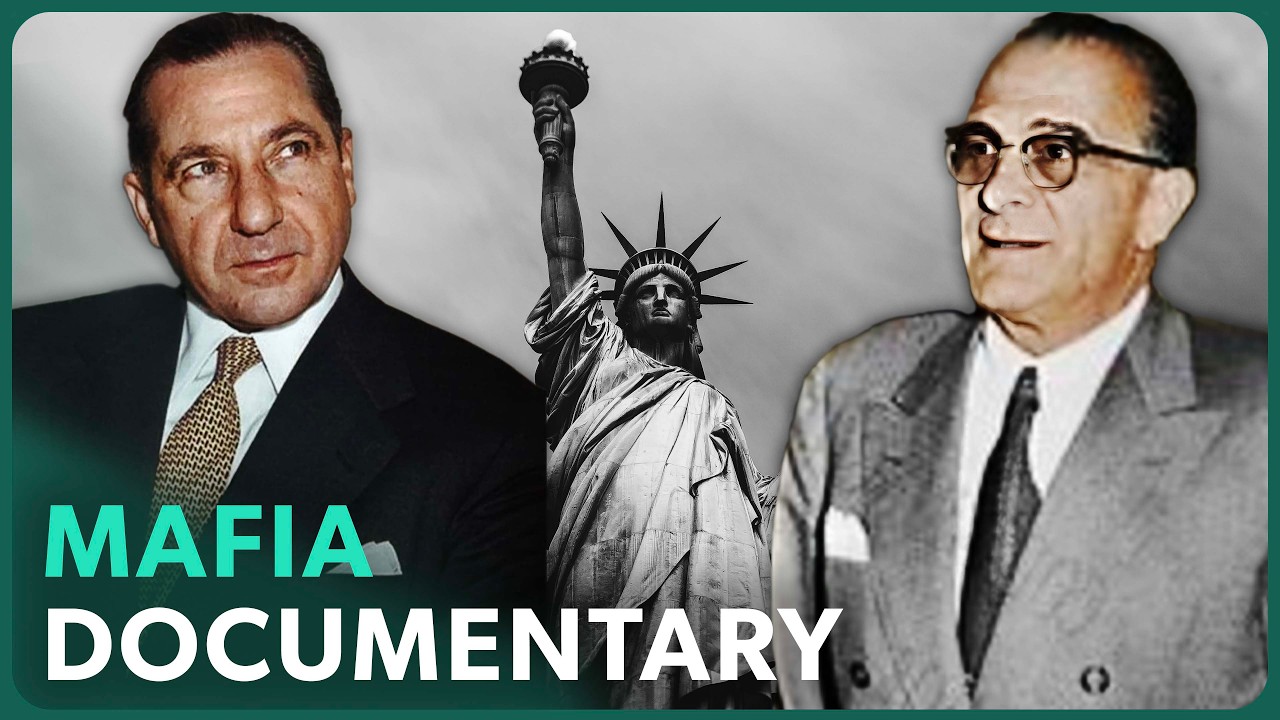
</i> <i> Conflict was dealt with in the shadows,</i> <i> and members had, for the most part,</i> <i> upheld their oath and stuck to the rules. </i> <i> But that was about to change. </i> ♪ <i> Frank Costello had been boss of his Family</i> <i> since 1937, much to the displeasure</i> <i> of the Family's underboss, Vito Genovese.
</i> <i> Genovese thought the seat should be his,</i> <i> and the tension began to boil. </i> ANTHONY: Genovese and Costello were working together. They probably respected each other.
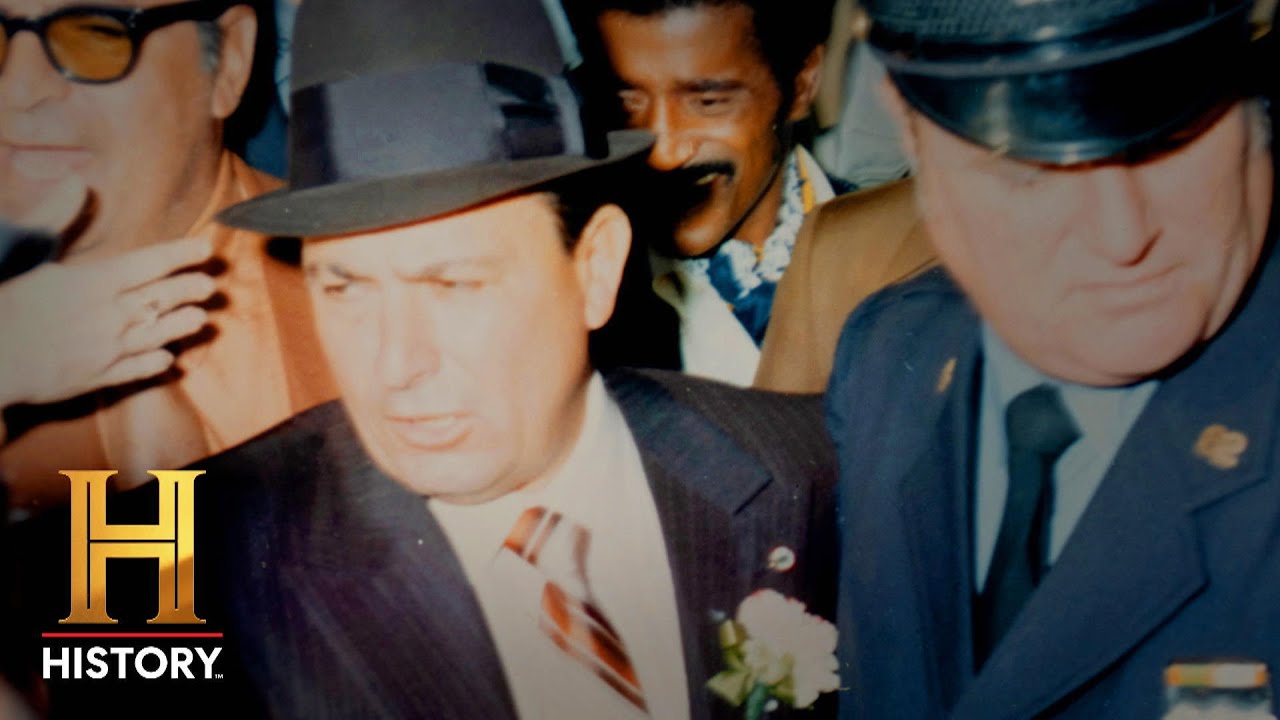
I don't think they liked each other. SAMI: Frank Costello brings more of a businessman air to the role. Dapper suits, nice looking guy, well quaffed hair.
Knows how to deal with people in high places, knows how to deal with politicians. Genovese is a bit more rough around the edges. He's a bit more shoot now, ask questions later kind of guy.
ANTHONY: Genovese, he tried his hand at a number of legitimate businesses but, unlike Costello, didn't do very well. He had a poultry business, a liquor business, a gambling boat venture. They all failed.
But he had control. He was a vicious guy, more vicious than Costello, and people, you know, gave him the deference. SAMI: So when Genovese sees Frank Costello sitting in the seat of power, he's like, "Well, that's not fair.
"That's supposed to be my role. "I was the guy that was under Lucky Luciano. How dare you sit in my spot?
" So there was this envy, I would say hate, but it was just maybe good business sense on Genovese's part to try to get rid of Costello. [heart beating] Frank Costello was having a dinner and coffee at some Upper East Side restaurants, not far from his home on Central Park West. And he had to go back home.
He got into the door of the apartment building. And heard the famously, "Frank, this is for you. " Frank turned his head.
Instead of hitting straight on, sort of grazed Frank's turning head. ♪ And the shooter fled. ♪ <i> Costello survived the attempt on his life.
</i> <i>When questioned by police after,</i> <i> he claimed he never got a good look at the shooter. </i> <i> But even if he had, it wouldn't matter. </i> <i> The Commission rules still held.
. . </i> Omertà.
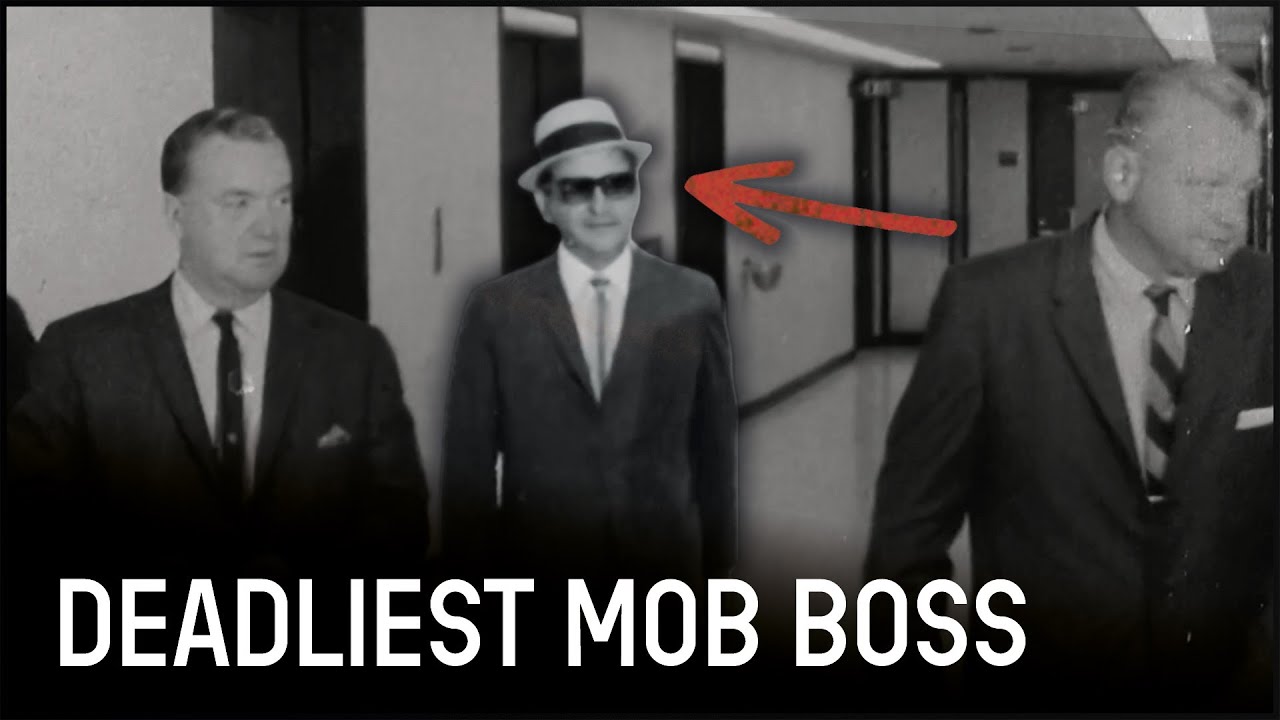
<i>The Majestic's doorman, however, did not live by the same code. </i> <i> He got a good look, and when presented</i> <i> with photos by investigators, he identified Vincent Gigante. </i> PAUL W.
WILLIAMS: Gigante was, according to our information, a protégé of Genovese. He was the bright boy. He was the rising star of the underworld.
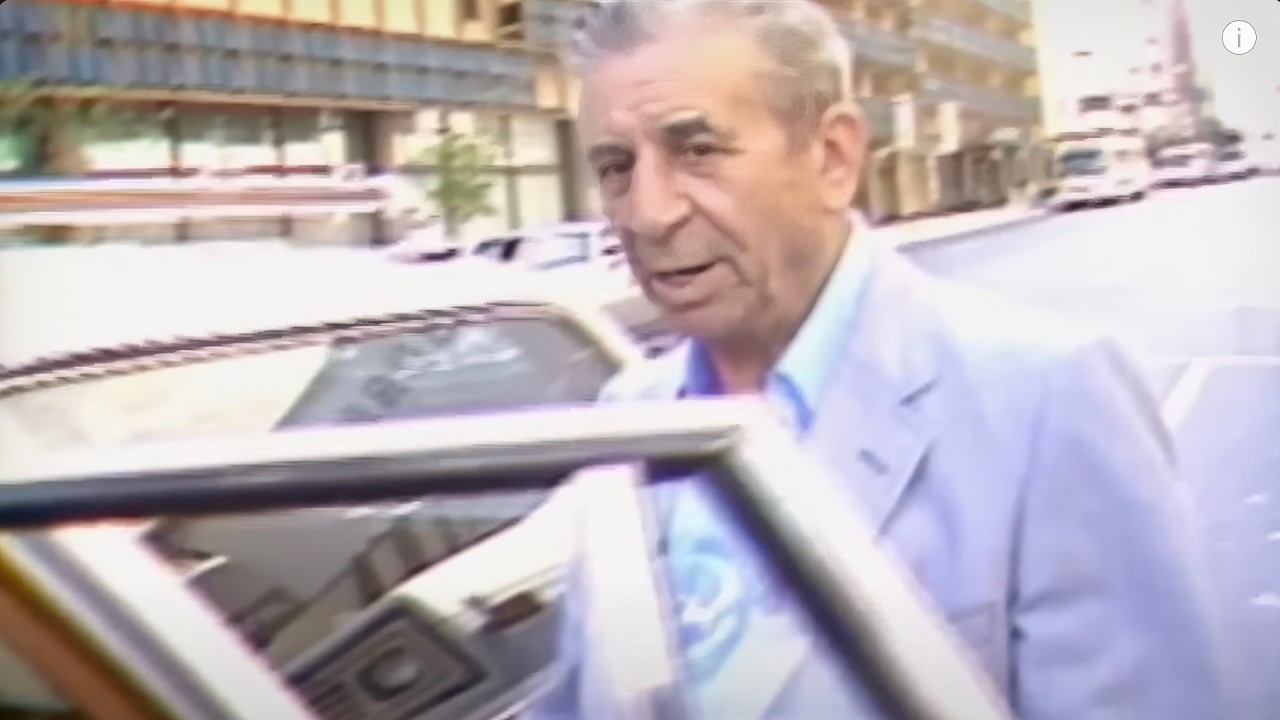
My name is Rita Gigante. I am the daughter of Vincent Gigante. Someone came to Vito and said, you know, "Look at this kid, he's.
. . " you know, "He's promising.
" ♪ He knew he had to do something to prove himself. But he liked Frank and he missed. I don't think he really, in a sense, wanted to do that.
ANTHONY: Frank Costello would later testify that he didn't have a good view of who the shooter was. The story I heard was that as Costello was leaving the witness box, Gigante supposedly said, "Thanks, Frank. " After that, they actually became friends.
Costello had Gigante over for dinner and drinks at his apartment. The hatchet, so to speak, was buried. But this all sort of created the thought in Costello's mind that, "Hey, maybe I should step back and, if I want to survive, sort of retire.
" ♪ <i>Frank Costello would relinquish control of his Family</i> <i> to Vito Genovese and fall into the background. </i> <i> He would not seek revenge in the streets</i> <i> or on the witness stand. </i> <i> He'd uphold his end of the deal,</i> <i> put the Family first and follow the code,</i> <i> but Genovese's brazen act did not go unnoticed</i> <i> by the other bosses.
</i> <i> Albert Anastasia lobbied the Commission to approve</i> <i> a hit on Genovese, and tension got high. </i> <i> On the brink of an all-out war, Joe Bonanno,</i> <i> the secure leader of his own Family,</i> <i> mediated a peace agreement</i> <i> and successfully settled the ship. </i> ♪ <i> In the aftermath of the intervention, Bonanno</i> <i> declared himself the</i> capo consigliere, <i> chief counselor of the Commission.
</i> <i> It was a made up title, but enough for Bonanno</i> <i> to believe he was above the law</i> <i> and above the rules. . .
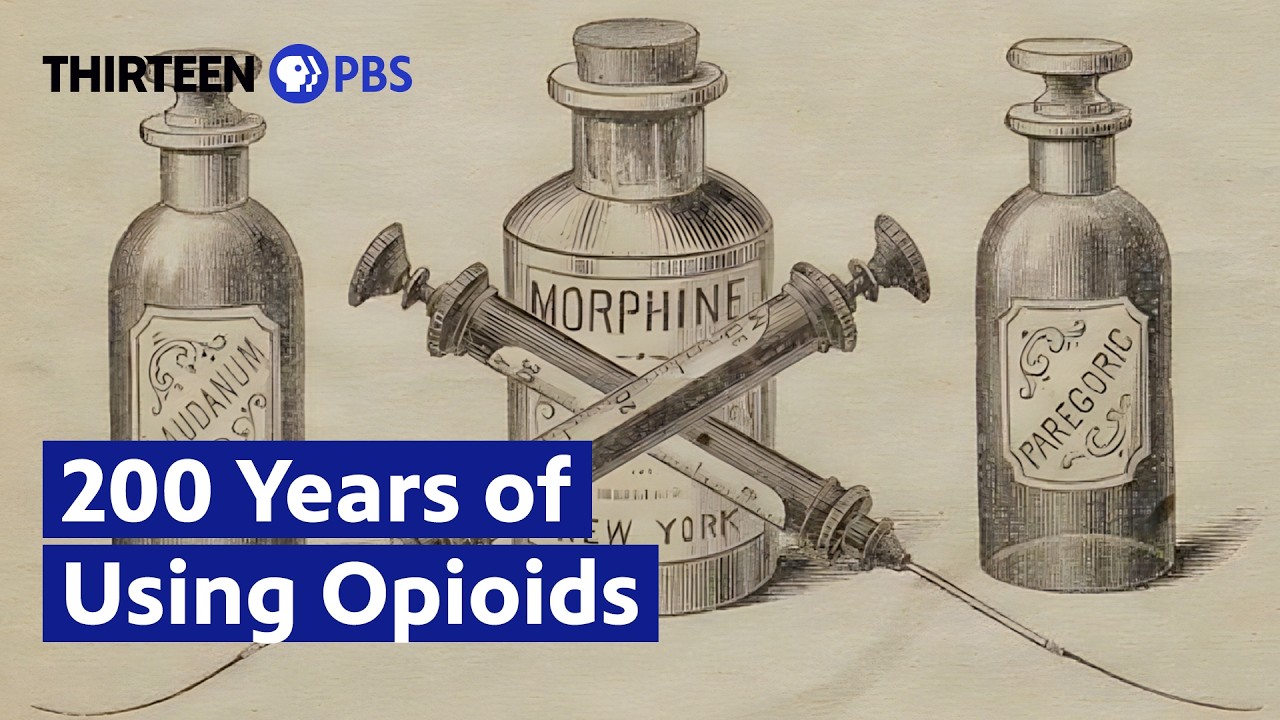
</i> <i> especially when it came to drugs. </i> The rule was they didn't deal in narcotics, but the other rule was, "We make as much money as we can, any way we can. " So in the late 1950s, America has a heroin market, but it's very small.
Heroin was made illegal in 1924. So there's a black market opportunity here. CLAIRE: Joe Bonanno is definitely looking to increase his power and increase his financial stake in the Commission.
For him, the 1950s is a good period for that, for a couple of reasons. He does seize this opening in the heroin trade, and I think he really does use this transfer of power as an opportunity to elevate himself. <i> Looking to capitalize on his improved stature</i> <i> within the Commission,</i> <i> Bonanno arranged a meeting back in Sicily.
</i> ANNA SERGI: So the meeting was really an occasion for Joe Bonanno to show off his so-called leadership. Joe Bonanno wanted to portray himself as a spokesperson for all of the Americans, the most important boss, the boss who could change everyone else's mind. So we do know that a lot of Americans were at the meeting in an attempt to set up an international intercontinental business for drugs.
ED: And the big question on the table is, "How can we create an organization and a system "by which we can import heroin from Europe into the United States? " ALEX STILLE: And they basically divide up the world, so to speak, and come to an agreement about division of labor between Sicilian and American organized crime. ♪ Bonanno and the bosses in Sicily came up with this idea.
The Sicilians would bring the heroin into the States, and the Americans would tell them where there were good markets. ♪ So this was territory that the Sicilians had no knowledge. They needed guidance.
And they brought it in. They brought it in. They packaged it very cheap, $5 and $10 bags.
And the Americans, especially Bonanno, believed this was a good way of earning a buck without doing anything. The mafia got a commission. They didn't have to do anything.
The Sicilians were happy 'cause they had a big market. CLAIRE: Meeting in Palermo, being able to make these connections with the Sicilian mafia and solidify these transportation routes to get heroin into the United States is what he sees as his ticket forward. The drug trade in the '50s and '60s is interesting because the mafia doesn't ever want to admit, even to themselves, that they're that involved in the drug trade.
The 1950s, '60s, 90% of heroin is coming into the United States through the Italian-American mafia. <i> Joe Bonanno and the Five Families'</i> <i> investment in the drug trade over the next several decades</i> <i> would ultimately become a tremendous burden. </i> <i> Members would choose to overlook the threat</i> <i> of law enforcement in favor of increased profits,</i> <i> a decision that would kill their organization</i> <i> from inside out, while devastating cities</i> <i> throughout the United States.
</i> ED: With this new flow of heroin onto the streets of America, Americans are going to take up heroin in a big way. SELWYIN: The most grievous sin that the mafia in America committed is the damage that it did to the big cities. There was no heroin in Harlem.
There was no heroin in the Lower East Side or in Brooklyn. And what it did was it destroyed the inner cities. And it's a sin that's still with us today.