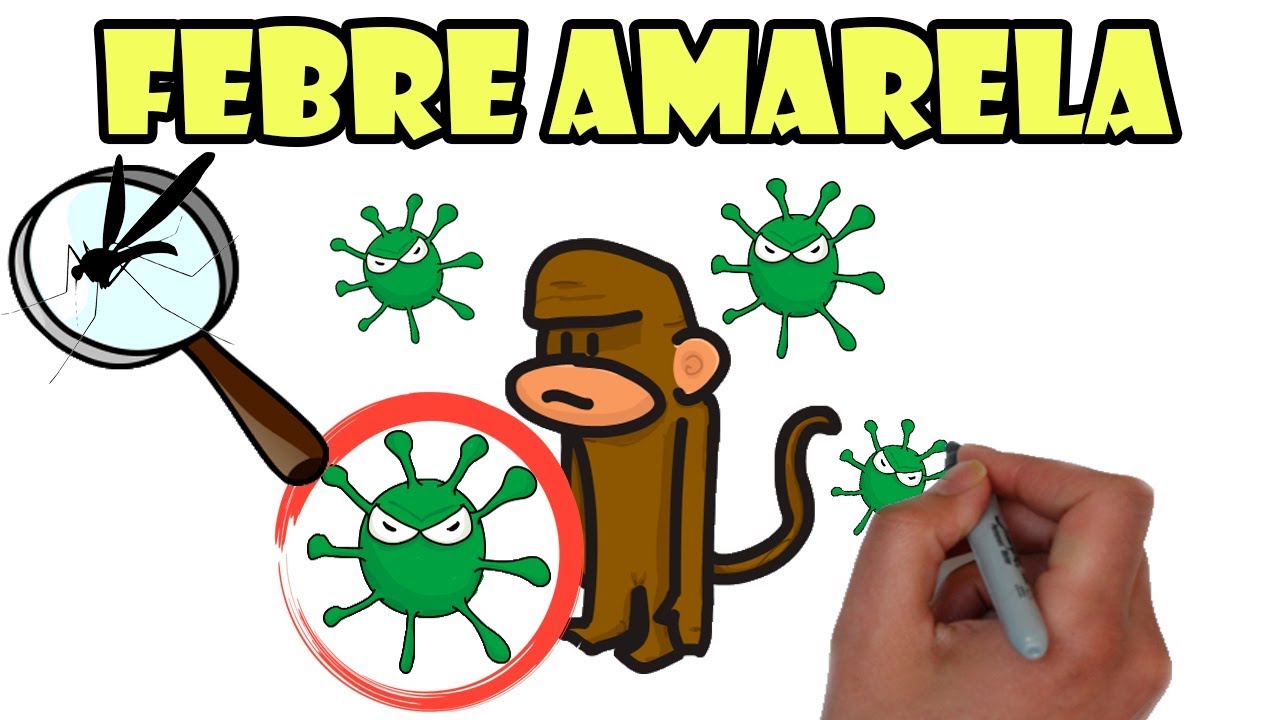
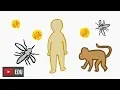
Yellow fever is the name of the disease caused by a virus of the genus Flavivirus. Studies indicate that the virus originated in the East or Central Africa, with transmission between primates and humans, spreading to West Africa. The first outbreaks of yellow fever in the Americas occurred on the island of Barbados in 1647 and in Guadalupe, Mexico, in 1648.
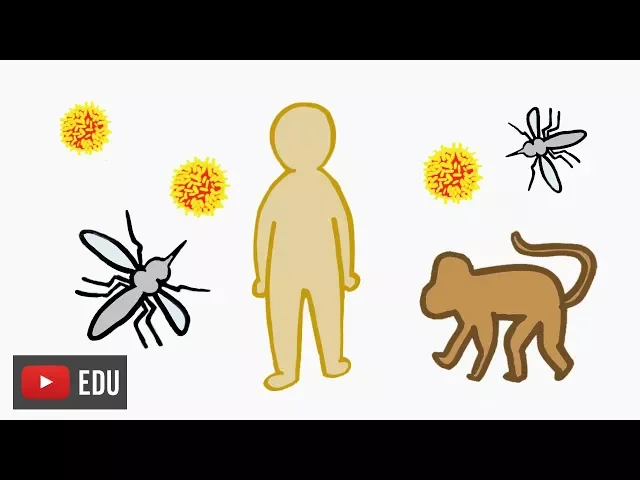
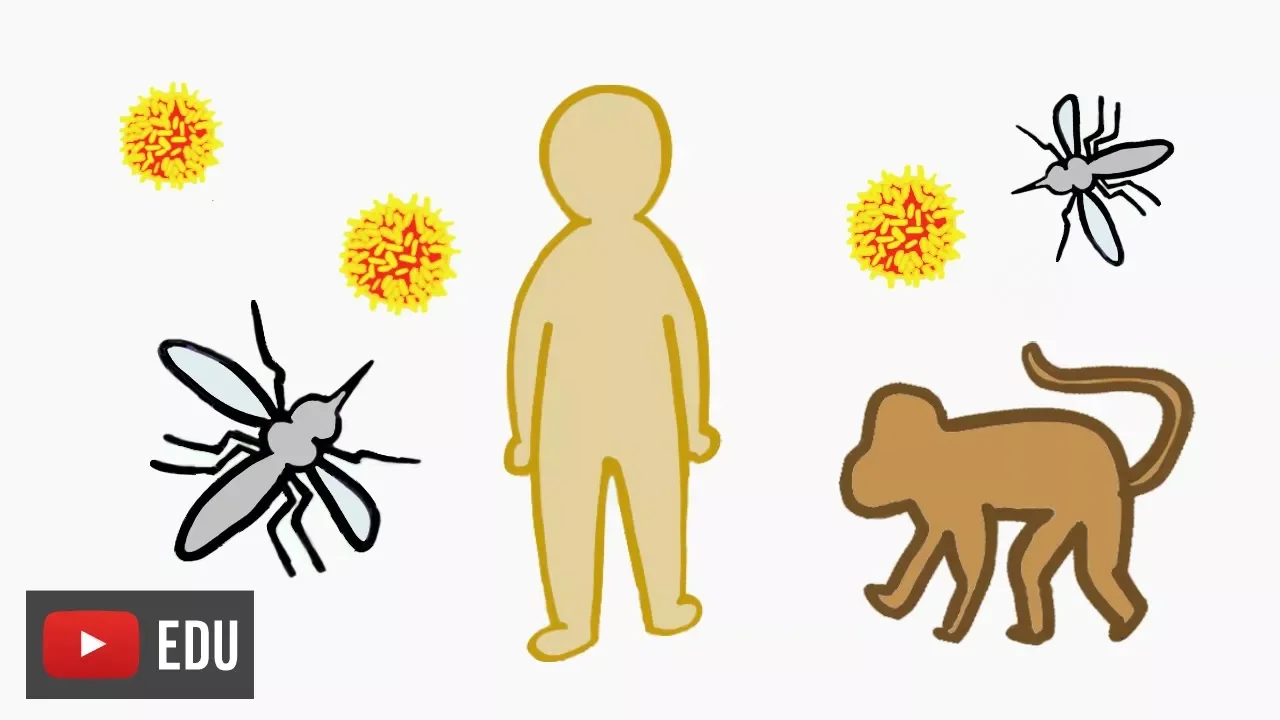
In Brazil, the first outbreak occurred in Recife in 1685. But how do you get yellow fever? Females mosquitoes acquire the virus when feeding on the blood of infected primates, both monkeys and humans.
The virus then infects the cells of the intestine of the mosquito and migrates to their salivary glands. When it reaches the salivary glands, the virus is inoculated into another primate by biting. When entering the bloodstream, viruses infect blood cells to multiply.
Once the number of viruses has already increased enough in the blood they infect and multiply in other parts of the body such as kidneys, liver and spleen. The cells used by viruses to replicate are destroyed, and this generates inflammation of the tissue. There are two epidemiological cycles according to the site and species of the transmitting mosquito.
The jungle cycle involves the transmission of viruses among non-human primates, for example, Howler monkeys, and mosquito species found in the forest, such as Haemagogus and Sabethes. But the mosquito can transmit the virus to humans when we visit or work in forest areas. It is not the monkeys that transmit the virus to humans.
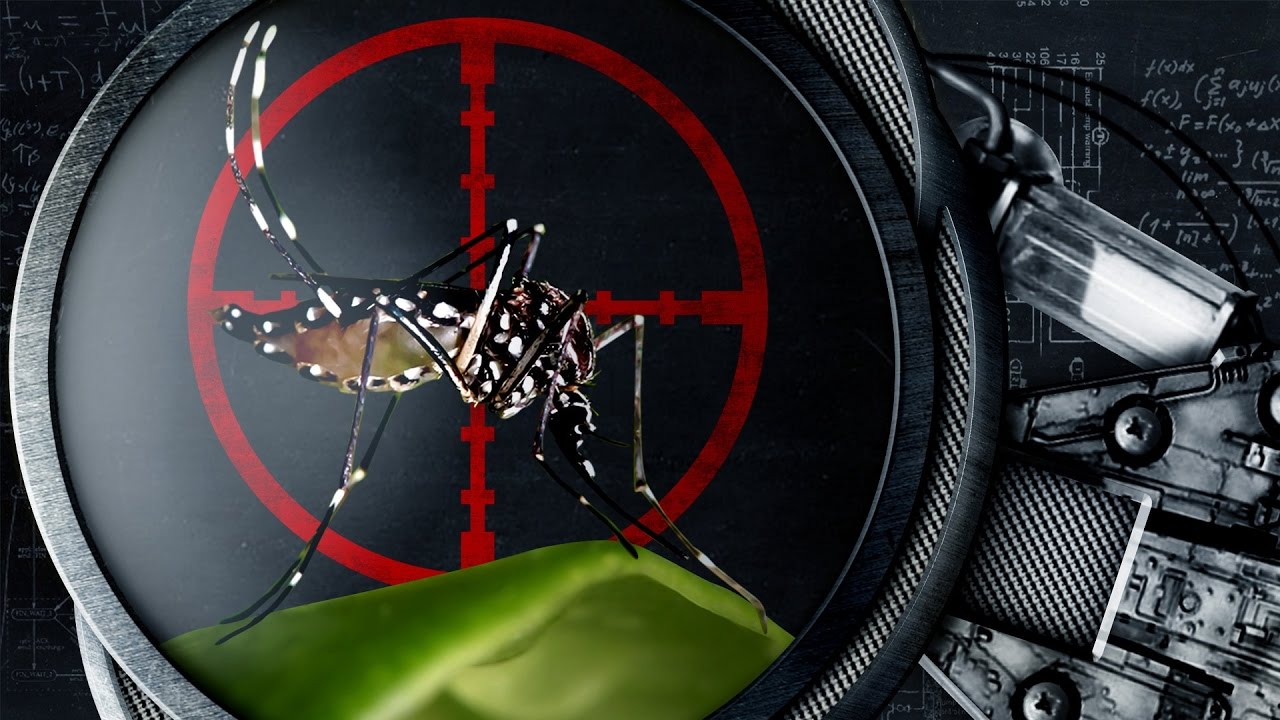
The urban cycle involves the transmission of the virus between humans and urban mosquitoes, mainly Aedes aegypti, which also transmits dengue, zika and chikungunya. The virus is usually brought into the urban environment by a human who has been infected in the forest areas. Aedes can bite this individual, acquire the virus and start the urban cycle.
About 20-30% of infected people do not have symptoms, but the most common are fever, muscle aches, headache, loss of appetite, nausea and vomiting. In most cases, the symptoms disappear after 3 or 4 days. In more severe cases, which develop to a toxic phase, the disease can affect the kidneys and the liver, causing jaundice, dark urine, in addition to high fever, abdominal pain, bleeding in the mouth, eyes and stomach.
About 40-50% of patients in this toxic phase substances die within 10 days. The diagnosis of Yellow Fever is difficult in the initial phase. PCR test can be used to detect the genetic material of the virus in the sample of patient's blood or urine, but he does not works very well in late stages.
At this advanced stage the identification of antibodies by ELISA test. That's because our body tries to fight the virus producing specific antibodies against it. If the ELISA test detects these antibodies in the blood, it means that the person has been in contact with the virus.
The treatment for yellow fever only softens the symptoms, it is not specific against the virus. But, fortunately, we have forms of prevention, like the YF vaccine. In the next video we'll talk more about it and the recent outbreaks in Brazil.
If you liked this video, give a thumbs-up and also share it. See you next time!