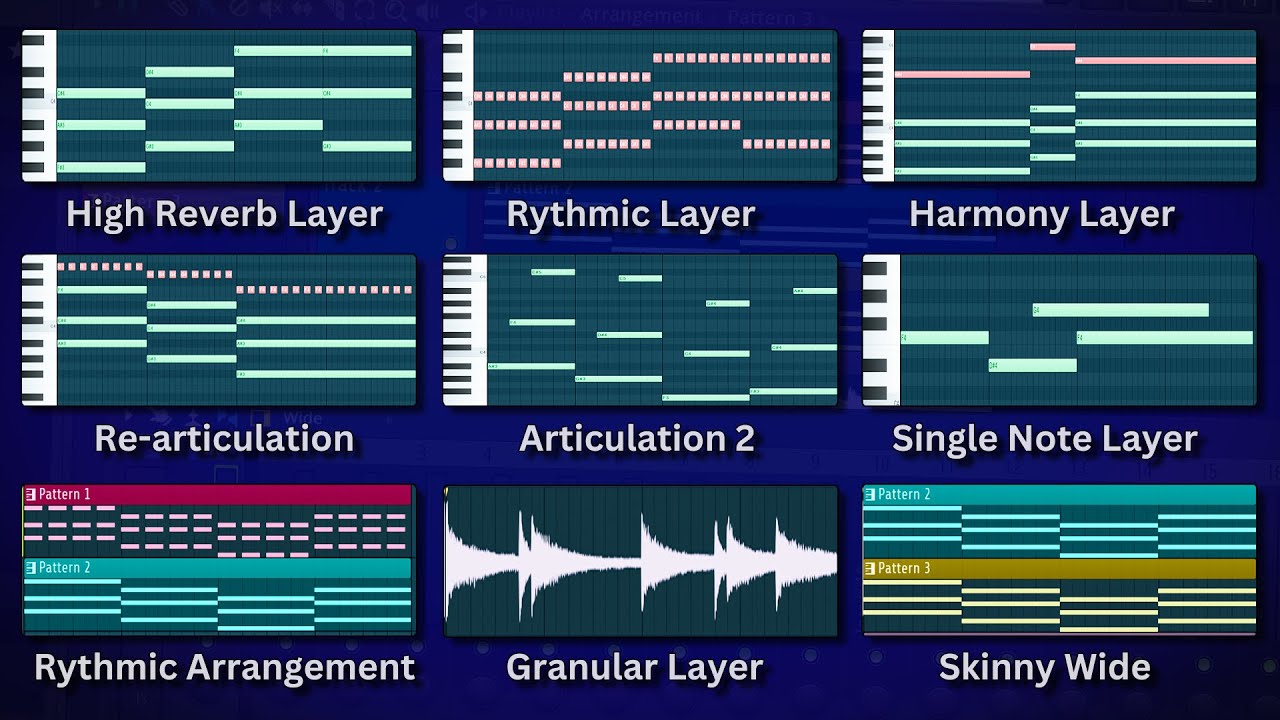
I've got a crazy fact for you. The top 1% of artists generate 90% of streams on all music platforms. You see that little sliver up there?
They get almost all the streams. Today I want to talk about how to get your drum beats closer to that top 1%. This is what this channel is all about.
To get better at anything, we have to understand how to move up the learning curve. When you start making music, nothing makes sense, everything's confusing, and you feel like you're making no progress. But then eventually you have some light bulb moments and you start to feel like you're getting the hang of it.
But over time, that slowly tapers off. When you get to the top, you can barely tell that line is moving up anymore. The thing is, this is where the top 1% of artists live.
And this could be the learning curve for anything, for songwriting, for sound design, but today it's gonna be the learning curve for making drum beats. Let's talk about how to move further up that curve. And I'm on this journey with you.
I've got like 200 something thousand Spotify listeners right now. By the end of 2024, my goal is to be at over 1 million and whatever I learned along the way, I'm gonna make videos about, so for the drums, let's use this track as an example. The drums could be a lot better.
So layer by layer, let's take this beat up the curve, and then at the end we'll compare the before and after to see how much of a difference it made. So here are the drums right now. Let's start with the kick.
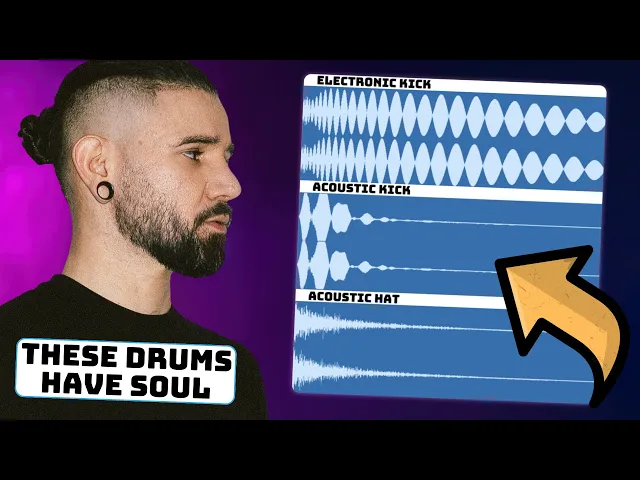
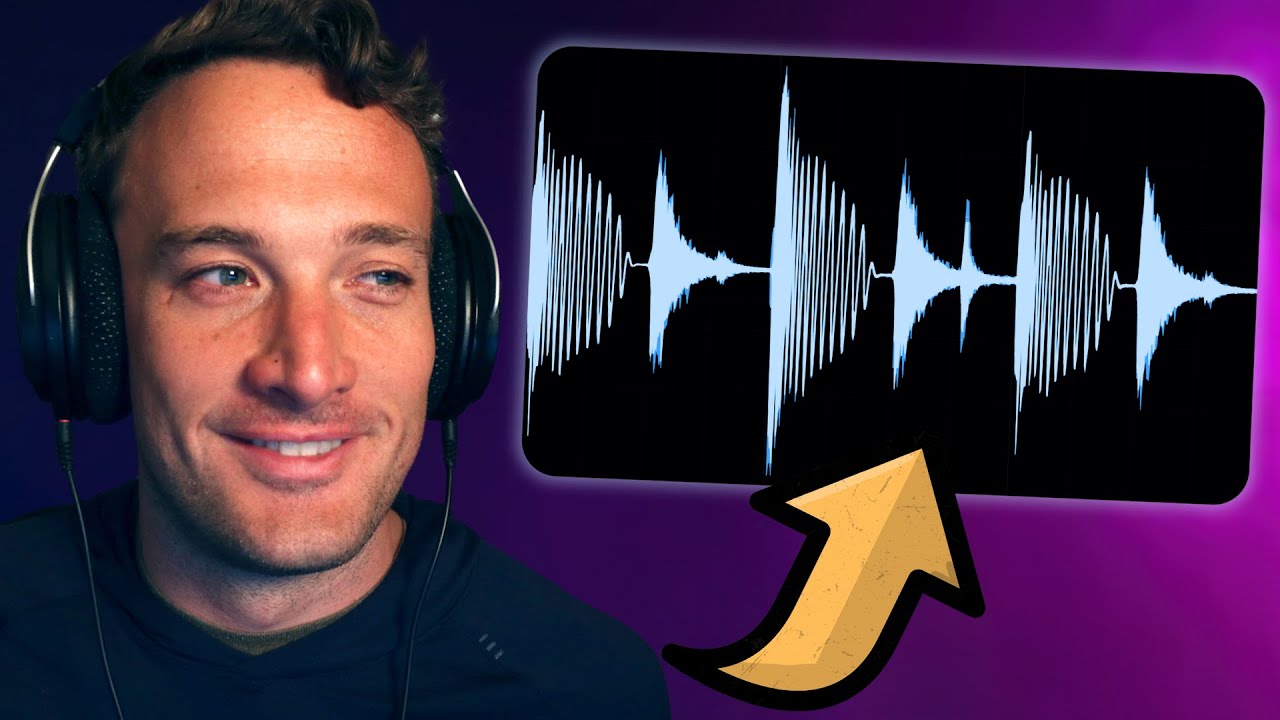
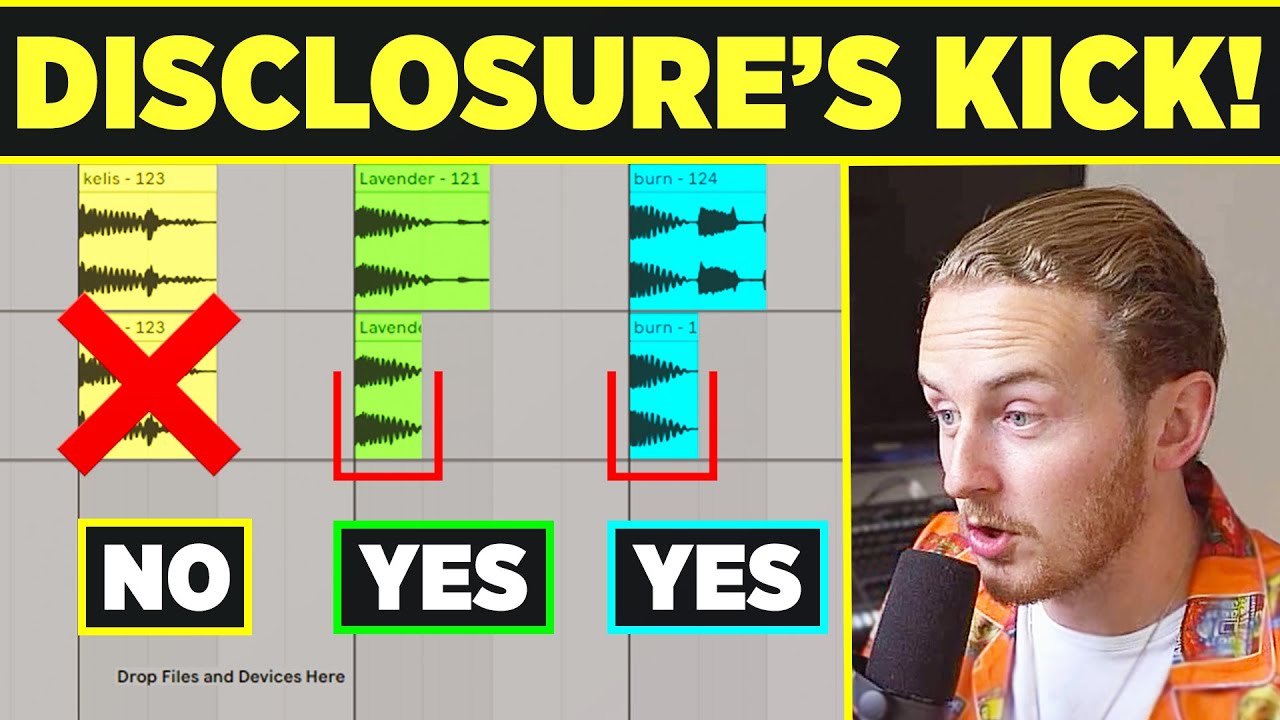
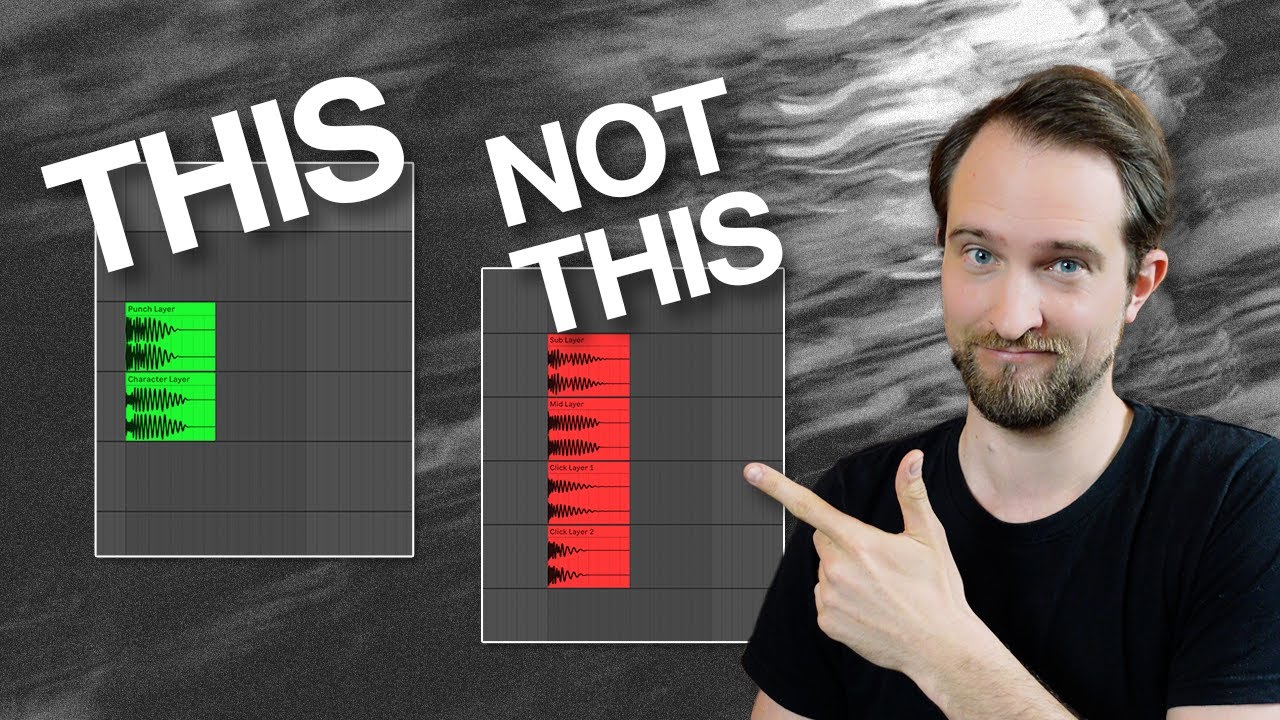
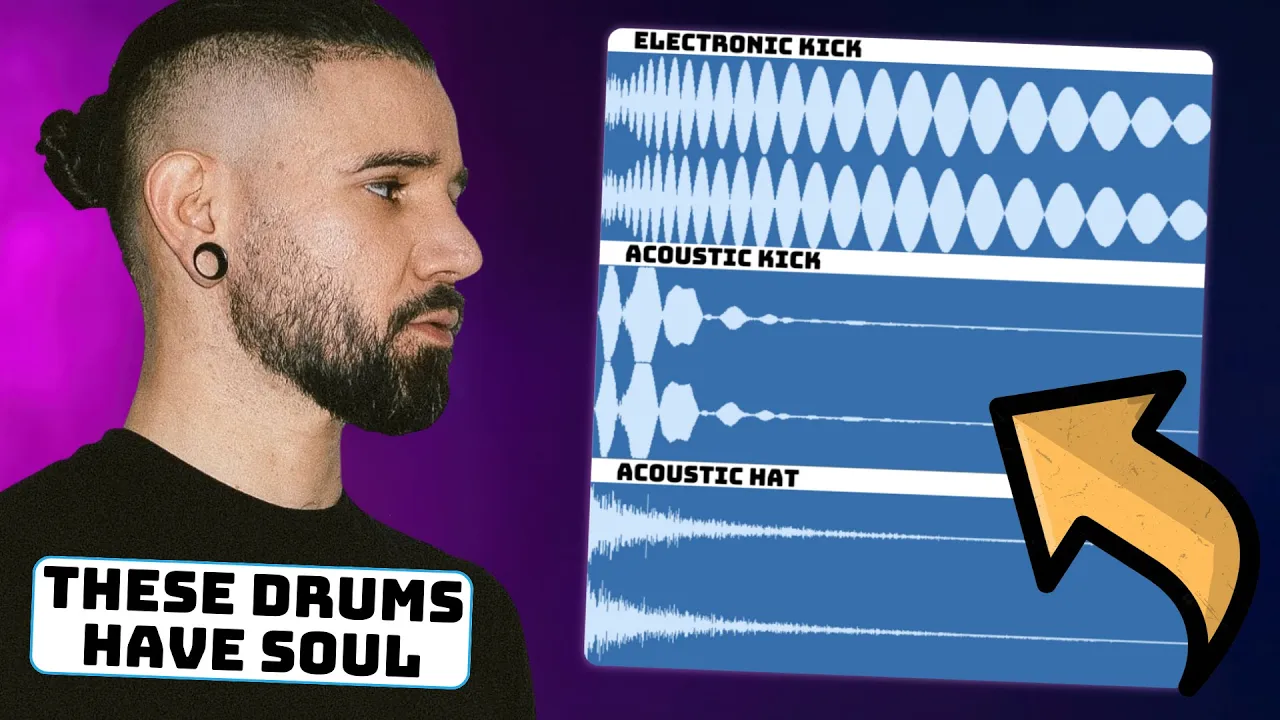
It's a nice kick sample. I can see by the clean, punchy shape what we can add some more life to it. What we can do is add in this acoustic kick sample from a real drum set.
But we already have the initial transient from the other kick drum. So I'm gonna fade this in so we're only getting the tail. I'll also cut out the low end so it doesn't mess with the main kick.
So that'll add a more organic tail to the kick. But if you think about a real drummer playing, a lot of the time they're hitting the closed hat symbol at the same time as the kick drum. So let's take this real closed hat sample, and if we layer it with that acoustic tail onto the original kick sample, it sounds like this.
These are small details, but it helps add life to the sample. Let's move on to the snare. I'm gonna do the same thing.
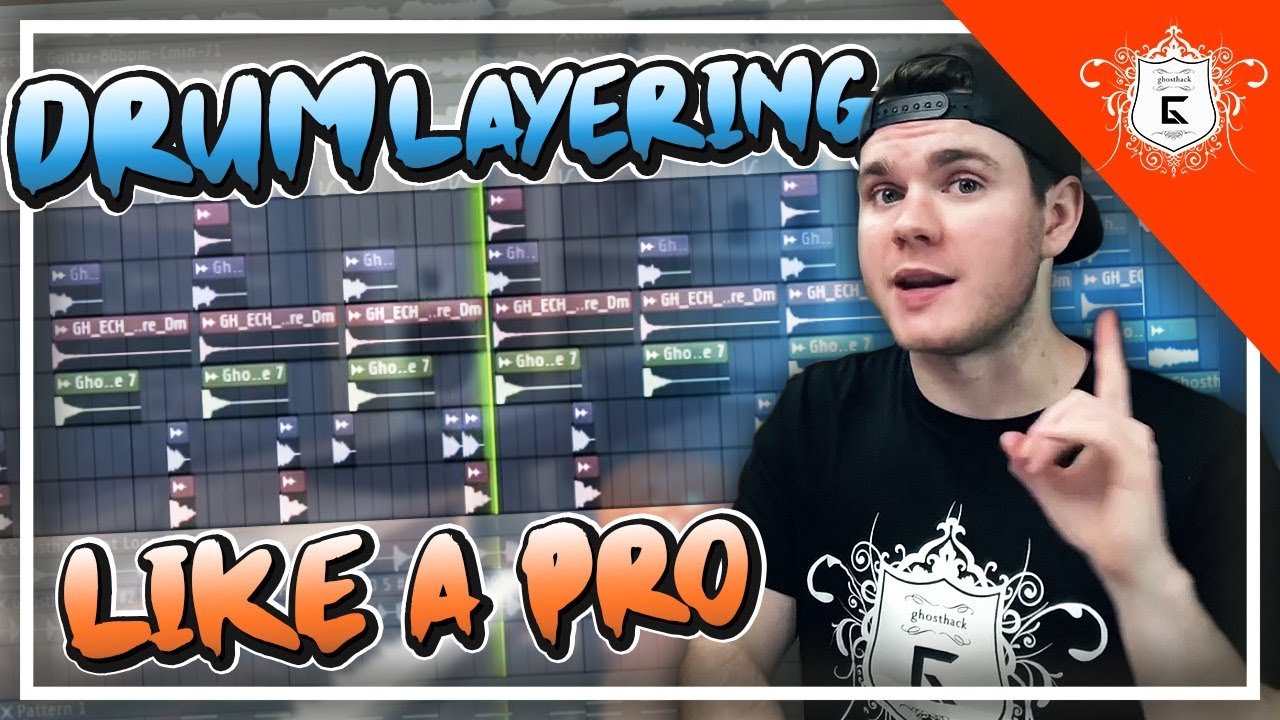
I'm gonna try to find a more organic snare sample. Then I'll just cut out the low end so it doesn't mess with the main snare, but it's boring to have the exact same snare every time. So every other snare, let's add in a hand clap sample.
And before that hand clap, I'll add in a little sweet. Now if we play all those layers together, it's gonna have a lot more life. Also, later in the video I'll give you some songs to check out from big artists who do this drum layering really well.
Let's move on to the top end of the drum mix. We've got this open hat sound. You should already know what I'm gonna do.
I'm gonna find a more organic real sounding sample and layer that in with the electronic sample. It adds that extra to mention we're looking for. And let's do it again with the shaker.
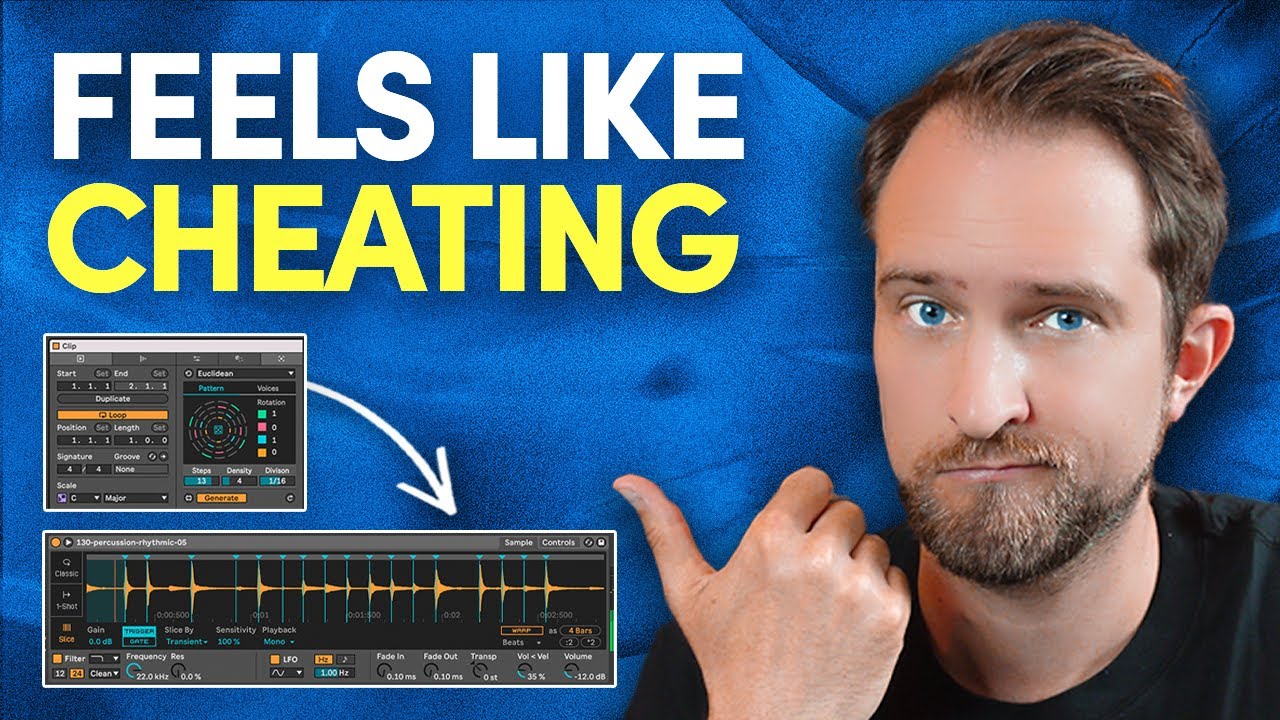
This loop is actually already pretty organic, but I think we can make it sound even more alive. So I found this pretty natural sounding percussion loop that has the same rhythm. So when I play them together, it just gives it that little extra lift.
Another way we can copy real drummers is add little ghost notes. These are little percussion hits that add groove, but in the context of the full mix, you don't even really hear them. You just feel them Subconsciously to the listener that's gonna make the whole drumbeat sound more natural.
So let's do the before and after, but I want to talk about what I think most people struggle with when it comes to drum beats and that's sample selection. How do you know when a sample sounds good and a sample sounds bad? How do you know if it's gonna work in your track or not?
I've found there are only really two ways to get better at sample selection. There's the hard way and the easy way. The hard way is just through trial and error and years of baking music, you learn what sounds good and what doesn't.
The easy way is just find a couple of producers you trust and use their sounds. When I was starting out, I used a lot of KSHMR sounds 'cause I trusted that he knows what sounds good. That's why I have my house drums pack at www.
bigzstudios. com Instead of digging through 26 million samples on splice and trying to figure out what sounds good, you can just use sounds for a producer you trust. And it doesn't have to be me.
Just find a sound designer you like and take advantage of their years of experience and use their sounds. Now let's see what this drum beat sounds like before and after the changes we made. I'm gonna play it once with just the drums and then once in the context of the full track.
'cause that's really what's important. And If you want some good examples of drum layering, check out these tracks. Thanks for watching.
Peace.