Ever walked away from a conversation feeling misunderstood or drained, but couldn't quite put your finger on why? Let's be real. We all want to be good listeners, but sometimes, even when we're trying our best, we can unknowingly make things worse.
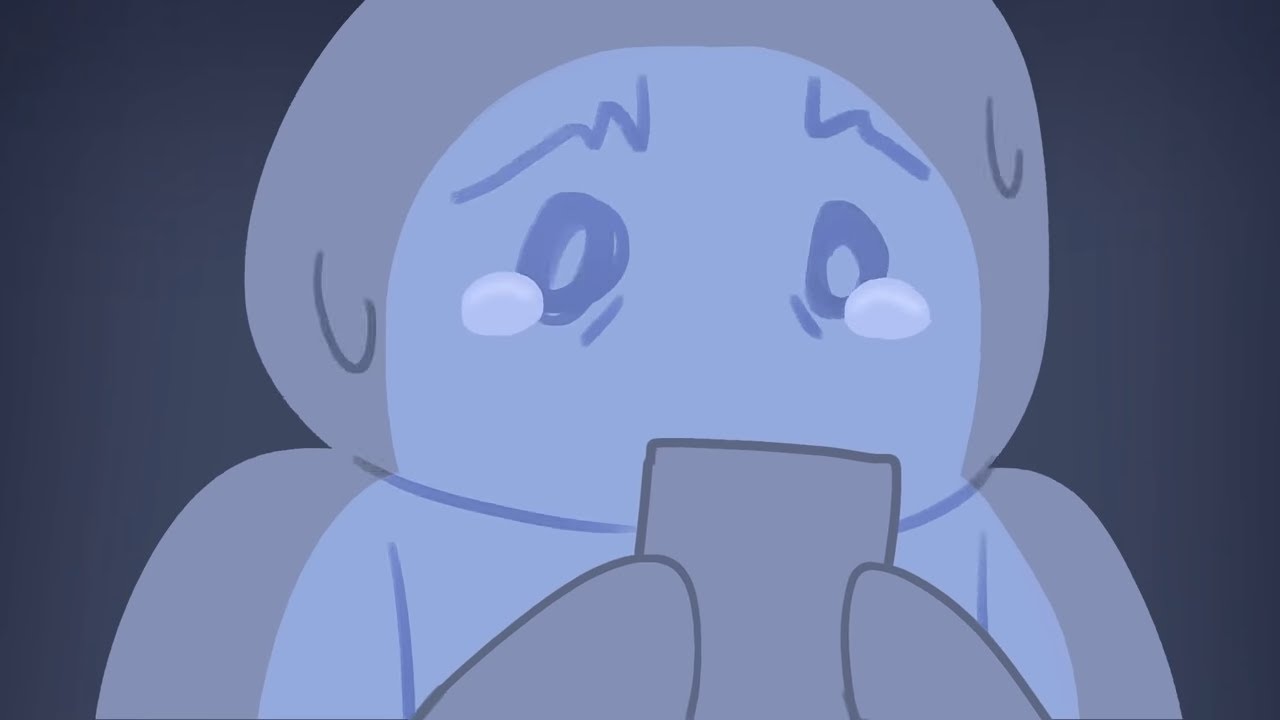
Let's make it simple. Imagine your friend comes to you looking anxious and says, "I think I completely ruined my interview. I froze on one of the questions and my answers made no sense.
They must think I'm clueless. Uh, I feel so embarrassed. So, what do you say next?
Option A. Hey, you're amazing. I'm sure you did great.
I'm sure they'll love you. Option B. Well, why do you feel that way?
What question tripped you up? What did you say? Or option C.
Hey, don't stress about it. It's done now. Just let it go and wait for the result.
You've got this. Can you relate to any of these options? Or do you have a different response?
Share it in the comments below. All right, let's dive into our list. Criticizing instead of connecting.
You probably think this one's harmless. After all, it's just feedback, right? Well, criticism might seem like you're offering guidance, but it often lands as a personal attack.
For example, your friend shares how they messed up a presentation, and you go, "Well, maybe if you prepared more. " Instead of feeling supported, they now feel judged, even if you mean, "Well, criticizing shuts down the conversation and creates defensiveness. " instead try.
That sounds tough. What do you think you'll do next? This shows you're listening and gives them space to reflect without judgment.
Diagnosing. Ever caught yourself saying you're so anxious or you just have commitment issues. While you might think you're being insightful, diagnosing someone's emotions or behaviors can feel invalidating.
It's like putting them under a microscope when they just want to share their story. Next time, ask yourself, "Am I trying to understand or am I trying to fix them? " Often people don't want answers.
They just want to be heard. Over praising. This one's tricky because saying, "You're the smartest or you're the funniest sounds positive, right?
" But these labels often imply comparison, placing someone on a pedestal they feel they must always live up to. Instead of over praising, focus on the effort or action behind their success. For example, swap you're so talented for, "I admire how much effort you put into this.
" Praising what they do instead of who they are, helps them feel appreciated without the weight of unrealistic expectations. Questioning too much. Ever had someone ask you rapid fire questions like they're a detective?
Why didn't you say something sooner? What happened after that? And then what?
While curiosity is great, too many questions can feel overwhelming and make the other person shut down. Instead, pause and reflect. Wow, that must have been intense.
How did you feel about it? A little space goes a long way in helping someone open up. Reassuring too quickly.
We've all done this. When someone shares their struggles, it's tempting to swoop in with, "It'll be fine. " or "Don't worry, you you've got this.
" But while meaning, quick reassurances can feel dismissive. It's like skipping over their pain instead of sitting with them in it. Try this instead.
That sounds really hard. I'm here for you. Sometimes the best reassurance is just showing that you care.
Diverting. This one's tricky. Someone shares something personal and you jump in with that reminds me of when I While relatable stories can connect us, diverting too often can make the other person feel unseen.
Before you share your story, ask yourself, is this for them or is this for me? Most of the time, letting them talk is the better move. Save your anecdote for when they ask or when they've had their moment.
Giving someone the spotlight shows you value their experience. Moralizing with shoulds. You should just let it go.
You should know better. You shouldn't feel that way. These should and shouldn't statements can sound like rules rather than support.
They often come across as judgmental, even when your intentions are good. Instead, reframe your language. Have you thought about trying this?
Or what if you looked at it this way? This keeps the conversation collaborative rather than directive. Arguing with logic.
Here's the deal. Emotions aren't logical, but sometimes we treat them like they should be. If your friend is venting about their breakup and you respond with, "But you said you weren't happy anyway.
" You're missing the point. Emotions are messy. They don't need to make sense.
They just need to be felt. Instead of jumping in with logic, say something like, "Sounds like you're feeling a lot right now. " That one sentence can make them feel 10 times more validated.
In this way, you're listening without diminishing their feelings. Bonus point. If you ever find yourself in toxic conversations with no resolutions, it's okay to simply just say no.
As Christine beautifully says in her YouTube channel, saying no honors our boundaries and energy, saying yes to something is as toxic as not saying no, especially if it's a decision you're not comfortable with. These habits often come from a good place. We want to help, relate, or protect.
But good intentions don't always lead to good impact. To break the cycle, ask yourself three simple questions during a conversation. Am I listening or reacting?
Am I helping or am I controlling? Am I connecting or am I shutting down? Conversations aren't just about words.
They're about connection. And by letting go of these toxic tendencies, you can turn even the simplest exchange into something meaningful. So, what about you?
Did any of these habits hit close to home? They did for me. Let us know in the comments.
We'd love to hear your insights. And hey, if this video made you think differently about your conversations, share it with someone who might need to hear this, too. Don't forget to hit like, subscribe, and check out our other videos, like six texting behaviors that are red flags and five toxic phrases that damage your self-esteem.
Thanks for watching.

![[FULL STORY] When did you realize you raised your kid right?](https://img.youtube.com/vi/7loM68EbGGc/maxresdefault.jpg)