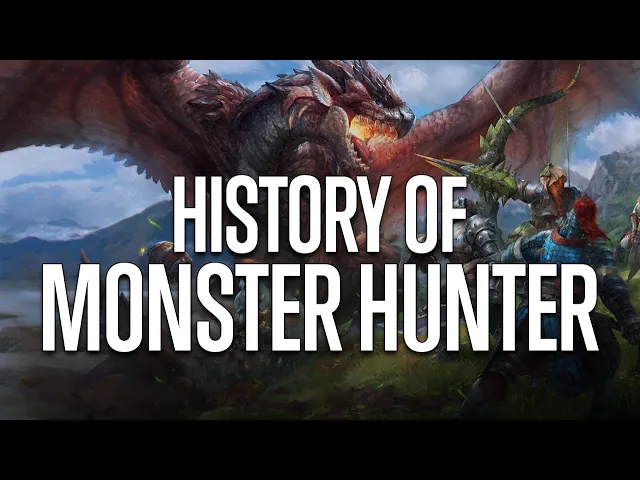
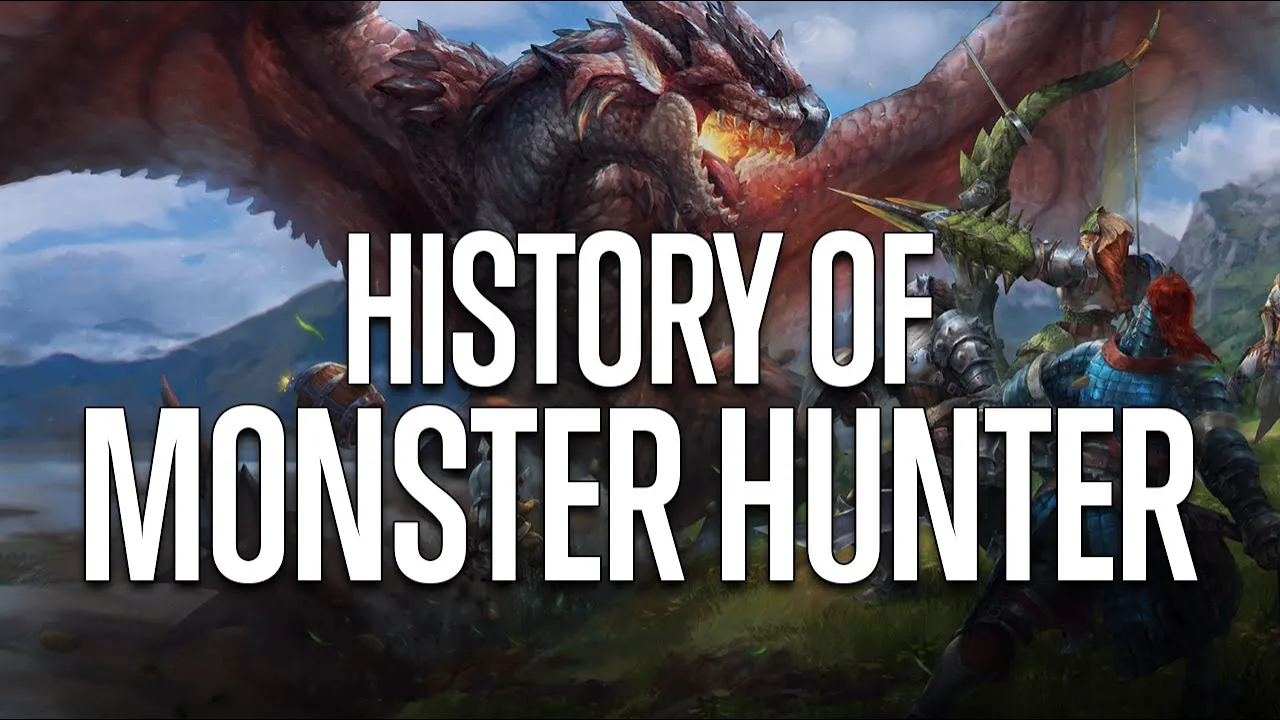
I often think back to my first experience with Monster Hunter back in 2006 when monster hunter freedom was released I would have been about 13 at the time and I was looking for new games to fill up my PSP library I had never heard of monster hunter before but the cover art caught my eye it was a man holding a giant bone sword fighting what looked to be a conventional dragon or wyvern I never really knew the difference the concept sounded simple but interesting enough and I decided to pick it up the game demanded a
certain level of commitment and learning that I wasn't looking to put into a series at the time the battle system was confusing to me and felt slow and sluggish I found myself with barely any weapons items or money and no real understanding about how I was supposed to progress I didn't get it I think it was maybe a week later that I traded the game in it wouldn't be until the release of freedom unite in 2009 that I gave the series another go I had memories of playing freedom and felt like I missed something maybe
the concept appealed more to me now that I was a bit older but I'm not sure I had a more accepting attitude of the premise in fact it sounded really appealing to hunt monsters in order to progress rather than your traditional action RPG leveling system again I didn't get very far the game was still very demanding and lacked a certain quality of life standard that I expected from games at the time something that is now appealing to me and the cult following the game received in the West I still had a hard time progressing figuring
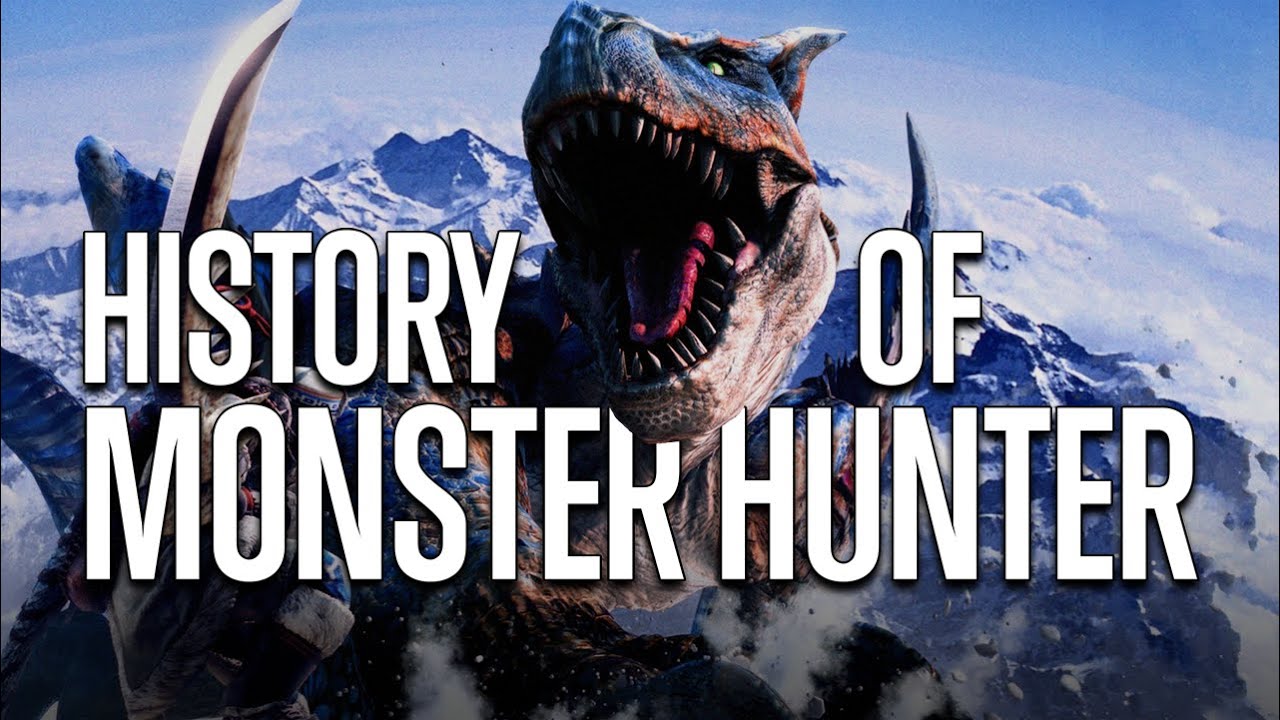
out what weapons suited me best and I probably hit a wall when I had to face a tigrex in the snowy mountains area fast forward a year to 2010 and it was with the release of Monster Hunter Tri that I really sank time into the series hours and hours in my day would go by hunting monsters I think a big factor for me finally successfully getting hooked to this series was through having friends that played it with me through freedom and freedom United I always tried to play the game solo and that definitely isn't where
the game is at its strongest I'm laying out this backstory to convey how interested and invested I am in the series as well as how inherently good the concept is even when the game was considered to be at its most inaccessible to a wider audience it still had this pole in the back of my mind that made me want to return to try it again Master Hunter World has topped the charts becoming best selling game of all time with fifteen point seven million copies sold at the time of making this video but what about the
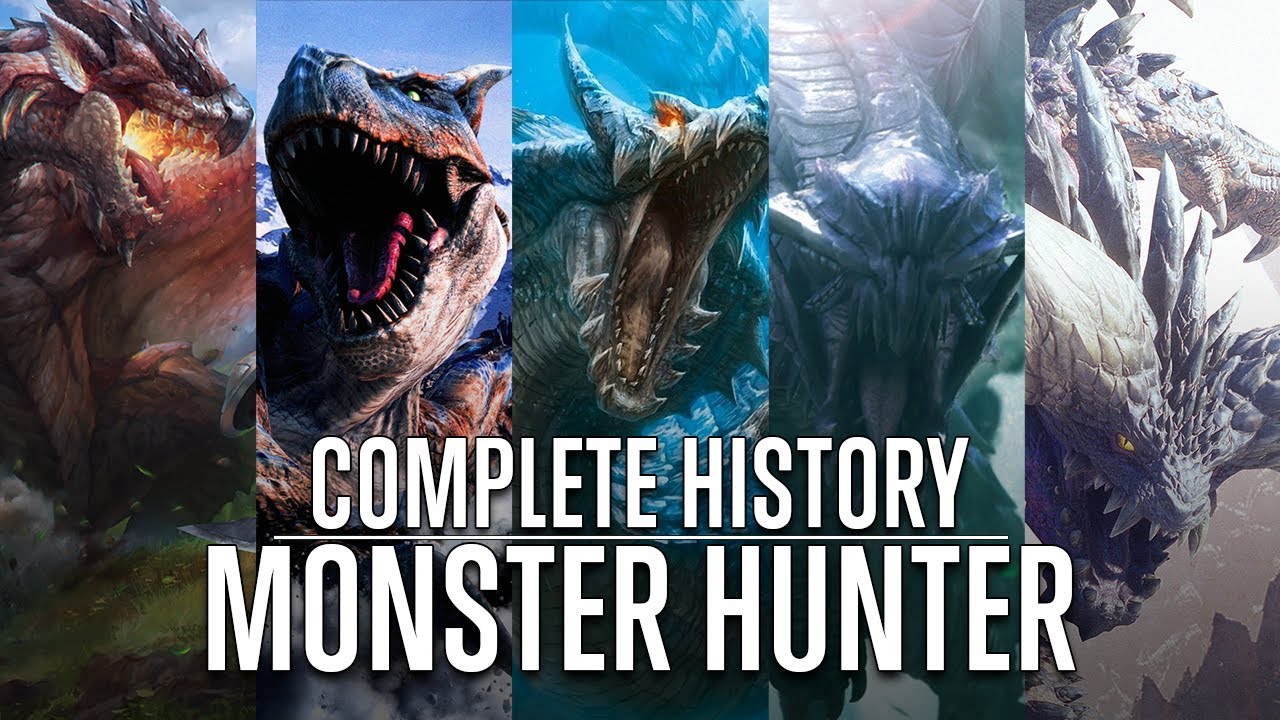
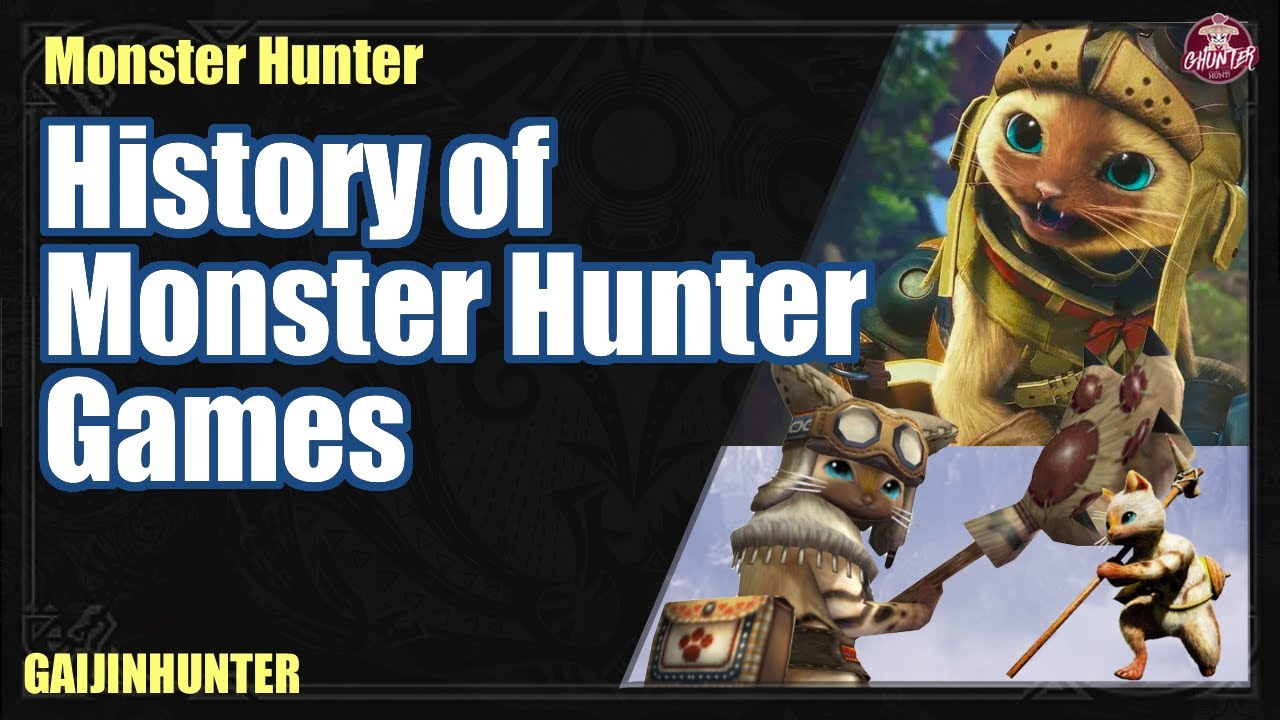
other games in the series what led monster hunter to become the Capcom powerhouse it is today and how did this series perform since its initial inception and release in 2004 in this multi-part video series we'll take a look at all five generations of the Monster Hunter franchise as well as frontier a Chinese MMO RPG series released on PC and several spin-off games that have been developed I'm super rad and today I'm joined with fly an to bring you a brief history of Monster Hunter 1st generation [Music] so let me paint a picture for you it's
2001 and network play has been introduced to the PlayStation 2 which released a year prior your Capcom's production studio one division and trying to figure out how to capitalize on the new functionality an initiative is formed to create three games with the goal of at least one of these games selling a million copies or more these three games include auto mode a lista Resident Evil Outbreak and you guessed it Monster Hunter Monster Hunter was produced by Tsuyoshi Tanaka and nori taka funa mezu but the development and production was taken over by Rio so tsujimoto who
became the series producer since monster hunter freedom 2 he has stated Monster Hunter to be the culmination of the work that went into the other two titles as part of the network play initiative spoiler both Monster Hunter and Resident Evil Outbreak ended up selling over a million copies in Japan and this feat wouldn't happen in the West until the release of Monster Hunter 4 on the 3d s the game was designed with cooperative play in mind so players of any skill level could feel accomplished when hunting the giant creatures found in the series despite this
angle and the total sales reaching over 1 million copies Master Hunter still wasn't a big name in Japan and wouldn't be until the release of freedom 2 in 2007 so what's the game about if you're an avid Monster Hunter fan you probably already know the answer to this but let's take a deeper look for those less familiar with the series Master Hunter is a hack and slash action strategy game that focuses on the hunting and capturing of large boss like monsters it promotes heavy preparation before each hunt by forcing the player to gather items around
each of the game's hunting areas and use those items to craft beneficial items such as health potions or antidotes to become more effective in the world of monster hunter the player must use the items they carve off of the large monsters to forge and upgrade existing equipment making the character more effective by raising their attack and defense Master Hunter introduces the following weapons 5 blade master options the great sword sword and shield hammer and Lance with dual blades being introduced later in the international Edition and 2 gunner options the lipo gun and the heavy Boggan
each of these weapons have their own strengths weakness and playing Styles Blademaster and Gunners also get their own armor sets in majority with some sets and armor pieces being shared between the two class Ark types weapons all have a specific sharpness level that can decrease through use while on a hunt a hunter must sharpen their weapon when it is in disrepair or I'll suffer from lower damage and potentially bouncing off of the enemy instead of slicing or bashing into them the maximum sharpness obtainable on a weapon in Monster Hunter 1 was green with new sharpness
levels being introduced in the expansion and in future games additionally certain blade master weapons such as the longsword were better at damaging certain enemy parts or cutting off enemy tails but more blunt weapons like the hammer were more effective at knocking out the enemy and breaking through hard hide armor sets would also provide additional skill bonuses depending on the set such as additional health or the ability to endure heat of the volcano area without items the game introduced many of the iconic monsters that have persisted throughout the series these include gand roam Ayad roam and
velocity ohm pasar EOS and gravy O's Cepheid Rome and Plessy aath Diablos and mano blows yon Kaku and gypsy rose Kazu wrothian and the game's flagship monster Rathalos possibly the most popular monster in the series on top of these large monsters are several smaller monsters that the player will hunt and gather from along their quests and several Elder Dragons elder dragons are a special class of large monsters that defy typical classifications of the standard monster and are exceptionally powerful in Monster Hunter 1 these include Fatalis Wow sham lung and Kieran Kieran is the perfect example
that the term elder dragon does not necessarily guarantee the creature will be of a dragon-like appearance as of writing this it is currently impossible to hunt both Kieran and fate Alice in the original game as they were online specific hunts and the servers have been shut down additionally Elder Dragons cannot be captured like most larger monsters the greater goal of the player is to complete quests that unlock higher ranks so that they can fight higher difficulty enemies and craft better gear quests and single-player and multiplayer separate with multiplayer quests being set to a higher difficulty
to match the possibility of multiple hunters on a mission the single player or village quests consist of one star - five star while the multiplayer or town quests go up to six star town quests are broken up into low rank which is up to 3 star and high rank from 4 star and up high rank quests introduced new monsters and armor sets as well as more powerful versions of previously introduced monsters completing quests in the original game provided the player with hunter rank points or HR points for short it would take certain amounts of HR
points for the player to eventually advance up through 20 hunter ranks starting as a ranger and eventually reaching the title of monster hunter the hunter rank determines what quests the player can participate in as well as what is sold in the local shops the hub world the player spends most of their time in is kokuto village where they can shop forge upgrade and eat before posting quests and heading out on hunts this is where all offline content takes place within the first generation the village has a landmark called the heroes blade which is embedded in
a large rock the blade belonged to a legendary hunter who hunted a mano blows and the elder dragon Lau sham Leung single-handedly before hunting a second Lau Chan Leung due to it killing his fiancee this hunter is referred to as the hero of kokuto the online town quest took place in mine guard town a special location only seen in the original Monster Hunter and the expansion Monster Hunter G mine guard consisted of the central square an armory where the player could forge equipment and the tavern the tavern was where players would interact the most being
able to post quests get virtually drunk and chat the tavern reappears in monster hunter freedom but is located in Kokoda village other locations in mind garde town include the guest house where players could rent rooms based on their hunter rank here the player could change their gear eat for kitchen or feline skills and save their game finally mine garden town also included a market where players could visit various shops to buy goods and get daily special sales on each server up to 8 players could enter the town at any given time but only up to
4 players could participate in a quest together the original Monster Hunter introduced eight unique hunting and exploration / gathering locations these included forests and hills jungle desert swamp and volcano additionally there were two special boss areas the fortress and castles grade as well as an arena the fortress is a special location where the hunters can fight Lao Shan Leung and later Shen Garen in master hunter to the castle area was used specifically to fight the elder dragon fate Alice a player would have to pay different contract fees of various amounts of the in-game currencies any
to unlock additional areas and weapons of the castle to help in the battle puggy is an iconic pet to the player and has appeared in every monster hunter to date in master hunter 1 the player could interact with Pugi but wouldn't be able to dress him up in costumes until monster hunter 2 the player can interact with poogie and play a short time based minigame to pet the piggies head and have it follow them around there is a long-standing rumor that petting the Pugi properly will raise the hunters luck and helps with getting rare items
from carving large monsters on hunts this has never been proven to be true and I want to make that very clear because this is one of the oldest rumors in this series it is unproven that petting the poogie does anything to raise drop rates but is that going to stop you from petting him anyway Monster Hunter was released internationally and included several differences compared to his Japanese counterpart specifically the inclusion of dual blades which did not appear in the Japanese release the variety of this weapon type was small and were integrated into the sword and
shield crafting paths instead of their own unique path other changes include seeing equipped weapons outside of a quest the addition of an auto sort function for the inventory something that has persisted throughout the rest of the series and the addition of the iconic kill screen which shows the players perspective during the last hit of an enemy encounter that killed it and completed the quest as well as multiple other small changes now with all that out of the way let's have fly-in explain all of the additional content found in the expansion game Master Hunter G monster
hunter G is a japan-exclusive game released on the PlayStation 2 in 2005 and later on the Nintendo Wii in 2009 it is considered an expansion of the original monster hunter consisting of all the content from the main game as well as several new additions before we get into the content let's discuss the name yg what does adding a letter signify to the player there's a lot of discussion you can find online about the G title with the easiest way to think about it is to think about how Western culture might add words like super or
ultimate to their titles when definitive editions are released in fact when Monster Hunter 3G made it over to the West it was renamed to Monster Hunter 3 ultimate the general consensus you'll find online is that G stands for great or that it conveys a certain energy of something being bigger or better mhg introduced a lot of new content including concepts that would last throughout the entire series one of these was subspecies certain monsters within the series received new variations that while generally looking fairly similar to one another could have multiple changes such as elemental type
weaknesses moves and drops these subspecies included black gravy o's and blue yang cuckoo green plessy off that son-of-a-bitch and purple chips arose red Kazu black Diablos and white mana blows pink Ratheon and gold Ratheon Azur Rathalos who ended up being the flagship monster for the western release of three ultimate and silver after loss and the Elder Dragons ashen loud Shan lung and crimson fate Alice with new monsters came new armor sets and weapons and with new weapons came two new sharpeners levels introduced to the series where the previous highest sharpness level was green now players
could work towards blue and further into white sharpness these sharpness levels provided significantly higher raw damage multipliers GE ranked quests were introduced to the game these quests would appear after the hunter successfully completed high rank and would offer more difficult challenges as well as a new tier of weapons and armor sets something that is persistent in both Monster Hunter for the ps2 and Monster Hunter G is a control style this style changes in freedom but in the original ps2 releases had the they are attacking with the right analog stick and moving the camera with the
d-pad this led to a popularized form of holding the controller called the claw grip this form of holding the controller was even used by the developers of the game with future releases of the game and the inclusion of multiple control schemes the claw grip soon became obsolete in 2009 a version of Monster Hunter G was ported to the Nintendo Wii the re-release included a special classic controller for the game as well as a demo for Monster Hunter Tri there are a few differences to go over specifically the control scheme which was based on the freedom
/ portable version of the game rather than the ps2 version the game also added movesets and handling from the second generation of games without the inclusion of second generation weapons an example of this being in The Grates or charge having come out after the second generation of games it included a few quality of life changes such as the hunter starting with one of each weapon type at their base forms as well as the ability to preview weapons before crafting them Master Hunter portable could be considered a mobile port of G with very few variations or
changes there are multiple to discuss however but nothing as drastic as the additions added to G for example only one new monster is introduced to the series that being younger ooga a relative of Yen kut-ku and a monster that functioned in the game similarly two elder dragons from the later generations needing to be repelled multiple times subspecies previously were only available in town quests now called guild quests but now also appeared in village quests the player wouldn't know if they were hunting a subspecies unless the quest specifically mentioned the color of the monster in the
quest description the game also introduced a multiplayer only treasure hunt mode where two players could take on a gathering quest and be rewarded with money by completing it arguably the biggest addition to the game was the cocoa farm in addition where players could gather materials without going out on quests and into field areas like zones and quest fields they have limited amounts of resources that would only refresh in between quests the player can purchase renovations as they progress through the game that would allow them to gather better materials the player would have to first unlock
these renovations through urgent quests and then purchased them using kokuto points which are obtained by buying and selling materials in the village the training school was also introduced which allowed players to learn how to play the game and hone their skills as well as certain challenges the players could partake in it's rather bare-bones in freedom and has expanded on in future games no new sharpness was introduced in the freedom version of the game however white sharpness was nerfed in G the raw damage multiplier for white sharpness is 1.5 and is brought down to 1.3 for
the portable game and that's it for the first generation of Monster Hunter I'd like to thank fly an for joining me in this video you can find him over on the following links are also in the description be sure to check out his pokey Hunter series where he draws hunters equipped with Pokemon inspired armor and weapons additionally a big shout-out to the Monster Hunter gathering hall discord for offering clarification on certain topics such as the inclusion of yangu rouga in freedom as well as general or knowledge that they didn't possess before and will help for
future videos you can find a link to that discord in the description as well in the next video we will be focusing on the second generation of Monster Hunter including monster hunter dose freedom 2 and freedom unite which really helped to popularize the series in Japan see you then hello hello it's me I I make I made this I made this video I'm super rad I have a couple extra topics to go over or just some clarifications of stuff that got brought up in the video so I'm gonna go ahead and I'm gonna I'm gonna
read it and you're gonna you're gonna be like that thing I was about to call you out on I oh he brought it up here at the end ok so it's not it's not as bad so first of all small monsters in the in Monster Hunter 1 in the PS 2 which is what I played most of it myself they are awful they're they're terrible in newer games they kind just like they vibe a little bit and will attack you but not to the consistency I mean you may be able to see it in some
of the some of the footage that I made I did you can't carve you have you have to clear it out if you want to be able to carve without any real issues they're just they're just so awful so yeah there's that the claw grip stuff on the PSP I ended up writing it like it went away after a monster hunter a G on the ps2 but that's not true I the PSP actually didn't even have a right analog stick so while the control scheme did change claw grip was still like a viable option within
that game you still like you still like held it kind of like kind of like this and moved the camera getting the quest you want is tough the amount of times I had to go into a quest and abandon it so that I could go back and see if one of the monsters I needed to record was now an option was astronomical each of the ranks gives you five options it could the game could only fit in five options and those options kind of like randomly cycle through or maybe random I'm not sure I think
random but they would cycle through every time you would go into a quest and come back so I had to go into a quest abandon it and come back out which was awful I didn't mention him in this video but there is a legendary gunner on top of the Hiroko Kota there is a legendary gunner he actually gives you I believe a quest to hunt them mano blows they believe it's to hunt Amano blows and he kind of just shows up so at some point he kind of shows up at some point late into the
game and just and just hangs out under the tree near where you would like go off to go do your quests so yeah he's there the legendary gunner he's pretty cool finally I said that it is impossible to play this game online and like visit mine yard town that's that's technically not true I believe through emulation and like either through an emulator or modding your ps2 that you could like go into somebody's private server if they're hosting one I think and play it through that and that means that you could technically access mind guard town
and you could technically access Kirin and fate Alice but I wasn't I didn't want to do that and I didn't do that and again thank you to fly an for appearing in this video okay [Music]