[Music] so i'm at chipotle and for those of you not in the know chipotle is this mexican-american fast food joint where you basically can have a burrito and fill it with whatever you want they have one of those line systems where you go down the line filling your tortilla up with whatever your heart desires and i asked myself is there a correct combination like is there a true combination of meats vegetables and rice that make up the objectively true best combination i thought about these different characters walking in and creating this correct combination the fitness
instructor trying to lose weight would think that the correct choice would maybe be a bowl with just lettuce the bulker would fill their burrito up with a lot of protein and that would be their correct choice now the economists would come in and get the most bang for their buck by loading up every single possible free topping and that would be their correct choice and these correct choices aren't baseless either i'm sure the economist would bring out the numbers and compare his burrito and the cost it takes to create it with other burritos demonstrating mathematically
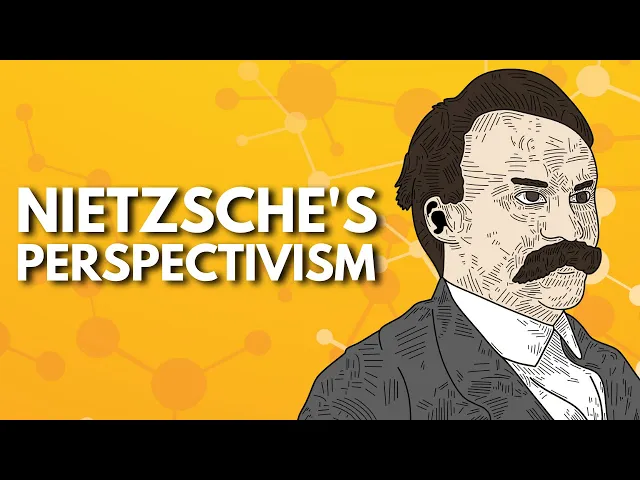
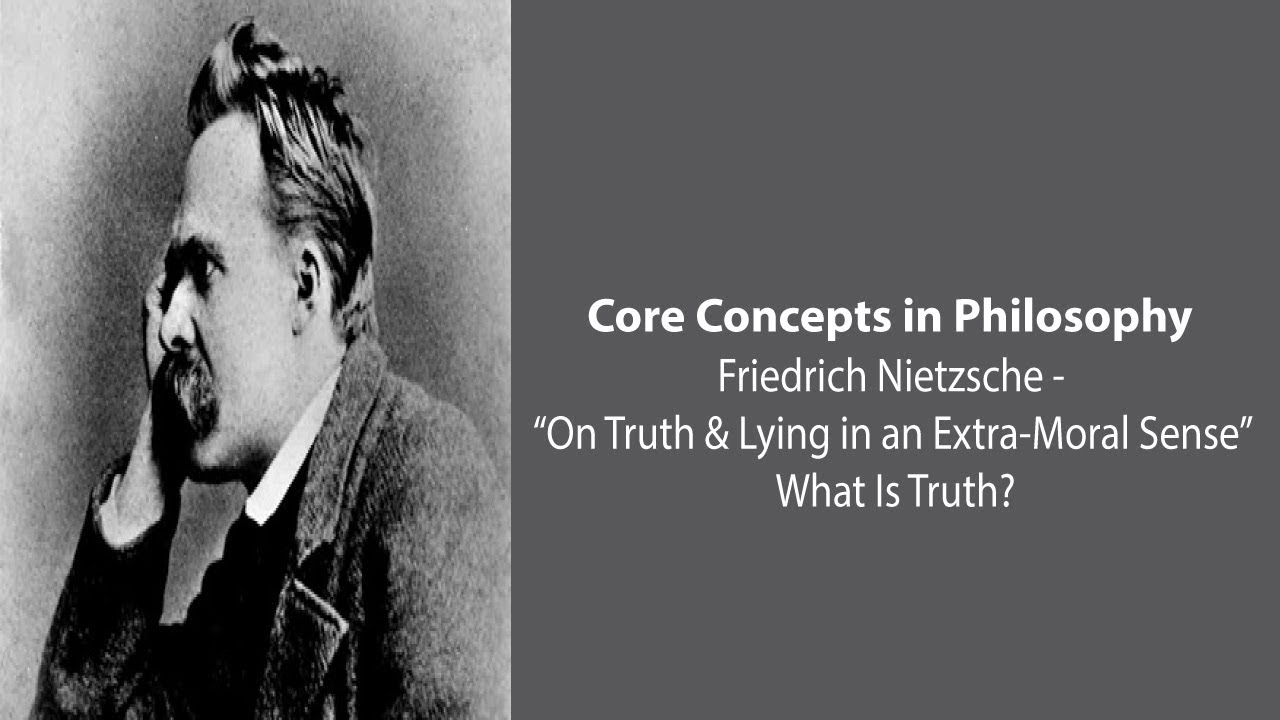
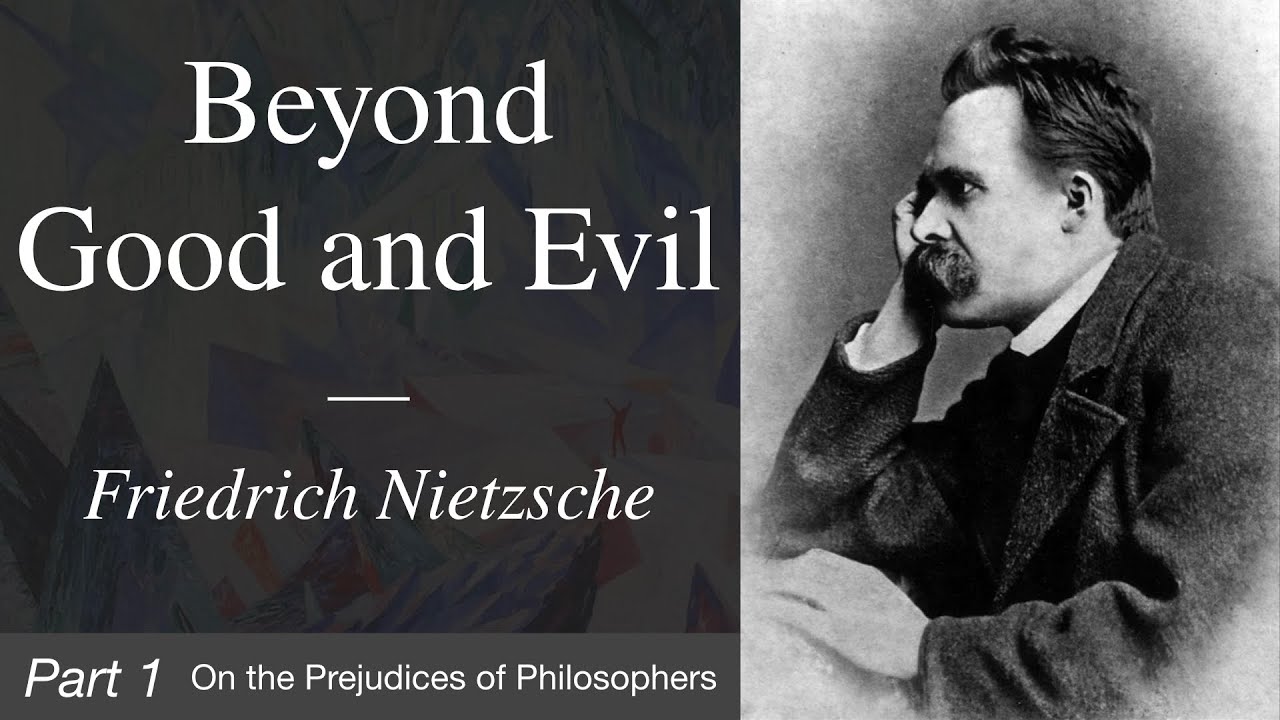
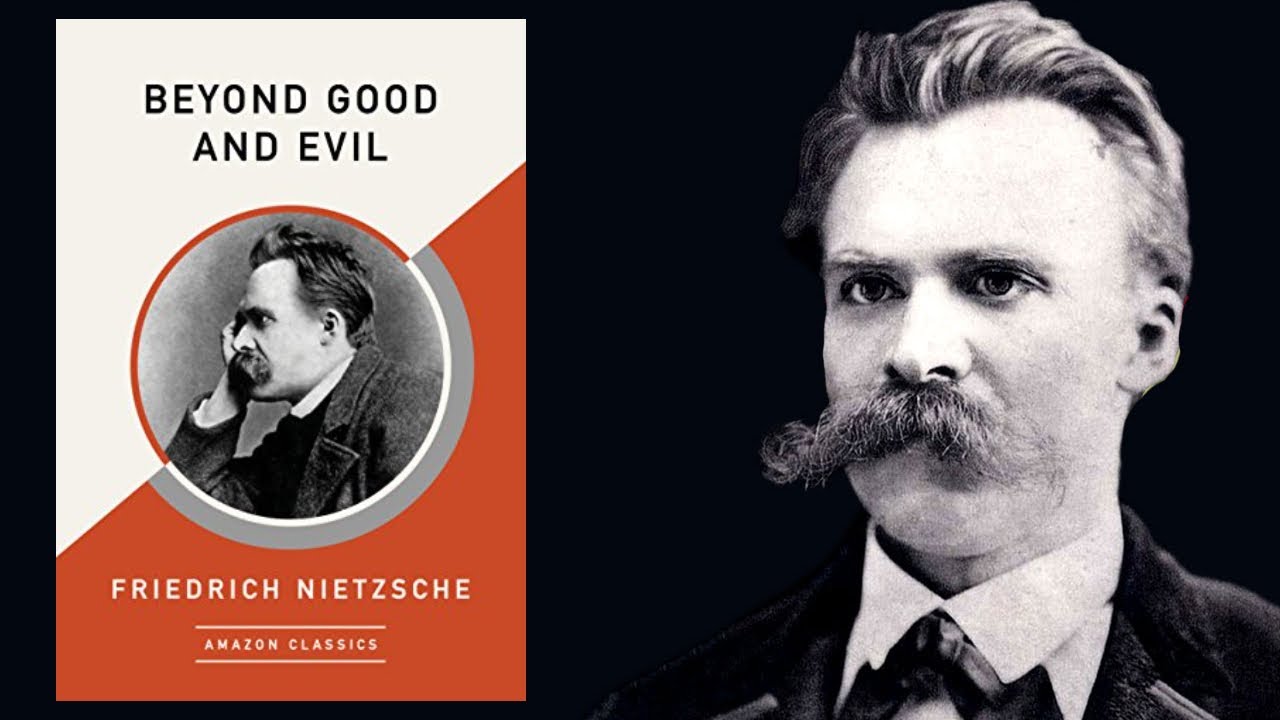
how he has the most financially superior burrito but although each of these characters are true in that their burrito is the best one for their goals they're ultimately prejudiced by their perspective their prejudices influence what they decide is the correct answer now what if we were to think about this in terms of philosophical theories a lot of philosophers throughout history have claimed to discover the truth and yet are these truths totally disconnected from the prejudices of these philosophers well today we're going to be looking at chapter one of nietzsche's beyond good and evil which provides
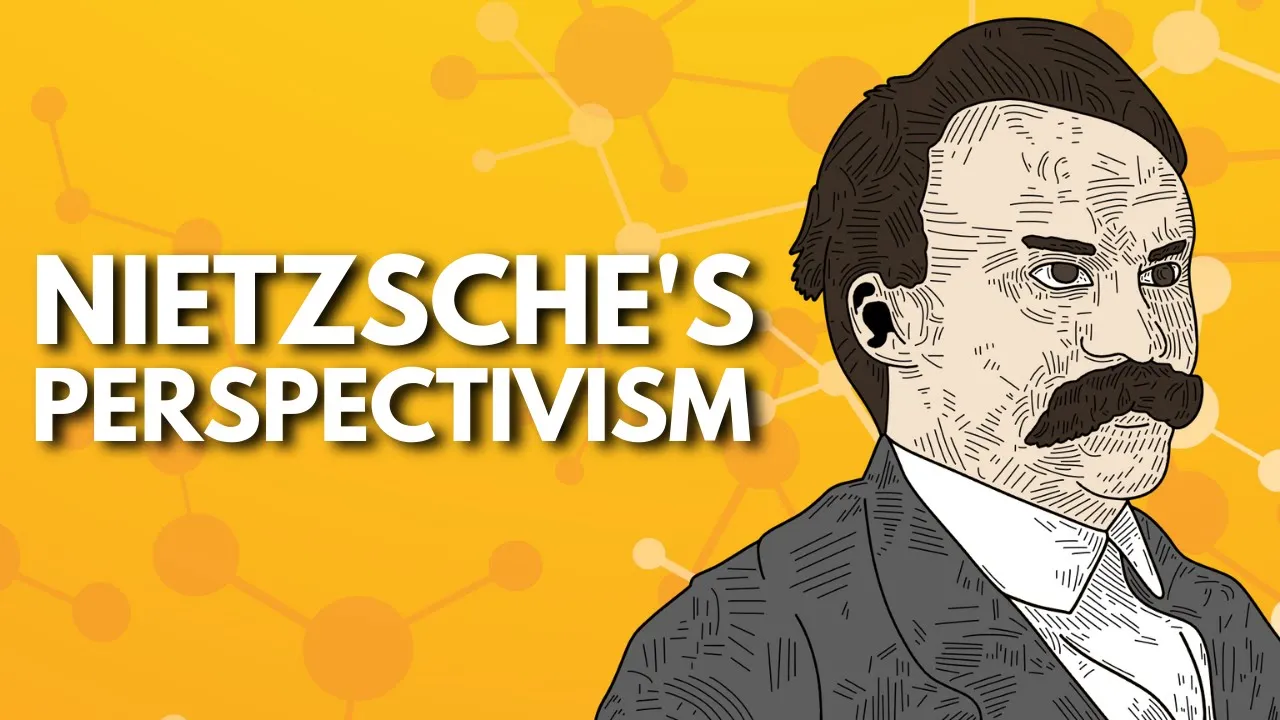
a great introduction to his epistemology of perspectivism [Music] welcome back to philosophy tunes and if this is your first time watching one of my videos then i'm i'm sorry today we're looking at the first chapter of beyond good and evil which deals not only with nietzsche's perspectivism but also the value of truth itself because we all know the value of getting things true on an exam so our teacher won't call us a dumb but assuming we don't need to pass calculus what then nietzsche starts by speaking of this will to truth that many of us
have who is it really that puts questions to us here what really is this will to truth in us we inquired about the value of this will granted that we want the truth why not rather untruth and uncertainty even ignorance you see we have this idea of truth something that is the way it is to speak casually it exists regardless of the values we hold and yet why do we place a value on this truth is what justifies our pursuit of this truth valueless like really stop and ask yourself why you value truth and take
a hard look at that justification and ask yourself if that justification in itself is true or is it something less objective now if this background justification for our pursuit of truth is not so objective and actually prejudiced what then can we say about these philosophers and other smartypants people who claim to have reached the truth through this belief of theirs they exert themselves for their knowledge for something that is in the end solemnly christened the truth the fundamental belief of metaphysicians is the belief in the antithesis of values okay but if there's this prejudice behind
these proclamations of the truth does that mean we should just give up like should we just retreat into relativism at this point well just because we may not claim something to be the truth which is totally disconnected from our prejudices perhaps we could still make claims in a humbler manner nietzsche speaks of this philosopher of the perhaps a philosopher who i interpret as someone who doesn't hold their claims to be the objective absolute but rather an attempt now these attempts aren't judged to be equal like if i claim that breathing air is bad for you
then the claim that breathing air is good for you would override my view all this comes together to highlight nietzsche's epistemological belief of perspectivism perspectivism in a nutshell is gonna say look no one can have an absolute objective view that isn't somewhat tainted by your own interpretation and perspective like if you hold up your finger in front of your eye you could only see the outside skin of the side that you're looking at it from you can't at the same time view the other sides of the finger the inside of the finger the fingers decay
over time you're only seeing a certain perspective of that finger not the objective totality of it but again this isn't just full on relativism because these claims are not equally valid this actually means that we could discuss and argue and debate it's not just a believe whatever the hell you want epistemology also bias warning incoming this sounds an awful lot like another epistemology i know now let's actually see this perspectivism in action let's look at a claim that seems to be so objectively true and certain on its surface be shown to have some prejudice involved
nietzsche decides to look at descartes and his famous cogito ergo sum or the i think therefore i am phrase this was descartes attempt at arriving at at least one certain objective thing and he went hard if you read his meditations he even imagines a demon putting false ideas in his head might do a video on it but i'm also worried about drawing this guy ugly in my thumbnail so nietzsche begins this critique of the kogito by turning his attention towards the phrase i think when i analyze the process that is expressed in the sentence i
think i find a whole series of daring assumptions that it is i who think that there must necessarily be something that thinks that thinking is an activity in operation on the part of a being who is thought of as a cause that there is an ego and finally that it is already determined what is to be designated by thinking that i know what thinking is in short the assertion i think assumes that i compare my state at the present moment with other states of myself which i know in order to determine what it is now
credit where credit's due i'm pretty sure jolly old david hume was able to critique the cogido first but regardless nietzsche can do it too but do you find him convincing or does this last bastion of certainty still stand for you regardless i think nietzsche's perspectivism while not believing in some objective universal truth doesn't shut down conversation but rather ignites it it's hard to have a discussion with someone who's so certain in their belief that they believe it to be the ultimate truth but if we humble ourselves and talk in terms of hypotheses rather than conclusions
i think that's a recipe for a great conversation that and some drinks drinks are always a plus or in a philosophical discussion well that's my short introduction to nietzsche's perspectivism if you enjoyed the video then like subscribe and hit the bell and with that i wish you all a beautiful rest of your day [Music] you