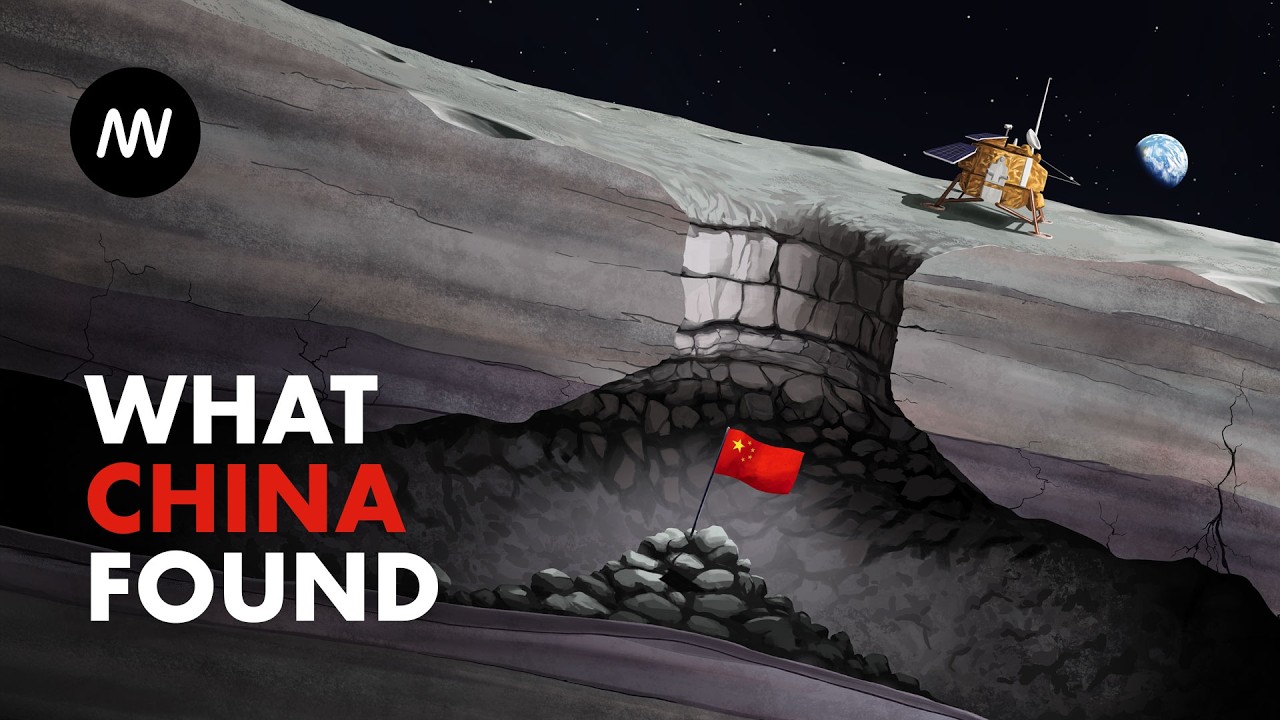
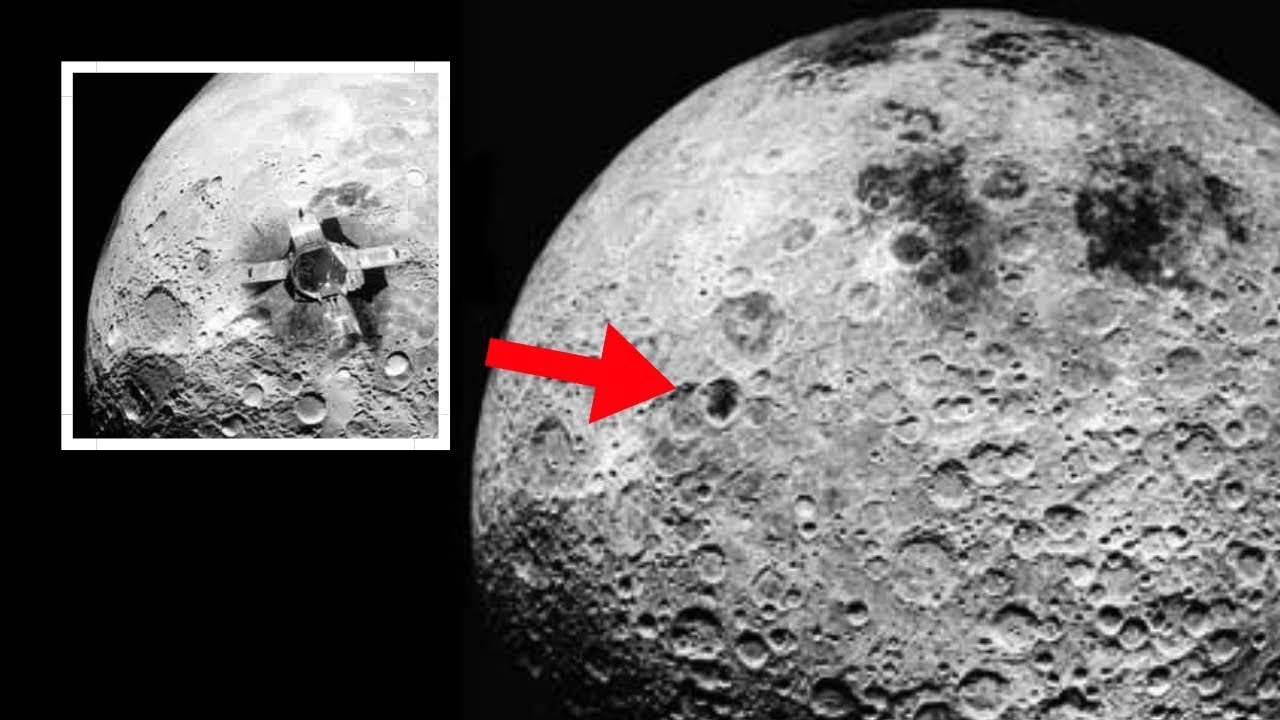
millions of years ago human life on Earth began in caves who knows maybe years down the line we could say the same about humans on the moon because For the First Time Ever scientists have discovered a cave on the moon an underground cave a dark tunnel beneath the moon one of the greatest discoveries in decades could change everything we know about space 15 years ago a Japanese probe found a mysterious hole in mayor tranquilatus now over 200 of these pits have been spotted potential gateways to a hidden lunar World China is preparing to explore them
and what they find could change our future Forever tune in as we uncover if these tunnels hold the key to our survival the Forgotten tunnels under mayor tranquilatus 15 years back a Japanese probe orbiting the moon stumbled upon something a bit strange amid the countless craters it was snapping pictures of one in particular looked off it wasn't just another dent on the surface this thing was different it wasn't a crater but rather a dark pit leading deep into the moon a hidden Mystery beneath the moon's surface its real nature kept from us all these years
since then more than 200 of these strange holes have been spotted by orbiters all potential doorways to whatever is lurking beneath the lunar surface these discoveries have sparked a ton of excitement among scientists around the world these holes might hold secrets about the moon's past and maybe even clues about how humans could live there in the future but what exactly are these pits and why is China preparing to check them out all the talk about China's space debris crashing back to Earth cannot hide the fact that they have been seriously stepping up their game in
space sure their 23 ton rocket debris caused a stir when it fell uncontrolled but that has not stopped them from Aiming High China has become a major player in space with its tiangong space station and the success of its Changi lunar missions they are even planning a man lunar Landing by 2030 with hopes of establishing a permanent base on the moon and these mysterious pits are among the places they might land from far away these holes might look just like any other crater caused by a meteor hitting the moon sometime over the last few billion
years but scientists believe these pits are actually collapsed parts of ancient Lava Tubes billions of years ago the moon was very different a geologically active world with volcanic eruption spreading lava across its surface as this lava flowed it Formed rivers that created underground tunnels when the outer layers cooled and hardened while the lava inside kept moving when the lava finally stopped flowing it left behind empty channels basically big underground caves over time some parts of these tubes collapsed forming the pits we see today while other parts stayed intact beneath the surface on Earth we have
lava tubes too places like Hawaii and Iceland have examples of these formations some are big enough to walk through in Hawaii's kazumura cave is actually the longest lava tube on Earth stretching more than 40 Mi but on the moon where gravity is much weaker only about one six of earths these tubes can get way bigger and that is where things get interesting these holes we are seeing are access points to a whole Hidden World beneath the lunar surface tunnels that have been untouched for billions of years imagine stepping into these massive tunnels exploring underground landscape
that have been preserved for eons how do we even know these pits lead into underground caves thanks to some pretty advanced technology scientists have been able to map out the moon's surface and its hidden depths highresolution images have shown tunnels branching off from the bottoms of several pits especially in places like May tranquilatus and Marius Hills the Seline Orbiter even detected a unique Echo pattern at the Marius Hill Skylight suggesting a big underground hollow space NASA's Grail Mission later mapped out the moon's gravitational field identifying areas with less Mass confirming that these were indeed huge
empty spaces all this evidence is why China is now eyeing these sites for its lunar missions exploring these untouched caves could give scientists an unprecedented look at the moon's geology but more than that these caves might be crucial for Humanity's future on the Moon the Moon is an incredibly hostile environment its surface is constantly bombing bombarded with radiation and micrometeorites and there is no atmosphere to protect against solar storms which can flood the surface with deadly radiation temperatures are just as extreme going from 250° fah during the day though to-2 200° at night these harsh
conditions make living or working on the moon longterm a real challenge but what if there was a way to avoid all that enter the lava tubes these underground tunnels offer something rare on the moon natural shelter the thick Basalt walls and ceilings of these caves would protect astronauts from radiation micrometeorites in the extreme temperatures on the surface data from NASA's lunar reconnaissance Orbiter shows that the temperature inside one of the skylights at May tranquilatus stays at a steady 63° F much more comfortable than what is happening outside think of these Lava Tubes like ready-made bunkers
carved out naturally billions of years ago setting up a base inside one of these lunar caves could save us from having to build entire protective structures from scratch some of these tubes are absolutely enormous over 1 kilometer wide big enough to fit entire city blocks inside picture a sprawling lunar base tucked safely underground complete with living quarters research labs and even factories all protected from the dangers of the lunar surface but using these caves is not just about keeping astronauts safe from the harsh conditions outside what if we could transform these caves into fully livable
spaces the idea would be to seal off parts of these tubes and fill them with a breathable atmosphere essentially creating a place on the moon with earthlike conditions inside the natural protection of the thick Bas salt roof would make it much easier to maintain a stable livable environment compared to building surface habitats this could make it possible to grow food more easily on the Moon too the extreme temperature swings make farming on the surface almost impossible but but in the stable environment of the lava tubes we could set up hydroponic systems to grow food for
astronauts if we could create a self-sustaining Colony inside one of these tubes it would reduce the need for constant Supply missions from Earth making a long-term presence on the moon much more practical imagine walking into a lunar cave with breathable air comfortable temperatures and still experiencing the moon's low gravity imagine trying to play a sport there everyone would be gliding around bouncing off the walls the possibilities are endless the next step is figuring out if these tunnels can really support humans a new lunar Frontier but before we start picturing entire lunar cities inside Lava Tubes
we need to know if these caves are safe are they structurally stable could they handle a moonquake or would they collapse and bury everything inside that is why space agencies around the world are developing the technology needed to explore these caves safely NASA's jet propulsion laboratory is working on on the DU axle Rover which is specifically designed for exploring extreme terrain like these pits the Rover splits in two at the edge of a pit with one part staying anchored at the top while the other descends using cameras and laser scanners to map the cave below
other teams are developing different approaches like Deus a small spherical robot designed by the University of wburg which can roll through tight spaces inside Lava Tubes using lar to create detailed 3D maps then there is the space Hopper a robot from eth Zurich that can hop across the moon's surface and into pits capturing data and then hopping out again these tools will help scientists determine if these caves are stable enough to support human life China has its own plans for exploring these Lava Tubes using mobile robots equipped with imaging systems to map and study these
vast underground spaces the data gathered by these robots will be crucial for figuring out whether these ancient tunnels are safe enough for human settle ments after all no one wants to set up a lunar base inside a lava tube only for it to collapse during the first moonquake but beyond providing protection and shelter these Lava Tubes might hold valuable resources the moon has helium 3 a rare isotope that could be used to fuel nuclear fusion reactors offering almost Limitless energy there is also a possibility that we might find water ice inside these caves water on
the moon would be a game Cher it could be used for drinking split into oxygen for breathing and hydrogen for Rocket Fuel making the moon a refueling station for Missions deeper into space we are living in an exciting time a new race to the moon is underway but unlike the race in the 1960s this one is not just about being the first to plant a flag it is about staying there it is about figuring out how to live and work on the moon long term China and the United States are competing but private companies are
also getting involved companies like SpaceX and blue origin are working to make space travel cheaper and more efficient with an eye toward building a lunar economy China meanwhile is playing a longer game with state-backed funding they are not just optimizing for Speed and cost they are laying the groundwork for a permanent presence on the moon their CH missions are proof that they are serious about establishing a base there by 20130 for China the moon represents not just scientific curiosity but also geopolitical power it is becoming a Launchpad for the future and with its natural shelters
living on the moon might become a reality sooner than we think in many ways our exploration of these lunar caves mirrors Humanity's ancient past thousands of years ago humans sought refuge in caves here on Earth these dark sheltered places provided protection from the elements predators and other dangers now as we look to the Moon we are drawn to the same kind of shelter lava tubes that could serve as Humanity's next Sanctuary these ancient alien caves could become our homes on the moon just as Earth caves once sheltered our ancestors it is a poetic parallel that
spans thousands of years we are explorers by nature always seeking new places to call home and maybe one day future Generations will look back at this moment and see the moon not as a cold distant Rock in the sky but as the place where Humanity first learned to live beyond Earth the journey ahead will not be easy but just as we once conquered the Wilds of Earth we now stand ready to conquer the Stars the moon's strange pits May hold the key to that future a future where humans live and Thrive not just on Earth
but across the solar system yet to achieve this Vision there are countless details to work out many technical hurdles to overcome and plenty of uncertainties to face establishing a permanent human presence on the moon means solving challenges that range from engineering to biology to social dynamics all while operating in a hostile alien environment where failure can mean death the moon surface is unforgiving and any mistake could prove catastrophic for this reason careful exploration research and preparation are absolutely essential the first step is to develop the Necessary Technology to get to the moon and explore it
safely unlike the Apollo era today's missions are looking Beyond mere exploration they seek to establish long-term infrastructure to support human life not just for days or weeks but for months or years space agencies scientists and Engineers are designing systems that can endure the harsh lunar environment including Vehicles habitats life support systems and tools for Mining and resource extraction unlike on Earth everything must be carried built or created with Precision there is no room for improvisation when the nearest help is hundreds of thousands of miles away one of the most critical aspects of making a lunar
base feasible is the supply chain ensuring that the people living on the moon have the resources they need to survive and thrive in the early stages everything from food to oxygen to construction materials will need to be transported from Earth which is both expensive and logistically complex but with resources like water ice potentially available on the moon the dream of producing essential supplies directly on site becomes a realistic goal water can be split into hydrogen and oxygen providing not only life support but also fuel for rockets and other spacecraft now it's time to solve the
problems of living in these caves long term how to protect astronauts from lunar radiation growing food is another major hurdle the extreme temperature changes on the moon's surface and the lack of soil make traditional farming impossible hydroponic systems could be a solution allowing plants to grow without soil using nutrient-rich water instead these systems would need to be special adapted to the moon's low gravity and finding a way to provide artificial light or make use of The Limited sunlight available would be essential the hope is that one day lunar colonies could grow enough food to sustain
themselves reducing Reliance on supplies from Earth another challenge is radiation unlike Earth the moon has no atmosphere and no magnetic field to protect against Cosmic radiation in solar winds prolonged exposure to these high levels of radiation is dangerous for humans increasing the risk of cancer and other health problems the thick walls of lava tubes offer natural protection but any time spent outside whether working on the surface traveling between locations or constructing new facilities requires shielding Solutions space agencies are researching Advanced Materials including water-based Shields and even radiation blocking suits to protect astronauts during these activities
establishing a community on the moon is not just about survival it is also about building a sustainable thriving society that means addressing not just physical needs but also psychological and social needs isolation confinement and limited contact with loved ones can take a toll on Mental Health creating comfortable spacious living areas ensuring regular communication with Earth and developing recreational activities are all important considerations for maintaining the well-being of lunar residents a permanent base on the moon will also Al require energy solar power is a Natural Choice given the abundance of sunlight but the two week long
lunar night poses a significant challenge storing enough energy to last through these long periods of darkness is a daunting task batteries fuel cells and possibly even nuclear power are all options being explored the goal is to create a reliable sustainable energy Supply that can power everything from life support systems to scientific instruments to vehicles the moon's low gravity presents another unique set of challenges and opportunities at just one sixth of Earth's gravity the reduced weight makes construction and transportation easier allowing for larger structures and heavier loads however low gravity also affects the human body causing
muscle atrophy and bone density loss over time to counteract these effects astronauts will need to engage in regular physical exercise and researchers are exploring other potential countermeasures in addition to the scientific and logistical challenges there are legal and ethical questions to address who owns the moon who has the right to extract its resources how will Nations and private companies share access and cooperate in such a highstakes environment the outer space treaty signed in 1967 forms the basis of International Space law declaring that the moon and other celestial bodies are the province of all humankind not
subject to National appropriation however ever as more players enter the lunar Arena New agreements and understandings will be needed to manage activities and prevent conflicts despite all these challenges the potential rewards are enormous the moon offers unique opportunities for scientific research its untouched surface holds a record of the early solar system and its near lack of atmosphere makes it an ideal place for astronomical observatories a base on the moon could serve as a stepping stone for further exploration providing a launch site for Missions to Mars and Beyond by learning how to live and work on
the moon we gain the knowledge and experience needed to venture even deeper into the cosmos the vision of a lunar colony is not just science fiction it is becoming an achievable goal the work being done today by scientists engineers and astronauts is laying the foundation for a future where humans are no longer confined to Earth the moon's Lava Tubes with their promise of protection in potential resources are key to this future they represent both a challenge and an opportunity a place where we must overcome difficulties in order to create something truly extraordinary what do you
think should Humanity prioritize colonizing the moon or focus on solving Earth's problems first if you enjoy this like comment and subscribe for more thought-provoking content