Mycobacterium avium complex or mac includes three species Mycobacterium avium Mycobacterium chimera and Mycobacterium intracellular e mac is the most common non-tuberculous mycobacteria or NTM the three different species of mac are difficult to differentiate and cause the same spectrum of diseases so they're often grouped together mac is very different from Mycobacterium tuberculosis mac lung infection is a chronic disease often present for several years prior to diagnosis it typically has a more indolent course and can be difficult to eradicate with frequent recurrences after completing long courses of treatment in addition in immunocompromised individuals Mac can become disseminated
affecting organs other than the lungs and can cause lymphadenitis Mack our non-modal facultative intracellular bacteria which means they can survive both inside and outside the cell they're also aerobic which means they need oxygen to survive they have a high content of mycolic acid in their cell wall which makes them waxy hydrophobic and impermeable to routine stain such as Gram stain so they need special staining methods to be visualised such as seal nails and staining which is able to penetrate the waxy mycobacterial cell wall so the stain binds to the mycolic acid in the mycobacterial cell
wall and after staining an acidic decolorizing solution is applied which removes the red dye from the background cells tissue fibers and any organisms in the smear except mycobacteria which retain the dye and this is why they're called acid fast and they appear bright red on a blue background finally Mac are slow-growing bacteria and it typically takes them 10 to 21 days to grow on a medium called Loewenstein Jensen Mack are ubiquitous in soil and water and they're thought to enter the body through inhalation once inside the body they adhere to mucosal epithelial cells in the
respiratory tract and infect the macrophages that try to destroy them macrophages try to break down the Mac organisms inside an intracellular organelle called a lysosome which contains digestive enzymes however Mac has unique antigenic lipids called glyco pepto lipids or GLP which are found on the surface of the cell these G LPS act as a protective barrier against lysosomal enzymes allowing the bacteria to survive and multiply inside macrophages when these Michel bacteria multiply they can cause inflammation and this attracts more macrophages to the area they try to quarantine the invaders by forming granulomas and as these
grow bigger they form nodules eventually this leads to nodular bronchiectasis and the inflammation causes damage to the bronchi which becomes scarred and dilated the damaged bronchi have diminished mucociliary activity as well as decreased local immune function and thereby lose their ability to move foreign material out of the lungs so mucus can collect in these dilated areas making it the perfect environment for bacterial growth nodular bronchiectasis tends to develop slowly but in some cases the more aggressive and severe fibro cavitary disease occurs here the mycobacteria invades the lung tissue causing damage severe fibrosis and formation of
cavities much like tuberculosis since Mac our aerobic organisms these cavities tend to be in the air rich upper lobes of the lung in rare cases and almost universally in individuals with compromised immune systems the infected macrophages can move into the lymphatics and spread the bacteria to other parts of the body especially to the spleen liver and bone marrow and from these organs they can spread to the bloodstream causing disseminated disease now Mac usually cause chronic lung infection in people who already have an underlying lung disease such as chronic obstructive pulmonary disease cystic fibrosis or bronchiectasis
they can also affect people without a prior history of lung disease especially in thin middle-aged or elderly females people who are immunocompromised like those with AIDS who have a cd4 cell count below 50 cells per microliter are more likely to develop disseminated infection in young children Matt can cause lymphadenitis or swollen lymph nodes symptoms of pulmonary Mac infections include cough fever fatigue weight loss night sweats shortness of breath and recurrent respiratory infections with disseminated Mac infections there may be nonspecific symptoms such as fever sweats fatigue and weight loss on a physical exam there can be
hepatomegaly or an enlarged liver jaundice or yellow pigmentation of the skin and mucous membranes and lymph adenopathy which means swollen lymph nodes finally with Mac lymphadenitis there are usually swollen lymph nodes mainly on one side of the neck diagnosis is established by identifying Mac in the sputum using staining methods and culture if disseminated infection is suspected culture specimens should also include blood and urine also with disseminated infection a complete blood count shows anemia and occasionally pancytopenia due to bone marrow suppression and liver function tests may show high transaminase and alkaline phosphatase levels now to assess
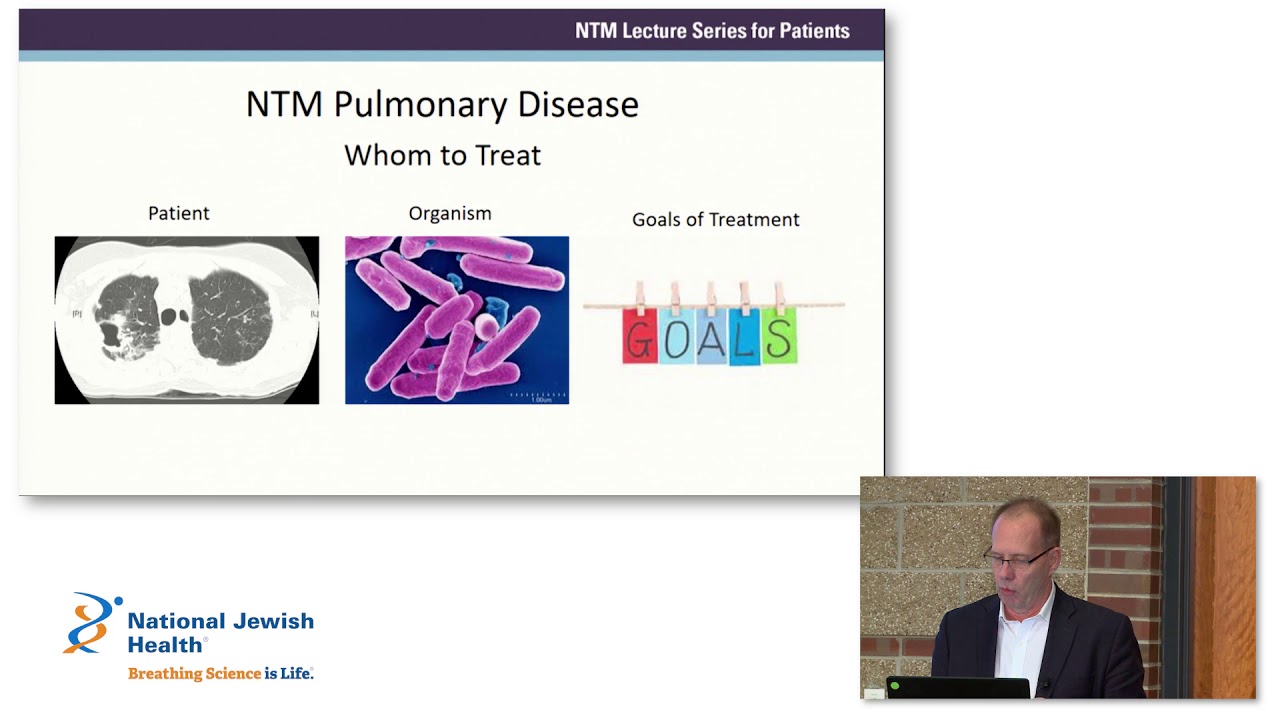
pulmonary involvement a CT scan should be done which may show evidence of bronchiectasis tree in bud like nodular infiltrates ground-glass opacities or cavities finally in cases of Mac lymphadenitis a lymph node biopsy should be done for treatment of pulmonary and disseminated Mac infections a combination of a macrolide such as zero Meissen or clarithromycin plus a fam butyl and a rhythm Ison such as rifampin or riff a beauty in more severe disease an intravenous aminoglycoside may be used for limited duration for those with refractory disease or whose organisms have developed macrolide resistance the addition of inhaled
amikacin or closes amine can also be considered for those with pulmonary disease treatment should be continued for 12 months after establishing negative sputum cultures in addition attention should be placed on trying to limit environmental exposure to Mac from aerosolized water and soil in order to prevent disease recurrence which can occur in up to 20 to 50 percent of individuals also people with AIDS who have a cd4 count below 50 cells per microliter should receive prophylaxis with a macrolide treatment of Mac lymphadenitis is done by surgically excising the affected lymph nodes all right as a quick
recap the Mycobacterium avium complex includes avium m intracellular e and M chimera there acid-fast bacilli non-modal facultative intracellular aerobic bacteria they infect lung macrophages and survive inside of them with the help of glyco pepto lipids or G LPS causing three types of infections pulmonary infection in people with or without underlying lung diseases disseminated infection in people with AIDS and lymphadenitis and children diagnosis is established by identifying the Mycobacterium in sputum blood or urine samples as well as through compatible imaging studies such as a chest CT scan to assess for pulmonary involvement treatment regimens typically include
a combination of a macrolide such as azithromycin or clarithromycin plus ethambutol and rifampin for pulmonary and disseminated infections in mac lymphadenitis the affected lymph nodes are surgically excised you