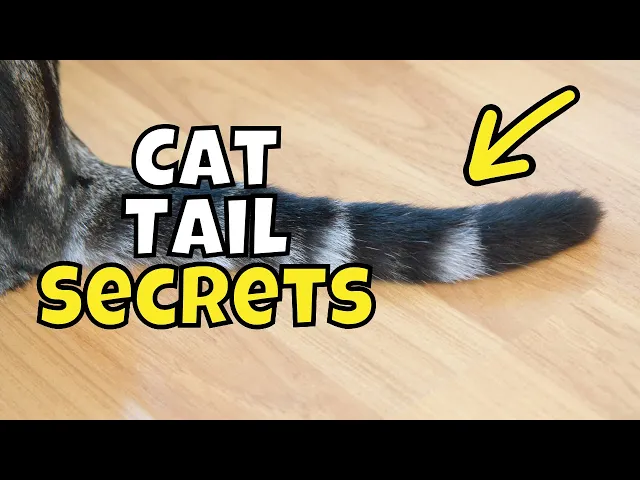
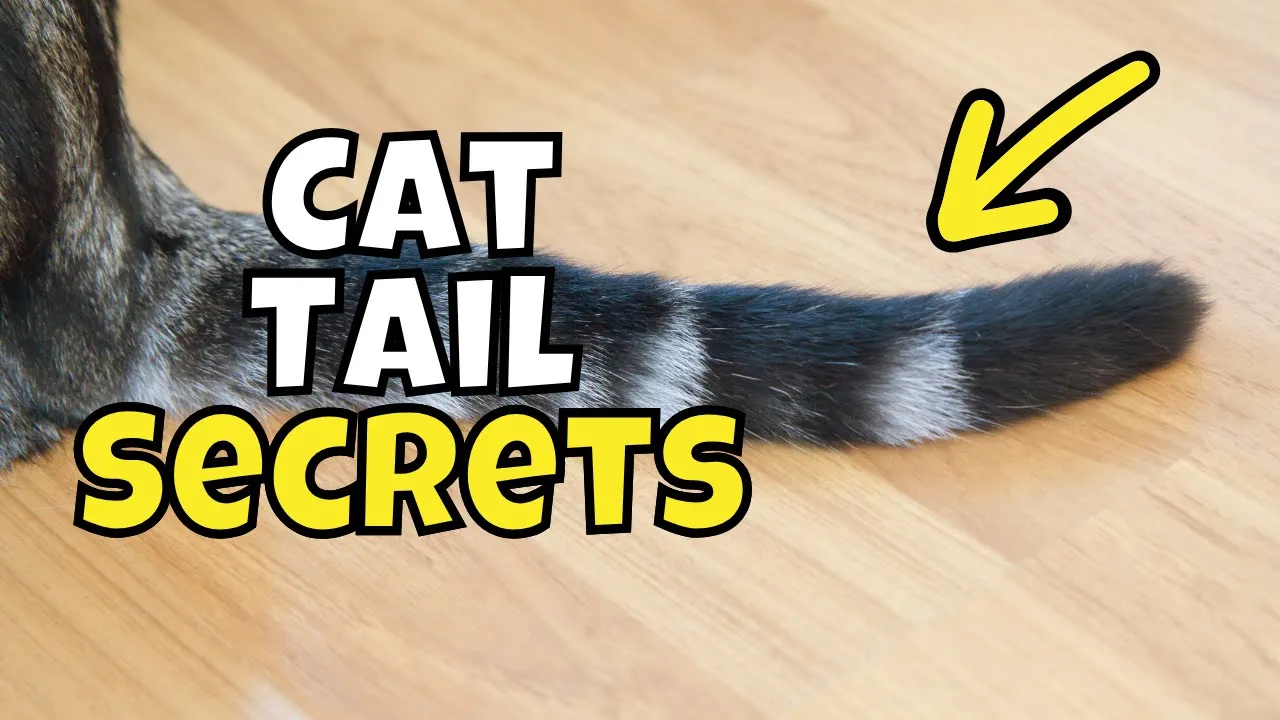
hey Guy lovers and welcome back to another video everybody knows that a wagging tail is a classic sign of a happy dog but not everyone would be able to tell you what a happy cat's tail looks like cat's tails get much less attention than their K9 counterparts but that doesn't mean that they aren't just as if not more fascinating if you enjoy this kind of content subscribe to the channel for more cat videos now let's discuss 10 surprising secrets about your cat's tail number one your cat used their tail to express emotions while the tail
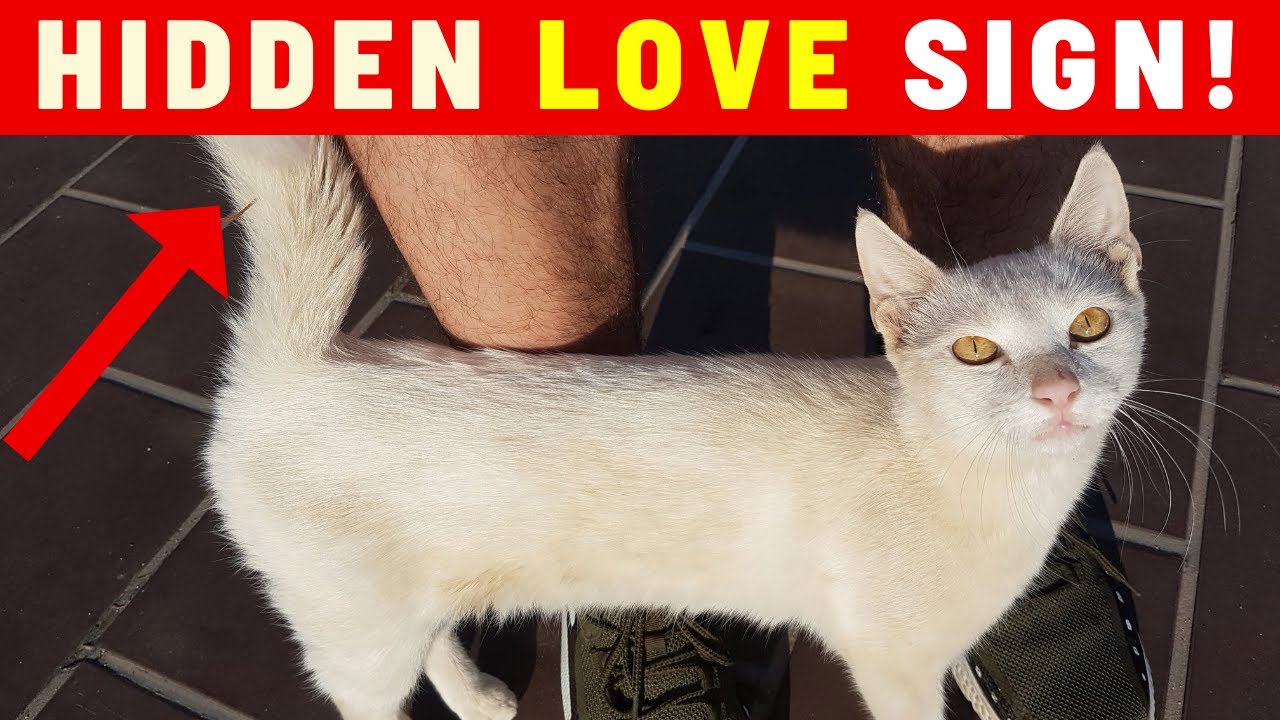
may not seem too expressive at first glance it plays an important role in a cat's communication you can learn a lot about what a cat is feeling based on the posture and movement of their tail you just need to know how to match the emotion to the tail if your cat's tail is upright with the tip hooked they probably feel very happy and confident conversely if their tail is rigid and straight out they might be feeling stressed or fearful a terrified cat will have their tail pinned underneath their body or they might puff up their
tail in an attempt to make themselves look bigger than they actually are if a cat is wagging or lashing its tail that means that they are feeling annoyed or even angry it is best to give a cat with a lashing or puffed up tail plenty of space to cool off the neutral position for a cat's tail is horizontal parallel to the ground but relaxed in posture a slightly lowered and diagonally slanted tail is also considered a neutral expression along with determining your cat's emotional state you can also get a good read on how your cat
is physically feeling from their tails Behavior a sick or injured cat May wrap their tail around themselves tightly almost like they are hugging themselves if your cat is repeatedly exhibiting this Behavior you should consider a trip to your veterinarian to make sure everything is okay cats are notorious for hiding their pain so you often need to look for the more subtle cues that they give off to indicate if something is wrong other Key signs that your cat is in pain include a sudden change in mood lethargy withdrawing or hiding or changes in appetite or routine
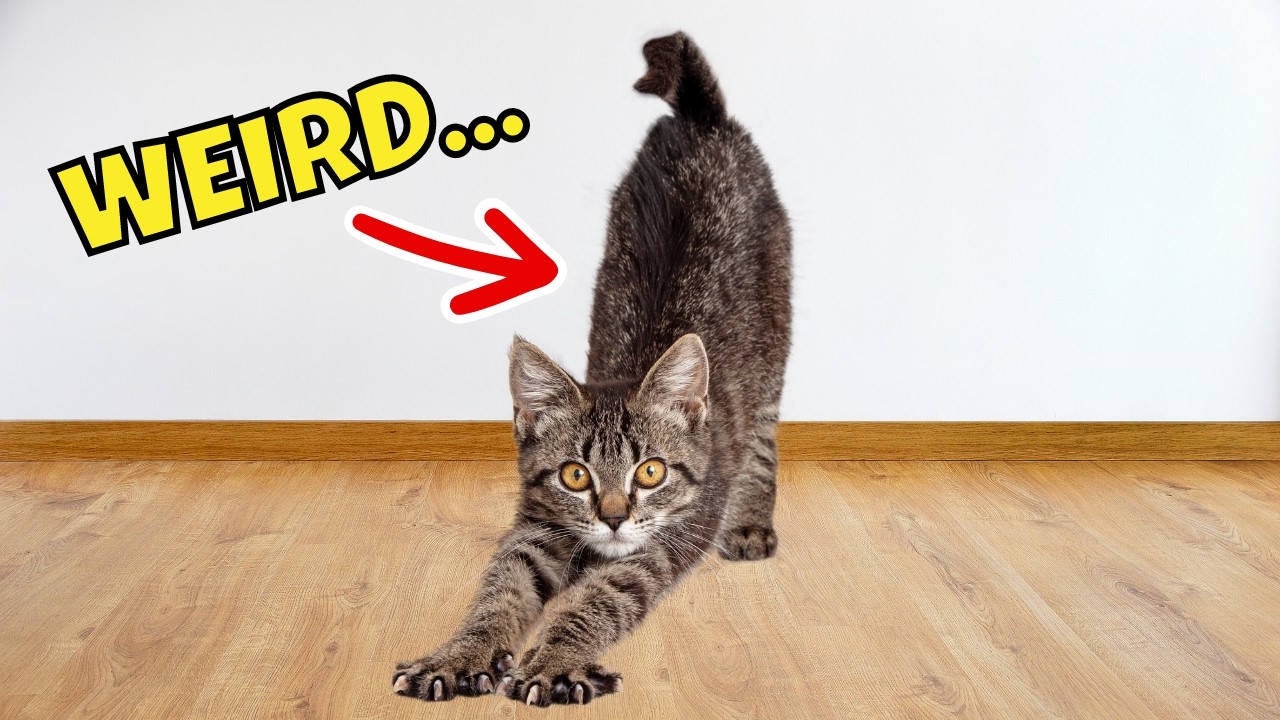
number two the tail is very important for balance one of the most important purposes of your cat's tail is to maintain balance cats are known for their spectacular balance and Agility and their movements are usually well calculated and precise the tail allows for your cat to accurately maneuver along narrow Ledges or high perches by acting as a counteractive force your cat moves their tail according to their movements to change their center of gravity and maintain their balance whether they are running after prey or jumping onto a thin shelf your cat's tail plays a pivotal role
in keeping them upright next time your cat darts off in One Direction or the other pay attention to their tail more likely than not you'll see their tail stick out in the opposite direction of where they are headed acting as a counterbalance to keep them on their feet number three the tail contains almost 10% of your cat's bones a cat skeletal system is usually made up of around 230 bones though this number can vary a bit depending on breed while their skeletal structure is actually relatively similar to a human's there is one very noticeable difference
the tail a cat's tail is an extension of their spine and as such is made up of similar vertebrae a tail typically contains 18 to 23 vertebrae meaning that the bones in the tail account for around 10% of all of the bones in a cat's body the main purpose of all the vertebrae is to allow for flexibility and movement cats are naturally very flexible in large part due to the composition of their spines and tail the vertebrae in their spines and Tails are connected with very elastic and cushioning discs that allow for increased movement and
rotation these discs known as intervertebral discs also absorb shock and allow for safe landing from large Heights along with the vertebrae and the intervertebral discs a cat's tail is also made up of muscles and nerves both of which contribute to movement in the tail as we've discussed already the movement in a cat's tail is crucial for both expression and balance cats can move their tails with such a large range of motion and flexibility in large part due to how their tails are constructed from the large amounts of Bones and the unique design of their discs
muscles and nerves a cat's tail can move with great functionality and ease number four your cat can break their tail even though your cat's tail is built to be flexible and absorb damage it is still made of bone and like all bones it can be susceptible to breakage while it isn't common it is possible that your cat can break their tail this is most commonly caused by an accident like falling awkwardly from a fall or getting hit by a car there are some key indicators of a broken tail most often the tail will go limp
or just out at an awkward angle a broken tail is likely to be very painful and therefore requires immediate treatment luckily most broken Tails will heal well however if left untreated a broken tail can have severe ramifications if you suspect that your cat's tail is is broken make sure to visit your veterinarian as soon as possible number five most Ms cats are tailess of all the domestic cat breeds there is only one that is considered to be genuinely tailess the MX cat however despite this fact not all MX cats are without tails some mangs cats
can have short stubby Tails While others have perfectly average length tails the mangs cat is a breed that is thought to have originated around 1750 on the aisle of man a small island off the coast of Great Britain though Ms cats aren't as well known as other cat breeds they are among the founding breeds of the cat fanciers Association Ms cats can come in a wide variety of appearances ranging in color and fur length however their defining trait is their lack of a tail their tailess is thought to be a naturally occurring genetic mutation though
one that has been intentionally preserved through selective breeding the trait for tailess is dominant meaning most kittens with one or more Ms cat parents will have no tail however Ms cats are only bred with non-ms cats combining their dominant Tais Gene with a recessive tail Gene this is because breeding two MX cats is very dangerous for The Offspring kittens inheriting two copies of the tailess gene often are born with fatal defects or crippling health issues this is called MX syndrome referring to the plethora of painful or potentially fatal health issues plaguing cats with the mutated
Gene that causes tailess while this most often affects cats with two copies of the gene it can also affect cats with only one copy of the gene this means whether or not a kitten has one or both M's cat parents they may be at risk of suffering from M's syndrome this has led to a lot of ethical concerns surrounding the breeding of M's cats an issue that continues to be debated today number six tail length can vary by quite a lot the length of a cat's tail can vary by quite a lot from cat to
cat though it is almost entirely dependent on genetics some breeds like the American Bob tail or Japanese Bob tail have naturally short tails hence their names their tails are usually around 1 to 4 in in length unlike the M's cat the gene responsible for their short tail is not known to have any negative effects on their health in fact the Japanese bobtail is often considered one of the healthiest cat breeds due to its high level of genetic diversity just like some breeds have shorter Tails other breeds have long tails breeds like the mun Siamese and
Norwegian Forest cat are known for having quite long tails the world record holder for longest tail on a domestic cat living belongs to a maincoon named Altier from Michigan with a tail measuring [Music] 16.07% length Al's brother signis holds the record for the longest tail on a domestic cat ever signus's tail is a whopping 17 58 in number seven only domestic cats can hold their tails vertically while walking if you spend enough time around a domestic cat you've probably seen them hold their tail high above their head as they strut around with confidence an upright
tail is a key indicator of happiness and self assurance in cats interestingly this is not a behavior that domestic cats share with their wild relatives even though tails are just as important for communication in wild cats as they are in domestic cats wild cats cannot hold their tails upright they can only hold their tails parallel to the ground or down between their legs all other felines aside from the domestic cat like tigers lions and Panthers have never been observed walking with upright Tails while this is likely due to size difference and muscle to mass ratio
this difference between your house cat and their wild relatives has not fully been explored number eight cats can live without their tails even though most of this video has been dedicated to all the important roles that the tail plays in your cat's life it isn't actually required to live a healthy happy life some cats whether it be infection or accident have to get their tails amputated this is known as a cordectomy the surgical removal of a cat's tail in some cases this is a necessary procedure while the loss of a tail can be disorienting or
distressing for a cat most will quickly adapt to life without it they may need to readjust their balance and rely more on other communication techniques but a cat can be just fine without their tail number nine tail injuries can be very serious even though a cat can be okay without their tail as we've discussed in the previous fact tail injuries can be debilitating and seriously impact their health the tail in many ways is an extension of the spinal cord though the spinal cord technically ends in the lumbar area the lower back many of the nerves
extend into the tail depending on the area impacted a tail injury could cause serious nerve damage injury near the base of the tail whether it be from breakage or pulling could result in nerve injury and neurological problems some common indicators of nerve damage in the tail include drooping loss of sensation involuntary urination or defecation or issues with the hind legs if you suspect your cat is suffering from nerve damage following a tail injury make sure to immediately see your veterinarian while in most cases tail injuries are minor and perfectly treatable more severe cases May warrant
amputation or cause permanent nerve damage number 10 a cat's tail is sensitive as we've discussed the tail houses a lot of nerves extending from the spinal cords these nerves play a key role in your cat's ability to control and maneuver their tail whether that be to Signal their mood or balance out their movements because of the amount of nerve endings in the tail it tends to be more sensitive than other parts of your cat's body as such cats tend to have varying reactions to having their tails touched some cats may enjoy having their tail stroked
While others may not tolerate it at all every cat is different so it's important to watch your cat's reaction to gaug whether or not they enjoy having their tail petted now that we've gone over the list it's time for cat of the week this video is cat of the week is Cosmo his Guardian says Cosmo is a 3-month-old orange domestic shired Tabby that I rescued from a shelter here in Sussex New Jersey his birthday is believed to be April 17th 2024 he is very vocal he enjoys ripping my clothes out of the closet and breaking
65 in TVs but I still love him congratulations Cosmo keep being pawsome and maybe work on staying out of trouble Bud to enter your cat for a chance to be beered visit the entry link in the description box below as always we would love to hear your thoughts in the comments below also if you found this video helpful please give it a thumbs up because it helps other cat lovers find our content thank you guys for watching and we'll see you next caturday for another video