[Music] can a bird curate a museum let me explain male Bower birds work their tail feathers off to attract mates these birds [Music] sing they dance and most impressively they build what ornithologists call display quarts where they show off the objects they collect shells Bones the keys you lost last year and these displays aren't random the objects are arranged in patterns to draw the female bird's eye to the coolest stuff so is the bower Bird's display Court a museum making him their collection's caretaker or curator what actually is a museum anyway and who gets to
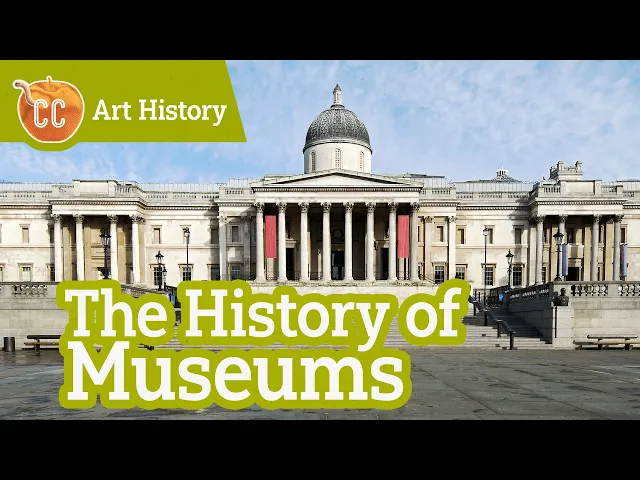
decide what counts hi I'm Sarah Urus green and this is crashcourse art [Music] history there are lots of different types of museums from natural history museums to toy museums there's even an instant Ramen Museum and a museum of broken relationships but in this episode we're mostly talking about art museums and art museums took a long winding road to get to the version we know today with lots of columns and marble cavernous rooms full of objects mood lighting and the echo of squeaking sneakers actually the earliest known SPAC is devoted Ed to Art were Caverns like
the chave and Lasco caves in France and the alamira cave in Spain in places like these prehistoric people used ochre and charcoal to depict horses deer bison and even lions and rhinos which weren't extinct in Europe yet still we wouldn't call these prehistoric caves museums just because there are pictures on the walls generally speaking a modern-day museum has professional trained staff an open and publicly accessible space and objects of historical and cultural importance that are not only preserved but arranged with the intention of educating in museums artworks are sorted into groups or categorized so that
they can be stored and studied and eventually displayed in ways intended to convey meaning curators often do this according to time period or culture or geographical location to hopefully tell a coherent story about a certain part of History history they also sometimes arrange Works thematically across time and culture to tell new stories we get the word Museum from the ancient Greek word museon meaning a shrine to the muses the ancient Greek goddesses of art music and poetry and while we wouldn't consider these shrines museums by today's standards some places in ancient Greece definitely had the
feel of them like if you had visited the Acropolis of Athens in the 2 Century BCE you'd have passed passed through a reception hall called the propa where you would have seen impressive paintings of Athens history your surroundings would have told you that you were standing in an important place with important objects remind you of anything the ancient Romans did this too but the Roman ruling class also amassed huge personal collections of art that they kept in their homes as status symbols again awfully reminiscent of today and actually the earliest known spaces dedicated to collecting
art weren't in Europe we can think of the ancient Egyptian Pyramids at Giza as a kind of giant private art collection built to honor the dead still we wouldn't call the pyramids museums either they were spectacular but they weren't exactly accessible to the public now Flash Forward to Europe in the mid-6th century when private collecting took on a whole new flavor that of the Wonder commer or Cabinet of Curiosities these Proto museums were full of strange and wondrous items Dragon eggs and mermaid hands right alongside legitimate art and artifacts from around the world wealthy Nobles
and Merchants as well as some scientists put these Bizarro collections together to show off their travels but also to advance knowledge and they organized items in ways we often see in today's museums like by geography or chronology these were also meant to be entertaining nothing says fun like an embalmed hanging crocodile cabinets of Curiosities were again not meant for the public they were meant to bring the outside world to the nobility you know so they didn't actually have to go outside themselves and Sully their Fancy Shoes it wasn't until the 18th century that the first
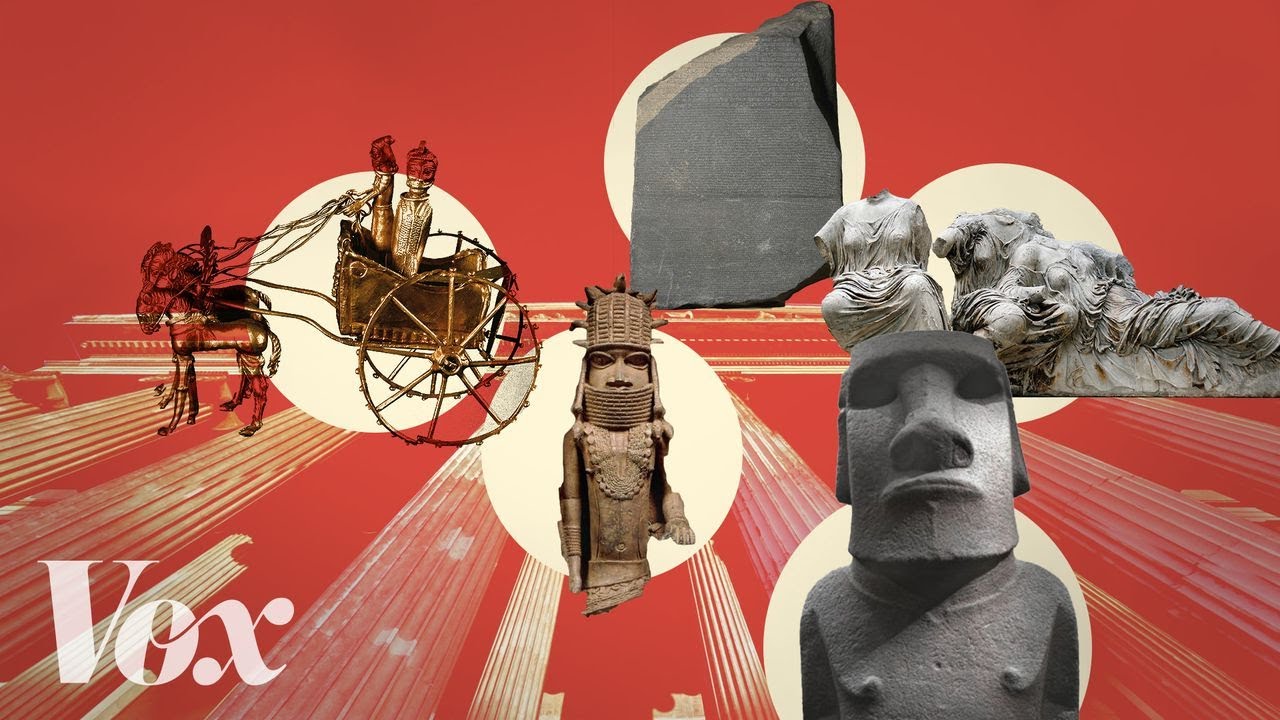
publicly accessible museums began to open their doors but it wasn't an entirely selfless move it was a way for wealthy art patrons to show off their collections more widely importantly these collections often included Works stolen from other countries as part of colonialism which you can learn more about in crash course world history European history US history black American history all of this stealing has left a pretty messy Legacy museums in Europe and the United States are chalk full of Art and artifacts that were taken by force from their country or culture of origin for example
in the 19th century the British Empire occupied much of the Nigerian coast and in 1897 forcibly captured benan City the British military destroyed much of the city including its Palace where hundreds of plaques and other important objects depicting the history of the kingdom of Benin were stored later that year about 300 objects from Benin city were displayed at the British Museum and many have been part of its collection ever since the government of Nigeria has for decades been calling for the return of these stolen works but it took more than a hundred years to even
begin to gain traction as recently recently as 2022 Germany and the Smithsonian in the US agreed to return banine artifacts from their collections in a process we call repatriation to further complicate the issue museums sometimes display those stolen artworks in insensitive and misleading ways regardless of any good intentions of Museum staff some art might be presented as primitive or displayed wildly out of context playing into stereotypes like Native Americans are often membered in American museums as if they no longer exist James Luna a liseno Indian artist brought attention to this practice when he placed his
own body in a museum case with labels identifying his scars as well as personal belongings like his college diploma and even divorce papers this powerful work attests to the continued existence and relevance of indigenous artists and communities and it also launched Luna into my personal Cannon of art history ready the Canon cannon in response to powerful critiques like Luna museums have been called to decolonize or to acknowledge and free themselves of their colonial influences this involves not only repatriation of stolen artifacts but putting collections in different contexts to more accurately represent the past take this
portrait of Sir Thomas Pickton the former Colonial British governor of Trinidad in 2020 the national museum in Wales removed it citing his brutality toward enslaved workers and free people of color on the island 2 years later the museum opened an exhibition called reframing pikon which highlighted this history and included the work of contemporary Trinidadian artists to help develop a more complete picture one of these Works an installation by the artist Collective Lau included a composition of Music woven together with the words of Louisa Calderone one of picton's victims of torture pretty powerful stuff the work
of rethinking our museums also involves diversifying those who work within them serve on their boards and make the decisions about what is collected and displayed as we've seen the very idea of a museum was concocted by wealthy members of the ruling class so a lot of perspectives have been left out for a long time and that Legacy isn't going to be unraveled overnight a 2018 survey found that across 300 us art museums only 16% of curator roles were held by people of color and only 12% of leadership roles the survey was repeated in 2022 and
found moderate increases in people of color across the board in all museum roles and it also found the number of black staff in museum leadership had doubled and quadrupled in curatorial positions is this an improvement yes is it enough enough to correct the past or reflect the US's actual demographics heck no the work is far from done but it's critical to the continued relevance of museums the way that art is presented and who does the presenting Matters from funders to curators board members to tour guides and everyone in between and it's not just Outsiders calling
for these changes sometimes artists themselves question the museum with their artwork and we call this instit tional critique one master of this craft is the feminist Art Collective the gorilla girls who in 1989 visited the Metropolitan Museum of Art in New York City and compared the number of works by women artists in the gallery to the number of nude female bodies on display they found that less than 5% of the artists in the modern art gallery were women compared to 85% of the nudes in response to this unbalanced representation they launched an ad campaign that
called attention to their findings and you might be amused to know that not only is one of those original posters now a part of the Mets collection but today the Guerilla girls are actively invited to museums around the world to shine a light on new injustices despite the complicated history behind museums they continue to do important work museums are wonderful places to see and appreciate a huge range of Art and objects they protect catalog and restore our cultural heritage and make it available to the public and the more they can confront and respond to their
complicated legacies the more nuanced they're able to offer our understanding of global history as we've seen there are many movements within the museum landscape focused on writing the wrongs of the past increasing accessibility and providing a community focused and globally conscious arena for understanding our past present and future so in a big way the idea of the Museum continues to evolve it carries with it some seriously heavy history including violence theft and sometimes questionable Taxidermy but it can also do an amazing job of grappling with that history displaying artwork sensitively and respectfully returning ones that
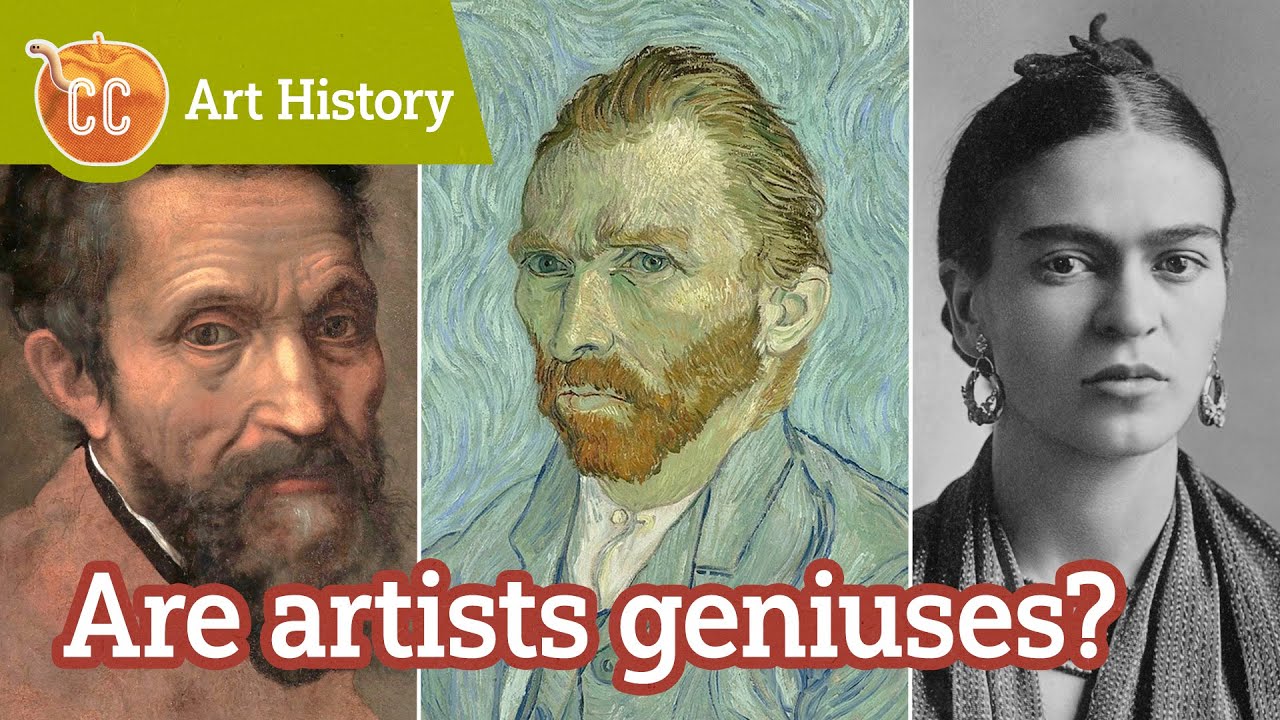
have been stolen and presenting more complex views of the world they're a powerful way of understanding ourselves and each other in the end maybe Bower bird's nests and museums aren't all that different they both collect the shiny bits and Bobs around them and display them in Artful and sometimes mysterious ways though I don't think Bower birds make you exit through the gift shop next time we'll talk about how artists came to be seen as quasi celebrities and we'll start to unravel the myth of the great artist I'll see you there thanks for watching this episode
of Crash Course art history which was filmed at the Indianapolis museum of art at newfields and was made with the help of all these nice people if you want to help keep crash course free for everyone forever you can join our community on patreon