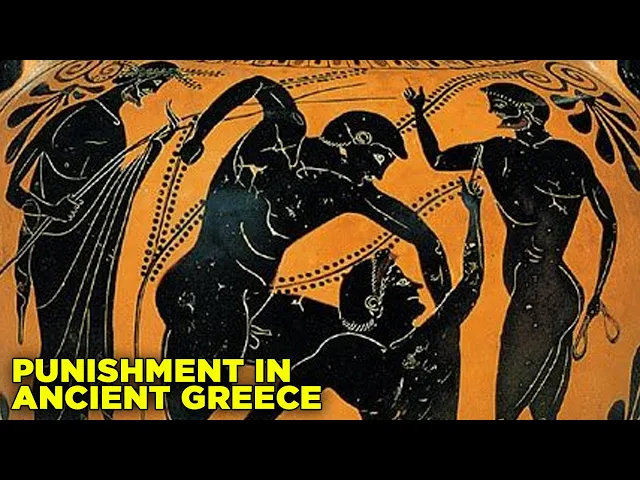
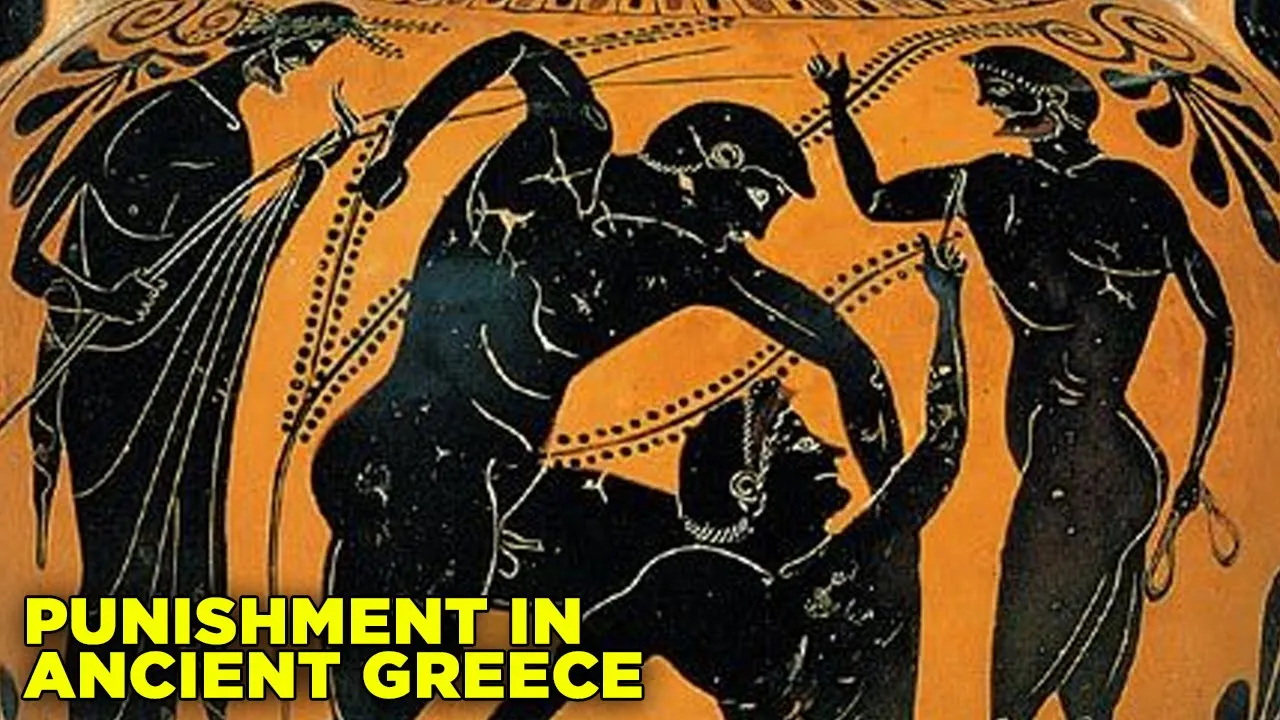
the antiquity of ancient greece is still prevalent in the modern legal system no judiciary court is complete without a statue of a blindfolded themis the goddess of justice from greek mythology ancient greece could be stated as the perfect midpoint between barbaric justice and a well-structured legal system they had court hearings but they also had stoning and crucifixions and harsh punishments for petty crimes welcome to nutty history today let's find out what punishments were like in ancient greece [Music] the greek civilization began pretty much soon after the collapse of the late bronze age that marked the
end of minoans in fact although crete became part of greece later on the two civilizations have nothing in common except that minoans were a heavy influence on greek religion but that's pretty much it the first 300 years of ancient greece civilization are known as the dark age of ancient greece from 1200 bc to 900 bc ancient greeks had no official laws or punishments and the principle of talion dominated the judiciary the principle of talion in simpler terms can be defined as an eye for an eye for example a man guilty of committing murder would be
offered to the family of the killed victim who in turn have the right to kill the murderer however as you might have guessed already this ruling created a loop of endless feuds for generations among two families just like the mafias killing each other in movies over an argument of who fired the first bullet it was not until the middle of the 7th century bc in the archaic age that the greeks began to establish official laws according to aristotle six junior archons or magistrates who were called the mercedes were appointed in athens around 683 bc to
document perhaps the first ever laws yet according to modern historians the credit for the first constitution and penal system in greece goes to draco not much has known who he was or where he came from but the consensus is that he was a greek nobility from attica but even if draco's code wasn't the first reduction of athenian law into writing it was still likely the first comprehensive written code in the history of greece some might say comprehensive is an overstatement given how linear this penal code was under draco's constitution in stated during the 39th olympiad
draco's laws were as simple as they could be teddy thievery off with your head kill someone in cold blood off with your head living homeless you guessed it it is said that draco himself when asked why he had fixed the punishment of death for most offenses answered that he considered these lesser crimes deserving of it and he had no greater punishment for more important ones dude loved beheadings this is why today's governments ruling with an iron fist are sometimes referred to as draconian indeed draco's laws were problematic for athens and the cruelty and lack of
fairness called for a change in the penal code now if you're wondering what kind of laws the rest of greece had during this time here are two important details first as writing wasn't as fashionable as it is now there is not much information available about the rest of the greek city-states spartans in fact downright hated to pick a chisel or quill instead of a sword [Music] second there was never a system of institutions recognized as a legal order in other cities they more or less followed athens model of the penal system with sparta being at
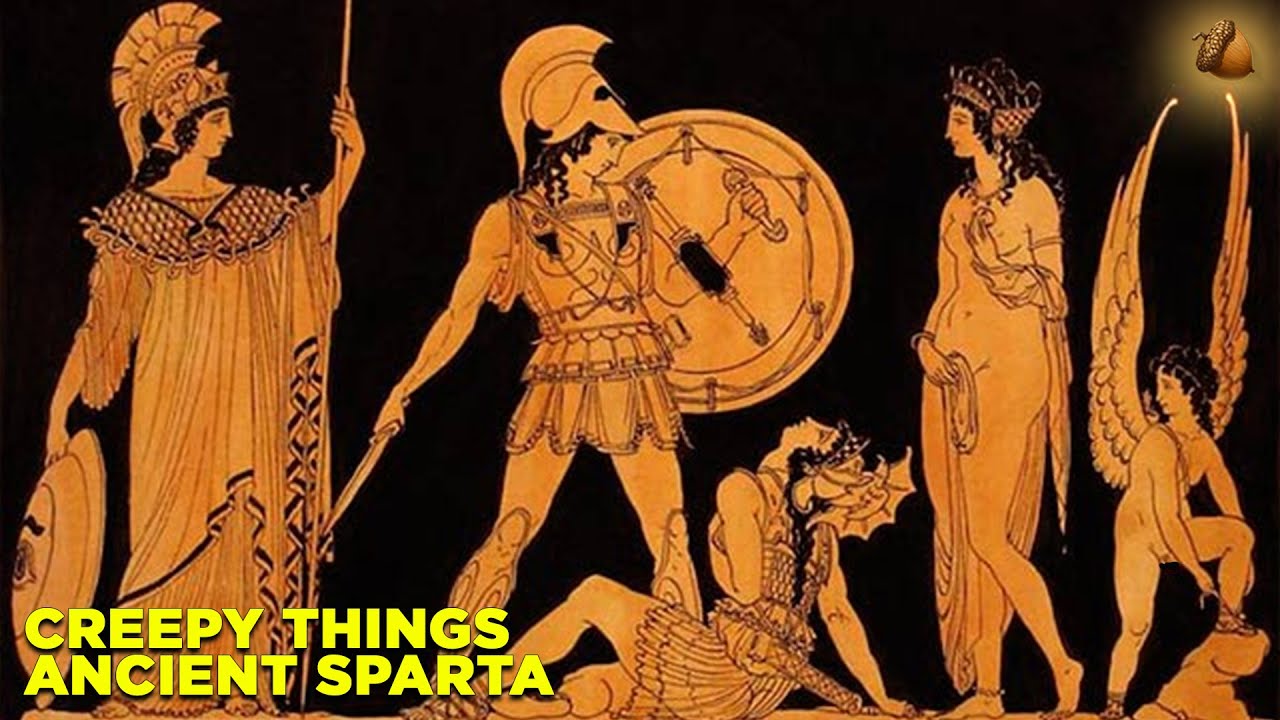
the extreme opposite end of it for spartan's honor and integrity mattered a lot and they treated women as one should with equality this ideology was reflected in their law and punishment system as well and set them apart from the rest of greece spartans would cast their serious criminals to die in a dry well while lesser crimes were punished with whippings exile and seizing a property [Music] the classical age 5th century to 2nd century bc witnessed the true flash of ancient greek legislation the law became orderly and was divided into branches with the separation of material
and procedural laws this era began thanks to solange reforms in the early 6th century bc salon took the law making away from rulers and kings and placed it in the hands of appointed officials who were basically scribes with one purpose to write laws pass the butter most of the law givers were middle class members of the aristocracy and many were our cons before becoming a lawgiver the officials in the government wanted to make sure that lawgivers won't take sides or be a part of just one group otherwise the judicial system might be unfair however that
doesn't mean they were not unfair to women because women weren't even considered human in ancient greece and thus lawgivers were not a part of the normal government they were considered political outsiders in a broad sense salon's laws served as guidelines for the judges instead of hard-coded regulations these guidelines told step-by-step details on how the law should be enforced procedural laws even included such minute details as how many witnesses must be called in each particular case and who could serve as a witness and so forth in ancient greece the judiciary system was pretty much social work
and driven by non-professionals court employees were rarely paid and most claims were tried on the same day private cases even more quickly they were neither officials nor lawyers a normal case consisted of two litigants one from each side who respectively argued for the prosecution and the defense the case was decided by a group of jurors who acted almost in the same way as modern juries of western civilization it was their responsibility to discern if a person was either guilty or not guilty after which another vote by the jury would decide the punishment however like supreme
courts today greeks had archons and epheta who were the magistrates and had the final say in legal proceedings around 403 and 402 bc they were replaced by dickistai who were democratically elected jurors greeks believed during the classical age that the foundation for the punishment was anger of a person and thus he should pay the price for expressing it towards others the guilty would be forced to pay victims and sometimes athens city as well for his wrongdoings in a way money had replaced the principle of talion imprisonment was only used for those who were not able
to afford the fine more severe punishment such as exile or capital punishment could be used for crimes that touched society as a whole apart from homicide this also included disrespect towards the state or official religion despite being a democracy greeks were not much fond of free thinking and consider it dangerously insulting this is why so many philosophers who later formed the pride of greece had to pass through criminal procedures and punishment socrates who had been convicted to death by poisoning was the most famous of them speaking of socrates the philosopher was supposed to get crucified
did you know that at the time crucifixion was not as bloody and graphical as you may have seen on jesus figures in movies in classical age greece the convict was fastened to a board with iron collars around his wrist ankles and neck and the collar around the neck was tightened to strangle the wrong doer socrates too probably would have suffered such fate had he not had wealthy friends from the end of the fifth century the athenian seemed to have been willing to let wrongdoers convicted to death use hemlock to commit suicide in advance of their
execution provided they could afford to pay for the dose which cost 12 drachmas it is hard to put an exchange value to ancient currencies in modern perspective but that has not stopped economists and historians from estimating the value of drachma according to purchasing power parity by their calculation an ancient greek drachma would cost about forty six dollars making the cost of poison nearly worth five hundred forty dollars that is one costly way to take your own life however exile was a more preferred and popular punishment among athenians even prisoners on death row were expected to
make a jailbreak and not return to athens for a long period exile life wasn't as easy as you might be thinking making money as a foreigner in strange lands wasn't as feasible back in the day when salon was appointed lawgiver after draco in about 594 bc he drafted many new laws terminating much of draconian rules except for the homicide law before becoming an archon salon was the reason behind athens win over magara for the claim of the island of salamis but without him athens perhaps would have never become a world renowned democracy as his reforms
laid the foundation for helping athens become a fairer city state women and slaves not included during salon's time many greek city-states had seen the emergence of tyrants like draco who followed the same ideology of death to all criminals and opponents under salon laws had specific penalties for specific crimes most crimes were punished by monetary payment penalties for example the fine for sexual assault which would be nearly forty seven hundred dollars in modern times not gonna lie that sounds like an awful way to deal with such a delicate matter but this was the time and place
where women were considered sub-human the penalty for theft depended on the amount stolen and the guilty would have to pay back double murderers and kidnappers were thrown into a pit of sharp spikes called the baratheon but when it came to women foreigners and slaves equality was an alien concept women and slaves were not allowed to represent themselves in court and had to have their guardian or owner stand for them respectively clogging and whipping were quite common punishments for slaves women were prone to stoning or being put into stocks when being found guilty but nothing came
close to rafanidosis an oddity among the other more humane punishments for greek men rafadosis was a punishment reserved for extreme cases it is mentioned by aristophanes as a punishment for adultery in classical athens in the fifth and fourth century bc rafanidosis was allegedly sentenced for other sex-related crimes as well as perhaps such as adultery and sodomy now mind you assaulting and violating a woman was only fined in contrast with a hundred drachmas so what is rephanitosis botanists watching this video may have already recognized the use of the genus raphanus in the term the raphanus genus
contains mostly root-based food-producing plants such as radishes profanitosis was the act of publicly inserting the root of a plant-like radish into the rectum profanidosis was pretty much a humiliating death sentence the radish had thorns attached to them causing the guilty to dive internal hemorrhaging on receiving the punishment however was such extreme punishment ever used or was it a brainchild of a rather creative writer of that time is still up to debate among historians so what do you think does the greek penal system need a revival or are we lucky to live in a more humane
and sophisticated era tell us in the comments and don't forget to smash that like button oh and thanks for watching nutty history