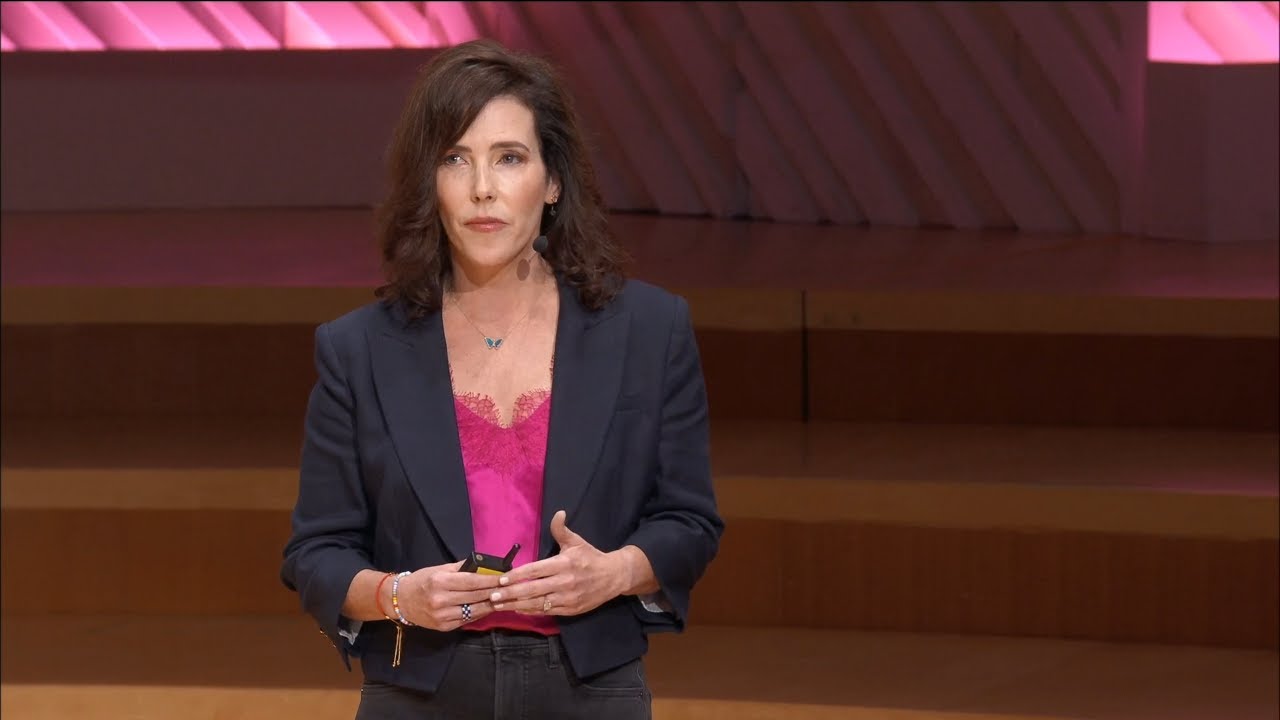
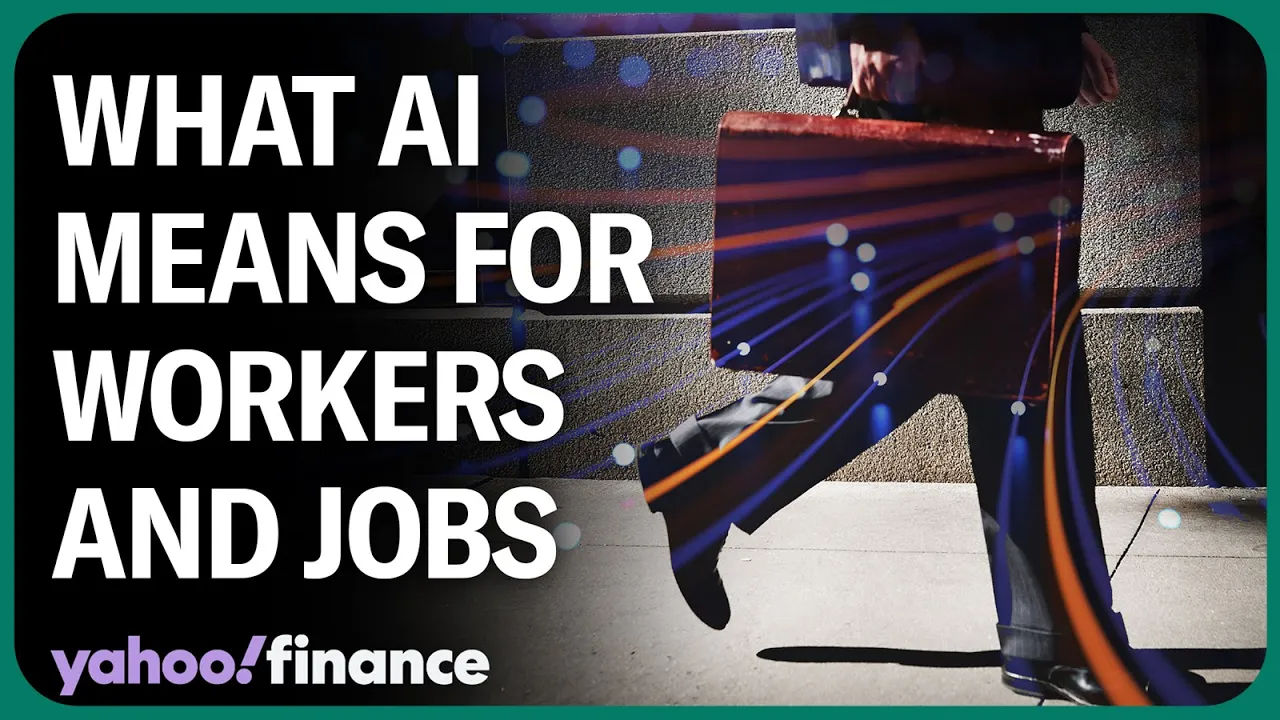
and sap is the latest tech company to announce a Workforce change the German software giant is restructuring 8,000 jobs as a prioritizes artificial intelligence restructuring and layoffs in the tech sector has sparked fears that investment in AI could start to push out human workers so how much of this concern is warranted is the big question we've got Meredith Whitaker who is the AI now Institute co-founder and chief advisor and president of signal Foundation Meredith great to have you here with us you know as we think about where we're really going to see a Delta as
a result of AI replacing human Workforce what is the early expectation now where is that even perhaps starting to show up in real numbers well great to be here and I think we need to back up a little bit and recognize that AI isn't going to autonomously replace people's jobs as a product of scientific innovation that we've seen layoffs in Tech before we've actually seen wage fixing collusion in Tech before which they got caught for and there has been a desire to reduce workforces that predates this current moment of AI hype so we need a
grain of skepticism here um and I think we need to look at the role that AI plays in providing a pretext for cutting jobs I would look to the writer Guild of America and the struggle that played out there over the potential of the Hollywood Studios introducing AI Technologies in ways that the writers I believe rightly feared would undermine their livelihoods would enable paying them less for work that was nonetheless skilled and nonetheless necessary but was now categorized as less valuable than it was before the introduction of AI so I want to be careful with
any framing that would presuppose AI is actually capable of replacing jobs and be a bit skeptical of these claims particularly when they're made from the very same companies that are looking to profit from licensing and providing AI services to employers Marth It's always important to put it in historical context and exactly what we have seen uh prior technology ad es how that has impacted the workforce and Beyond of course but when we take into account what has happened and maybe this is also looking back in comparing this historically speaking as well the adoption of AI
how would you compare that to some of the technological advances that we have seen of the past and when we talk about the rate of change that maybe we could see in the workforce whether or not the debate out there about what we just talking about whether or not it's going to replace jobs if it's simply going to be more of a restructuring and reskilling of the workforce eventually creat jobs what does the timeline look like for that when you have just a It Seems like by the day more and more companies talking about their
investments in Ai and how that's going to shape their company's future well I'm not a clairvoyant and it's not clear to me what the timeline is and I say that as somebody who has been witness to many bold prognostications that never came true 10 years ago we have ai scientists talking about you know replacing Radiologists that hasn't happened we have predictions about autonomous vehicles surpassing uh hum driven cars that have not happened and in fact those predictions have been rolled back we now have one autonomous vehicle Company still operating that's weo as their competitor Cruise
has been forced off the road due to issues with their their functionality issues with the way that their automated system worked and and caused traffic traffic problems so I again want to be really hesitant with making predictions particularly when we recognize that a lot of these stats are coming from the same industry that is hoping to find a market fit for this technology that they've invested billions and billions of dollars in developing producing and marketing how can people in the labor force successfully kind of retool rkill their own set for a future of perhaps working
alongside artificial intelligence well let's be clear I don't think in many cases that workers are the ones who have the power to reshape themselves so that they can work alongside AI I think what we need is to see increased Union density so workers have more leverage over deciding where AI is introduced and how it's used and how their job is structured or restructured and I think we need to recognize that in many cases particularly in the US which is a very non-union dense labor market we have a case where workers are not the ones using
these systems workers are the subjects of these systems the employer licenses the system they determine how it's used they determine how workers interact with it or not and often times these systems work quietly in the background we can think about new versions of Microsoft Office that are shipped to Enterprises that include the option of creating a productivity score right about workers that is then sent to management this is generated through some version of AI informs management but cannot be considered something that workers necessarily have knowledge or power over all right Meredith we got to leave
things there on the day Meredith Whitaker who's the AI now Institute co-founder and chief adviser and president of signal Foundation thanks for taking the time here today great to be here thank you