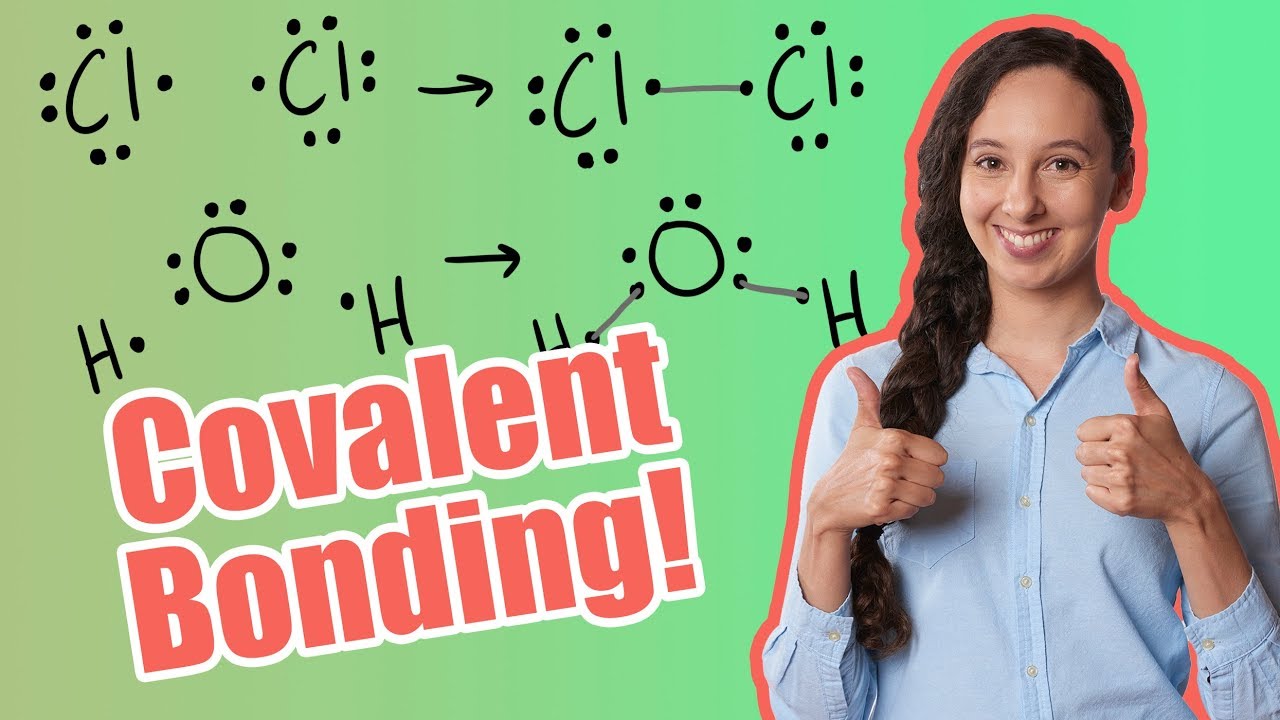
so in this video we'll be covering chapter six section two which is covalent bonding and molecular compounds now as i mentioned previously atoms rarely exist in nature as standalone objects so what they'll usually do is form what are called molecules now these molecules are electrically neutral once they've been bonded and they're groups of two or more atoms and they're all held together by covalent bonds which is very important because ionic bonds don't form water technically called molecules so basically what happens is that you'll have a few atoms and they're sort of sharing electrons in a
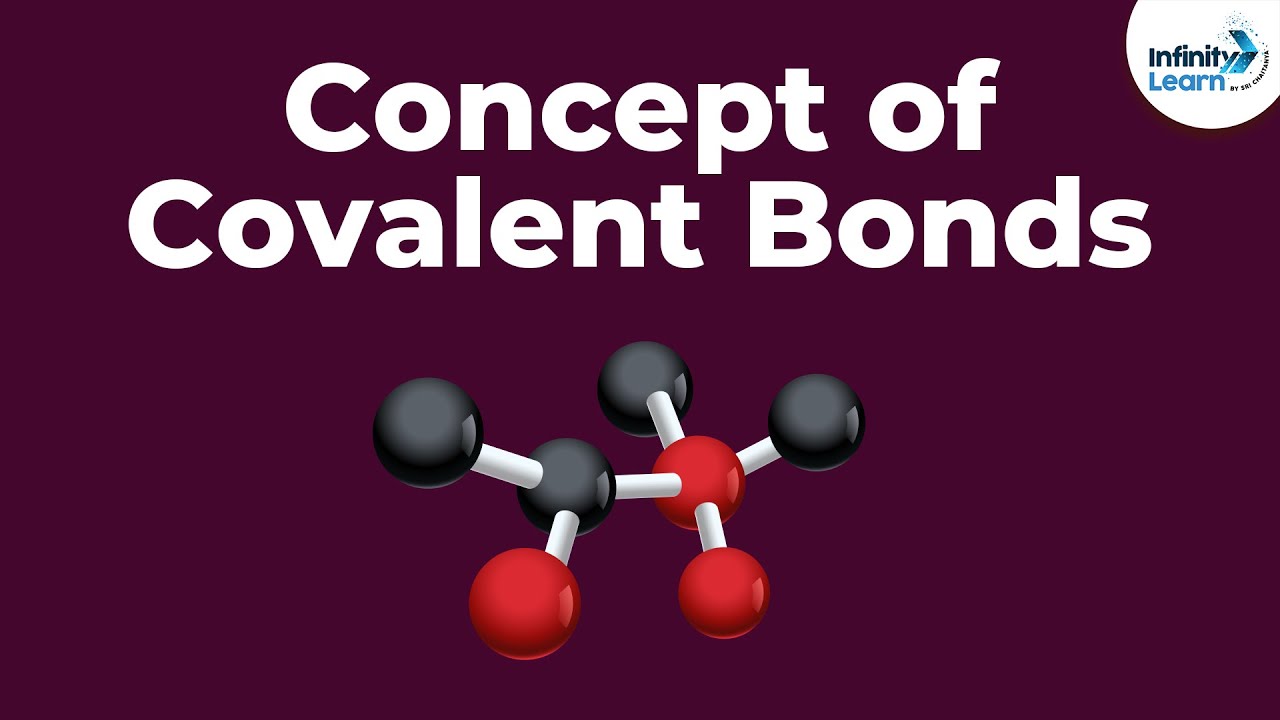
covalent bond as we mentioned before and when these atoms bond together they form what are called molecular compounds and these compounds don't only have an illustration as i have here they also have what is known as a molecular formula which gives the number of atoms and what type of atom are in each type of molecule so for example let's say this was water what you do is you would take this oxygen here and put it in the formula and then you would also take the two hydrogens which are right here i'm sure most of you
know this formula because it's a very common phrase h2o but what you do is you take the number of the atom in this case two and then the default if it's one you just leave it blank so you'd get hydrogen to oxygen now if you just had two hydrogen atoms off to the side bonded together they would form what is known as a diatomic compound and this is because di means two and atomic means obviously atoms so a molecule that has only two atoms is known as diatomic and we'll find a list of elements that
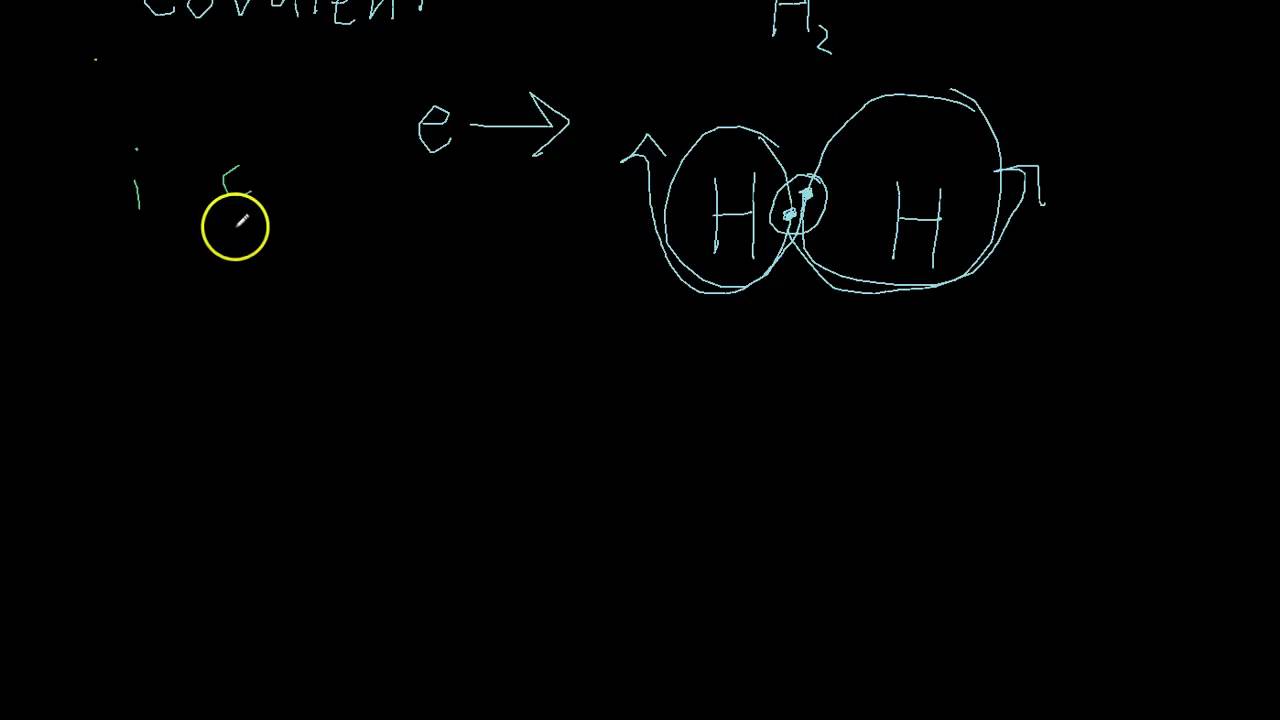
stand alone and create diatomic atoms in nature so as i explained in the last video atoms that stand alone tend to have a higher potential energy than when they are joined together with other atoms and now i'm going to explain why and the way we're going to do this is by visually two hydrogen atoms like this now if they were very far apart without influencing each other there'd be a great potential energy for them to come together and form a compound now as they get closer what you'll find is that the attraction between the nuclei
in each one to the other atoms electron is much higher than the repulsion between these two so what they'll do is they'll move closer and closer together building up momentum and changing their potential energy to kinetic energy as they move closer again nature wants to move to a lower potential energy state so what happens is that these will keep moving together until eventually they reach a magical distance where they are in the lowest potential energy state possible so we'll call this e low and this is the point where the attraction between the nuclei of each
one and the other one's electron balances out the repulsion between the nuclei and the electrons and this is the lowest potential energy state because if you were to force them even closer together where they were almost on top of one another what you would find is that this repulsion between the two nuclei would be so great that it would get rid of potential energy and would store it more in electrical energy trying to force the molecule apart so at this point where the two hydrogen atoms are bonded together uh and their potential energy is at
a minimum the electrons in each atom can orbit freely in either orbital because they're sort of overlapped at a minimum energy state so the electrons have the ability to go from one atom's influence to the other without doing any work now this low energy state here occurs consistently at a specific distance called the bond length and in the hydrogen the bond length is about 75 picometers which means that once you get to this point the atoms will still vibrate a little going from attraction to repulsion and vice versa however uh once the atoms are this
far apart they get to this covalent state where the electrons can flow freely from one to another and for those of you who know about the law of conservation of energy you may be wondering where all this potential energy that uh separated the atoms before has gone and it has gone into a form of energy known as bond energy now bond energy is useful to know because it is the same going in as it is coming out meaning that the same amount of potential energy that these atoms had when they were way far apart uh
is the same amount that is released when you break these atoms up and this bundt energy which is again the energy required to break a chemical bond and make these atoms neutral each with one electron is measured in kilojoules per mole meaning they measure the amount of energy it takes to completely break the bonds in one mole of substance now the bond energy for diatomic hydrogen like the example we have over here is 436 kilojoules per mole meaning it takes 436 kilojoules of energy to break up 6.02 times 10 to the 23rd uh bonds within
these various molecules and i know this is kind of the simplest example with two of the most two atoms of the most basic element there is however these principles all apply to the rest of covalent bonds and just to further reiterate the stability of this hydrogen to hydrogen bonding i'll draw a little diagram of what's happening in each hydrogen's 1s orbital which is the only orbital they possess of course so they start off each with one electron in the orbital but then once they bond you end up with two hydrogens with a sort of shared
orbital that has one electron of each spin and this gives it the 1s2 configuration which is of course what the noble gas helium has and again if you'll remember the noble gases have the lowest potential energy within their orbitals which is why hydrogen bonds together like this in order to get this 1s2 configuration which is the low potential energy of noble gases now the noble gases have this low potential energy because their outer orbitals their valence electrons have completely filled their s and p orbitals or in the case of helium uh just the s orbital
and these full s and p orbitals each of which can hold two and six electrons respectively uh allow the noble gases to have eight valence electrons now unfortunately for the rest the periodic table they do not come with eight valence electrons however they still want to get to the state because it is the lowest potential energy so what they will do is either share give or take someone else's electrons in order to get to this eight electron configuration and this is what is known as the octet rule now the octet rule says that chemical compounds
will tend to form so that each atom will have an outer valence of eight electrons in its outermost shell so just to give you an example we'll look at how two atoms of independent fluorine bond to form a diatomic f2 now fluorine is a halogen which means it has seven valence electrons given in its 2s orbital and 2p orbital you'll notice the two and the five add up to seven however if you sort of separate this last electron and examine it next to another fluorine atom what you'll find is that if these two atoms sort
of exchange these electrons so that at some points this fluorine atom over here will take over this electron it will contain eight electrons in its s p shells and then this one at some points will also contain eight giving it a stable octet at some points when they're close enough to share these outer electrons and the same thing goes for the chemical hcl which is one hydrogen and one chlorine now if you look at the arrangement of chlorine its valence is in the third energy level so it's 3s is full and it's 3p once again
because it's halogen has five electrons and we'll leave this last one off to the side but know that it is in the 3p orbital and then if you look at hydrogen which just has the 1s orbital with the one electron now if you look if these two share this electron you'll see that chlorine will then have eight total electrons in this shared orbital and hydrogen will have two this gives chlorine the arrangement of argon and hydrogen the arrangement of helium both of which are noble gases and it gives chlorine this octet rule hydrogen doesn't follow
it because it can't have a p orbital but it does still form a stable noble gas configuration so now i'm going to be demonstrating a much easier way of representing uh an element's electrons without having to write out the full 1s 2 2 s2 etc electron configuration notation instead what you can do is you can take an element let's say element x and you can just dot how many valence electrons are around it up to eight so if we go across the second period and do this you'll find lithium with one dot in its valence
beryllium two boron three carbon four nitrogen five oxygen six fluorine seven and finally neon has the full octet with eight and this notation can be very useful for illustrating bonds for example if we take the fluorine fluorine bond that we did earlier and we draw out the electron dot notation there's seven on that fluorine and seven over here on this fluorine you can put them together and see that these two right here are a shared pair giving each eight the full octet independently now this shared pair can also be represented by a line so we
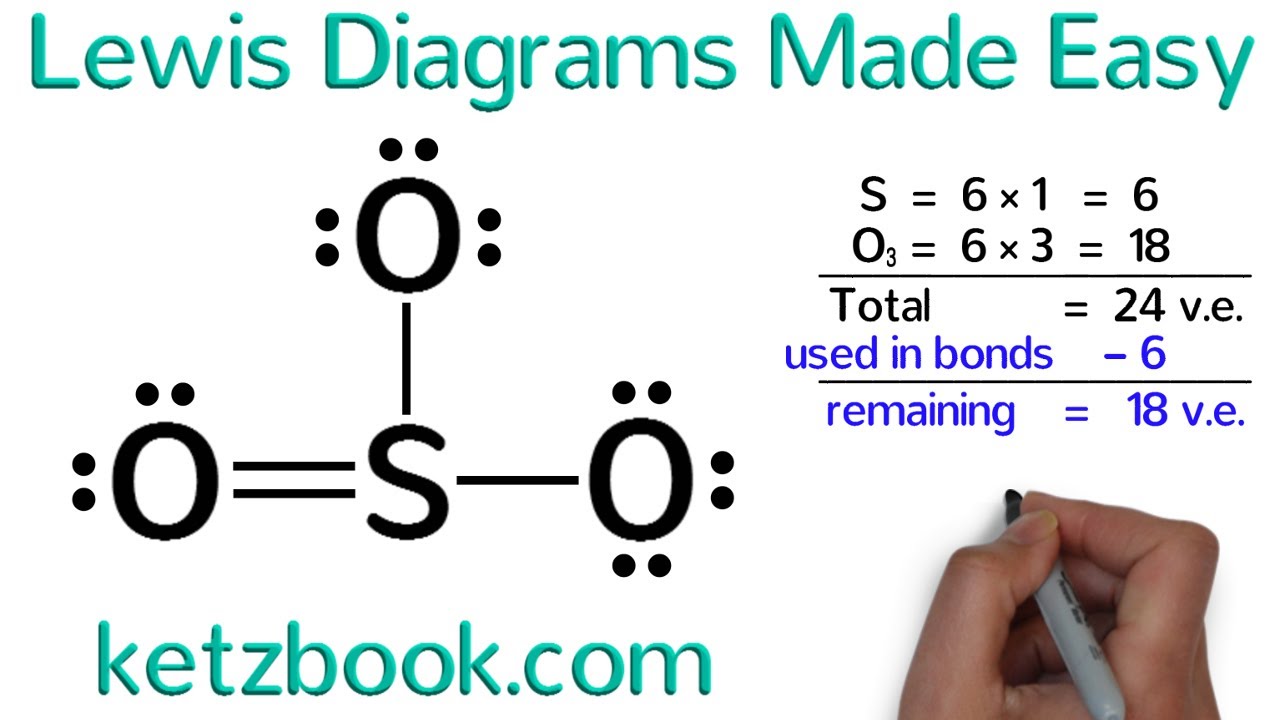
could alternately draw this as f with its seven electrons the other fluorine with its seven electrons covalently bonded represented by this line now in this instance there is the one bonded pair of electrons in the middle represented by the line and the rest of these are what are known as unbonded pairs of electrons meaning they aren't involved in the bond between the two atoms and drawings like this are what are known as lewis structures now lewis structures as i mentioned earlier are things drawings where the atomic symbol in this case f represents the nucleus and
all the inner shell electrons the non-valence electrons that is and then the dashes represent a covalent bonds but it's not uncommon to leave off the unshared electrons that aren't involved in the bond so for example for the third example of how this fluorine bond could be represented you could just do f dash f and that would represent the diatomic fluorine and all chemists would know that there's six unshared electrons on each fluorine now this is not a lewis structure here the lewis structure shows all the electrons this is what is known as a structural formula
and this becomes much more practical when you get into much larger molecules and you have you know 10 or 20 different atoms bonded you don't want to be putting all these dots along you just want to show how the atoms are bonded to one another within the case of fluorine where only one pair of electrons is bonded as well as other things like uh hydrogen or hydrogen chloride these are what are known as a single bond molecules because only one pair of electrons is being shared atoms aren't always simply bonded one to another by single
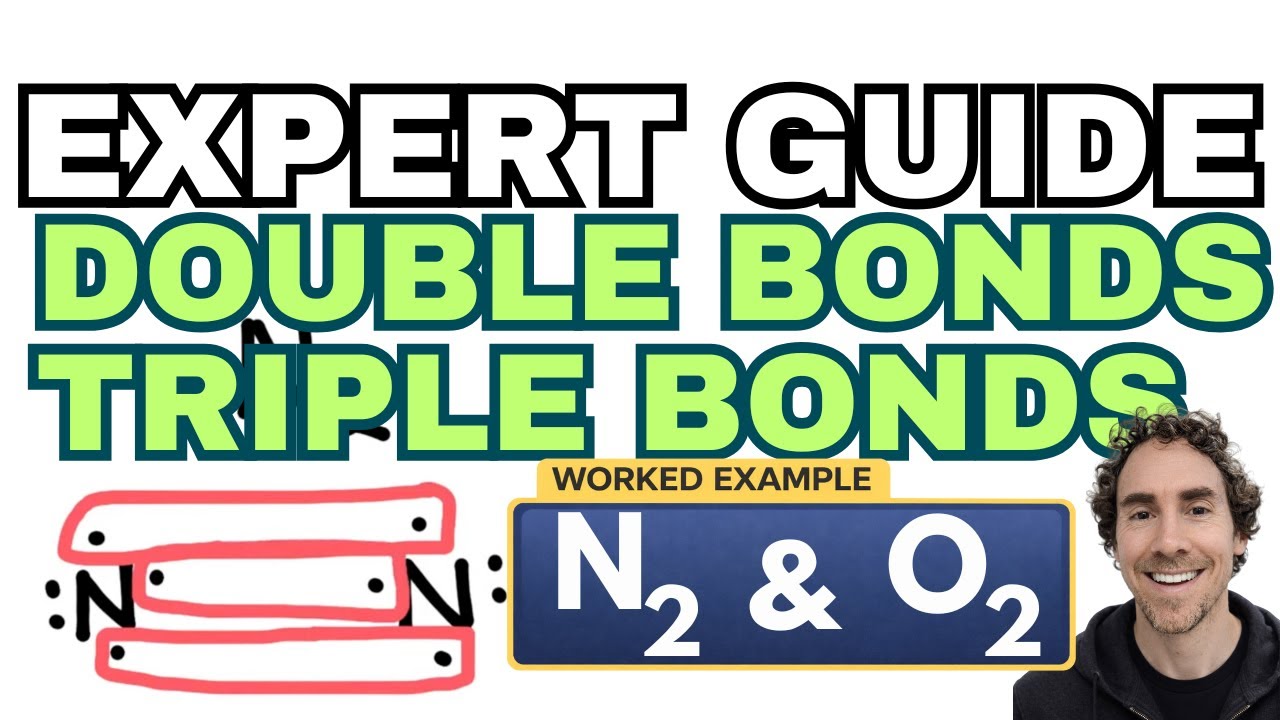
bonds however some atoms for example carbon can form what are called double bonds where two pairs of electrons are shared which can also be written as two different dashes or nitrogen for example can even form triple bonds and this is because if you look at the electron dot notation for nitrogen which has five electrons in its valence what you'll find is that if you share this top pair the middle pair and the bottom pair is that each one in this shared orbital then has a grand total of six in the shared plus the two it
already has to form the octet rule only by following triple bonds so these double and triple bonds are referred collectively as multiple bonds now multiple bonds are shorter and a lot stronger than conventional single bonds because as you share more and more electrons your nuclei will get closer and closer together which makes them much harder to separate as well it makes the uh atomic radius and the bond length much shorter now not all molecules can be represented by these lewis structures such as the diatomic fluorine we just studied for example if you look at ozone
which is three oxygen molecules bonded together uh you may be saying to yourself what's wrong with this lewis structure well it can alternately be represented by having the single bond on the other side now the problem with this is that through experimentation scientists have found that it doesn't exist in one or two of these states it exists as sort of an average of the two so to represent this property which is called resonance meaning that the chemical the chemical is really a hybrid of two different uh variations of structure you take these two lewis structures
and you put an arrow going back and forth in between them to show that it's a resonant structure and it can be shown in either way but exists in nature in neither of these two diagrams