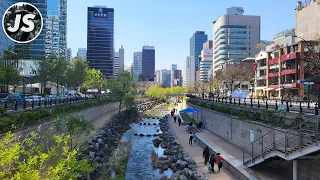
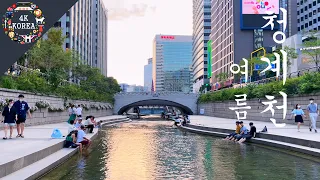
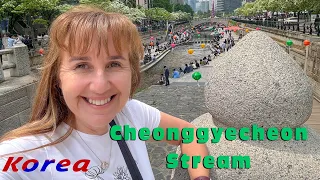
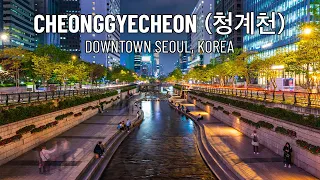
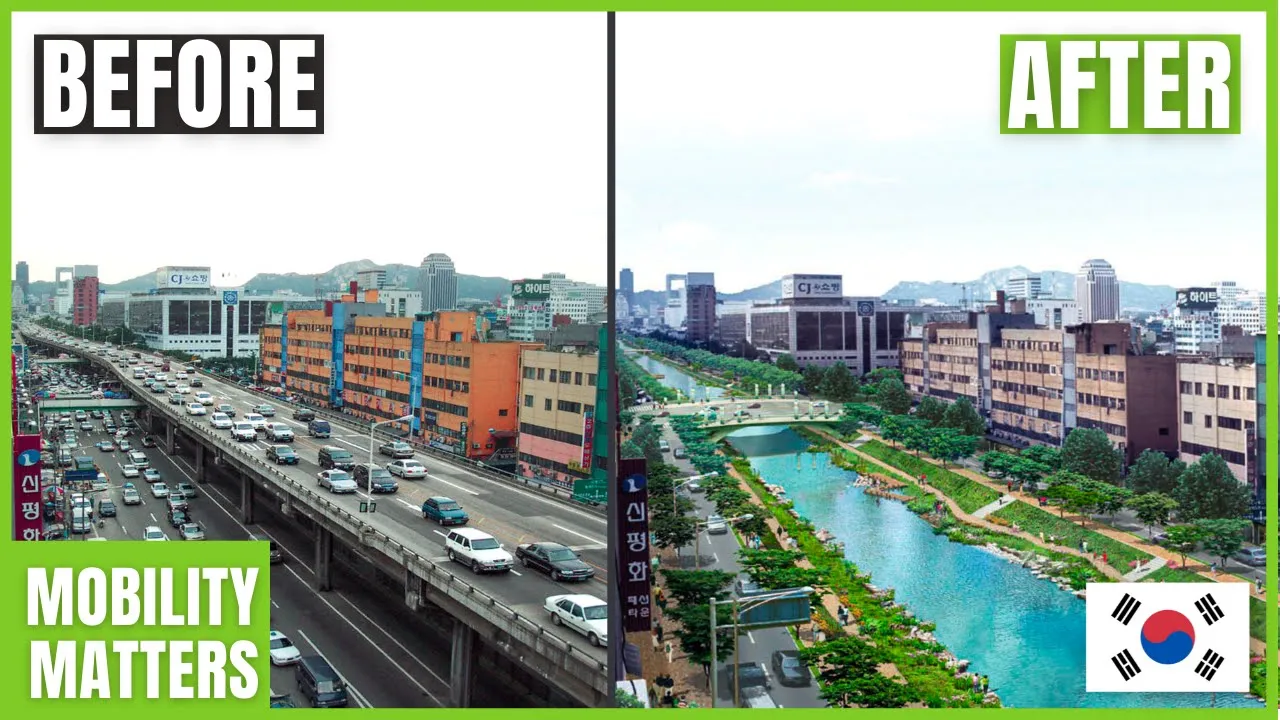
welcome to episode 1 of Mobility matters a series of short films documenting Urban Mobility systems around the world and no better place to start than in Seoul South Korea and with that welcome back today I'm at the Changi Cheon stream in the heart of Seoul the South Korean capital and this place here represents a refuge an escape from the chaotic Concrete Jungle however this wasn't always the case if you are South Korean and you're born anytime between 1958 and 2003 you will have very different memories of this space where I am standing and that's because
Urban spaces are dynamic they change they evolve over time sometimes for good sometimes for bad and in this story the story of jonghy Cheon I would believe this is a change for good so let's get into it and to do so let's first rewind the lost a couple thousand years [Music] on stream here is a natural formation that has been flowing from west to east for thousands of years and it first was named 600 years back under the Jason Kingdom they called it gotchion which literally translates to the way the water should flow and then
in the 18th century population kept growing surrounding the stream and when it reached around 150 000 they decided to widen the banks of the stream to reduce the potential risk of flooding and this settlement would use the stream to do laundry it's a place where children would play and it's where cultural events were held it was a place for the people and into the 19th century the populations surrounding the stream kept growing it became overpopulated and Shanty towns emerged and these Shanty towns would throw their waste into the waters and over time the waters became
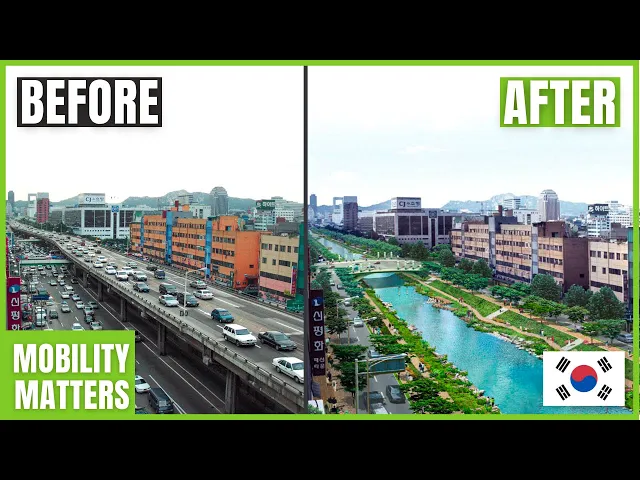
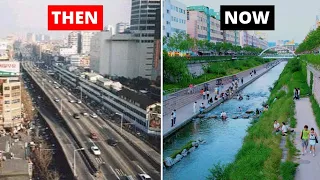
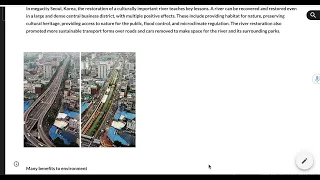
polluted so polluted that they became a health hazard and by the mid 20th century a conscious decision was made to cover over the stream with concrete to reduce any potential health hazards and then later in 1967 a more drastic decision was made to build an elevated four-lane Super Highway that would essentially dissect the city of Seoul and enhance the movement of people and goods and support the growing economy and with that the once beloved stream here disappeared from the maps and gradually from the collective Korean conscience and anyone born after 1958 if they think back
to this place where I'm currently sitting they will probably remember this elevated four-lane Highway and associated with noise pollution traffic and as a place void of nature okay let's move on and the construction of this highway was seen as necessary to ensure the continued movement of people and goods in the rapidly growing city and economy and by 2003 180 000 cars would drive through this space right here every single day but also by 2003 the elevated Highway had started to deteriorate cracks were appearing in the concrete and something had to be done options were limited
but the obvious choice would have been to repair and upgrade the elevated Highway however Seoul City Hall had a bolder Vision an ambitious idea to restore and bring back chongiteon stream and this Vision was presented to this surrounding shop owners but it was not well received there were even Mass protests many of the shop owners believed that the elevated Highway brought a lot of through traffic that drove their businesses however the Seoul City Hall didn't back down on the contrary they made a conceded effort to forge a better relationship with the public so the residents
and the local businesses and this translated into 4 000 public hearings where the public were brought together asked what they wanted from this project and given a voice and a sense of ownership over the future of through this process they came up with a design for the stream and one of the public requests was that the original bridges that spanned chongyachong's stream were reintroduced so this is what I'm standing on right now one of the refurbished bridges that existed prior to 1958. hey there's a big Heron in the water cooling off that's a real nice
sight to see in the middle of a city I've been pronouncing wrong the whole time young can you pronounce well I'll improve my pronunciation towards the end of the video and between 2003 and 2005 they began the deconstruction of the highway and the restoring of the stream which was really no easy task it's kind of like performing open heart surgery but on a city because you have to keep the flow of people and goods while performing this huge complex operation and this 5.8 kilometer project took 70 000 workers 270 million dollars and two and a
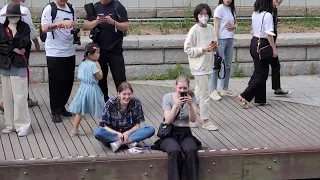
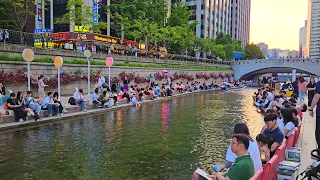
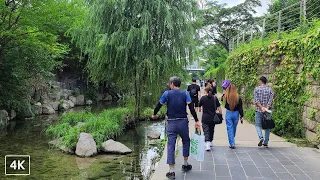
half years to create where I am today 20 years since completion okay I think other people want to take some Instagram shots where I'm sitting and here we are sitting almost 20 years since the completion of the restoration project and this has become an overwhelming success story and is seen as a positive addition or should I say re-addition to the city of Seoul and the public you can see behind me have come to really love this old but new space you can see people old and young sitting back relaxing dipping their feet in the streams
you also have people exercising small children learning to walk in the evenings musicians and buskers also come out so it's also a space for Creative expression all very important things but not only humans are benefiting you can also see wildlife has returned somewhere behind me there's a heron taking a bath and the project has also delivered a number of slightly less obvious benefits the Ambient Air Temperature in the area has been reduced the localized air quality has improved as well as noise quality and the local business owners despite being opposed to the project initially they
have seen an increase in sales because this has become an attraction for people of the city and being an attraction it has increased the football which is increased revenue for a lot of the local businesses really an inspiring story a great project and it's not just a feat of engineering it's a feat of good governance and good engagement with the public and there's another lesson in this project and it's that economic growth isn't only achieved by say expanding your transport system so you can better move people and goods yes that's important but you also want
to have a creative Society who can create new businesses and services is and for that you need to create an attractive City and have spaces where people can come and relax and get to know themselves and get a better feel for what they want to do with their time on Earth and that type of thinking happens in relaxed spaces where people are more in touch with nature so great example I hope to see this replicated in other cities around the world that's it from me I am Conor Richardson an urban and transport planner and I
make these short travel videos to hopefully share to the world some good practice case studies I'll see you in the next one no I too get my turn to sit back relax and dip my feet in the Stream [Music] fresh thanks for tuning in to the very first episode of the mobility matters series I'm still very much defining and refining the concept for the series and that being the case your feedback and ideas for potential future videos is very much welcome you can identify these videos on my channel by the green thumbnail frame and next
up we have Solio 7017 and in the works I also have videos from Vietnam Cambodia Laos and Singapore I hope to see you there in the meantime take good care foreign