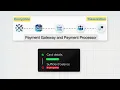
[Music] digital payments have become an essential aspect of our daily lives whether it's for a simple coffee purchase or when you are dividing expenses among friends in this video we'll examine the fundamentals of digital payments starting with payment gateways and payment processes like PayPal and stripe and explore some of the interesting aspects of security such as encryption and tokenization we'll also look into payment networks such as Visa or Mastercard along with the roles of banks so that you get the complete picture once you have grasped the fundamentals of payments stay tuned for a followup video
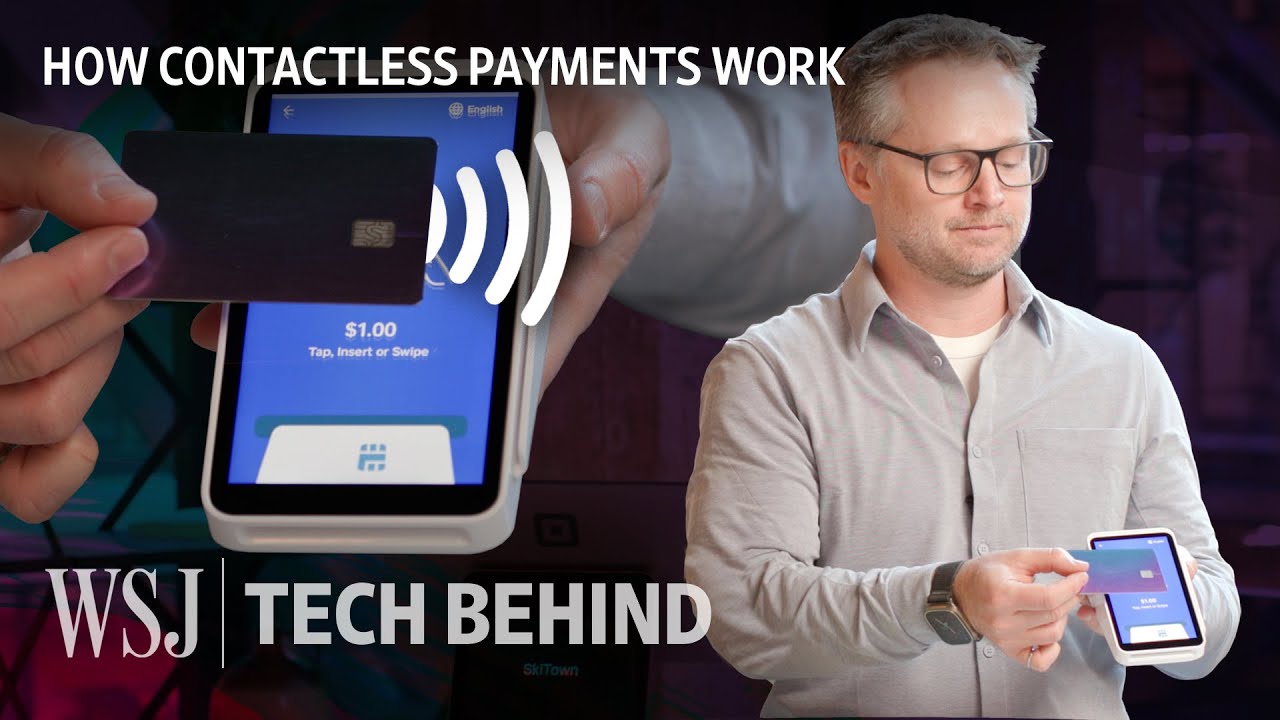
where we'll design an entire payment system from start to finish so let's get started imagine you are shopping online and you see a cool video game you want to buy you click on it and add it to your card when you are ready to pay you proceed to the checkout page where you specify your purchase the online store offers various payment options including credit cards debit cards and digital wallets providing you with multiple tools for completing your game purchase now the payment Gateway is the first point of contact when you the customer initiates a card
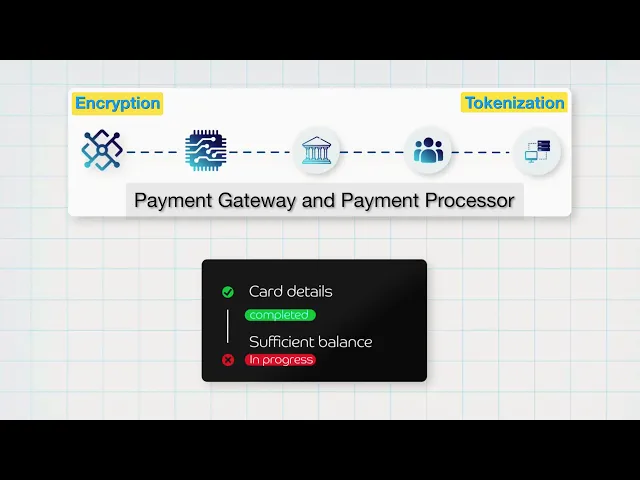
transaction online it's like a Special Assistant that takes your payment information and sends it to the bank to make sure you have enough money to buy the game it performs an initial check to ensure that the customer's payment details are correctly formatted and complete this includes verifying the credit card number expiration date and the pvv or card verification value the payment Gateway may also perform an address verification to validate the customer's bilding address matches the one on the record with the bank which helps to prevent fraud so it primarily handles the authorization of the transaction
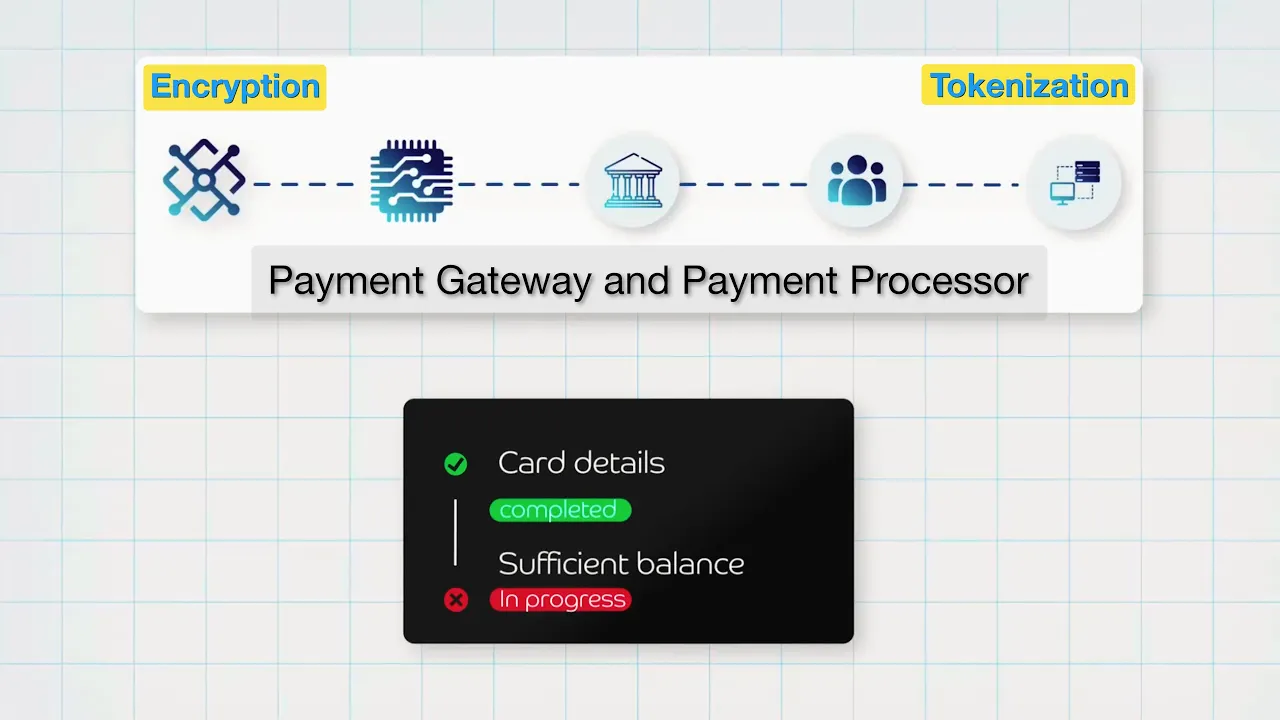
and the secure transfer of payment information payment gateways use data encryption during the transmission of payment information to protect it from interception so when you enter your credit card information on an online shopping website that information is encrypted before it is transmitted to the payment Gateway so even if someone were to intercept the data during this process it would be virtually unreadable without the decryption key encryption involves converting the original payment data into a coded format that can only be deciphered with the proper decryption key and this I have covered in detail in my https
video where I talk about various security algorithms and their use in depth payment gateways also use tokenization to protect sensitive payment data when it's stored whether on a merchant server or within the payment Gateway system so when you have made a purchase on an e-commerce website instead of storing your actual credit card number the merchant stores a token that represents your card encryption primarily protects data during Transit the journey from your device to the Gateway and then to the merchant while tokenization protects data at rest when it is stored on the servers with encryption the
original data is decrypt Ed for processing once it reaches its destination and with tokenization the original data is never stored or exposed in the first place tokens are used for all future transactions and in the event of a data breach encrypted data might still be vulnerable because it can be decrypted with the right key in contrast tokenized data is much less useful to hackers as the actual card information is never sto these two security measures by payment Gateway work together to provide a robust and their defense against unauthorized access and fraud in the digital payment
ecosystem note that the payment Gateway itself does not directly check the availability of funds in the customer's bank account that specific fund availability check is carried out by the payment processor during the authorization process the payment Gateway primarily handles the transmission of payment data between the customer the merchant and the payment processor so it acts as a bridge for data once the payment Gateway has verified the car details it forwards the transac action to the payment processor the payment processor communicates with the customer Bank to verify whether there are sufficient funds available to cover the
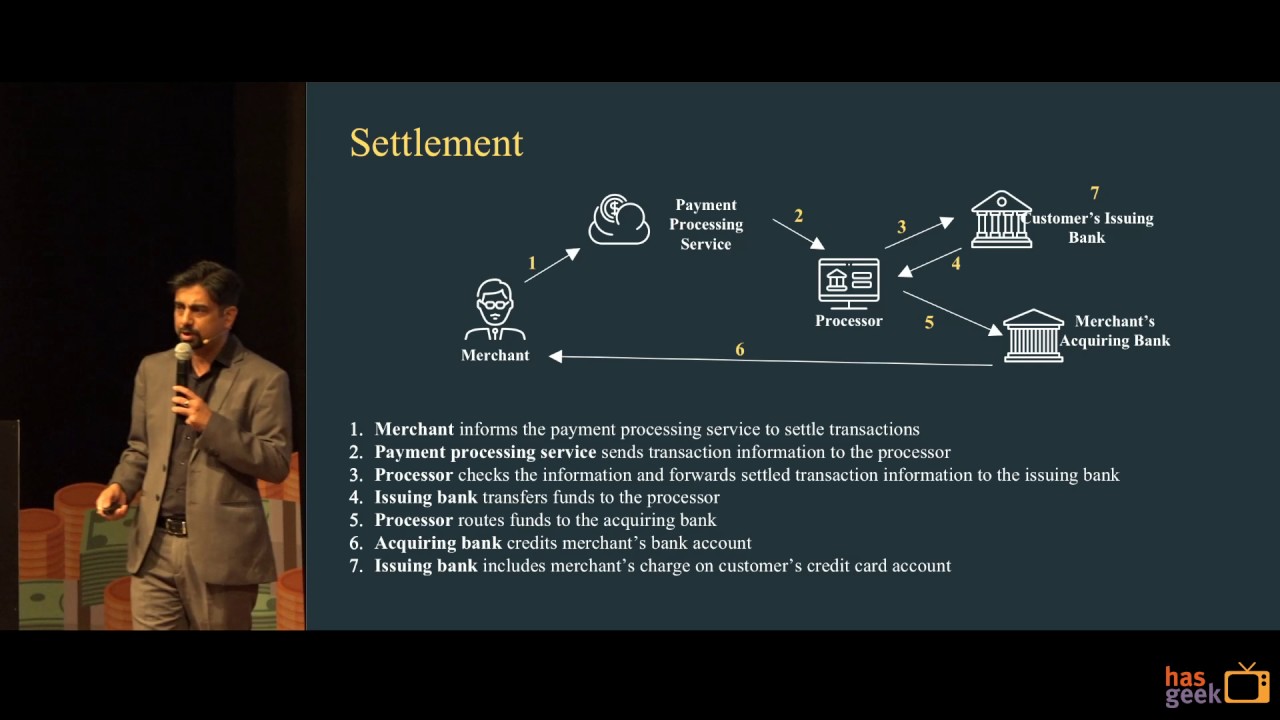
transaction amount if the funds are available the payment processor obtains an authorization from the bank which confirms that the transaction can proceed if the funds are not available the transaction is declined and this information is sent back to the payment Gateway which then informs the customer or Merchant a payment processor here is the entity responsible for actually moving the money between accounts it often Works closely with the issuing bank which is the customers bank and acquiring bank or Merchants Bank it communicates with the issuing bank to confirm that the customer has the necessary funds or
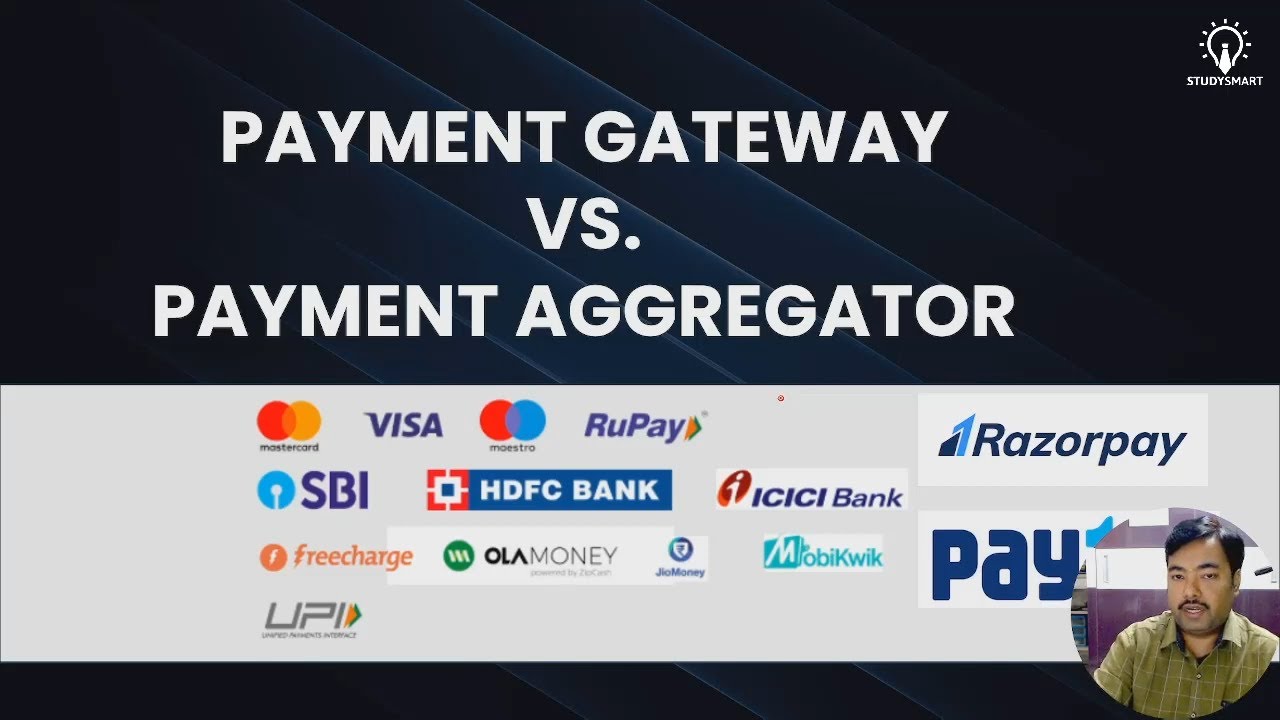
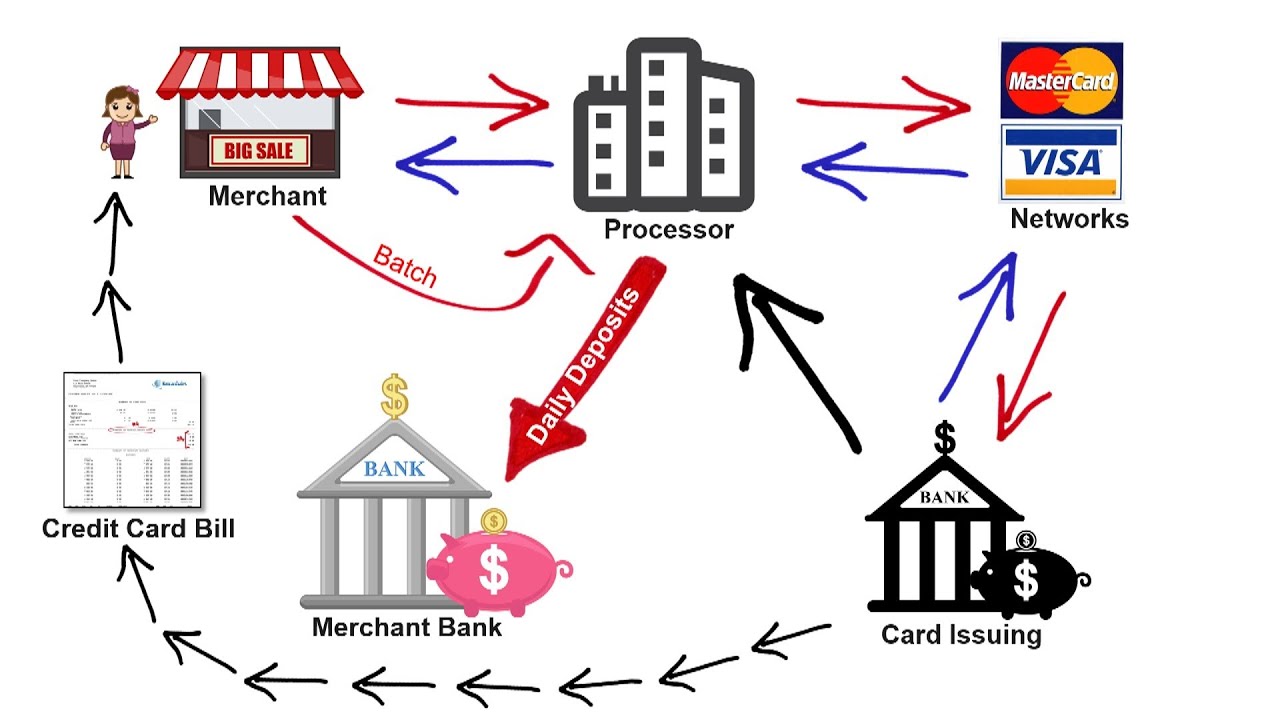
credit limit now both payment gateways and payment processors often work with visa and MasterCard payment networks when processing credit and debit card transactions these companies don't directly process transaction or serve as payment gateways instead they partner with banks and financial institutions that issue their cards to Consumers when you use a Visa or Mastercard your transaction data is processed through payment Network and they facilitate the communication between the issuing bank and the acquiring Bank this I have covered in detail in my previous video on buy now pay later services and credit card processing where I talk
in detail about issuing Bank acquiring Bank how credit cards are issued and the role of payment Network such as Visa or Mastercard basically when you make a payment with a Visa or Mastercard the payment Gateway and payment processor work together to transmit and process the transaction through the respective payment Network the network ensures that the transaction is authorized and securely moves the money from the customers's account to the merchant account completing the payment process so while payment gway tends to play the traffic cop to approve or reject a transaction and is the first point of
contact when customer initiates a c transaction online payment processors ensure your money moves from your account to the merchant seamlessly when a business or an online store decides to accept payments they evaluate and choose a payment Gateway and payment processor this choice is based on factors like transaction fees the types of payment methods supported the security features customer support and other relevant Services now there are some companies for instance stripe and PayPal that perform both of these services to the average person it might seem like they are pretty much the same thing but there are
exceptions to this some companies just deal with the payment gateways while other stick to Payment Processing however in most cases today you will find that if a company offers one service they will likely offer the other service too so it is easier to think of these two things as two separate Services rather than being from entirely different [Music] companies