The Titanic was the largest and most luxurious ship in the world when it set sail on April 10, 1912, on its maiden voyage from England, bound for New York. At 270 meters long, 25 stories high and weighing 46,000 tons, it was the most significant vessel of the time. Four days later, the Titanic struck an iceberg, resulting in more than 1,500 deaths, with just over 700 survivors, mostly first class passengers.
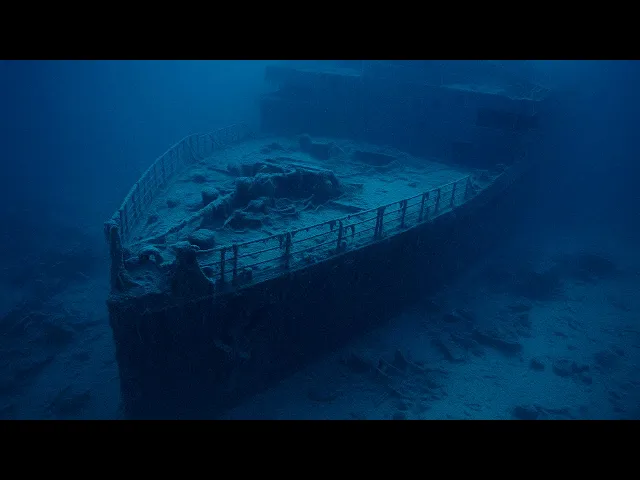
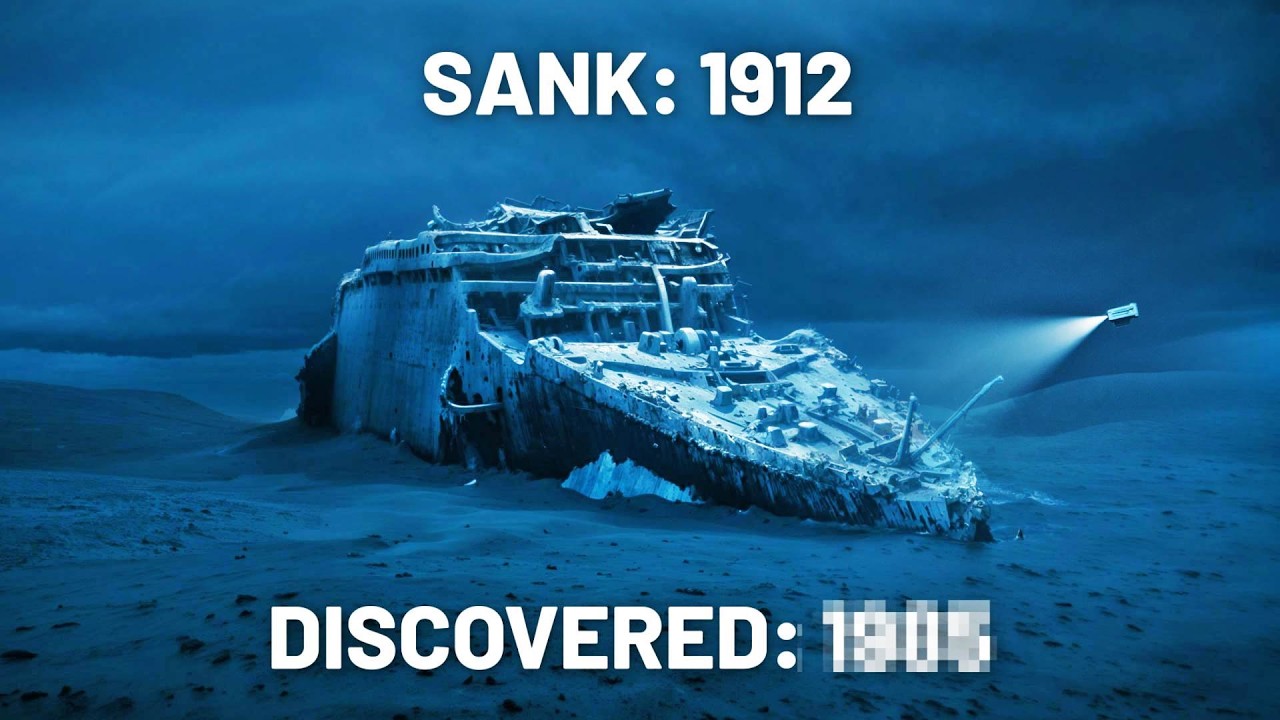
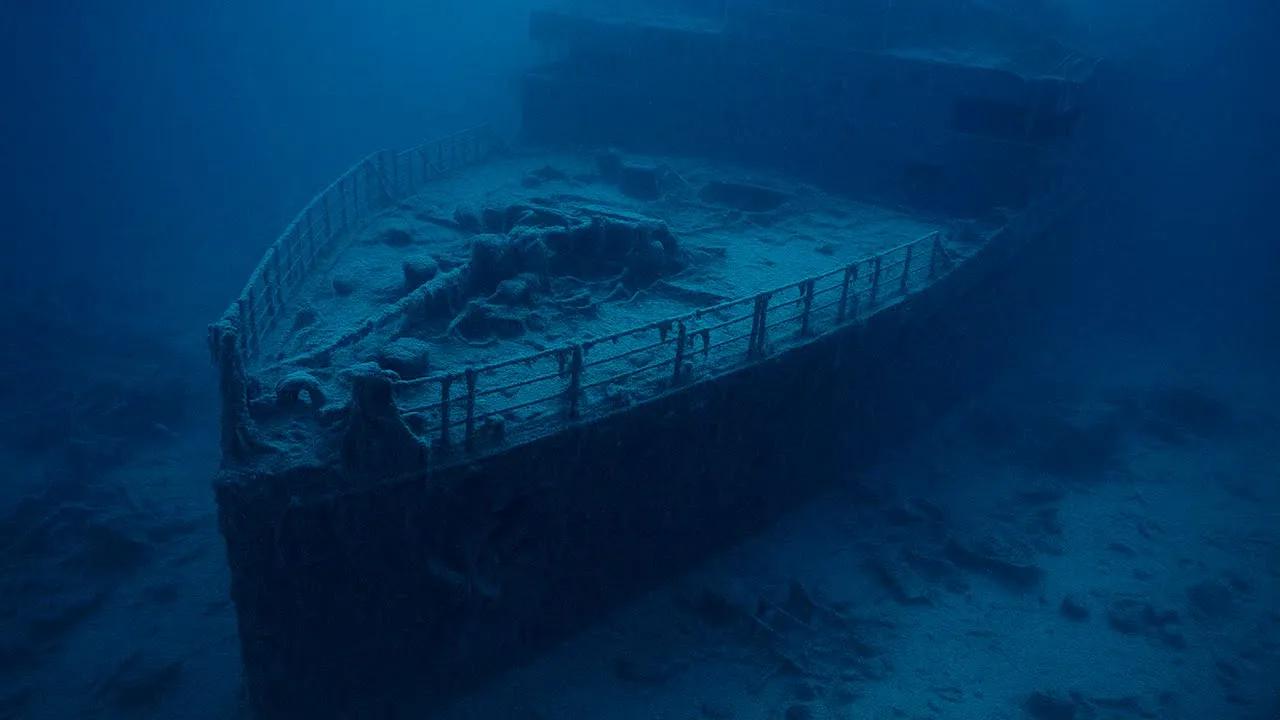
The wreckage on the ocean floor remained undetected for decades until 1985. That's when a team of scientists led by oceanographer Robert Ballard managed to locate the world's most famous shipwreck some 3,800 meters below the surface of the North Atlantic. In September of that year, Robert wanted to experiment with robotic submarines, a new type of technology that would be used to search for sunken ships and submarines.
Future expeditions discovered that the Titanic was not just decomposing - it had also broken into two pieces. A heavily damaged portion of the hull on the starboard side of the bow provided evidence that the collision with an iceberg was very violent. The discovery that the Titanic was in pieces made recovery impossible.
Still, news of the ship's condition didn't stop adventurous minds from finding ways to bring it back. Many people proposed inflating large balloons beneath the ship, which would help lift it to the surface. However, the problem was that the balloons had to be inflated in a pattern that made them rise at the correct speed.
This is because an extreme change in pressure would lead to the ship's total disintegration. Imagine you are at sea level. You feel the weight of the air above your head.
This value is equivalent to one atmosphere. But at sea, things change. For every 10 meters of water, this weight doubles.
And because the Titanic is 3800 meters deep, it is subject to 380 times the weight of the atmosphere. This, for so many years, left the carcass very fragile. The most successful operation took place in 1998, when a company managed to lift a 20-ton section of the hull by a few meters.
The team also brought back about 5,000 artifacts, including jewelry, toys, dishes and equipment. So far, rescue expeditions have been unable to recover anything larger than a slab of the hull that is now part of an exhibit. Additionally, oceanographers say the sea's harsh environment wreaked havoc on the ship's remains after more than a century below the surface.
The acidity of the salt water has been dissolving the vessel, compromising its integrity to the point that a large part of it will fall apart if it is moved. The microbes that caused rusty stalactites to grow across much of the Titanic also corroded and further weakened the structure. Inside, the situation is just as bad, with decks collapsing on all levels of the ship.
Passageways once accessible to robotic mini-submarines have been plugged and cabin compartments have deteriorated over time. And things are getting worse. In 2016, scientists discovered an extremophile organism that has been more aggressive in destroying what remains of the Titanic, leading some to conclude that the entire ship will be dissolved by 2030.
With salvage out of the question, other concerns have been raised about what to do with parts of the vessel that can still be recovered. Preservationists argue that the vessel's slow decomposition makes it crucial to recover objects that were part of this tragic chapter in human history. Others say that exhibitions and any other attempts at recovery seek nothing more than profit.
And there are some who insist that the Titanic should be treated like a tomb, and that the 1,500 souls should remain at the bottom of the sea. However, researchers have discovered no evidence of human remains after more than 200 dives. Sea creatures would have taken advantage because protein is scarce in the deep ocean, and bones dissolve due to water chemistry.
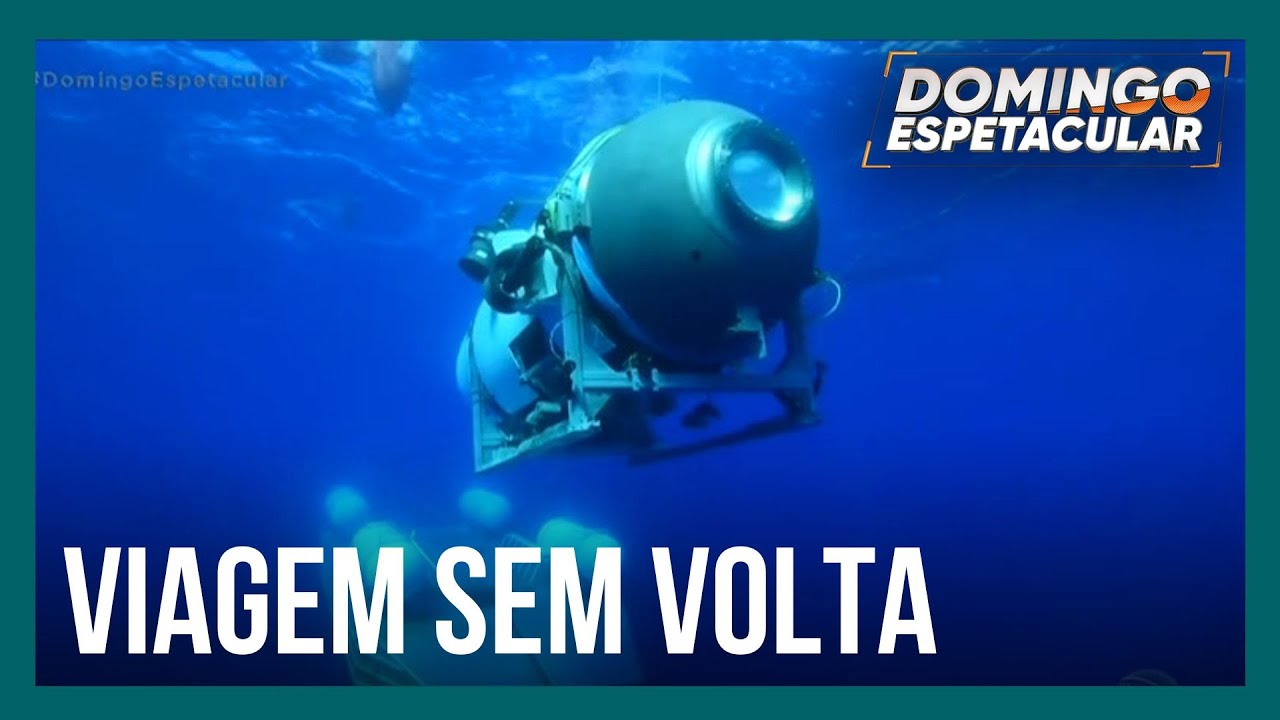
Other scientists suggest that there may still be remains in interior places, which are difficult to find. access and low oxygen concentration. Debates aside, before the Titanic finally disappears, one option is to see the wreckage for yourself through a shipping company if you have $100,000 to spend.
Do you think they should try to recover more parts of the ship, or should space be respected? Tell us in the comments. To the next!