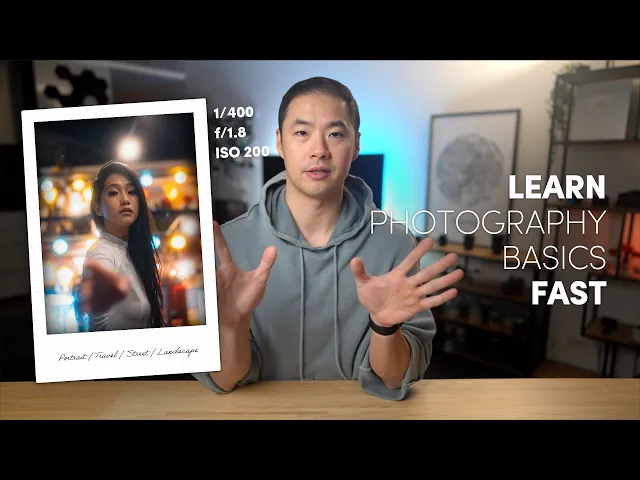
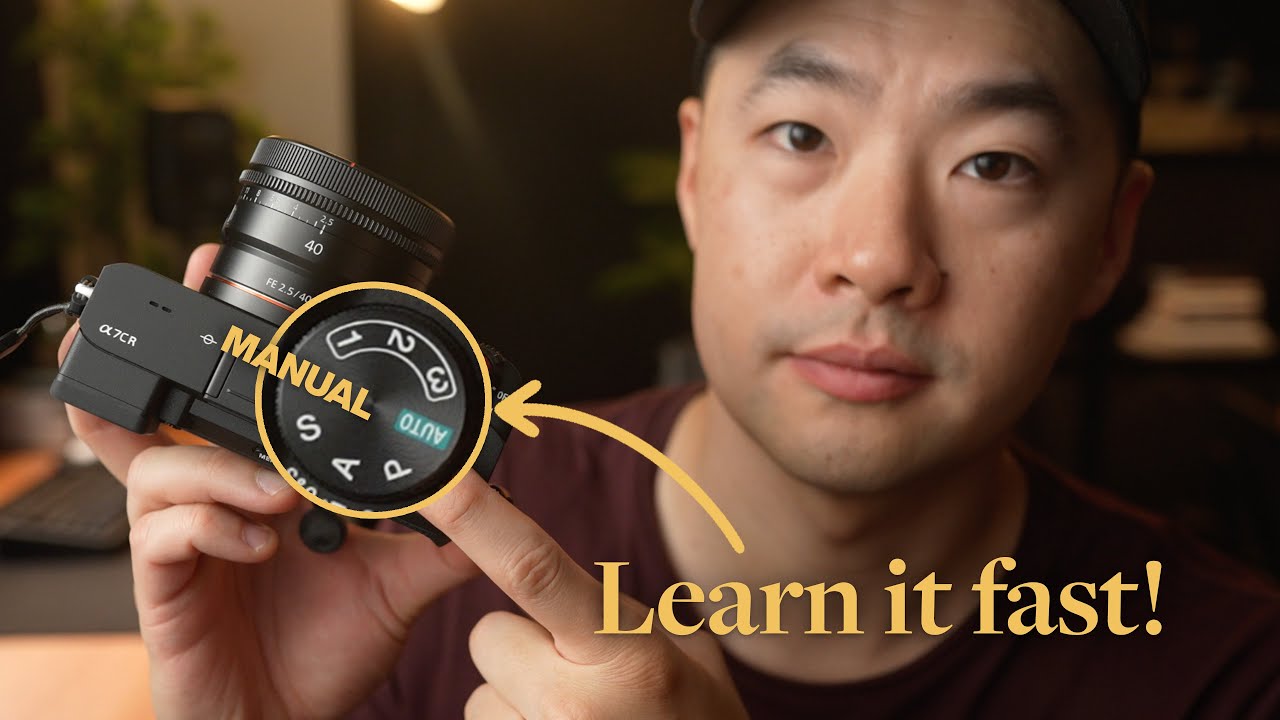
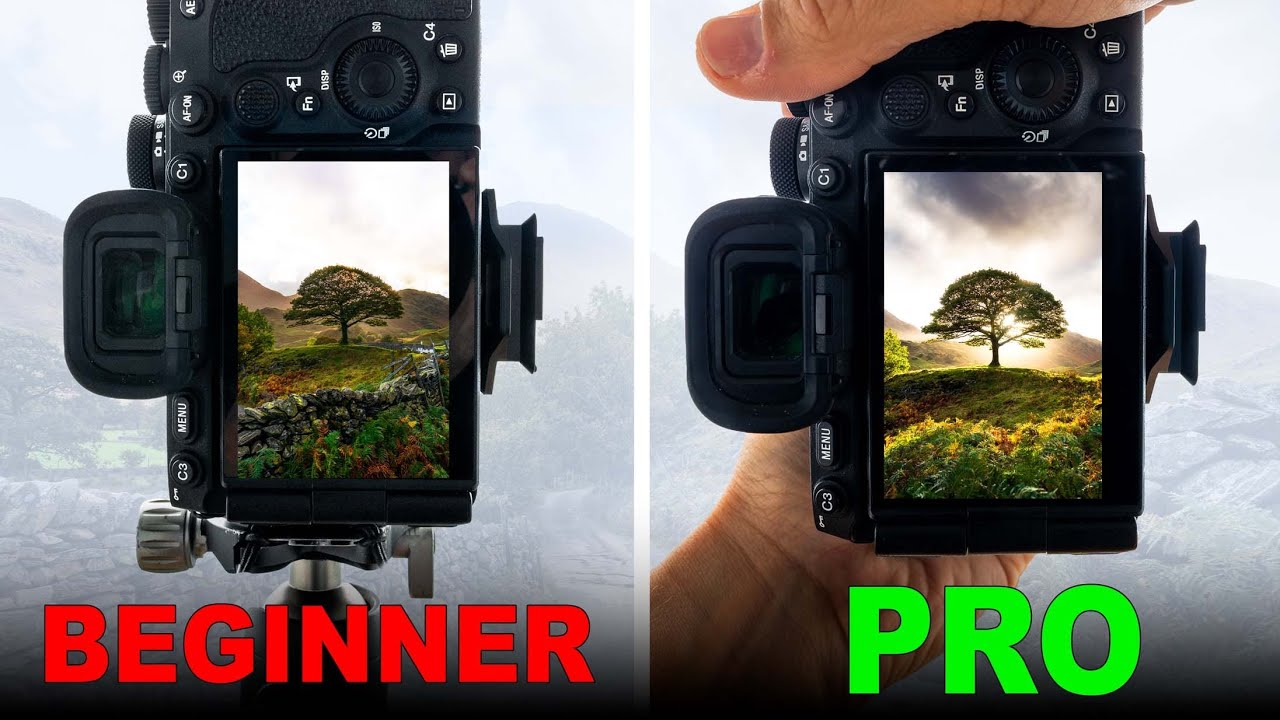
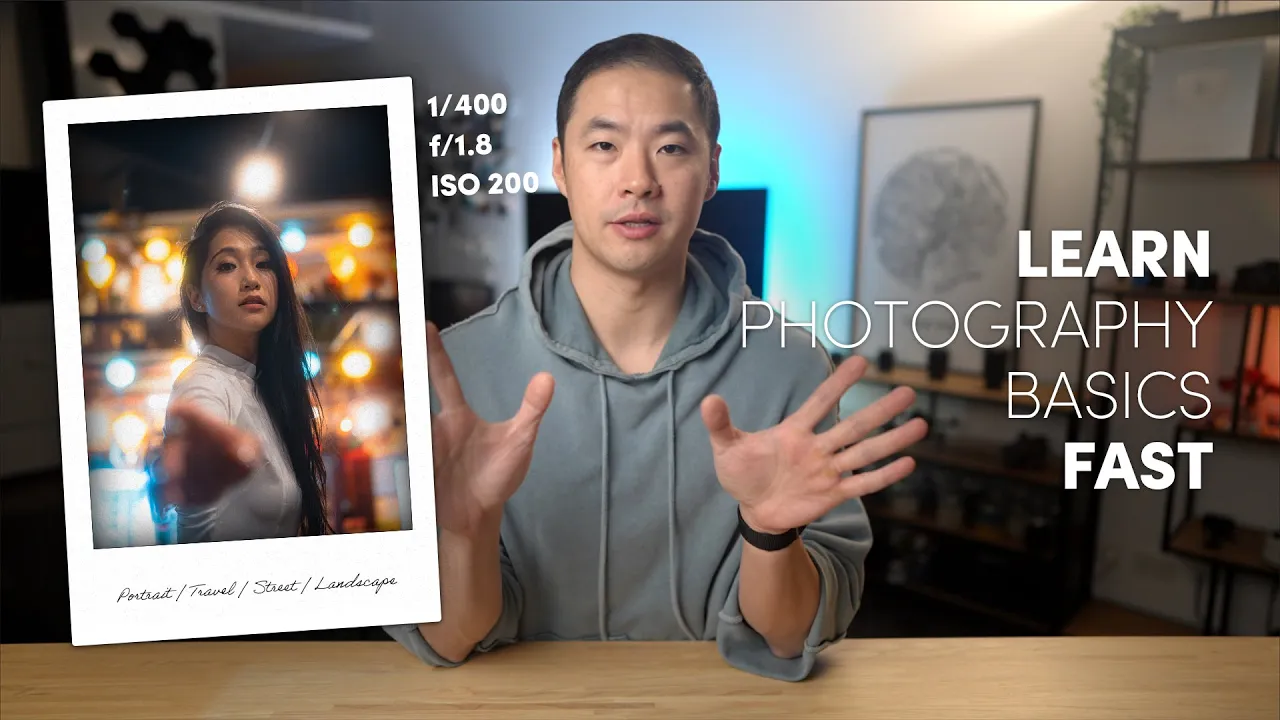
in this video I'm going to teach you 80 of the basics of Photography in just 10 minutes these are the technical principles of how to use your camera and hopefully by learning this you'll be inspired to dive into all the other wonderful skills about learning photography because there's so much to learn this video is the very first video on my new series called beginner's guide 2 which is a new series teaching creative skills for the new content creator and if you're a beginner photographer really wanting to Fast Track Your development when it comes to skills then check out my 30-day photography fundamentals course which I will leave a link to in the description box below so photography is all about the control and the management of light and we measure that light in what's called stops of light Now to control these stops of lightning no images we use a concept called the exposure triangle now the exposure triangle has three main components shutter speed aperture and ISO all three of these components have different different technical ways of changing how much light is in our image but they all share the same thing in common in that they all control stops of light that we have in our image so they share a common language now let's talk about the first component of the exposure triangle shutter speed and when we take a photo light comes through the end of the lens hits the shutter and then hits the sensor the shutter is the thing in front of the sensor that opens and allows the light to come through onto the sensor and then it closes making our exposure and the faster the shutter speed you have the faster that shutter opens and then closes and this means that less light is able to make its way onto the sensor because it's open for less time now the slower shutter speed you have the longer the shutter is open for and the more light is then able to make its way onto the sensor now creatively the way to think about shutter speed is to think about whether or not you want to freeze the action in your image or whether you want your image to be blurry to freeze the action which is going to be most of the time especially if you're shooting you know Street or portraits or sport or Wildlife Etc you want a faster shutter speed typically so you know one over 250 one over 400 one over 800 one over 1600 and so on when it comes to freezing the action there's no such thing as too fast of a shutter speed now if you have a tripod to rest your camera on then you might be doing night photography or Landscapes and you might use slower shutter speeds such as one second two seconds four seconds eight seconds or more now all of these denominations are actually One Stop of light difference between each other and for shutter speed this is how we talk about it in time one common mistake that people make when they first start out with photography is that they complain that their images just aren't sharp and most of the time that isn't because they don't have good gear you know most cameras are actually pretty good nowadays but actually it's because they don't have a fast enough shutter speed and they're introducing micro Jitters and therefore blur into their images check out this video I made here if you want to ensure that your images are absolutely tack sharp every single time the second component of the exposure triangle is called aperture the aperture refers to the size of the opening at the end of the lens the larger this Iris the more light comes through the smaller the RS the less light comes through for aperture we refer to stops of light that it produces as What's called f-stops the closer to 0 that number the larger the aperture will be the larger the number the smaller the aperture will be so common aperture stops look like f 1. 4 F2 F 2. 8 F4 F 5.
6 f8 f11 F16 and so on and for example lenses that have a maximum aperture of f01. 4 will have a very large aperture like this one now creatively aperture is most commonly associated with controlling What's called the depth of field simply put depth of field refers to how much of the image can be in Focus so large apertures like f 1. 4 will produce what's called a very shallow depth of field this means that the area of focus is quite thin or is quite shallow and it's typically used to draw your eye into the thing that's the most important thing in the composition while the rest of the image goes out of focus and this out of focus blur is commonly known as bokeh and many people find it to be very aesthetically pleasing these effects are very often found in a genres such as portrait or fashion photography now on the opposite end if you do Landscapes or architecture for example you'll probably want a much deeper depth of field so you would use smaller apertures such as F 5.
6 f8 f11 so that you can get everything in focus now depth of field can get really really detailed and complicated because it has many many other factors such as subject distance focal length and so on but this is definitely enough to get you started just remember if you want less things in Focus but more available light than a lower f-stop number like f 1.