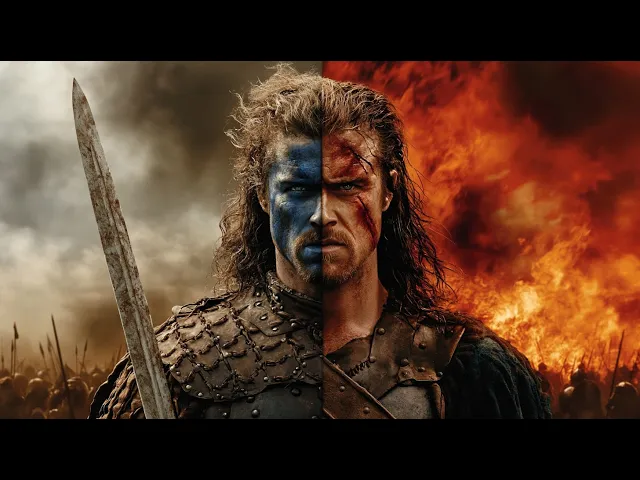
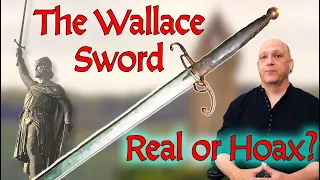
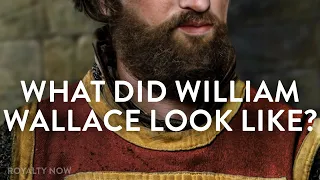
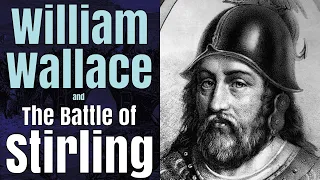
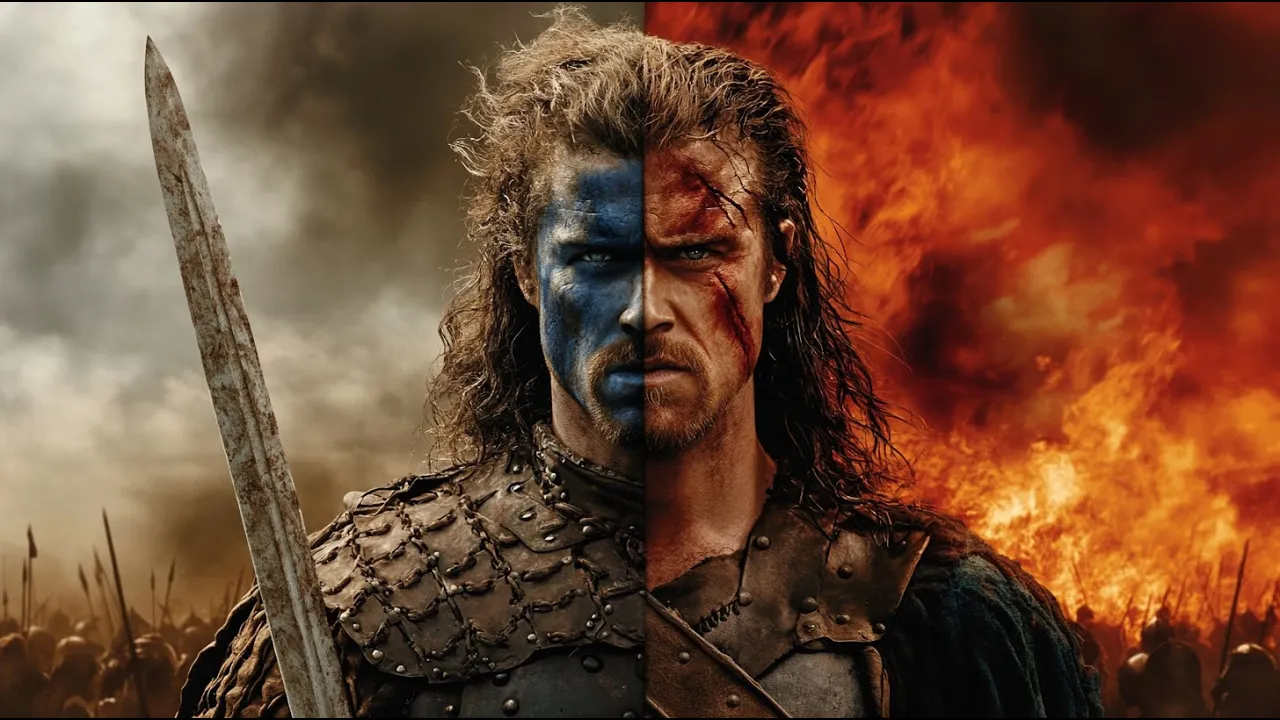
you may know William Wallace from the Epic movie Braveheart where he's portrayed as a Fearless Warrior leading a ragtag Army against English tyranny but what if I told you that the real story of William Wallace is even more dramatic and inspiring than the Hollywood version Wallis wasn't just a man with a sword he was a symbol of resistance a man whose Legacy endures to this day in this video we're going to uncover the true story behind the legend the rise the battles and the Betrayal that turned William Wallace into a martyr for Scottish Freedom enjoying
the Journey Through History make sure to hit that subscribe button and join our community of History enthusiasts don't forget to leave a comment below tell us what you think share your favorite historical insights or suggest a topic you'd love to see us explore the early life of William Wallace to understand William Wallace we first need to look at the world he was born into Wallace was likely born around 1270 during a time when Scotland was under constant threat from its powerful neighbor England King Alexander III of Scotland had maintained peace for years but his sudden
death in 1286 plunged the nation into chaos with no clear air to the throne Scotland became vulnerable to English interference historians believe that Wallace came from a minor Noble family unlike the movie depiction of him as a humble farmer Wallace was likely well educated and trained in combat his upbringing would have exposed him to the Brewing tensions between Scotland and England setting the stage for his future role as a leader Wallace's early life is shrouded in mystery but there are hints that he may have traveled abroad possibly to France where he could have gained further
education and Military experience this would explain his Advanced tactical knowledge which became evident in his later campaigns the spark of rebellion the Tipping Point came in 1296 when King Edward I of England known as Edward Longshanks invaded Scotland and claimed control over the kingdom the brutal occupation led to widespread resentment and pockets of resistance began to form it was during this time that Wallace emerged as a key figure in the fight for Freedom one of Wallace's first major acts of rebellion was the killing of the English Sheriff of lanarch in 1297 according to Legend this
act was in retaliation for the murder of Wallace's wife although historians debate the accuracy of this account regardless the killing of the sheriff marked Wallace as an outlaw and a leader of the growing resistance Wallace's band of rebels quickly grew in size attracting men from all walks of life Farmers minor Nobles and even former soldiers They carried out a series of successful raids against English garison disrupting supply lines and weakening the occupying forces the Battle of Sterling Bridge won Wallace's most famous Victory came at the Battle of Sterling bridge in September 1297 at this point
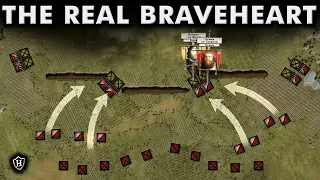
Wallace had gathered a significant force of Scottish Rebels the English army confident in their Superior numbers and training underestimated Wallace's tactical genius rather than engaging the English in open battle Wallace used the narrow Sterling bridge to his Advantage he waited until half of the English forces had crossed the bridge before launching a devastating attack effectively cutting the enemy Army in two the result was a decisive victory for the Scots and Wallace's reputation as a military leader was cemented the victory at Sterling Bridge was not just a military Triumph it was a symbolic one it showed
that a determined and well-led force could stand up to the might of England following this Victory Wallace was knighted and declared guardian of Scotland ruling in the name of the deposed King John balio Wallace's leadership and challenges as guardian of Scotland Wallace faced numerous challenges the country was still deeply divided with many Nobles hesitant to fully support his cause Wallace's uncompromising stance on Independence earned him both admiration and enemies Wallace attempted to secure foreign alliances particularly with France in the hope of gaining support against England his efforts were partially successful as France did provide some
aid but it was not not enough to tip the balance of power the fall of Wallace Wallace's success was short-lived in 1298 Edward I personally led a massive Army into Scotland the two forces met at the Battle of faler where Wallace suffered a crushing defeat the English Army's use of long bowman proved devastating and Wallace was forced to retreat after ferk Wallace resigned as guardian of Scotland but continued to fight in a Guerilla style resistance against the English his status as a national hero grew but so did the danger he faced Wallace became a hunted
man with a price on his head despite the defeat at ferk Wallace's determination never wavered he continued to lead small bands of Fighters striking at English forces whenever possible his resilience inspired others to keep fighting even in the face of overwhelming odds betrayal and execution law in 1305 Wallace was betrayed by a fellow Scott Sir John de menth and handed over to the English he was taken to London where he was put on trial for treason Wallace famously declared that he could not be a traitor as he had never sworn allegiance to Edward despite his
defense Wallace was found guilty and sentenced to a gruesome execution on August 23rd 1305 he was hanged drawn and quartered a brutal punishment meant to serve as a warning to others yet rather than quelling the Scottish Spirit Wallace's death only fueled the Fight For Freedom Wallace's execution was carried out with maximum brutality his body was dismembered with parts sent to different cities across England as a grim warning however this act of Cruelty backfired as it only strengthened the resolve of the Scottish people the legacy of William Wallace Wallace's martyrdom inspired future generations of Scots just
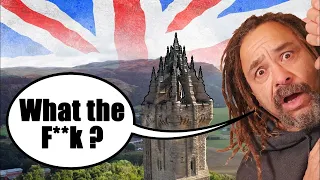
N9 years after his death Robert the Bruce LED Scotland to victory at the Battle of Panic burn securing the nation's Independence Wallace's story became a symbol of defiance against oppression not just in Scotland but around the world today Wallace is remembered as a national hero the Wallace monument erected in his honor near Sterling stands as a testament to his enduring Legacy his life though short left an indelible mark on History Wallace's influence extends Beyond Scotland his story has been embraced by those fighting for freedom and Justice worldwide the image of a man standing up against
a powerful oppressor resonates with people across cultures and eras the myth versus the reality while Braveheart brought William Wallace's story to a global audience it also took significant liberties with historical accuracy the real Wallace didn't wear a kilt Kilts wouldn't become common in Scotland until centuries later and while the film portrays Wallace as a romantic hero the real man was likely far more pragmatic focused on the harsh realities of war and survival yet the core of the legend remains true Wallace was a man who stood up against impossible odds who fought for a cause greater
than himself and who inspired a nation to rise against tyranny his story serves as a reminder that even in the darkest times one person's courage can make a difference Wallace's Legacy is not just one of War but of Hope the hope that freedom is worth fighting for no matter the cost the road to Scottish independence the fight for Scotland's Independence did not end with Wallace's death his sacrifice inspired a new wave of resistance led by Robert the Bruce a Scottish Noble who initially wavered in his Allegiance But ultimately committed fully to the cause in 1306
Robert the Bruce declared himself king of Scots launching a renewed campaign against English domination despite early setbacks Bruce proved to be a formidable strategist and leader he adopted Guerilla Warfare tactics similar to Wallace's striking English forces in Surprise attacks and retreating into the rugged Scottish Countryside over time he gained the support of the Scottish Clans uniting the country in its struggle for Freedom the defining moment came in 1314 at the Battle of bagburn Bruce's Army though outnumbered defeated the English in a decisive victory that solidified his claim to the throne and secured Scotland's deao Independence
however it wasn't until the signing of the Treaty of Edinburgh Northampton in 1328 that Scotland's Independence was officially recognized by England Robert the Bruce's role in achieving Independence cannot be overstated while Wallace ignited the flame of rebellion it was Bruce who carried it Forward leading Scotland to Victory and ensuring the nation's Freedom together there stories form the Cornerstone of Scottish identity and the enduring fight for self-determination Wallace's and Bruce's struggle shaped the history of Scotland but what happened in the centuries that followed how did Scotland's relationship with England evolve and what leges of this fight
remain today join us in our next video where we explore the lasting impact of the wars of Scottish independence and the path Scotland took in the years to come and if you know someone who would love diving into the past share this video with them let's uncover history together