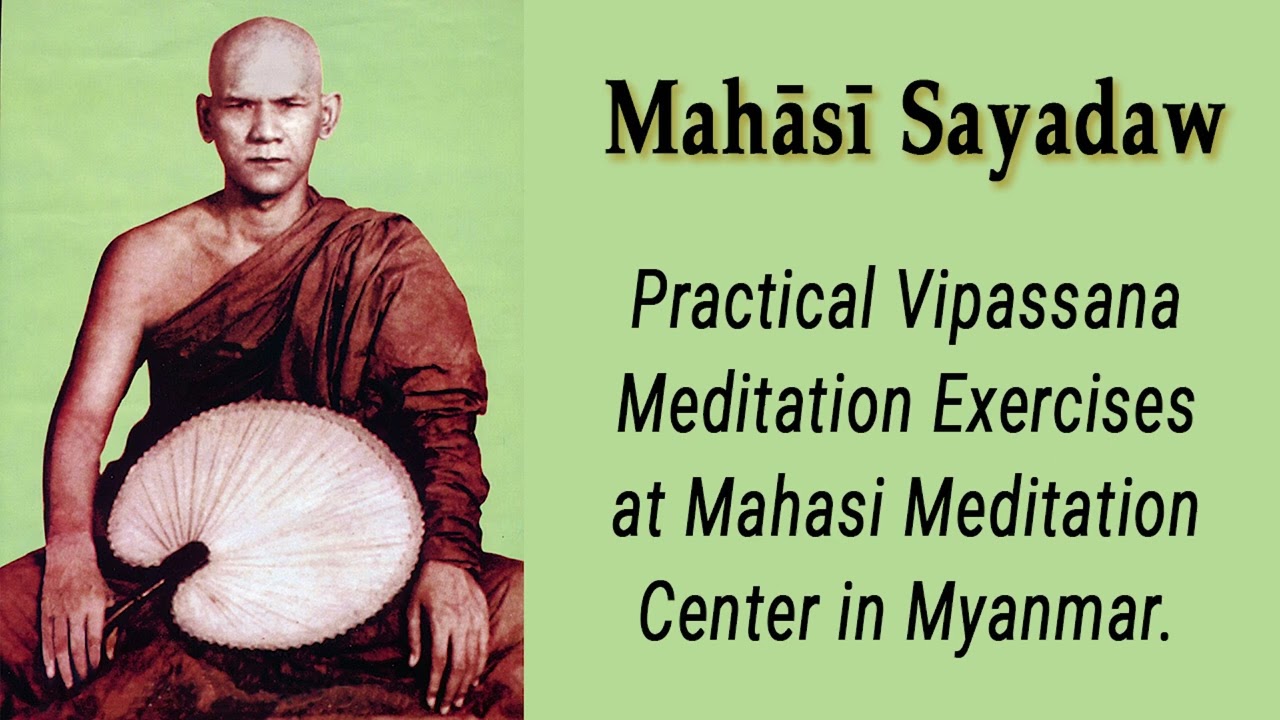
This is audio buddha audio buddha presents practical insight meditation basic and progressive stages by venerable mahasi sayadaw buddhist publication society preface it is a truism that nobody likes suffering and everybody seeks happiness in this world of ours human beings make all possible efforts to prevent and Alleviate suffering and to enjoy happiness nevertheless their efforts are mainly directed to obtaining their physical well-being by material means happiness however is conditioned by attitudes of mind and yet only a few persons give real thought to mental development while fewer still practice mind training in earnest to illustrate this point
attention may be drawn to the commonplace habits of Cleaning tidying up one's body the endless pursuits of food clothing and shelter and the tremendous technological progress achieved to raise the material standard of living to improve the means of transportation and communication and to prevent and cure diseases and ailments all these strivings are in the main concerned with the care and nourishment of the body and it must be recognized that they are essential However these human efforts and achievements cannot possibly alleviate or eradicate the suffering associated with old age and death domestic infelicity and economic troubles
in short with non-satisfaction of wants and desires suffering of this nature cannot be overcome by material means it can be overcome only by mind training and mental development it thus becomes clear that the right way Must be sought to train stabilize and purify the mind this way is found in the mahasada path a well-known discourse of the buddha delivered well over 2500 years ago the buddha declared thus having myself undergone a most intensive practical course of satopathena meditation under the personal guidance of the most venerable mingun jethawan sayadaw of the tongue i have imparted the
technique of meditation ever since 1938 and gave Personal instruction as well as guidance through books and lectures to several thousands of yogi's in compliance with the requests of those of the earlier batches who had benefited by my personal instructions i wrote a treatise on vipassana or insight meditation in two volumes consisting of seven chapters running to 858 pages the treatise was completed in the year 1944 and has been published in seven editions In all the chapters except chapter five the dissertations and discussions are made with references to paulie suttas commentaries and sub commentaries in chapter
five i chose to write in common language for easy understanding by my pupils to explain how they should begin insight meditation and then proceed step by step stating fully the salient features in line with the visumaga and other texts this present book is the english Translation of chapter five the first fourteen pages of the burmese original were translated into english in 1954 by upe thin an old pupil of mine for the benefit of those who came from abroad to our meditation center pages 15 to 51 of the burmese original were translated into english in compliance
with the wish of the venerable nyan aponica mahathera by mayanang yutin a disciple and dayaka of mine vice president of buddha sasana Nagaha organization which founded the thana yita in 1947 and has ever since been responsible for its management incidentally it may be mentioned that the area of our meditation center the thanayikta is nearly 24 acres with over 50 buildings to house the meditation teachers and yogis monks as well as lay people both men and women the venerable nyan aponica mahathera put this translation into final literary shape after we confirmed his valuable Suggestions upe thin's
translation was revised by miss mary mccullum an american buddhist lady to improve the style she practiced satapathena meditation under the guidance of anagarika menindra at the burmese vihara in bodhgaya bihar india anagarika menindra stayed with us for a considerable period he sent her revision to us for perusal and approval When done it was forwarded to the venerable niaponica this book is therefore the coordination and combined publication of the aforesaid two translations with my preface added chapter five of my burmese treatise as mentioned earlier was written in common linguistic style i should like to say here
that the doctrinal terms found in this book without poly names are fully explained In the progress of insight translated from my poly treatise into english by the venerable nayanaponica mahathera his book the heart of buddhist meditation itself is a veritable mind of information and instruction on this subject of vital importance in conclusion i would like to say that i deeply appreciate the services of those who have done the translations and revisions as well as of those who are responsible for the publication of this Book i urge the readers of this book not to be content
with the theoretical knowledge contained therein but to apply that knowledge to systematic and sustained practice i also express my earnest wish that they may gain insight soon and enjoy all the benefits vouch saved by the buddha in the preamble of the mahasada pathana october 1st 1970 the thanayiktha rangoon burma Mahasi sayadaw part 1 basic practice preparatory stage if you sincerely desire to develop contemplation and attain insight in your present life you must give up worldly thoughts and actions during training this course of action is for the purification of conduct the essential preliminary step towards the
proper development of contemplation You must also observe the rules of discipline prescribed for laymen or for monks as the case may be for they are important in gaining insight for lay folk these rules comprise the eight precepts which buddhist devotees observe on holidays and during periods of meditation an additional rule is not to speak with contempt ingest or out of malice to or about any of the noble ones who have attained states of sanctity If you have done so then personally apologize to him or her or make the apology through your meditation instructor if in
the past you have spoken contemptuously to a noble one who is presently unavailable or deceased confess this offense to your meditation instructor or introspectively to yourself the old masters of the buddhist tradition suggest that you entrust Yourself to the enlightened one the buddha during the training period for you may be alarmed if it happens that your own state of mind produces unwholesome or frightening visions during contemplation also place yourself under the guidance of your meditation instructor for then he can talk to you frankly about your work in contemplation and give you the guidance he thinks
necessary these are the advantages of placing Trust in the enlightened one the buddha and practicing under the guidance of your instructor the aim of this practice and its greatest benefit is release from greed hatred and delusion which are the roots of all evil and suffering this intensive course in insight training can lead you to such release so work ardently with this end in view so that your training will be successfully completed This kind of training in contemplation based on the foundations of mindfulness has been taken by successive buddhists and noble ones who attained release you
are to be congratulated on having the opportunity to take the same kind of training they had undergone it is also important for you to begin your training with a brief contemplation on the for protections which the enlightened one the buddha offers you for reflection It is helpful for your psychological welfare at this stage to reflect on them the subjects of these four protective reflections are the buddha himself loving kindness the loathsome aspects of the body and death first devote yourself to the buddha by sincerely appreciating his nine chief qualities in this way truly the buddha
is holy fully enlightened perfect in knowledge and conduct a welfare world knower the incomparable leader of men to Be tamed teacher of gods and mankind the awakened and exalted one second reflect upon all sentient beings as the receivers of your loving kindness be fortified by your thoughts of loving kindness and identify yourself with sentient beings without distinction thus may i be free from enmity disease and grief as i am so also may my parents preceptors teachers and intimate indifferent and inimical beings be free From enmity disease and grief may they be released from suffering third
reflect upon the repulsive nature of the body to assist you in diminishing the unwholesome attachment that so many people have for the body dwell upon some of its impurities such as stomach intestines phlegm pus blood ponder these impurities so that the absurd fondness for the body may be eliminated the fourth protection for your Psychological benefit is to reflect on the phenomenon of ever approaching death buddhist teaching stress that life is uncertain but death is certain life is precarious but death is sure life has death as its goal there is birth disease suffering old age and
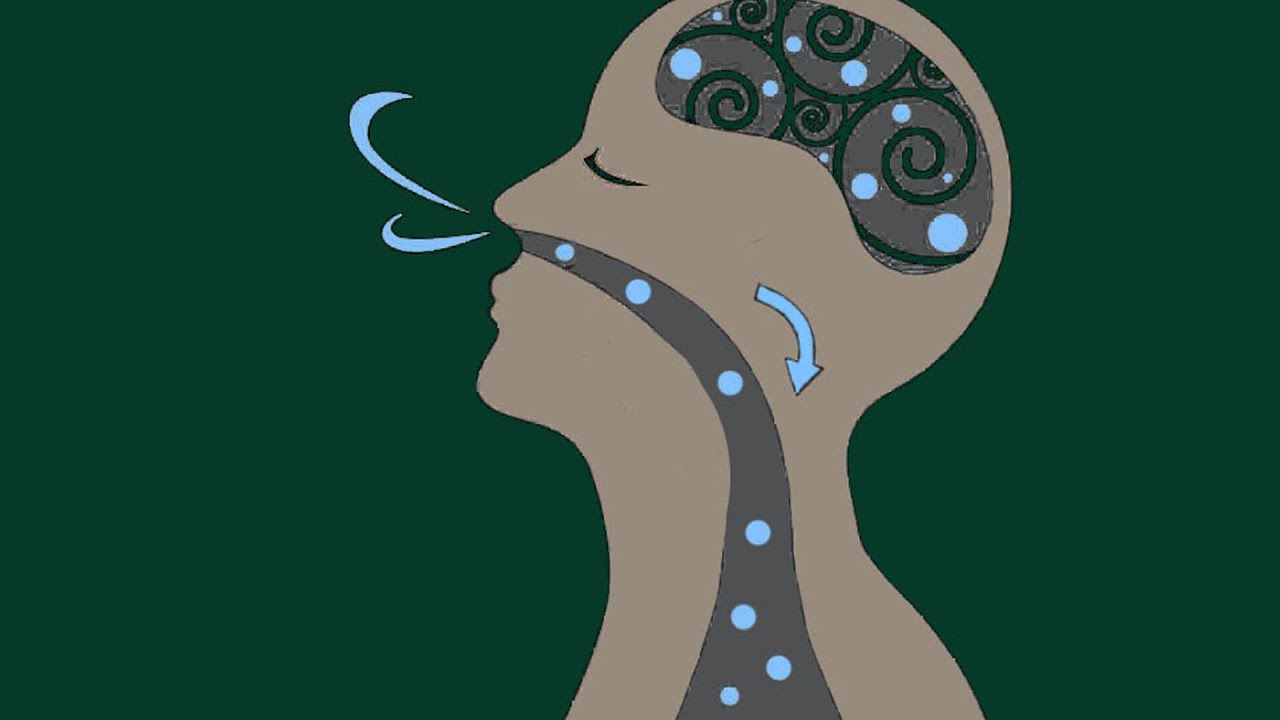
eventual death these are all aspects of the process of existence to begin training take the sitting posture with legs crossed You might feel more comfortable the legs are not interlocked but evenly placed on the ground without pressing one against the other if you find that sitting on the floor interferes with contemplation then sit in a more comfortable way now proceed with each exercise in contemplation as described basic exercise one try to keep your mind but not your eyes on the abdomen You will thereby come to know the movements of rising and falling in this region
if these movements are not clear to you in the beginning then place both hands on the abdomen to feel these rising and falling movements after a short time the upward movement of inhalation and the downward movement of exhalation will become clear then make a mental note rising for the upward movement falling for the downward Movement your mental note of each movement must be made while it occurs from this exercise you learn the actual manner of the upward and downward movements of the abdomen you are not concerned with the form of the abdomen what you actually
perceive is the bodily sensation of pressure caused by the heaving movement of the abdomen so do not dwell on the form of the Abdomen but proceed with the exercise for the beginner it is a very effective method of developing the faculties of attention concentration of mind and insight in contemplation practice increases the manner of movement will be clearer the ability to know each successive occurrence of the mental and physical processes at each of the six sense organs is acquired only when insight contemplation is fully developed Since you are a beginner whose attentiveness and power of
concentration are still weak you may find it difficult to keep the mind on each successive rising movement and falling movement as it occurs in view of this difficulty you may be inclined to think i just don't know how to keep my mind on each of these movements then simply remember that this is a learning process The rising and falling movements of the abdomen are always present and therefore there is no need to look for them actually it is easy for a beginner to keep his or her mind on these two simple movements continue with this
exercise and full awareness of the abdomen's rising and falling movements never verbally repeat the words rising falling and do not think of rising and falling as words Be aware only of the actual process of the rising and falling movement of the abdomen avoid deep or rapid breathing for the purpose of making the abdominal movements more distinct because this procedure causes fatigue that interferes with the practice just be totally aware of the movements of rising and falling as they occur in the course of normal breathing basic exercise 2 While you are occupied with the exercise of
observing each of the abdominal movements other mental activities may occur between the noting of each rising and falling thoughts or other mental functions such as intentions ideas imaginings etc are likely to occur between each mental note of rising and falling they cannot be disregarded a mental note must be made of each as it occurs If you imagine something you must know that you have done so and make a mental note imagining if you simply think of something mentally no thinking if you reflect reflecting if you intend to do something intending when the mind wanders from
the object of meditation which is the rising falling of the abdomen mentally note wandering should you imagine you're going to a certain place mentally note going When you arrive arriving when in your thoughts you meet a person note meeting should you speak to him or her speaking if you imaginatively argue with that person arguing if you envision and imagine a light or color be sure to note seeing a mental vision must be noted on each occurrence of its appearance until it passes away after its disappearance continue with The basic exercise i by knowing by being
fully aware of each movement of the rising and falling abdomen proceed carefully without slackening if you intend to swallow saliva while thus engaged make a mental note intending while in the act of swallowing swallowing if you intend to spit spitting then return to the exercise of rising and falling Suppose you intend to bend the neck intending in the act of bending bending when you intend to straighten the neck intending in the act of straightening the neck straightening the neck movements of bending and straightening must be done slowly after mentally making a note of each of
these actions proceed in full awareness with noticing the movements of the Rising falling abdomen basic exercise three since you must continue contemplating for a long time while in one position that of sitting or lying down you are likely to experience an intense feeling of fatigue stiffness in the body or in the arms and legs should this happen simply keep the knowing mind on that part of the body where such feeling occurs and carry on the contemplation noting tired or stiff Do this naturally that is neither too fast nor too slow these feelings gradually become fainter
and finally cease altogether should one of these feelings become more intense until the bodily fatigue or stiffness of joints is unbearable then change your position however do not forget to make a mental note of intending before you proceed to change position each detailed movement must be Contemplated in its respective order if you intend to lift the hand or leg make a mental note intending in the act of lifting the hand or leg lifting stretching either the hand or leg stretching when you bend bending when putting down putting should either the hand or leg touch touching
perform all these actions in a slow Deliberate manner as soon as you are settled in the new position continue with the contemplation of the abdominal movements if you become uncomfortably warm in the new position resume contemplation in another position keeping to the procedure as described in this paragraph should an itching sensation be felt in any part of the body keep the mind on that part and make a mental note itching do this in a regulated manner neither Too fast nor too slow when the itching sensation disappears in the course of full awareness continue with the
exercise of noticing the rising falling of the abdomen should the itching continue and become too strong you intend to rub the itching part be sure to make a mental note intending slowly lift the hand simultaneously noting the action of lifting and touching when the hand touches the part That itches rub slowly in complete awareness of rubbing when the itching sensation has disappeared and you intend to discontinue the rubbing be mindful by making the usual mental note of intending slowly withdraw the hand concurrently making a mental note of the action withdrawing when the hand rests in
its usual place touching the leg touching Then again devote yourself to observing the abdominal movements if there is pain or discomfort keep the knowing mind on that part of the body where the sensation arises make mental note of the specific sensation as it occurs such as painful aching pressing piercing tired giddy it must be stressed that the mental note must not be forced nor delayed but made in a calm and natural manner the pain may eventually cease or Increase do not be alarmed if it increases firmly continue the contemplation if you do so you will
find that the pain will almost always cease but if after a time the pain has increased and becomes unbearable you must ignore the pain and continue with the contemplation of rising and falling as you progress in mindfulness you may experience sensations of intense pain stifling or choking sensations pain such As from the slash of a knife the thrust of a sharp pointed instrument unpleasant sensations of being pricked by sharp needles or of small insects crawling over the body you might experience sensations of itching biting intense cold as soon as you discontinue the contemplation you may
also feel that these painful sensations cease when you resume contemplation you will feel them again as soon as you gain in Mindfulness these painful sensations are not to be considered as something serious they are not manifestations of disease but are common factors always present in the body and are usually obscured and the mind is normally occupied with more conspicuous objects when the mental faculties become keener you are more aware of these sensations with the continued development of contemplation the time will come when You can overcome them and they cease altogether if you continue contemplation firm
and purpose you will not come to any harm should you lose courage become a resolute in contemplation and discontinue for a time you may encounter these unpleasant sensations again and again as your contemplation proceeds if you continue with determination you will most likely overcome these painful sensations and may never again Experience them in the course of contemplation should you intend to sway the body then knowingly note intending while in the act of swaying swaying when contemplating you may occasionally discover the body swaying back and forth do not be alarmed neither be pleased nor wish to
continue to sway the swaying will cease if you keep the knowing mind on the action of swaying and continue to note swaying until the Action ceases if swain increases in spite of your making a mental note of it then lean against a wall or post or lie down for a while thereafter proceed with contemplation follow the same procedure if you find yourself shaking or trembling when contemplation is developed you may sometimes feel a thrill or chill pass through the back or the entire body This is a symptom of the feeling of intense interest enthusiasm or
rapture it occurs naturally in the course of good contemplation when your mind is fixed in contemplation you may be startled at the slightest sound this takes place because you feel more intensely the effect of sensorial impression all in the state of good concentration if you are thirsty while contemplating Notice the feeling thirsty when you intend to stand intending then make a mental note of each movement in preparation for standing keep the mind intently on the act of standing up and mentally note standing when you look forward after standing up straight note looking seeing should you
intend to walk forward intending when you begin to step forward mentally note each step as walking walking or Left right it is important for you to be aware of every moment in each step from beginning to end when you walk adhere to the same procedure when strolling or when taking a walking exercise try to make a mental note of each step in two sections as follows lifting putting lifting pudding when you have obtained sufficient practice in this manner of walking then try to make a mental note of each step In three sections lifting pushing putting
or up forward down when you look at the water tap or water pot on arriving at the place where you are to take a drink be sure to make a mental note looking seeing when you stop walking stopping when you stretch the hand stretching when the hand touches the cup touching when the hand takes the cup taking when the hand dips the cup into the water dipping When the hand brings the cup to the lips bringing when the cup touches the lips touching should you feel cold at the touch cold when you swallow swallowing when
returning the cup returning withdrawing the hand withdrawing when you lower your hand lowering when the hand touches the side of the body touching if you intend to turn back intending when you turn around turning When you walk forward walking on arriving at the place where you intend to stop intending when you stop stopping if you remain standing for some time continue the contemplation of rising and falling but if you intend to sit down intending when you go forward to sit down walking on arriving at the place where you will sit arriving When you turn to
sit turning while in the act of sitting sitting sit down slowly and keep the mind on the downward movement of the body you must notice every movement in bringing hands and legs into position then resume the prescribed exercise of contemplating the abdominal movements should you intend to lie down intending then proceed with the contemplation of every movement in the course of lying down lifting stretching leaving touching Lying then make every movement the object of contemplation in bringing hands legs and body into position perform these actions slowly thereafter continue with rising and falling should pain fatigue
itching or any other sensation be felt be sure to notice each of these sensations notice all feelings thoughts ideas considerations reflections all movements Of hands legs arms and body if there is nothing in particular to note put the mind on the rising and falling of the abdomen make a mental note of drowsy when drowsy and sleepy when sleepy after you have gained sufficient concentration and contemplating you will be able to overcome drowsiness and sleepiness and feel refreshed as a result take up again the usual contemptation of The basic object suppose you are unable to overcome
a drowsy feeling you must then continue to contemplate until you fall asleep the state of sleep is the continuity of subconsciousness it is similar to the first state of rebirth consciousness and the last state of consciousness at the moment of death this state of consciousness is feeble and therefore unable to be aware of an object When you are awake the continuity of subconsciousness occurs regularly between moments of seeing hearing tasting smelling touching and thinking because these occurrences are of brief duration they are usually not clear and therefore not noticeable continuity of subconsciousness remains during sleep
of fact which becomes obvious and you wake up for it is in the state of wakefulness that thoughts and objects become distinct Contemplation should start at the moment you wake up since you are a beginner it may not yet be possible for you to start contemplating at the very first moment of wakefulness but you should start with it from the moment when you remember that you are to contemplate for example if on awakening you reflect on something you should become aware of that fact and begin your contemplation By a mental note reflecting then proceed with
the contemplation of rising and falling when getting up from the bed mindfulness should be directed to every detail of the body's activity each movement of the hands legs and back must be performed in complete awareness are you thinking of the time of the day when awakening if so note thinking do you intend to get out of bed If so note intending if you prepare to move the body into position for rising no preparing as you slowly rise rising when you are in the sitting position sitting should you remain sitting for any length of time revert
to contemplating the abdominal movements of rising and falling perform the acts of washing the face or taking a bath in due order and in Complete awareness of every detailed movement for instance looking seeing stretching holding touching feeling cold rubbing in the acts of dressing making the bed opening closing doors and windows handling objects be occupied with every detail of these actions in their order you must attend to the contemplation of every detail and the action of eating when you look at the food looking seeing when you arrange the food arranging When you bring the food
to the mouth bringing when you bend the neck forward bending when the food touches the mouth touching when placing the food in the mouth placing when the mouth closes closing when withdrawing the hand withdrawing should the hand touch the plate touching when straightening the neck straightening when in the act of chewing chewing When you are aware of the taste knowing when swallowing the food swallowing while swallowing should the food be felt touching the sides of the gullet touching perform contemplation in this manner each time you partake of a morsel of food until you finish the
meal in the beginning of the practice there will be many omissions never mind do not waver in your effort You will make fewer omissions if you persist in your practice when you reach an advanced stage of the practice you will also be able to notice more details than those stated here advancement in contemplation after having practiced for a day and night you may find your contemplation considerably improved and that you are able to prolong the basic exercise of noticing the abdominal rising and falling At this time you will notice that there is generally a break
between the movements of rising and falling if you are in the sitting posture fill in this pause with a mental note on the act of sitting in this way rising falling sitting when you make a mental note of sitting keep your mind on the erect position of the upper body when you are lying down you should proceed with full awareness as follows Rising falling lying if you find this easy continue with noticing these three sections should you notice that a pause occurs at the end of the rising as well as the falling movement then continue
in this manner rising sitting falling sitting or when lying down rising lying falling lying suppose you no longer find it easy to make a mental note of three or four objects in the above manner then revert To the initial procedure of noting only the two sections rising and falling while engaged in the regular practice of contemplating bodily movements you need not be concerned with objects of seeing and hearing as long as you are able to keep your mind on the abdominal movements of rising and falling it is assumed that the purpose of noticing the acts
and objects of seeing and hearing is also served However you may intentionally look at an object then simultaneously make a mental note two or three times seeing thereafter return to the awareness of the abdominal movements suppose some person comes into your view make a mental note of seeing two or three times and then resume attention to the rising falling movements of the abdomen did you happen to hear the sound of a voice Did you listen to it if so make the mental note of hearing listening and having done so revert to rising and falling but
suppose you heard loud sounds such as the barking of dogs loud talking or singing if so immediately make a mental note two or three times hearing then return to your basic exercise of attending to rising falling if you fail to note and dismiss such Distinctive sights and sounds as they occur you may inadvertently fall into reflections about them instead of proceeding with intense attention to rising falling which may then become less distinct and clear it is by such weakened attention that mind defiling passions breed and multiply if such reflections do occur make two or three
mental notes reflecting and again take up the contemplation of rising and Falling if you forget to make a mental note of body leg or arm movements then mentally note forgetting and resume your usual contemplation of the abdominal movements you may feel at times that breathing is slow or that the rising and falling movements of the abdomen are not clearly perceived when this happens and you are in the sitting position simply carry on the attention to sitting touching if you are Lying down lying touching while contemplating touching your mind should not be kept on the same
part of the body but on different parts successively there are several places of touch and at least six or seven should be contemplated basic exercise four up to this point you have devoted quite some time to the training course you might begin to feel lazy after Deciding that you have made inadequate progress by no means should you give up simply note the fact lazy before you gain sufficient strength in attention concentration and insight you may doubt the correctness or usefulness of this method of training in such a case turn to contemplation of the thought doubtful
do you anticipate or wish for good results If so make such thoughts the subject of your contemplation anticipating or wishing are you attempting to recall the manner in which this training was conducted up to this point yes then take up contemplation on recollecting are there occasions when you examine the object of contemplation to determine whether it is mind or matter If so then be aware of examining do you regret that there is no improvement in your contemplation if so then attend to that feeling of regret conversely are you happy that your contemplation is improving if
you are then contemplate the feeling of being happy this is the way in which you make a mental note of every item of mental behavior as it occurs and if there are No intervening thoughts or perceptions to note you should revert to the contemplation of rising and falling during a strict course of meditation the time of practice is from the first moment you wake up until you fall asleep to repeat you must be constantly occupied either with the basic exercise or with mindful attention throughout the day and during those night hours when you are not
asleep there must be no relaxation Upon reaching a certain stage of progress in contemplation you will not feel sleepy in spite of these prolonged hours of practice on the contrary you will be able to continue the contemplation day and night summary it has been emphasized during this brief outline of the training that you must contemplate on each mental occurrence good or bad on each bodily movement large or small on every sensation bodily Or mental feeling pleasant or unpleasant and so on if during the course of training occasions arise when there is nothing special to contemplate
upon be fully occupied with attention to the rising falling of the abdomen when you have to attend to any kind of activity that necessitates walking then in complete awareness each step should be briefly noted as walking walking or left right But when you are taking a walking exercise contemplate each step in three sections up forward down the student who thus dedicates himself to the training day and night will be able in not too long a time to develop concentration to the initial stage of the fourth degree of insight knowledge of arising passing away and onward
to higher stages of insight meditation part 2 Progressive practice the stages of insight analytical knowledge of body and mind when as mentioned above by dint of diligent practice mindfulness and concentration have improved the meditator will notice the pairwise occurrence of an object in the knowing of it such as the rising and awareness of it the falling and awareness of it sitting in awareness of it Bending an awareness of it stretching an awareness of it lifting an awareness of it putting down an awareness of it through concentrated attention mindfulness he knows how to distinguish each bodily
and mental process the rising movement is one process the knowing of it is another the falling is one process the knowing of it is another he realizes that each act of knowing has The nature of going towards an object such a realization refers to the characteristic function of the mind as inclining towards an object or cognizing an object one should know that the more clearly a material object is noticed the clearer becomes the mental process of knowing it this fact is stated in the visuri maga for in proportion as materiality becomes quite definite disentangled and
quite Clear to him so the immaterial states that have that materiality as their object become plain of themselves too the path of purification 18. when the meditator comes to know the difference between a bodily process and a mental process should he be a simple person he would reflect from direct experience thus there is the rising and knowing it the falling and knowing it and so on and so forth There is nothing else besides them the words a man or a woman refer to the same process there is no person or soul should he be a
well informed person he would reflect from direct knowledge of the difference between a material process as object and a mental process of knowing it thus it is true that there are only body and mind besides them there are no such entities as man or woman while contemplating one notices a Material process as object in a mental process of knowing it and it is to that pair alone that the terms of conventional usage being person or soul man or woman refer but apart from that dual process there is no separate person or being i or another
man or woman when such reflections occur the meditator must note reflecting reflecting and go on observing the rising of the abdomen it's Falling etc knowledge by discerning conditionality with further progress in meditation the conscious state of an intention is evident before a bodily movement occurs the meditator first notices that intention though also at the start of his practice he does notice intending intending for instance to bend an arm yet he cannot notice that state of consciousness distinctly Now at this more advanced stage he clearly notices the consciousness consisting of the intention to bend so he
notices first the conscious state of an intention to make a bodily movement then he notices the particular bodily movement at the beginning because of a mission to notice an intention he thinks that bodily movement is quicker than the mind knowing it now at this advanced stage mind appears To be the forerunner the meditator readily notices the intention of bending stretching sitting standing going and so on he also clearly notices the actual bending stretching etc so he realizes the fact that mind knowing a bodily process is quicker than the material process he experiences directly that a
bodily process takes place after a preceding intention Again he knows from direct experience that the intensity of heat or cold increases while he is noticing hot hot or cold cold in contemplating regular and spontaneous bodily movements such as the rising falling of the abdomen he notices one after another continuously he also notices the arising in his mind of mental images such as the buddha an arahant as well as any kind of sensation that Arises in his body such as itch ache heat with attention directed on the particular spot where the sensation occurs one sensation has
hardly disappeared then another arises and he notices them all accordingly while noticing every object as it arises he is aware that a mental process of knowing depends on an object sometimes the rising and falling of the abdomen is so faint that he finds Nothing to notice then it occurs to him that there can be no knowing without an object when no noticing of the rising and falling is possible one should be aware of sitting and touching or lying and touching touching is to be noticed alternatively for example after noticing sitting notice the touch sensation at
several places again in noticing seeing hearing and so On the meditator comes to know clearly that seeing arises from the contact of eye and visual object hearing arises from the contact of ear and sound and so on further he reflects material processes of bending stretching and so on follow mental processes of intending to bend stretch and so forth he goes on to reflect one's body becomes hot or cold because of the element of heat or cold The body exists on food and nourishment consciousness arises because there are objects to notice seeing arises through visual objects
hearing through sounds etc and also because there are the sense organs ear etc as conditioning factors intention and noticing result from previous experiences feelings sensations of all kinds are the consequences of previous comma in the sense that material processes and mental processes Take place ever since birth because of previous comma there is nobody to create this body in mind and all that happens has causal factors such reflections come to the meditator while he is noticing any object as it arises he does not stop doing so to take time to reflect while noticing objects as they
arise these reflections are so quick that they Appear to be automatic the meditator then must note reflecting reflecting recognizing recognizing and continue noticing objects as usual after having reflected that the material processes and mental processes being noticed are conditioned by the previous processes of the same nature the meditator reflects further that body and mind in the former existences were conditioned by the preceding causes That in the following existences body and mind will result from the same causes and apart from this dual process there is no separate being or person there are only causes and effects
taking place such reflections must also be noticed and then contemplation should go on as usual such reflection will be many in the case of persons with a strong intellectual Bent fewer in the case of those with no such bent be that as it may energetic noticing must be made of all these reflections noticing them will result in their reduction to a minimum allowing insight to progress unimpeded by an excess of such reflections it should be taken for granted that a minimum of reflections will suffice here when concentration is practiced in an intensive manner the meditator
may Experience almost unbearable sensations such as itching aches heat dullness and stiffness if mindful noticing is stopped such sensations will disappear when noticing is resumed they will reappear such sensations arise in consequence of the body's natural sensitivity and are not the symptoms of a disease if they are noticed with energetic concentration they fade away gradually Again the meditator sometimes sees images of all kinds as if seeing them with his own eyes for example the buddha comes into the scene in glorious radiance a procession of monks in the sky pagodas and images of the buddha meeting
with beloved ones trees or woods hills or mountains gardens buildings finding oneself face to face with bloated dead bodies or skeletons the destruction of buildings and Dissolution of human bodies swelling of one's body covered with blood falling into pieces and reduced to a mere skeleton seeing in one's body the entrails and vital organs and even germs seeing the denizens of the hells and heavens etc these are nothing but creatures of one's imagination sharpened by intense concentration they are similar to what one comes across in dreams They are not to be welcomed and enjoyed nor need
one be afraid of them these objects seen in the course of contemplation are not real they are mere images or imaginations whereas the mind that sees those objects is a reality but purely mental processes unconnected with five-fold sense impressions cannot easily be noticed with sufficient clarity in detail hence principal attention should be Given to sense objects which can be noticed easily and to those mental processes which arise in connection with sense perceptions so whatever object appears the meditator should notice it saying mentally seeing until it disappears it will either move away fade away or break
asunder at the outset this will take several noticings say about five to ten But when insight develops the object will disappear after a couple of noticings however if the meditator wishes to enjoy the site or to look closely into the matter or get scared of it then it is likely to linger on if the object is one induced deliberately then through delight it will last a long time so care must be taken not to think of or incline towards extraneous matters while One's concentration is good if such thoughts come in they must be instantly noticed
and dispelled in the case of some persons if while contemplating as usual they experience no extraordinary objects or feelings they become lazy they must notice this laziness thus lazy lazy until they overcome it at this stage whether or not the meditators come across extraordinary objects or feelings they know clearly The initial the intermediate and the final phases of every noticing at the beginning of the practice while noticing one object they had to switch onto a different object that arose but they did not notice clearly the disappearance of the previous object now only after cognizing the
disappearance of an object do they notice the new object that arises thus they have a clear knowledge of the initial the intermediate and the final Phases of the object noticed knowledge of comprehension at this stage when the meditator becomes more practiced he perceives in every act of noticing that an object appears suddenly and disappears instantly his perception is so clear that he reflects thus all comes to an end all disappears nothing is permanent it is truly impermanent his reflection is quite in line with What is stated in the commentary to the pali text all is
impermanent in the sense of destruction non-existence after having been he reflects further it is through ignorance that we enjoy life but in truth there is nothing to enjoy there is a continuous arising disappearance by which we are harassed over and over this is dreadful indeed at any moment we may die and everything Is sure to come to an end this universal impermanence is truly frightful and terrible his reflection agrees with the commentarial statement what is impermanent is painful painful in the sense of terror painful because of oppression by rise and fall again experiencing severe pain
he reflects thus all is pain all is bad this reflection agrees with what the commentary states he looks on pain as a Barb as a boil as a dart he further reflects this is a massive suffering suffering that is unavoidable arising and disappearing it is worthless one cannot stop its process it is beyond one's power it takes its natural course this reflection is quite an agreement with the commentary what is painful has no self no self in the sense of having no core because there is no exercising of power over it The meditator must notice
all these reflections and go on contemplating as usual having thus seen the three characteristics by direct experience the meditator by inference from the direct experience of the objects noticed comprehends all the objects not yet noticed as being impermanent subject to suffering and without a self in respect of objects not personally experienced he concludes they too are Constituted in the same way impermanent painful and without a self this is an inference from his present direct experience such a comprehension is not clear enough in the case of one with less intellectual capacity or limited knowledge who pays
no attention to a reflection but simply goes on noticing objects but such a comprehension occurs often to one who yields to reflection which in Some cases may occur at every act of noticing such excessive reflecting however is an impediment to the progress of insight even if no such reflections occur at this stage comprehension will nevertheless become increasingly clear at the higher stages hence no attention should be given to reflections while giving more attention to the bear noticing of objects the meditator must However also notice these reflections if they occur but he should not dwell on
them the corruptions of insight after comprehending the three characteristics the meditator no longer reflects but goes on with noticing those bodily and mental objects which present themselves continuously then at the moment when the five mental faculties namely faith energy mindfulness concentration and wisdom are Properly balanced the mental process of noticing accelerates as if it becomes uplifted and the bodily in mental processes to be noticed also arise much quicker in a moment of inbreathing the rising of the abdomen presents itself in quick succession and the falling also becomes correspondingly quicker quick succession is also evident in
the process of bending and stretching slight movements are felt spreading all Over the body in several cases prickly sensations and itching appear in quick succession momentarily by and large these are feelings hard to bear the meditator cannot possibly keep pace with that quick succession of varied experiences if he attempts to notice them by name noticing has here to be done in a general manner but with mindfulness At this stage one need not try to notice details of the objects arising in quick succession but one should notice them generally if one wishes to name them a
collective designation will be sufficient if one attempts to follow them in a detailed manner one will get tired soon the important thing is to notice clearly and to comprehend what arises at this stage the usual contemplation focused on a few selected objects should Be set aside and mindful noticing should attend to every object that arises at the sixth sense doors only when one is not keen on this sort of noticing should one revert to the usual contemplation bodily and mental processes are many times swifter than a wink of an eye or a flash of lightning
yet if the meditator goes on simply noticing these processes he can fully comprehend them as they happen The mindfulness becomes very strong as a result mindfulness seems as if plunging into any object that arises the object too seems as if a lighting on mindfulness one comprehends each object clearly and singly therefore the meditator then believes bodily and mental processes are very swift indeed they are as fast as a machine or an engine And yet they all can be noticed and comprehended perhaps there is nothing more to know what is to be known has been known
he believes so because he knows by direct experience what he has not even dreamt of before again as a result of insight a brilliant light will appear to the meditator there arises also in him rapture causing goose flesh falling of tears tremor in the limbs It produces in him a subtle thrill and exhilaration he feels as if on a swing he even wonders whether he is just giddy then there arises tranquility of mind and along with it appears mental agility etc when sitting lying walking or standing he feels quite at ease both body and mind
are agile and functioning swiftly they are pliant in being able to attend to any object Desired they are wieldy in being able to attend to an object for any length of time desired one is free from stiffness heat or pain insight penetrates objects with ease mind becomes sound and straight and one wishes to avoid all evil through firm faith mind is very bright at times when there is no object to be noticed the mind remains tranquil for a long time there arise in him thoughts like these Verily the buddha is omniscient truly the body and
mind process is impermanent painful and without self while noticing objects he comprehends lucidly the three characteristics he wishes to advise others to practice meditation free from sloth and torpor his energy is neither lacks nor tense there also arises in him equanimity associated with insight his happiness exceeds his former Experiences so he wishes to communicate his feelings and experiences to others there arises further a subtle attachment of a calm nature and enjoys the insight associated with the brilliant light mindfulness and rapture he comes to believe it to be just the bliss of meditation the meditator should
not reflect on these happenings as each arises he should notice it Accordingly brilliant light faith rapture tranquility happiness and so on when there is brightness one should notice it as bright until it disappears similar acts of noticing should be made in the other cases too when brilliant light appears at the beginning one tends to forget noticing and enjoys seeing the light even if the meditator applies mindful noticing to the light it will be mixed with feelings of rapture and happiness And it is likely to linger on however one later gets used to such phenomena and
one will continue to notice them clearly until they disappear sometimes the light is so brilliant that one finds it difficult to make it vanish by the mere act of noticing it mindfully then one should cease to pay attention to it and turn energetically to the noticing of any object that arises in one's body the meditator should not ponder as to Whether the light is still there if he does so he is likely to see it if such a thought arises he should disperse it by vigorously directing his attention to that very thought while concentration is
intense not only a brilliant light but also several other extraordinary objects arise and may continue if one inclines to one or the other of them if such inclination happens to arise the meditator must notice it quickly In some cases even if there is no such inclination towards any object in particular faint objects appear one after the other like a train of railway carriages the meditator should then respond to such visual images simply by seeing seeing and each object will disappear when the meditator's insight becomes weaker the objects may become more distinct then each of them
must be noticed until The whole train of objects finally disappears one must recognize the fact that cherishing an inclination towards such phenomena like a brilliant light etc and being attached to them is a wrong attitude the correct response that is in conformity with the path of insight is to notice these objects mindfully and with detachment until they disappear mature insight knowledge When the meditator continues to apply mindfulness to body and mind his insight will grow in clarity he will come to perceive more distinctly the arising and disappearing of the bodily and mental process he will
come to know that each object arises at one place and in that very place it disappears he will know that the previous occurrence is one thing and the succeeding occurrence is another So at every act of noticing he comprehends the characteristics of impermanence painfulness and egolessness after thus contemplating for a considerable time he may come to believe this is surely the best that can be attained it can't be better and he becomes so satisfied with his progress that he is likely to pause and relax he should however not relax at this stage but go ahead
with his practice of Noticing the bodily and mental processes continuously for a still longer time with the improvement of practice and when knowledge becomes more mature the arising of the objects is no longer apparent to the meditator he notices only their ceasing they pass away swiftly so also do the mental processes of noticing them for instance while noticing the rising of the abdomen that movement vanishes in No time and in the same manner vanishes also the mental process of noticing that movement thus it will be clearly known to the meditator that both the rising and
the noticing vanish immediately one after another the same applies in the case of the falling of the abdomen of sitting bending or stretching of an arm or leg stiffness in the limbs and so on the noticing of an object and the Knowledge of its ceasing occur in quick succession some meditators perceive distinctly three phases noticing an object it's ceasing and the passing away of the consciousness that cognizes that ceasing all in quick succession however it is sufficient to know in pairwise sequence the dissolution of an object and the passing away of the consciousness of noticing
that dissolution When a meditator can clearly notice these pairs uninterruptedly the particular features such as body head hand and leg are no longer apparent to him and there appears to him the idea that everything is ceasing and vanishing at this stage he is likely to feel that his contemplation is not up to the mark but in fact it is not so mind as a rule takes delight in dwelling on the site of particular features and forms because of their absence mind is Wanting in satisfaction as a matter of fact it is the manifestation of the
progress of insight at the beginning it is features that are clearly noticed first but now their ceasing is noticed first because of the progress only on repeated reflection features appear again but if they are not noticed the fact of dissolution reappears to remain so one comes to know by direct Experience the truth of the wise saying when a name or designation arises a reality lies hidden when a reality reveals itself a name or designation disappears when the meditator notices the objects clearly he thinks that his noticings are not close enough in fact because the insight
is so swift and clear he comes to know even the momentary subconsciousness in between the processes of cognition He intends to do something for instance bending or stretching an arm and he readily notices that intention which thereby tends to fade away with the result that he cannot bend or stretch for some time in that event he should switch his attention to contemplating the occurrences at one of the sense doors if the meditator extends his contemplation over the whole body as usual beginning with the noticing of the Rising and the falling of the abdomen he will
soon gain momentum and then he should continue noticing touching and knowing or seeing and knowing or hearing and knowing and so on as one or the other occurs while so doing if he feels that he is either restless or tired then he should revert to noticing the rising and falling of the abdomen after some time when he gains momentum he should notice any object that arises In the whole body when he can contemplate well in such a spread out manner even if he does not notice an object with vigor he knows that what he hears
fades away what he sees dissolves in broken parts with no continuation between them this is seeing things as they are some meditators do not see clearly what is happening because the vanishing is so swift that they feel their eyesight is getting poorer or they are giddy It is not so they are simply lacking the power of cognition to notice what happens before and after with the result that they do not see the features or forms at such a time they should relax and stop contemplating but the bodily and mental processes continue to appear to them
and consciousness of its own accord continues to notice those processes the meditator may decide to sleep but he Does not fall asleep and yet he remains fit and alert he need not worry about the loss of sleep because on this account he will not feel unwell or fall ill he should go ahead with noticing energetically and he will feel that his mind is quite capable of perceiving the objects fully and clearly when engaged in noticing continuously both the dissolution of the objects and the act of knowing he reflects even for The wink of an eye
or a flash of lightning nothing lasts one did not realize this before as things ceased and vanished in the past so will they cease and vanish in the future one must notice such a reflection besides in the midst of contemplation the meditator is likely to have an awareness of fearfulness he reflects one enjoys life not knowing the truth Now that one knows the truth of continuous dissolution it is truly fearful at every moment of dissolution one may die the beginning of this life itself is fearful so are the endless repetitions of the arisings fearful it
is to feel that in the absence of real features and forms the arisings appear to be real So are the efforts to arrest the changing phenomena for the sake of well-being and happiness to be reborn is fearful in that it will be a recurrence of objects that are ceasing and vanishing always fearful indeed it is to be old to die to experience sorrow lamentation pain grief and despair such a reflection should be noticed and then dismissed then the meditator sees nothing to Depend on and becomes as it were weakened in mind as well as in
body he is seized with dejection he is no longer bright and spirited but he should not despair this condition of his is a sign of the progress of insight it is nothing more than being unhappy at the awareness of fearfulness he must notice such a reflection and as he continues to notice objects as they arise one after another this unhappy Feeling will disappear soon however if he fails to contemplate for some time then grief will assert itself and fear will overpower him this kind of fear is not associated with insight therefore care must be taken
to prevent the oncoming of such undesirable fear by energetic contemplation again in the midst of noticing objects he is likely to find faults in this manner this body and mind process being Impermanent is unsatisfactory it was not a good thing to have been born it is not good either to continue in existence it is disappointing to see the appearance of seemingly definite features and forms of objects while in fact they are not realities it is in vain that one makes efforts to seek well-being and happiness birth is not desirable Dreadful our old age death lamentation
pain grief and despair a reflection of this nature must likewise be noticed then one tends to feel that body and mind as the object and the consciousness noticing it are very crude low or worthless by noticing their arising and disappearing he gets sick of them he might see his own body decaying and decomposing He looks upon it as being very fragile at this stage while the meditator is noticing all that arises in his body and mind he is getting disgusted with it although he cognizes clearly their dissolution by a series of good noticings he is
no longer alert and bright his contemplation is associated with disgust so he becomes lazy to contemplate but nevertheless he cannot refrain from Contemplating for example it is like one who feels disgusted at every step when he has to walk on a muddy and dirty path and yet he cannot stop going he cannot help but go on at this time he sees the human abode as being subject to the process of dissolution and he does not relish the prospect of being reborn as a human being man or woman king or multi-millionaire He has the same feelings
towards the celestial abodes when through this knowledge he feels disgusted with regard to every formation noticed there will arise in him a desire to forsake these formations or be delivered from them seeing hearing touching reflecting standing sitting bending stretching noticing he wishes to get rid of them all he should notice this wishing He now longs for the liberation from bodily and mental processes he reflects every time i notice them i am meeting with repetitions which are all bad i had better stop noticing them he should take notice of such a reflection some meditators when so
reflecting actually stopped noticing the formations although they do so the formations do not stop taking place namely rising Falling bending stretching intending and so on they go on as ever noticing of the distinct formations also continues so reflecting thus he feels pleased although i stop noticing the body and mind formations are taking place all the same they are arising and consciousness of them is there by itself so liberation from them cannot be Achieved by merely stopping to notice them they cannot be forsaken in this way by noticing them as usual the three characteristics of life
will be fully comprehended and then no heat being given to them equanimity will be gained the end of these formations nibbana will be realized peace and bliss will come so reflecting with delight he continues to notice the formations In the case of those meditators who are not capable of reflecting in this way they continue their meditation once they become satisfied with the explanation of their teachers soon after continuing meditation they gain momentum and at that time usually various painful feelings arise in some cases this need not cause despair it is only the manifestation of the
characteristic inherent in this mass of Suffering as stated in the commentary thus seeing the five aggregates as painful as a disease as a boil as a dart as a calamity as an affliction etc if such painful feelings are not experienced one of the 40 characteristics of impermanence suffering or no self will be apparent at every noticing although the meditator is properly noticing he feels that he is not doing well He thinks that the consciousness of noticing and the object noticed are not close enough this is because he is too eager to comprehend fully the nature
of the three characteristics not satisfied with his contemplation he changes his posture often while sitting he thinks he will do better walking while walking he wants to resume sitting after he has sat down he changes the Position of his limbs he wants to go to another place he wants to lie down although he makes these changes he cannot remain long in one particular position again he becomes restless but he should not despair all this happens because he has come to realize the true nature of the formations and also because he has not yet acquired the
knowledge of equanimity About formations he is doing well and yet he feels otherwise he should try to adhere to one posture and he will find that he is comfortable in that posture continuing to notice the formations energetically his mind will gradually become composed and bright in the end his restless feelings will disappear totally when the knowledge of equanimity about Formations becomes mature the mind will be very clear and able to notice the formations very lucidly noticing runs smoothly as if no effort is required subtle formations too are noticed without effort the true characteristics of impermanence
pain and no self are becoming evident without any reflection attention is directed to a particular spot at any part of the body wherever a Sensation occurs but the feeling of touch is as smooth as that of cotton wool sometimes the objects to be noticed in the whole body are so many that noticing has to be accelerated both body and mind appear to be pulling upwards the objects being noticed become sparse and one can notice them easily and calmly sometimes the bodily formations Disappear altogether leaving only the mental formations then the meditator will experience within himself
a feeling of rapture as if enjoying a shower of tiny particles of water he is also suffused with serenity he might also see brightness like a clear sky these marked experiences however do not influence him excessively he is not overjoyed But he still enjoys them he must notice this enjoyment he must also notice rapture serenity and bright light if they do not vanish when being noticed he should pay no heed to them and notice any other object that arises at this stage he becomes satisfied with the knowledge that there is no i mine he or
his and that only formations arise formations only are cognizing formations he also finds delight in noticing the Objects one after another he is not tired of noticing them for a long time he is free from painful feelings so whatever posture he chooses he can retain it long either sitting or lying he can go on contemplating for two or three hours without experiencing any discomfort spending his time tirelessly intending to contemplate for a while he may go on for two or three hours Even after that time his posture is as firm as before at times formations
arise swiftly and he notices them well then he may become anxious as to what would happen to him he should notice such an anxiety he feels he is doing well he should notice this feeling he looks forward to the progress of insight he should notice this anticipation He should notice steadily whatever arises he should not put forth a special effort nor relax in some cases because of the anxiety joy attachment or anticipation noticing becomes lacks and slips back some who think that the goal is very near contemplate with great energy while doing so noticing becomes
lacks and they slip back this happens because a restless mind Cannot concentrate properly on formations so when noticing is going well the meditator must go on steadily that means he should neither relax nor put forth special effort if he does go on steadily he will rapidly gain insight into the end of all the formations and realize nibana in the case of some meditators they may at this stage rise higher and again fall several times They should not give way to despair but instead hold fast to determination he must be paid also to noticing whatever arises
at all the sixth sense doors however when noticing goes on smoothly and calmly contemplation in such a diversified manner is not possible so this manner of noticing should begin with gaining momentum in contemplation until it becomes smooth and calm if the meditator begins either with Rising falling of the abdomen or with any other bodily or mental object he will find that he gains momentum and then the noticing will go on of its own accord smoothly and calmly it will appear to him that he is watching with ease the ceasing and vanishing of the formations in
a clear manner at this point his mind is quite free from all the defilements however pleasant and inviting an object May be it is no longer so to him again however loathsome an object may be it is no longer so to him he simply sees hears smells tastes feels a touch or cognizes with six kinds of equanimity described in the texts he notices all the formations he is not even aware of the length of time he is engaged in contemplation nor does he reflect in any manner but if he does not develop sufficient Progress of
insight to gain the knowledge of the path and its fruition within two or three hours concentration becomes slack and reflection sets in on the other hand if he is making good progress he may anticipate further advance he will become so delighted with the result that he will experience a fall then he must dispel such an anticipation or reflection by directing bare noticing to it A steady contemplation will achieve smooth progress again but if sufficient strength of insight has not yet been achieved concentration becomes slack again in this way some meditators progress and fall back several
times those who are acquainted with the stages of the progress of insight by way of study or by hearing about them encounter such ups and downs hence it is not good for a pupil who Meditates under the guidance of a teacher to get acquainted with these stages before meditation begins but for the benefit of those who have to practice without the guidance of an experienced teacher these stages have been indicated here in spite of such fluctuation in his progress the meditator must not allow himself to be overcome by disappointment or despair he is now as
it were at the threshold of The path and fruit as soon as the five faculties of faith energy mindfulness concentration and wisdom are developed in an even manner he will soon reach the path and fruit and realize nibana how nabana is realized path knowledge the ups and downs of insight knowledge occurring in the aforesaid manner are comparable to a bird let loose from a sea going ship In ancient times the captain of a sea going ship finding it difficult to know whether the ship was approaching land released a bird that he had taken with him
the bird flew in all four directions to look for the shore whenever it could not find any land it came back to the ship so long as insight knowledge is not mature enough to grow into path and fruition knowledge and thereby attain to The realization of nabana it becomes lacks and just as the bird returns to the ship when the bird sees land it flies on in that direction without returning to the ship similarly when insight knowledge is mature having become keen strong and lucid it will understand one of the formations at one of the
six sense doors as being impermanent or painful or without self That act of noticing any one characteristic out of the three which has a higher degree of lucidity and strength in its perfect understanding becomes faster and manifests itself three or four times in rapid succession immediately after the last consciousness in this series of accelerated noticing has ceased path and fruition arises realizing nibana the cessation of all formations the acts of noticing are now more lucid Than the previous ones immediately before the realization after the last act of noticing the cessation of the formations and realization
of nabana become manifest that is why those who have realized nabana have said the objects noticed and the consciousness noticing them cease altogether or the objects and the acts of noticing are cut off as a creeper is cut by a knife or the objects and the acts of noticing fall off as if one is Relieved of a heavy load or the objects and the acts of noticing break away as if something one is holding breaks asunder or the objects and the acts of noticing are suddenly freed as if from a prison or the object's end
the acts of noticing are blown off as if a candle is suddenly extinguished or they disappear as if darkness is suddenly replaced by light or they are released as if freed from an environment Or they sink as if in water or they abruptly stop as if a person running were stopped by a violent push or they cease altogether the duration of realizing the cessation of formations is however not long it is so short that it lasts just for an instant of noticing then the meditator reviews what has occurred he knows that the cessation of the
material process is noticed and the Mental processes noticing them is the realization of path fruit and nibana those who are well informed know that the cessation of the formations is nibana and the realization of cessation and bliss is the path and fruit they would say inwardly i have now realized nabana and have attained the path and fruit of stream entry such a clear knoll edge is evident to one who has studied the scriptures or heard sermons on this subject Some meditators review defilements those already abandoned and those remaining to be abandoned after having reviewed in
this way they still continue the practice of noticing bodily and mental processes while doing so however the bodily and mental processes appear to be course both the arising and the passing away of the processes are clearly evident to the meditator and yet the meditator now feels as if His noticing is lacks and has regressed as a matter of fact he has come back to the knowledge of arising and passing away it is true his noticing has become lacks and regressed because he has come back to this stage he is likely to see bright lights or
shapes of objects in some cases this reversion results in unbalanced contemplation in that the objects noticed and acts of noticing do Not go together some meditators experience slight pain for a while by and large the meditators notice that their mental processes are clear and bright at this stage the meditator feels that his mind is absolutely free from any encumbrance he feels happily unhindered in such a frame of mind he cannot notice the mental process and even if he does so he cannot notice it distinctly He cannot think of any other thing either he simply feels
bright and blissful when this feeling loses its vigor he can again notice the bodily and mental processes and know their arising and passing away clearly after some time he reaches the stage where he can notice the formations smoothly and calmly then if the insight knowledge is mature he can again attain to the knowledge of The cessation of the formations if the power of concentration is keen and firm then such knowledge can repeat itself frequently at these times the object of the meditators is to attain to the knowledge of the first path and fruit and consequently
they regain that knowledge repeatedly thus far i have described the method of meditation the progressive stages of insight knowledge and the realization of the path and fruition of Stream entry one who has attained the knowledge of path and fruition is aware of the distinct change of his temperament and mental attitude and feels that his life has changed his faith or trustful confidence in the three sacred gems becomes very strong and firm due to this strength and faith he also gains in rapture and serenity there are rises in him a spontaneous Upsurge of happiness because of
these ecstatic experiences he cannot notice the objects in a distinct manner even though he endeavors to do so right after the attainment of the path and fruit however these experiences wane gradually after some hours or days and he will then be able again to notice the formations distinctly in some cases meditators who have attained the path and fruit feel Relieved of a great burden free and easy and do not wish to go on contemplating their object the attainment of the path and fruit has been achieved and their hearts contentment is understandable fruition knowledge if one
who has attained the path and fruit wishes to attain the knowledge of fruition and to realize nabana once again he must direct his mind towards that goal and again attend to noticing mindfully the bodily and mental Processes in the course of insight meditation it is only natural that analytical knowledge of body and mind appears first to a worldling and knowledge of arising and passing away appears first to a noble person therefore a meditator at this stage conscious of the bodily and mental processes will immediately achieve knowledge of arising and passing away followed soon by the
other progressive Stages of insight up to knowledge of equanimity about formations when this knowledge matures the cessation of formations nibbana is reached with the resultant knowledge of fruition this knowledge lasts just a moment to one who has not previously made a resolve on its duration but it may sometimes last a little longer but in the case of those who had made a prior resolve on its duration the Knowledge of fruition lasts longer say the whole day or night or as long as the time resolved as stated in the commentaries likewise in these days in the
case of those immersed in concentration and insight fruition lasts an hour two hours three hours and so on fruition knowledge comes to an end only when the meditator wishes to terminate it nevertheless during a period of fruition Knowledge lasting an hour or two reflective moments sometimes arise but they disappear after four or five noticings and fruition knowledge recurs in some cases fruition knowledge lasts for several hours without any interruption while fruition knowledge lasts consciousness is absolutely set upon the cessation of formations known by the designation nibana nibana is a dhamma entirely liberated From the bodily
and mental process and all mundane notions therefore during the experiencing of fruition knowledge there arises no awareness of one's bodily and mental processes and of this world nor of any other mundane sphere one is absolutely free from the entire mundane sphere one is absolutely free from all mundane knowledge and inclinations there are around him all objects to see Hear smell or touch but he is not aware of them at all his posture is firm if the bliss of fruition knowledge comes while he is sitting his sitting posture remains firm as firm as before without bending
or sagging however when the process of fruition knowledge comes to an end there arises at once in him the awareness of thoughts relating to the cessation of the formations or the objects of sight Earring etc then the normal contemplation returns or buoyant feeling or reflection at the beginning the formations appear to him to be coarse and his noticings are not vigorous enough but in the case of those who are strong in insight their contemplation runs as smoothly as ever a note of warning may be given here the meditator should make a prior resolve on the
speedy entrance into Fruition knowledge and the duration of it he should not turn his attention to a resolve once he has started to notice the bodily and mental processes before the maturity of insight is achieved while he is doing very well in noticing the formations he may experience goose flesh yawning trembling and sobbing and lose the momentum of contemplation while the acts of noticing are gaining Strength he may look forward to the goal and thereby lose the grip on his contemplation but he should not think of anything other than his contemplation and if he does
so unwittingly he must notice the extraneous thought some attain to fruition knowledge only after several losses of the momentum in their acts of noticing if one's concentration is weak then the entry into fruition knowledge is slow And when it comes it does not last long this is a description of the process of fruition knowledge reviewing some meditators pass quickly through the stages of the knowledge of fearfulness misery disgust and desire for deliverance and consequently have no clear view of them so if one wishes to review them one should review each of them for a fixed
time For example for half an hour or one hour one should pay heed only to the arising passing away of the objects with a resolve on the knowledge of arising and passing away during that period the knowledge of arising and passing away remains intact and there will be no further progress of insight however when that time is up knowledge of dissolution arises by itself if it does not arise then attention Should be given to dissolution with the resolve that knowledge of dissolution should persist for a certain time during that period what has been resolved upon
will occur on the expiry of the time fixed the next higher knowledge will arise by itself if it does not he should aspire to the knowledge of fearfulness associated with fearful objects then knowledge of fearfulness will come together with fearful objects Then he should turn his attention to miserable objects and knowledge of misery will arise very soon when the mind is directed to disgusting objects it will give rise to knowledge of disgust getting disgusted with every noticing knowledge of disgust will set in then the next stage must be thought of knowledge of desire for deliverance
seized with an ardent desire to be delivered from the formations he should Aspire to the relevant knowledge and soon that knowledge will come after some effort when one inclines towards the next higher stage one will experience pains wish to change postures and become disturbed by a feeling of dissatisfaction but will gain knowledge of re-observation then the meditator must turn his mind to the knowledge of equanimity the momentum of contemplation will go on Until there arises smoothly the knowledge of re-observation in this way one will find that during the stipulated time while one is noticing the
particular knowledge one aspires to arises and on its expiry the next higher knowledge arises as if it were a rise of the barometer if a review of the above mentioned knowledges is not yet satisfactory it should be repeated until one is satisfied to a very ardent meditator the progress Is so very swift that he may reach the stage of knowledge of equanimity about formations in a few moments as also the stage of fruition knowledge one who is well matured in the practice can attain to fruition knowledge while walking or having a meal how to attain
the higher paths when the meditator gets full satisfaction from the exercises to attain speedily the fruition knowledge of the first path as also to abide Therein for a long time he should strive to attain the higher paths he must then make an ardent wish in this manner having determined a definite period for striving during this period i do not wish to experience the fruition knowledge may there be no recurrence of that knowledge may i attain to the higher path the path i have not yet attained may i reach that goal With this ardent wish he
should as usual notice bodily and mental processes the advantage of the determination of a definite period is that if he so wishes he can easily retain the fruition knowledge of the path already acquired if no such time limit is made and one goes on striving to attain to the higher path then it will no longer be possible for one to retain the fruition knowledge of the lower path in that event if one finds that one Cannot yet attain to the higher path or go back to the fruition knowledge of the lower path one will be
disturbed by a feeling of dissatisfaction and disappointment the advantage of abandoning the wish for retaining the already attained fruition knowledge is the non-attainment of that knowledge during the particular period and if there is maturity of insight one can attain to the higher path if the wish is not fully abandoned then The previous fruition knowledge may set in again therefore full abandonment of the wish is called for during this defined period when one begins the contemplation with a view to attaining the higher path the progress of insight will begin with knowledge of arising and passing away
then the progress of insight is not the same as one makes while striving for the recurrence of fruition knowledge but the same as the progress one makes in Practicing contemplation for the lower path brilliant light or shapes may appear as in the case of the earlier stage of knowledge of arising and passing away one may experience pain the distinct arising and passing away of the bodily and mental processes occur although it does not take long to regain knowledge of equanimity about formations while one is contemplating for the recurrence of fruition knowledge now if Insight does
not mature one will have to remain long at the stages of the lower knowledges however no difficulty will confront the meditator as in the case of his contemplation for the lower path it is possible that in a day's time he may attain to one knowledge after another up to knowledge of equanimity about formations the mental process of knowledge is much more lucid distinct and broad Much keener are his experiences of fearfulness misery disgust and desire for deliverance from the ills of the mundane spheres formerly although it was possible to attain fruition knowledge four or five
times in an hour now if insight is not yet mature for the higher path knowledge of equanimity about formations goes on possibly it may last from a day to months or years on the maturity of insight distinct Noticings of the formations having appeared the realization of the cessation of formations comes with the attainment of the higher path and fruit then will come to him the knowledge of reviewing he will later return to the stage of knowledge of arising and passing away with a very clear mental process this is the description of the progress of insight
leading to the attainment of the path of the once returner Again if one ardently wishes to attain to the third path the path of the non-returner one must again decide on a definite period during which one abandons fully the desire for returning to the fruition knowledge of the previous path then one resolves thus may only the progress of insight relating to the higher path come may i attain the higher path and fruition And one must begin contemplating on body and mind as usual one begins with knowledge of arising passing away but soon one will attain
the higher knowledges one after the other up to knowledge of equanimity about formations if insight is not yet mature then that knowledge will linger on when it matures then it will reach the cessation of formations and with it the knowledge of the third path and fruition This is the description of the attainment of the third path in fruition that is of the anagami or non-returner one who aspires to the fourth and final path in fruition that of arahatship must fix a period and give up all desire to re-attain to the fruition knowledge of the third
path then he must begin to contemplate the bodily and mental processes as usual this is the only way as stated in the cytopathic sutha Beginning with knowledge of arising and passing away soon knowledge of equanimity about formations will be attained if insight is not yet mature it will be slow when it does mature then the meditator will attain to the cessation of formations with the realization of the path of arahatship in the foregoing paragraphs the words to the effect that the progress of insight Will end on the realization of the knowledge of the paths and
fruitions refer only to those who have gained maturity in the fulfillment of perfections those who have not yet developed perfections fully will come to a standstill at the knowledge of equanimity about formations an important point to be noted is that although the person who has attained the first path is likely to attain the Second path soon with comparative ease he will find it difficult to reach the third path for a long time the reason is that the attainers of the first path and the second path are both well practiced in the observance of virtue in
other words they are paragons of virtue in the case of the attainer of the third path he must have also fully developed concentration Therefore he is not able to attain the third path easily since he has to strive hard to develop concentration though this is so without the utmost effort to develop one's powers one cannot possibly know whether one is able to attain this path or that in some cases the attainment of a path comes only after a long time and because one has to strive that long it must not be assumed that one has
not yet fully developed perfections Again the present effort can lead to the fulfillment of perfections to their maturation so one should not waste time by weighing in one's mind the matter of having perfections or not the meditator should bear in mind the following undeniable point and put forth utmost effort to achieve his aspiration even the development of perfections is not possible without effort granted that one has fully developed Perfections he cannot possibly attain any path without effort such a person can attain a path easily and speedily he puts forth effort if he has developed perfections
to an appreciable extent his effort will lead to their maturity and consequently he can attain the path he aspires to at the least he has sown potent seeds for the harvest of a path in the next existence advice In these times when the buddhist asana still exists those who are most ardent and keen to work for their own deliverance from the ills of the world and the attainment of path fruit and nibana which is the highest goal of vipassana insight meditation will be well advised to practice in the above way the contemplations of body feelings
consciousness and mental objects otherwise called cytopathic meditation it is indeed necessary for them A special note the technique of insight meditation outlined in this treatise is quite sufficient for persons of fair intelligence such persons having read it should practice these contemplations with firm keen desire and great diligence in a methodical manner and they can be sure of progress it must however be pointed out that the details of the experiences and the Progressive stages of insight gone through by meditators cannot possibly be described in full in this short treatise there still remains much that is worthy
of description on the other hand what has been described here is not experienced totally by every meditator there are bound to be differences according to one's capabilities and permethas again one's faith desire and diligence Do not remain constant always furthermore a meditator having no instructor and being entirely dependent on book knowledge will be as cautious and hesitant as a traveler who has never been on a particular journey therefore it is obviously not very easy for such a person to attain the paths fruitions and the bana if he goes on striving without a teacher to guide
and encourage him this being so one who is really keen to Meditate until he attains his goal must find a teacher who is fully qualified by his own attainments to guide him all along the way from the lowest stage of insight to the highest knowledges of path fruition and reviewing this advice is quite in accord with what is stated in the nadanavaga a teacher should be sought for knowledge about decay and death as it really is should anybody be obsessed with pride i am an extraordinary man Why should i learn from anyone he will be
well advised to do away with such pride as pothola mahathera did in the course of contemplation bearing in mind the following advice of the buddha one should make every effort to win the goal no slacker or the man of little strength may win nibana freedom from all ill and this young bikku yes this peerless man bears the last burden mara's conqueror Nadana vaga samyutta colon 4 kindred sayings 2p 188 [Music]