imagine living in darkness you're in a roof the size of a closet with your entire family I can't see a thing but you can hear and smell everything every breath every sneeze every cough that hits your face this is life in a 19th century city there's a story of 19th century American history which is about progress the rise of America to becoming a great economic power but there's a pretty grim underbelly to that story and that is a really shocking rate of death to infectious diseases America in the 1700 is to a large extent a
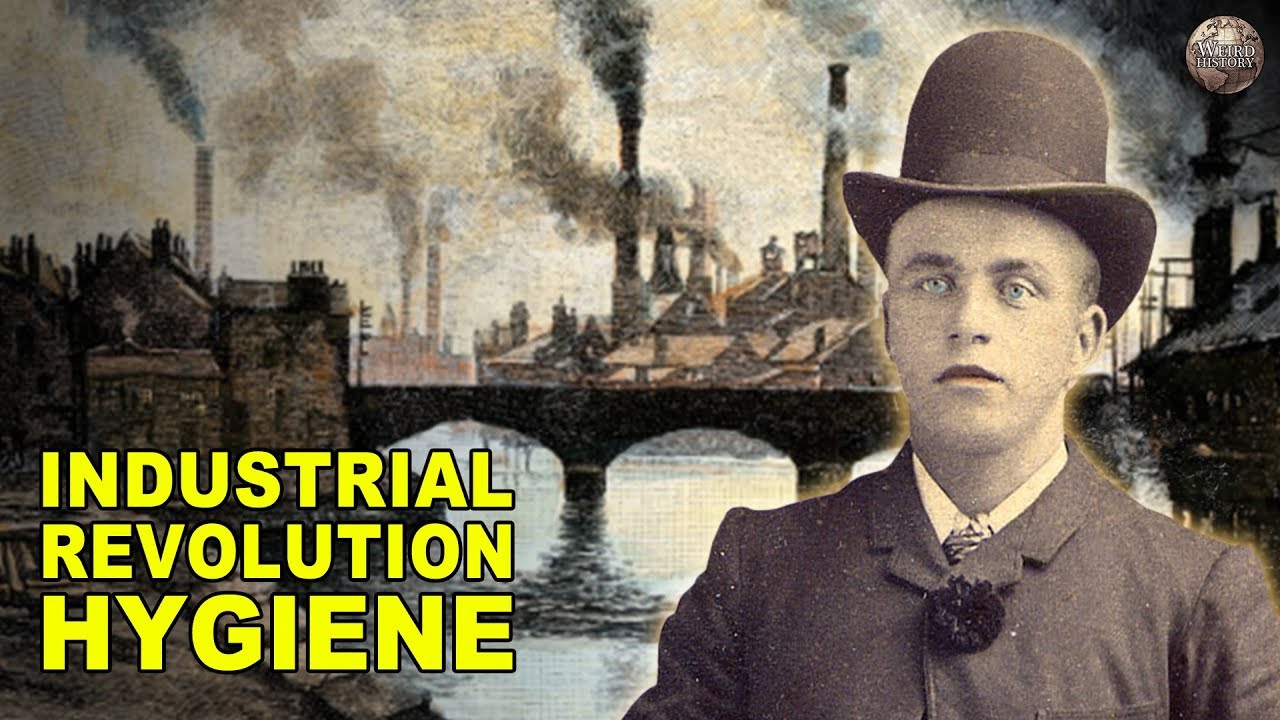
country of Hamlet's and villages and small towers with a few cities which are slowly growing come the 1800s cities like Boston and New York are doubling and doubling again technological innovation was thriving titans of business like Rockefeller and Carnegie for growing industries at unprecedented rates railroads were transporting people and things faster machines were making things more efficiently than humans ever had in history this was quite literally a revolution tons of new jobs were created but here's the thing the cities weren't ready for all those people so places like New York City ended up packing these
newcomers and to cheap apartments or tenements they were small and rarely had windows so there was no light or ventilation houses are overcrowded they're working in factories that breathing on one another that contaminating one another with their germs and also with VCS that's right feces that's because there weren't proper sanitation or sewer systems or clean water supplies very rapidly people are starting to drink water which contains feces from their neighbors through a number of diseases that claimed a lot of lives the most serious were respiratory illnesses and the biggest killer of all was tuberculosis tuberculosis
killed one in seven in the United States in Europe at this point people came to suspect that their living conditions influenced their health they began to argue if you want to combat diseases you've simply got to clean up the slum areas in fact in New York in the 1830s they have people sweep the streets and this has the Helle beam dump the decades and they're amazed to find that underneath all the muck and the film and the decomposing animal bodies the rattling cobblestones they're all doing this because they believe in my asthma's these gases that
rise up from decomposing matter which they believe somehow cause sickness but the efforts of clean cities got a major push in the late 19th century when doctors and scientists were able to prove that diseases were not caused by my asthma's but by germs one of those doctors was Robert Koch Robert Koch was a German general practitioner who in his spare time when not treating patients devoted endless hours to investigating disease under the microscope he discovered that specific germs caused specific diseases but he's probably best known for his work in tuberculosis he discovered the germ responsible
and found that it's transmitted through the air now that people realize what causes infectious disease they have every incentive making sure that people have clean water when you wash your hands you wash away many of the disease-carrying smudges you may have picked up and they have sewage pipes to take away the effluence Wallace leads to is large-scale civil engineering projects across America due to the improved access to clean water in the first few decades of the 20th century US cities saw an estimated 50% drop in mortalities laws were also passed to reform housing in the
cities to ensure residents had sufficient light and proper ventilation in their homes in less than 20 years the death rate from tuberculosis plummeted from one out of every seven to more like one in 1,000 in the United States Robert Koch even got a Nobel Prize for the impact of his tuberculosis research life generally was getting better and better for Americans knowing that germs cause disease was a significant component of that you [Music]