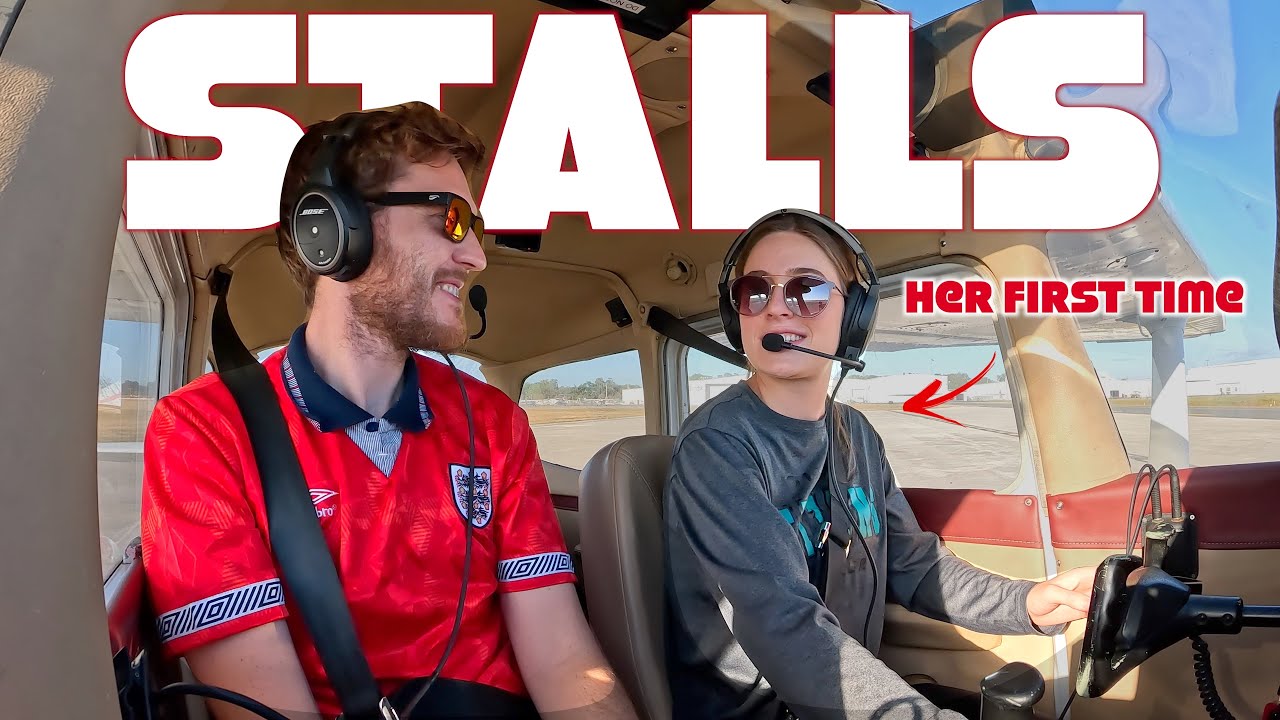
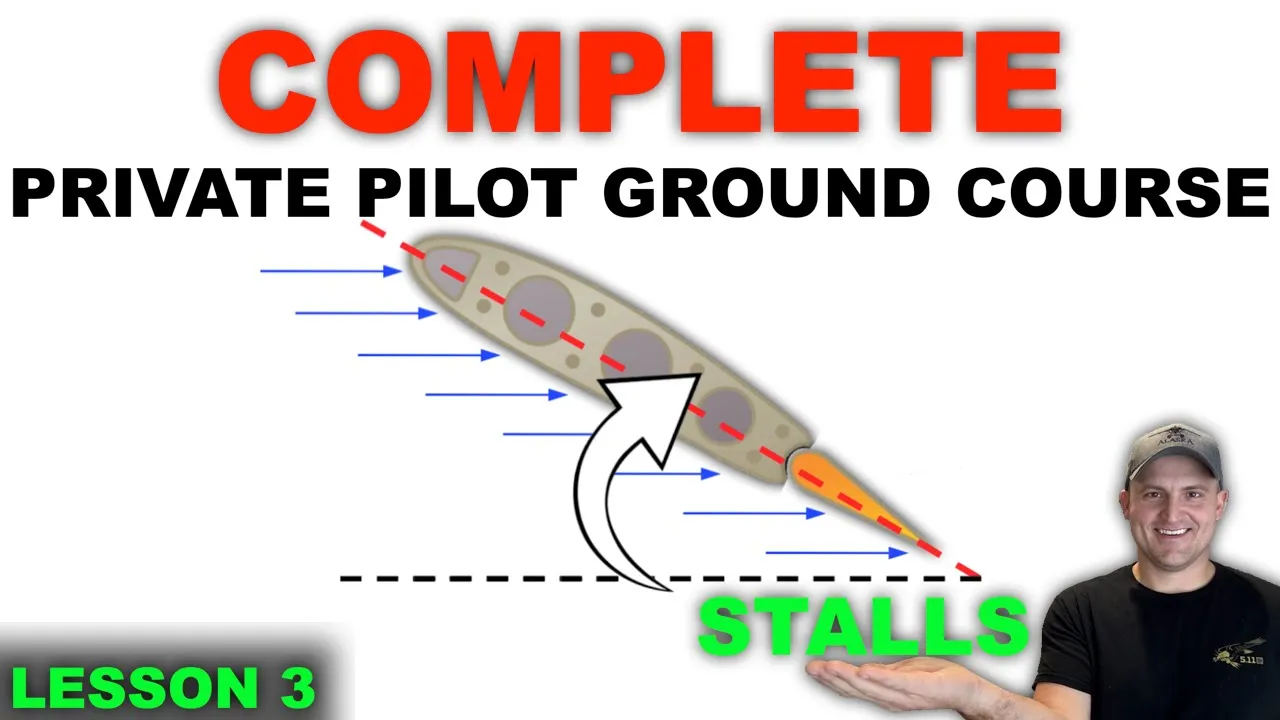
what's up guys I'm just chilling here at this really high angle of attack it's crazy how much lift These Wings produce when we're up like this oh this is nuts man Oh Betsy what's happening it's almost like we lost a whole bunch of lift all at once [Music] [Music] there welcome to pre pilot training I'm Josh and this is Mike and this is Private Pilot ground lesson 3 where I'm going to explain stalls in detail as you may remember from the last lesson lift is good but sometimes we intentionally want to reduce the amount of
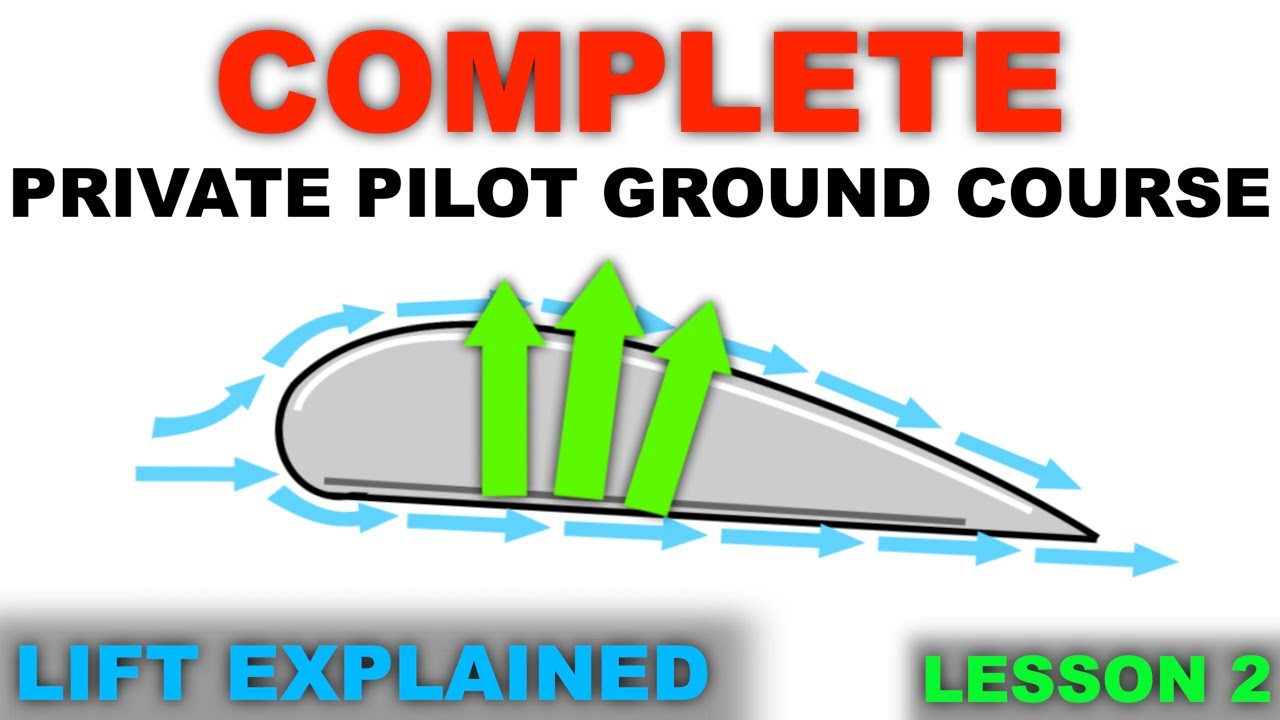
lift that our airplane is producing one of those times is when we're trying to descend for a landing but something that's not good is losing a bunch of lift all at once when our airplane has a rapid loss of lift this is what we call a stall to completely understand stalls and why they cause a rapid loss of lift we need we need to take a closer look at the cross-section of a wing this is what we call an air foil up here at the front of the air foil we call this the Leading Edge
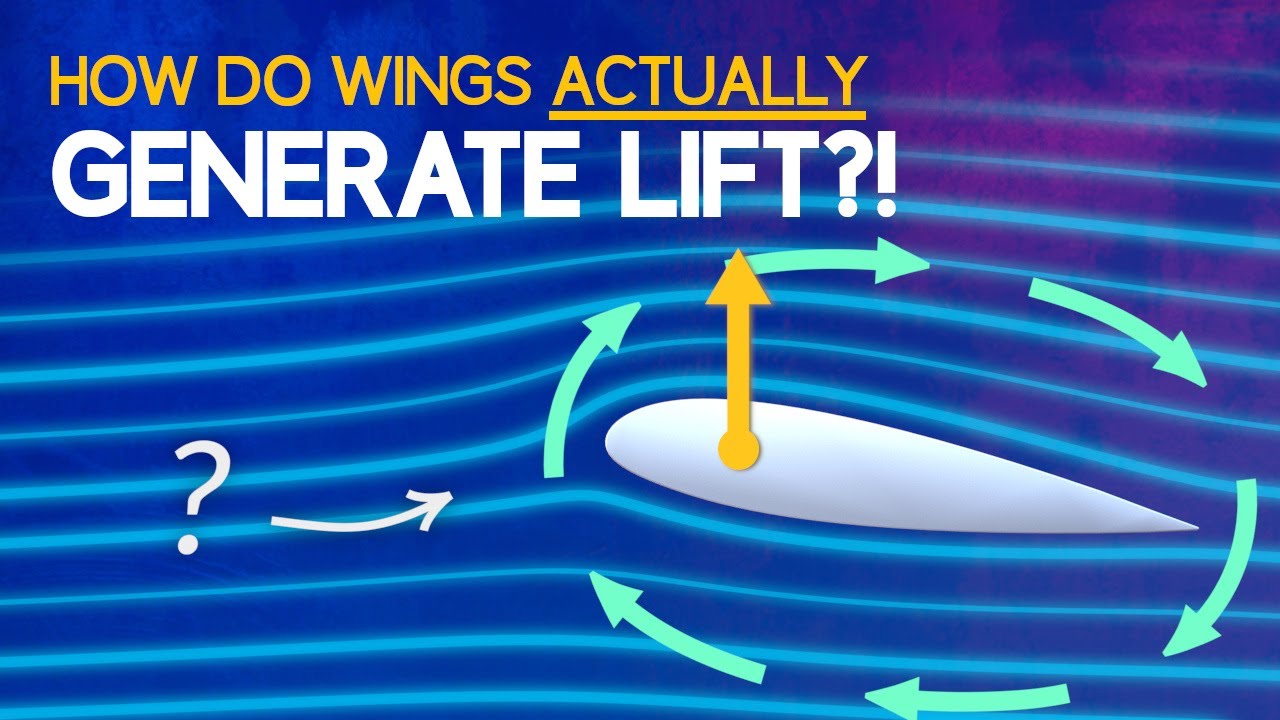
then at the very back we call that the trailing Edge in order to understand this next part let's draw an imaginary line from the Leading Edge of our wing down through the trailing Edge and we actually have a name for this imaginary line it's called the cord line now as the wing of our aircraft moves forward through the air that creates air flow over the wing in the opposite direction as you may remember this wind is partially caused by the aircraft's forward movement it's also caused by wind from the propeller which we call prop wash
and the actual wind can add or take away from this total wind that goes over our wings this total wind is what we like to call relative wind and that's what causes our wing to create lift now when your airplane changes its direction of travel like when it pitches up or pitches down the relative wind changes as well because relative wind directly opposes the direction that your airplane is traveling so you could say that the relative wind wind acts on the air foil at different angles and we call that angle the angle of attack more
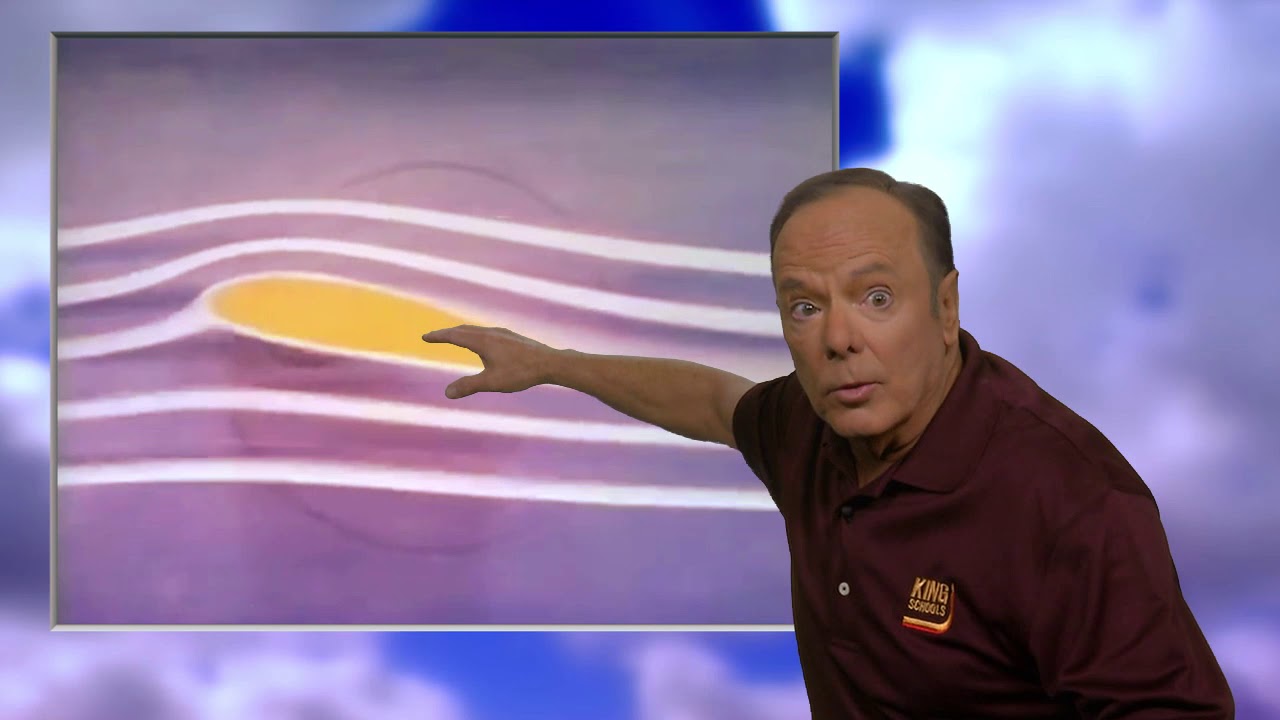
specifically the angle of attack is the angle between the relative wind and the wings chord line and this is super important for you to understand now as we just mentioned in the last video when we increase the relative wind or when we increase the angle of attack on our wing we also increase the lift that our wing produces as long as there's smooth air flowing around the upper and lower surfaces of the wing you may not know this but but as air flows above and below the wings it actually does so in very thin layers
because of that we call this laminer air flow because I guess the definition of the word laminer is thin horizontal layers yep I guess that name makes sense then but anyway at low angles of attack the wind moving around the wing flows smoothly and that allows those little layers to stay separated and flow around the wing in a nice orderly fashion but as we increase the angle of attack on our wing once again this increases our lift because that air on top of the wing has a further distance to travel and that creates less air
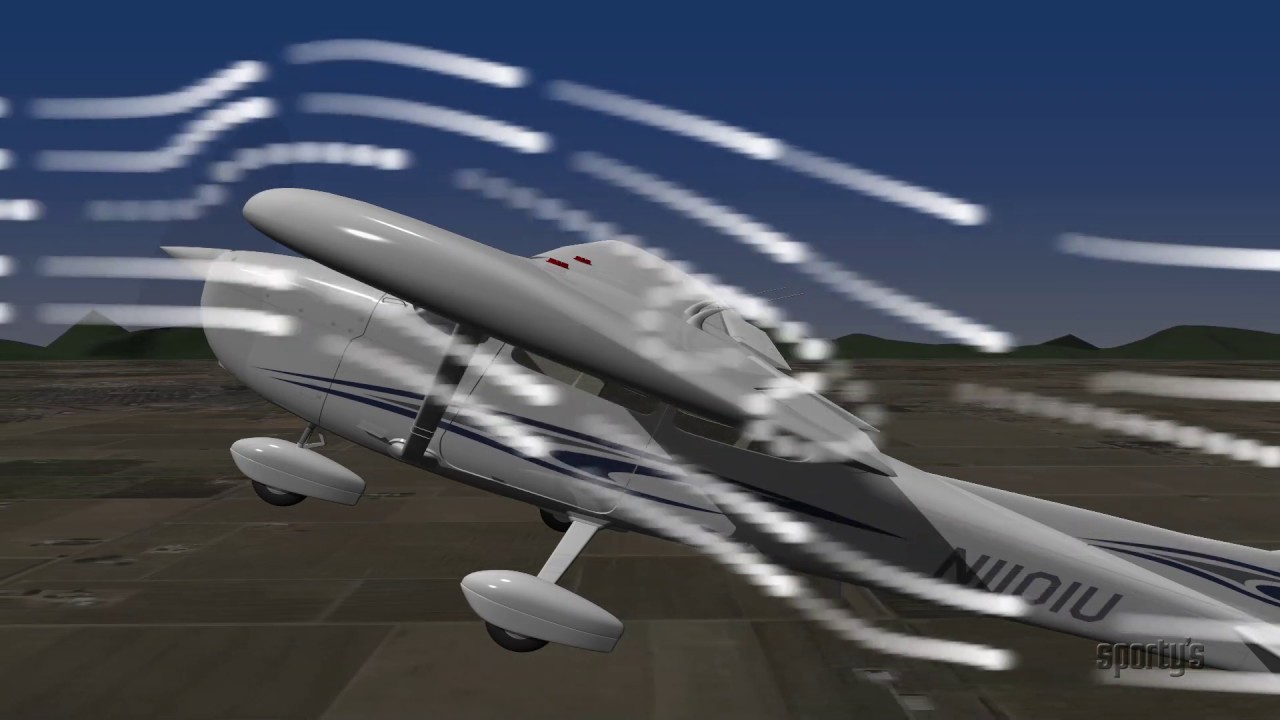
pressure up there but if we start increasing our angle of attack too much that air doesn't want to flow around the upper surface of the wing anymore it wants to flow straight back and because of that this air becomes separated from the upper surface of the wing this is what we call boundary layer separation and as you can see from my pitiful little drawing here the air On The Backs side of this Wing is no longer flowing in a nice orderly fashion it's kind of just doing its own little thing back there and it's just
making a huge mess so these nice neat little layers are not nice and neat anymore and that means we no longer have good laminer flow and that's not neat at all how neat is that now even at these high angles of attack where we've got all this turbulence back here our wings can still produce some lift even though we don't have good laminer flow and as long as the lift that our wing is producing is greater than or equal to the weight of our aircraft we can just sit here and chill at these high angles
of attack with that in mind if we continue continue to increase the angle of attack on our wing at some point the wing will no longer be able to support the weight of the aircraft and when that happens we'll get a rapid loss of lift this rapid loss of lift is what we're calling a stall now something super important for you to keep in mind is that every airplane has a specific angle of attack that it stalls at with that in mind altitude and the gross weight of your aircraft can have an effect on the
air speed that your airplane stalls at but the angle of attack is always the same now right before the air stalls it reaches the point where the cord line on the air foil is at the greatest angle with the relative wind if this angle increases at all Beyond this point the aircraft will stall this maximum angle is what we call the critical angle of attack and when you exceed the critical angle of attack on your airplane is when the airplane will stall every single time if you don't remember anything else from today's lesson this is
the one thing you should remember when you exceed your Wing's critical angle of attack the airplane will stall air speed does not matter now here's something else you should know when you exceed the airplane's critical angle of attack and it stalls the wings are still producing some lift if they weren't you would literally fall to your death if you stalled the aircraft so our wings are still producing some lift if that's true how do you think we can fix a stall when we exceed the critical angle of attack yeah all we have to do is
reduce the angle of attack so to break the stall the most important thing we can do is reduce our angle of attack by pitching down or releasing some of that back stick pressure on the yolk this will get us below our critical angle of attack so the wings can start producing lift again in just a minute we'll continue with your training but would you allow me to show you something that's specifically made for Pilots that I think you're going to like I've been flying a few different types of airplanes now for about 10 years and
one of the things I've noticed is that we Pilots tend to accumulate a lot of equipment so I've been looking for a product that I can use to protect my gear and kind of protect my investment so when Sterling Pacific reached out to me and asked me to check out one of their pieces of luggage I was a little bit skeptical but this luggage is specifically made for Pilots so I really wanted to check it out and I have to say this is exactly what I was looking for I can throw all my clothes and
my gear in one bag and I don't have to worry about it getting damaged or someone breaking into it if you do any traveling at all you probably already know what I'm talking about I don't know how many cheap luggage sets I've bought but I do know that I've spent enough money replacing equipment and the old luggage that I could have just bought something nice that was going to last and the tough part is knowing what to buy because there's a bunch of stuff out there so if you're looking for something with Superior craftsmanship you're
going to love this product and if that interests you at all you can get $300 off by coupon code free pilot training thank you so much for taking a look at this and let's continue with the training accidental stalls are some of the scar situations you can get yourself into because of that you're going to be practicing some of the different stall recoveries when you start your flight training you want to see one check this out let's simulate that we're coming in for a landing and we get too slow and exceed our critical angle of
attack all right so I'm going to get set up for a little power off stall uh I'll show you guys how how I like to do this all right we want to end this maneuver no lower than 1500 ft AGL 2,800 is a good altitude to start out we're only going to lose maybe a Max of 500 ft here all right so I'll pick a heading southbound heading looks good we're in the white Arc lower all the flaps we'll keep this southbound heading here all the flaps are in seat belts on sctor valve on both
makes your best power throttle set we'll get the rest here in just a second all right we'll go ahead and turn the carb heat on idle power pitch for 60 knots pitch it for 60 to simulate that we're Landing once we hit our landing speed then we'll raise that nose up on the on the horizon and we'll just wait for the stall we want to maintain our heading with aerons there's the first indication got Wing buffeting now now we're waiting for the drop there it is Max relax carb heat off first Notch your flaps and
then I'm gently bringing that nose up to the Horizon broke the stall by relaxing that back stick pressure that's the most important part I've got the nose on the horizon I've got to climb so I'm going raise that second Notch it's going to get rid of some of the drag I'm waiting for 70 knots and a posi ready to climb could probably pitch down just a little bit uh this part isn't really required but this is the my procedure because because this is a really systematic way of raising the flaps slowly there it is 70
knots positive rate flaps up have to take off checklist hey thanks for watching guys I hope you learned something from today's video in the next one we're going to talk about how you can potentially get yourself into a spin and you thought stalls were scary I'll put that video right here but if you want to take a break from studying for a little bit and you just want to enjoy some fun flying get this video right here a try I think you'll enjoy it see [Music]

![Landing SECRET your Instructor won’t tell you [How to Land]](https://img.youtube.com/vi/JlYpKtkfn2M/maxresdefault.jpg)