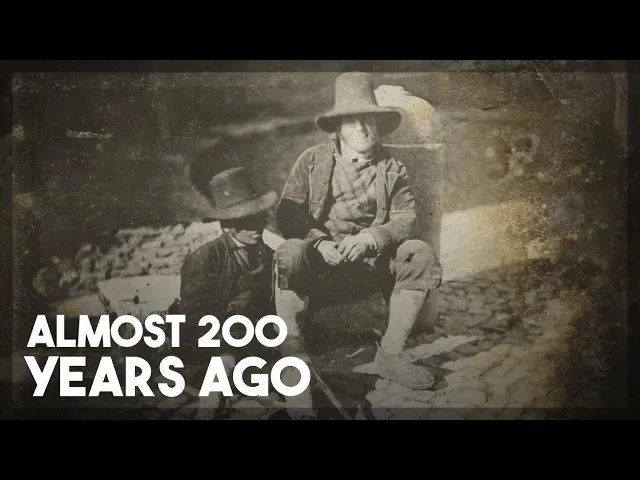
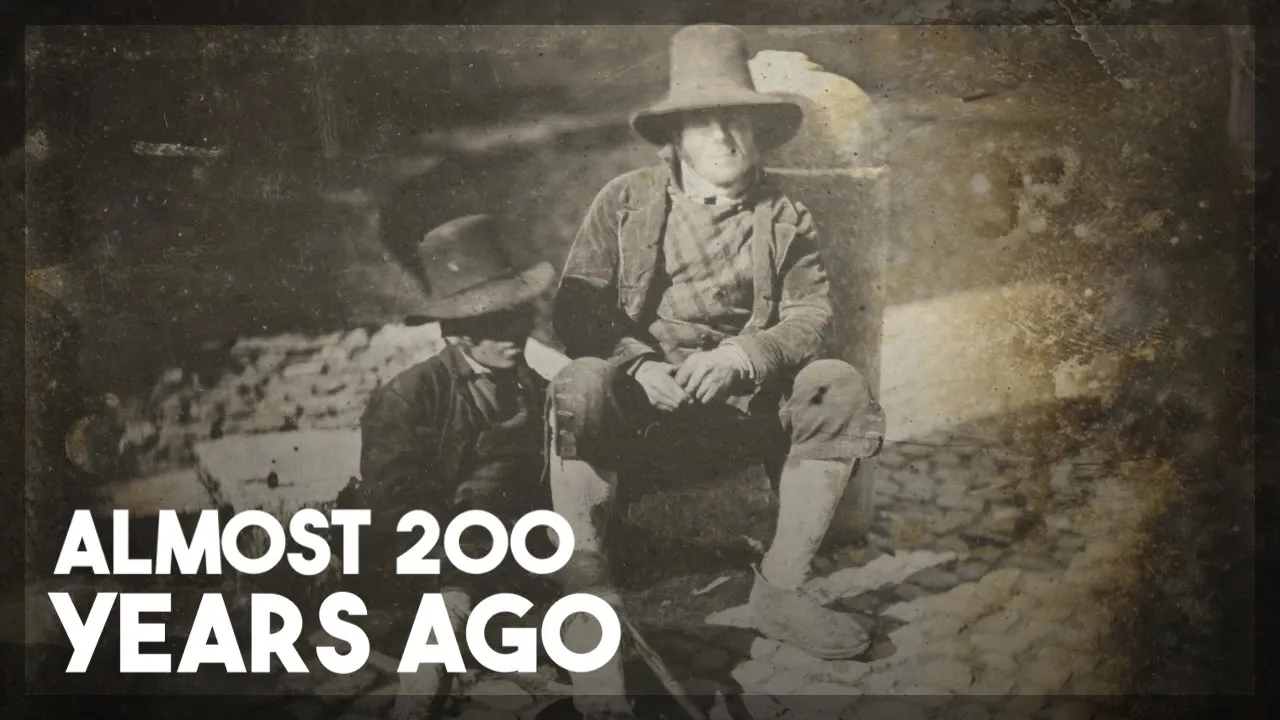
in the spring of 1842 a wealthy scholar and artist called Joseph filibal shirodeponche leftist native France to embark on a grand tour of the Orient he was passionate about archeology and Islamic architecture and planned to make a series of Publications about the sites he visited in order to document them as truthfully and efficiently as possible he brought with them a brand new tool the camera over the course of the journey which took him from Italy to Greece Egypt turkey and the Levant he captured over a thousand photographs with subjects ranging from streetscapes and Architectural details
to Nature Landscapes and the portraits of local people in many cases the places shown have since been permanently altered and although he wasn't the first to make this kind of Journey Jill's photos are with the exception of Italy the earliest to survive of the countries he visited remarkably in this historical treasure almost unmatched for its time in terms of quality and scope was forgotten and has only become widely known in the past 20 years here we'll be using the works of Giroud Pangea to retrace his journey and discover the world of the Eastern Mediterranean as
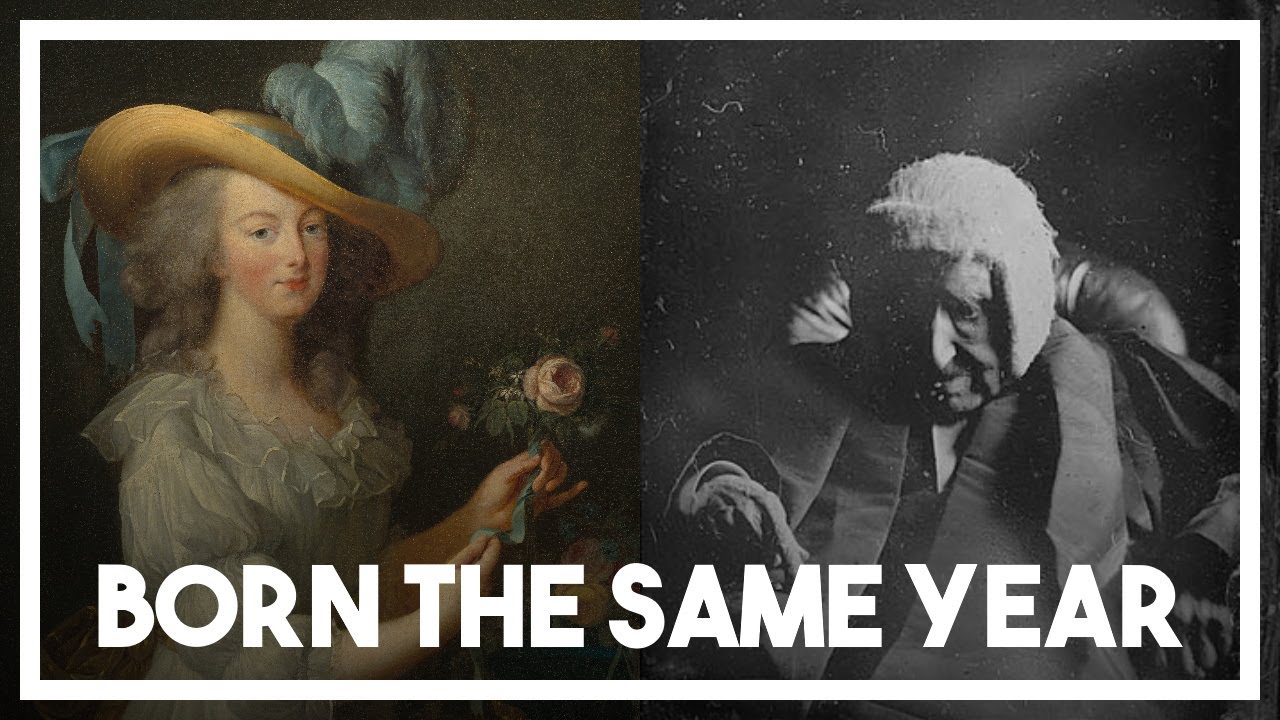
it looked almost 200 years ago [Music] Jiro was born in Long in northeastern France on the 21st of October 1804 the same year that Napoleon became emperor belonging to a wealthy family of the local aristocracy he was the only of four children to survive to adulthood and inherited a large Fortune from his parents this allowed the young man to devote his life to his passions travel art and Publishing having studied the drawing in long he continued his artistic training in Paris where he also earned a bachelor's degree in law at this time his interest in
archeology and ancient monuments was already manifesting itself and Upon returning to long he started work to protect the town's Gallow Roman heritage eventually he would even become a founding member of the local archaeological Society already from an early age Giro was an avid traveler but in 1831 he embarked on the first of his Grand multi-year Journeys it started off in Italy before leading him through North Africa and Spain and finally to Switzerland during this trip he was first confronted with the architecture of Islam from mosques and cosmas to Great palaces of which he made many
meticulous drawings returning to France in 1834 he decided to use these strongs as the basis for lithographs which he published in a series of connections showing the monuments of Cordoba Seville and Granada as well as those of Sicily and the Maghrib this work occupied him until 1842 when he set off on his second grained Journey traveling to the Eastern Mediterranean his goal was to continue studying ancient and Islamic architecture to create new Publications only this time he would be more efficient in the duration between the two trips had acquainted himself for The Art of Photography
this technology was very new at the time having only been made available to the public in 1839 with the introduction of the integario type process just two years later departure was taking his first photographs showing use of famous Parisian sites like Notre Dame Cathedral the tutories or the toolsar Jacques soon the artist himself now a man in his late 30s sat down before the camera for a portrait he quickly realized the potential of the new technology for his project instead of Simply drawing as he had done on the previous trip he could now also save
time and preserve what he had seen in more exact detail by taking photos but although he only intended to use them as a sort of sketch to refer to back home in a studio Giro was still arranged his pictures as to produce a sense of drama or a mystery and this artistic sensibility sets him apart from many other pioneers of Photography who were primarily technicians or inventors the long journey began in February of 1842 when Jiro embarked from Paris with more than 100 pounds of photographic equipment plates and chemicals to ease the transport of his
supplies he would travel by boats as much as possible in Marseille he boarded a steamship that would take him to Italy stopping by in Genoa in the Northwest before arriving in Rome at this point the region had not yet unified and remained a collection of sovereign countries Genoa was part of the kingdom of Sardinia and had been an independent city state until just 27 years before when it was annexed the hometown of Christopher Columbus it had once rivaled Venice in terms of wealth and power and we find its harbor still bustling with life in 1842
Rome on the other hand was the capital of the Papal States a collection of territories in central Italy ruled by the Pope during his stay there which lasted from April to the end of July Shiro lived in the Villa Medici which then as now was home to the French Academy the director jean-victor Schnitz mentions him in a letter to a common friend writing Monsieur Giroud Pangea take stagger types of everything he can hear anything goes monuments streets piferari and even Cardinals he even has the ambition to point his instrument in front of the nose of
the Holy Father never seems to have gotten the chance to take a portrait of the Pope but it did capture a Monday Thursday blessing held outside Saint Peter's Basilica there's also a view of the Coppola taken from the Vatican Gardens with a myriad of fountains Gates and small structures in the foreground with the architecture being his main interest it's no wonder that many of Jehovah's subjects are the great monuments of the city he captures the Roman Forum with its ruined temples triumphal arches and Baroque churches both from afar and in close detail but it also
turns the camera away from the Monumental and immortalized everyday scenes like The Oxen resting by some cards at The Forum or views of ordinary streets around the city Ordinary People also show up in the photos like the man and the boy on this plate titled campagnoli or a fisherman photographed somewhere near the town of Nami southeast of the city [Music] as mentioned earlier by Schnitz Shiro photographed a group of piferari herders from the surrounding mountains who came down to Rome each Christmas to play their ancient songs at Wayside shrines to the Madonna [Music] this portrait
of a young woman holding a stem of flowers may also been taken during a stay in Rome her identity remains unknown foreign [Music] having spent several productive months in Rome and its surroundings made his way into Athens where it would stay in for the rest of Summer just about a decade earlier the Greeks had won their independence from the Ottoman Empire and the government moved to Athens eight years before Hero's visit this town devastated by war was home to a few thousand people and it only just begun its transformation into a major capital enthusiastically said
about documenting the ancient monuments taking the earliest surviving photographs of the Acropolis work was already underway to restore the monument to its original form and later editions like the mosque built inside the Parthenon were in the process of being removed we can clearly see one of these lost structures the medieval Frankish Tower which was demolished in the 1870s another Athenian building that disappeared in the 19th century was this small Byzantine church built into the Western facade of Hadrian's Library foreign [Music] ER approached Shiro boarded a ship for Egypt a country which was officially still a
part of the Ottoman Empire but which had grown increasingly independent under the leadership of the Wali or Viceroy Muhammad Ali like many other European Travelers he arrived in the city of Alexandria [Music] having declined from its ancient Splendor to little more than a fishing Village around the turn of the century it had since rapidly regained prominence and in 1835 it became the port of entry for the first regular egypt-bound steamer from Europe during his brief stay here Giro took several photographs of the Nabi Daniel mosque dating in its current form to the end of the
18th century it has been claimed to be built over the tomb of Alexander the Great on a wide photo we find the building which is today in the middle of the city surrounded by open spaces and palm growths in the distance to the right is what appears to be pompey's pillar the only ancient monument in Alexandria still is standing in its original location [Music] soon continued towards his main goal Cairo traveling through the Nile Delta he stopped buying in the town of Rasheed better known internationally as Rosetta formerly an important trading center it declined in
importance with the Revival of Alexandria but Rose to fame as the location of the Rosetta Stone and discovered there in 1799 20 years before his old departure's Journey the Egyptian hieroglyphs on it had been transliterated by Jean Francois Jean polion marking the beginning of modern egyptology [Music] on his arrival in Cairo Shiro was overwhelmed by the Magnificent architecture of the city which he had previously only known from books he spent the next three winter months there but found that this was not nearly long enough to complete the work he intended and decided to return in
the next winter he carefully studied the medieval funery domes and minarets which had flourished in the mamluk period and paid special attention to the first mosque built in Egypt the mosque of Amer IBN alas built with the talent of Egypt's Arab conqueror had once stood it was originally constructed in 642 and has been the subject of extensive Restorations and alterations both before and since Gerald pangea's time while photographing the mosque of IBN tulun another of the city's oldest he once again takes the unusual decision for the time to direct his camera away from the historically
important architecture to depict two Street beggars although the figure on the right is rather indistinct one can clearly see that he stands only with Aid of wooden crutches several other portraits were taken during his visits to Cairo one shows an anonymous camel driver looking with some doubts away from the camera towards something or someone out of the frame perhaps the photographer was standing there or perhaps his camels were becoming impatient one recurring subject in his portraits is the individual called ayusha who performed the various roles assigned to the Exotic Oriental woman in this case depicted
with a hookah she modeled for him on at least three other occasions this includes one evocative and a dreamlike photo of her fully unveiled [Music] betweenness two Egyptian states zero traveled North to explore the Anatolian peninsula based in Constantinople now Istanbul he relied on a network of French diplomats and Scholars to secure his journey his exact path remains uncertain but we find several photos from aphrodisias in Western Anatolia and the Beautiful ruins of the Temple of zoo slept sinus in the nearby euromas based on his stated labels he also made initial visits to Damascus and
the balbec around this time back in Constantinople he took a grand Panorama with the city showing the cerallio point taken from Galata and explored some of the local mosques in complete contrast to the magnificence of the Ottoman City Center he was made a number of small format studies along the banks of the Bosphorus including the fragile looking wooden structures of the fishing grounds in October 1843 Geron returned to Cairo presumably with the fresh supplies to finish the work it started the previous year he then continued ascending the Nile to document the ancient Egyptian monuments lining
its banks although he intended to reach the temple complex at Abu symbol he only made it three quarters of the way there to Aswan and filai at that point out of concern for the security of his tagario types he decided to retrace his path back to Alexandria where he encountered an unexpected delay exposure to the plague and the month in quarantine foreign [Music] took him to the Levant or greater Syria a region which included the present-day Lebanon Jordan Israel and Palestine when he arrived it had just recently been returned to ottoman control after having been
ruled by the Egyptian Muhammad Ali and his son for almost a decade claimed that Egypt's Retreat which he partially blamed on France's lack of support had led it to an absent government and endless revolts pillaging and murders while in Beirut in the spring of 1844 he made an informal study of two local figures titled on board the amateur the photo might show his hosts or traveling companions from here he continued to Jerusalem reaching the city for the Feast of Corpus Christi on May 21st 60 days after Easter when he had originally hoped to arrive on
his Grand panoramas we find the city still huddled within its 16th century walls since then it has spread out far into the surrounding Hills growing from somewhere around 20 000 people in the 1840s to nearly a million today Jiro was unable to gain entry to all the sights he wanted to study which perhaps explains his documentation of the city Gates and the various approaches to the Temple mount he also made several views of ancient monuments outside the city like the tombs of Zechariah and the penny hessir nonetheless he did document the Dome of the Rock
from various different angles undertook close-ups of the Church of the Holy Sepulcher we also get a view of the dense Urban fabric of the old city probably showing a building in alwad Street in the Muslim quarter having spent 55 days in Jerusalem and its home runs Shiro wrote in a letter how he was delighted in fulfilling a dream that he had charged since childhood under in a few months he returned back home with a photographs bearing with them they are quote precious and unquestionably faithful Trace that cannot be diminished by time or distance but before
returning to France he would press on North to visit several sites in what is now in Lebanon and Syria in Tripoli by the Mediterranean Coast he captured a view of the river running through the city showing what is probably the albertasi mosque in the background a beautiful example of local mamluk architecture [Music] while in Lebanon he also Revisited the ball back during the Roman period this had been one of the most important cities of the region and its Monumental Temple complex was one of the largest and grandest in the entire Empire was captivated by the
ruins and seems to have made more dagario types at balbec than at any other single location he found the site largely untouched and it would take more than 50 years after his visit before the first major excavations were carried out in the last year with journey he also traveled to Damascus celebrated as the pearl of the Orient where he photographed the umayyad mosque and Interiors of sumptuous houses belonging to wealthy local merchants Aleppo in Northern Syria was captured by his camera as well in this view taken near the 13th century Antioch gate we see various
minarets in the foreground and the massive Citadel in the distance [Music] returning to France Jordan brought back more than a thousand photographic plates as well as drawings and watercolors that would serve as the basis for the many Publications that he planned in 1846 he released the Arab monuments of Egypt Syria and Asia Minor followed five years later by The Monuments and Landscapes of the Orient neither of these costly Works published at the author's own expense met with a public success that he had hoped for cruelly disappointed after all the years of hard work Shiro decided
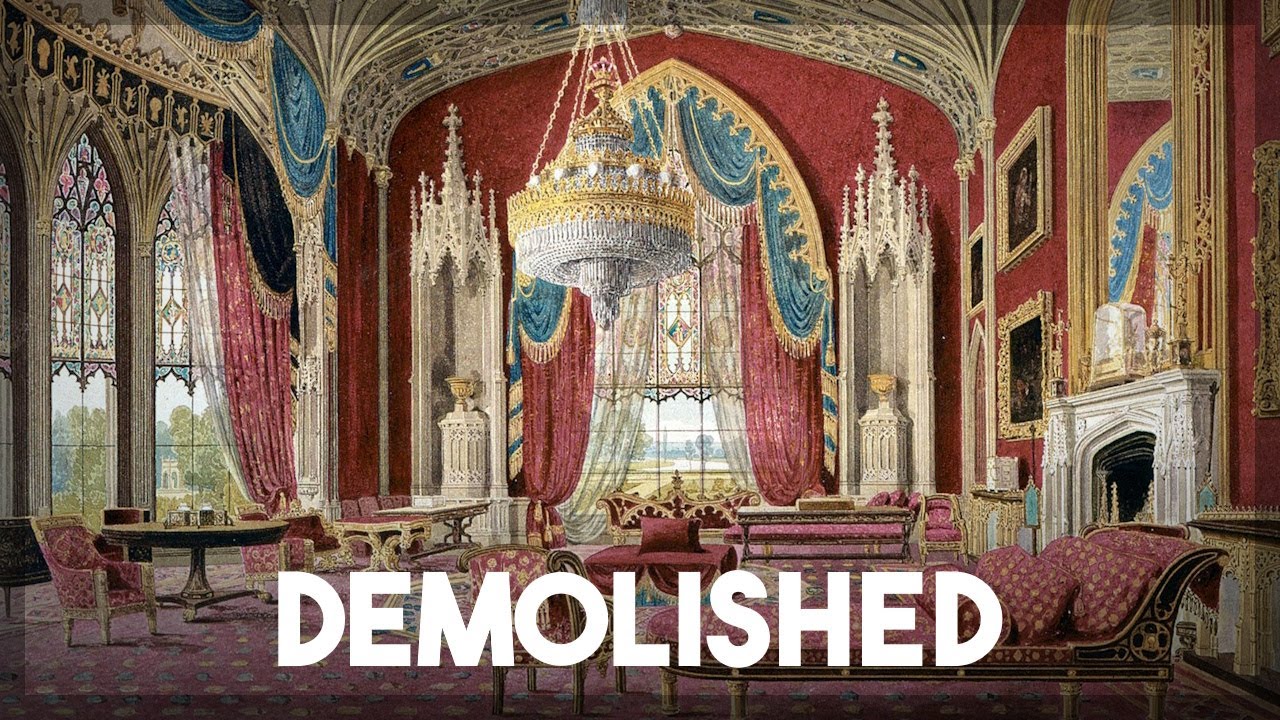
to end this expensive project and turned into his other interests instead he retired to the villa de tier the Sumptuous Oriental inspired home the red built south of long were lived out the remaining years of his life in solitude he devoted much of his time to the greenhouse cultivation of flowers and exotic fruits but also continued to experiment with photography alongside the dagario type which are used until the early 1850s he produced photographs on glass plates and made numerous stereoscopic or 3D images and occasionally dabbled in the cyanotype but the photos of his grand tour
of the East were left to be forgotten having only been valuable as tools in the service of his practice of drawing he never considered exhibiting them and never mentioned in his Publications that they were the basis for the lithographs instead the plates were simply cataloged packed into wooden crates and stashed in the Attic in 1892 Chevrolet died leaving behind no direct heirs his estate was abandoned and as time passed it gradually fell into ruins in 1920 The Villa was finally bought by his neighbor count Charles de Simoni who discovered the connection still lying in the
boxes in the Attic a year later the dilapidated house was demolished leaving nature to reclaim the sights of Jose's beloved home realizing the enormous value of the photos he discovered the Simoni began a process of dissemination donating plates to institutions and lecturing on the subject however until the end of the 20th century only a few of the photos had been brought to the attention of the public since then numerous auctions Publications and exhibitions to be rediscovered as one of the great photographers of the 19th century foreign [Music]