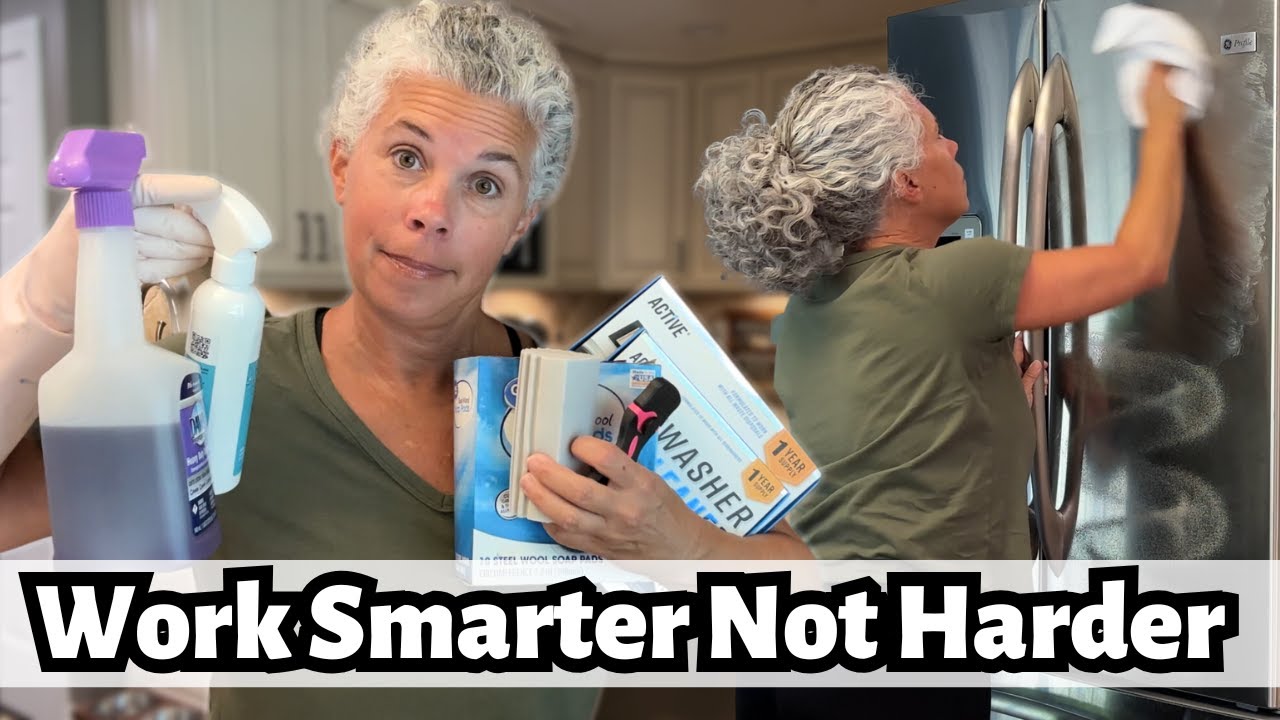
Have you ever stepped into a senior's home and immediately felt a sense of calm and order? It's not just about spotless floors or neatly arranged bookshelves; there's something deeper—a way of living built on simple daily habits that promote cleanliness, organization, and peace of mind. If you've ever wondered how some seniors maintain such inviting, fresh homes, this video is for you.
By the end, you'll discover practical tips and strategies that can help you create a home that feels welcoming and peaceful, no matter your age. So stay tuned; these secrets might just transform your space and your daily routine. Before we begin, I would appreciate it if you liked this video.
You can help me continue to spread the old age lesson. If you haven't subscribed yet, I recommend you subscribe and turn on the bell so you don't miss any videos. If you like this video, please comment "number one.
" If you don't like it, comment "number zero" to let me know so I can make a better video for you. Now, let's get started. Number one: Tidy up before bed.
Many seniors who enjoy clean and well-maintained homes often practice a simple but highly effective habit—tidying up before heading to bed. This isn't about achieving perfection or living in a show home, but rather fostering peace of mind and a sense of order. The beauty of this habit lies in its simplicity—spending just 10 to 15 minutes each evening to bring a sense of calm to their living spaces.
It's not about doing everything perfectly, but rather setting the tone for a smoother, more organized day ahead. For instance, they may wash the dishes that have accumulated throughout the day, fold the laundry that's sitting on the couch, or straighten the cushions on the sofa. By focusing on these small tasks, they prevent the accumulation of clutter that can feel overwhelming in the morning.
One senior shared that her nightly ritual goes beyond just tidying before going to bed; she takes a few minutes to light a calming candle, creating a soothing ambiance that helps her relax. She also ensures all unnecessary electronics, such as lamps and televisions, are turned off to reduce distractions and promote a restful environment. Additionally, she makes sure the entryway is clutter-free, particularly if she expects visitors in the morning.
This small effort ensures that she wakes up to a clean and organized home, reducing the stress of starting the day with unfinished chores. For seniors, having a tidy home in the morning often contributes to increased productivity, clarity, and overall peace of mind, helping them feel more grounded and ready to embrace the day ahead. Number two: Clean as they go.
Seniors who have mastered the "clean as you go" approach adopt a mindset that turns everyday chores into manageable habits rather than overwhelming tasks. Instead of allowing clutter and messes to accumulate, they understand the importance of tending to small messes immediately. For example, in the kitchen, they develop a routine of wiping down counters right after use, ensuring any spills or crumbs are cleaned up before they have a chance to harden or spread.
A retired chef, for instance, explained how she developed this habit from years of experience in a kitchen setting. She always rinses and loads dishes into the dishwasher right after meals rather than letting them pile up, reducing the need for lengthy cleaning sessions later. In the bathroom, they maintain cleanliness by wiping down the sink, mirror, and surfaces immediately after use.
Brushing teeth and seeing a dirty mirror or sink might be minor inconveniences at the moment, but ignoring them can result in a buildup of grime and soap scum over time. By taking a few seconds to clean these areas, they avoid dealing with layers of buildup that would require more effort to clean later. Another example comes from a retired gardener who noticed how much easier it is to stay on top of sweeping the floor after cooking rather than waiting until the mess has multiplied.
He explained that spending just a few minutes after each meal sweeping up crumbs and debris ensures a clean and tidy kitchen without the need for deep cleaning sessions. This practice also reduces the risk of pests, like ants or other unwanted visitors, that are attracted to leftover crumbs. By adopting the "clean as you go" approach, these individuals create systems that reduce the strain of maintaining a clean home.
They understand that little actions, when consistently applied, accumulate into big time savers. Whether it's wiping down surfaces in the kitchen, organizing belongings, or putting things back in proper places, these small efforts prevent clutter from taking over and ensure a more manageable and comfortable living environment. If you are still watching this video and finding these lessons useful, please comment "number one" below to let me know that you are still watching this video with me.
Thank you for your valuable time. Number three: Declutter continuously. Seniors who maintain clean and organized homes have mastered the art of continual decluttering.
They have embraced the concept that a clutter-free home not only looks better but also contributes to a more peaceful and manageable lifestyle. These individuals consistently evaluate their belongings and ask themselves, "Do I still need this? " or "Does this bring me joy?
" They have come to realize that holding on to things simply because they once had value often leads to unnecessary clutter, which in turn creates more work and stress. Rather than waiting for a major spring cleaning event, they adopt a gradual, steady approach to decluttering. They tackle one drawer, one shelf, or one corner at a time rather than overwhelming themselves with the thought of decluttering an entire house all at once.
This method prevents the task from feeling daunting, and instead allows for small, manageable victories that build up over time. One effective strategy many seniors use is the "one in, one out" approach. One-out rule: for example, if they purchase a new item, like a sweater, they consciously decide to remove an old one from their wardrobe.
This simple practice ensures they are always mindful of the items they bring into their home and maintain balance. Another helpful tool is keeping donation boxes readily available; when they come across items they no longer need or use, they can immediately place those items into the donation box. This not only clears out clutter but also creates a seamless and stress-free routine.
Decluttering becomes a natural part of their daily life rather than a monumental chore. It allows them to enjoy the benefits of less clutter, more space, and a sense of freedom. By incorporating these small, consistent actions, seniors are able to maintain a clutter-free environment effortlessly.
Number four: prioritize high-traffic areas. A clean home doesn't mean every corner is spotless all the time. For seniors, focusing on high-traffic areas allows them to maintain a neat appearance without the stress of constant deep cleaning.
The key is concentrating on the spaces they use most frequently: kitchen counters, living room floors, and bathrooms. These areas tend to accumulate dirt and clutter quickly, so giving them attention ensures the home looks clean and well-kept. For example, seniors typically prioritize the kitchen counters, which are cleaned after every meal.
This simple habit prevents crumbs, food spills, and residue from accumulating. In the living room, a quick once-over of surfaces before bedtime ensures any clutter is minimized and the space remains tidy for guests or visitors. Bathrooms also receive daily attention; for instance, a senior might quickly swish the toilet brush and wipe down the sink, keeping everything fresh and hygienic.
One senior shared how she makes the first impression areas, such as the entryway and living room, a top priority because these are the spaces guests see first. By maintaining these areas daily, the home feels clean and inviting without requiring hours of scrubbing and organizing. This approach keeps the home from feeling overwhelmed by clutter or the need for constant upkeep.
Instead, it allows seniors to enjoy a comfortable, tidy home that feels welcoming and well-maintained. Number five: create a morning routine. Establishing a morning routine can have a profound impact on a senior's day, setting a productive tone and fostering a sense of structure.
Many seniors who maintain clean and organized homes swear by their morning routines, which typically involve a few simple, purposeful tasks that help them start the day with intention. A well-structured morning not only boosts productivity but also provides a sense of accomplishment, making the rest of the day feel manageable and fulfilling. For instance, making the bed in the morning is a small yet impactful task that instantly enhances the appearance of the bedroom.
A neatly made bed creates a sense of order and cleanliness, which can contribute to a more positive mental state. Even if other tasks seem daunting, making the bed provides a quick win that helps jump-start the day. Airing out rooms by opening windows for just a few minutes can make a noticeable difference.
This simple act brings in fresh air, reduces any lingering odors from the night, and helps to invigorate the space. It's not only refreshing but also adds to the overall sense of cleanliness and comfort. Another essential part of a morning routine involves tidying up any clutter that may have accumulated the night before.
For example, putting away items left out the previous evening, such as dishes, books, or clothing, contributes to a more organized living environment. One senior shared that she enjoys sipping her morning coffee while unloading the dishwasher, transforming this mundane chore into a peaceful and mindful ritual. By approaching these small tasks with intention, they become acts of self-care rather than mere chores.
These seemingly small habits create momentum that extends beyond the morning; as seniors continue to engage in these tasks, they often report feeling more in control of their environment, which contributes to reducing stress and a greater sense of well-being. A morning routine that blends productivity with mindfulness can set a positive tone, leading to a day filled with purpose and greater focus. If you are still watching this video and finding these lessons useful, please comment “number two” below to let me know that you are still watching this video with me.
Thank you for your valuable time. Number six: use smart storage solutions. Creating a clutter-free home often hinges on smart storage strategies, especially for seniors who prioritize organization and ease of access.
Investing in various storage solutions helps maintain a tidy living space while ensuring items are always within reach. Many seniors find that labeled storage solutions make it simple to identify and access items quickly. For example, a decorative basket in the living room might hold television remotes, while a labeled bin in the closet is perfect for organizing winter scarves and accessories.
Clear, labeled containers are a popular choice for pantry items, as they keep food organized and visible, reducing the chances of forgotten or wasted goods. One senior shared that she uses clear plastic bins to store her pantry staples, making it easier to see what she has and preventing unnecessary trips to the store. Additionally, multi-purpose furniture, such as ottomans with hidden compartments or beds featuring storage drawers underneath, offers convenient space-saving solutions without sacrificing style or comfort.
These smart storage solutions not only reduce visual clutter but also help seniors save time during daily routines, as everything has a designated space. By keeping frequently used items organized and accessible, seniors can maintain a sense of order and control over their living spaces, enhancing both functionality and peace of mind. Number seven: stick to small, manageable tasks.
Overwhelming themselves with a full-day cleaning spree can feel exhausting and demotivating for seniors. Instead, breaking tasks into smaller, more manageable chunks can make the process much more approachable. A senior's.
. . Cleaning routines might involve tackling one task at a time, such as vacuuming one day, dusting the next, and washing windows on another.
By dividing the workload into smaller pieces, cleaning no longer feels like an overwhelming, all-encompassing chore. For instance, rather than cleaning an entire room at once, seniors may focus on just one specific area. They could concentrate on organizing a bookshelf, wiping down a single countertop, or tidying up a small corner.
This focused, incremental approach allows them to make steady progress without feeling fatigued. One senior shared her method, which has helped her maintain a stress-free and manageable cleaning routine. She sets a timer for 15 minutes and cleans as much as she can within that time frame.
Once the timer goes off, she decides whether to stop or continue based on her energy levels and motivation. This time-limited approach ensures that cleaning remains manageable, enjoyable, and sustainable. By tackling small tasks regularly and consistently, seniors avoid the overwhelm that often accompanies large, lengthy cleaning sessions.
The sense of accomplishment gained from completing smaller, specific tasks fosters a positive attitude toward housekeeping and makes maintaining a clean living space much more achievable. Number eight: Keep cleaning supplies handy. Accessibility is essential, especially for seniors who may have limited mobility or flexibility.
Keeping cleaning supplies in every area where they are needed helps eliminate the frustration of having to search for them. By ensuring that these supplies are always within reach, daily cleaning tasks become more manageable and less time-consuming. For example, having a microfiber cloth and a small bottle of multi-surface cleaner stored in each bathroom allows for quick and easy cleanup of spills, smudges, or surface messes as they happen.
In the kitchen, placing cleaning supplies such as sponges, a small mop, or disinfectant wipes under the sink ensures they are easily accessible whenever needed to wipe down counters or mop up spills. A senior woman from an online forum shared her experience of using a grab-and-go caddy filled with essential cleaning supplies, which she carries around the house for more extensive cleaning sessions. This caddy includes items like all-purpose sprays, paper towels, scrub brushes, and rubber gloves, ensuring she doesn't have to move from room to room in search of supplies.
The convenience of having these supplies readily available encourages more consistent cleaning habits, preventing messes from accumulating and fostering a cleaner, more organized living environment. In addition to providing easier access to cleaning tools, keeping supplies nearby also promotes a sense of independence; seniors can handle minor cleaning tasks independently without needing assistance, boosting their confidence and ensuring they can maintain their homes with minimal disruption. By adopting this simple practice, seniors can maintain a cleaner and safer living space, ultimately improving their overall well-being.
If you are still watching this video and finding these lessons useful, please comment "number three" below to let me know that you are still watching this video with me. Thank you for your valuable time. Number nine: Invite nature in.
Incorporating elements of nature into your living space can have a profound impact on both the aesthetics and ambiance of your home. Adding plants or fresh flowers not only enhances the visual appeal but also contributes to a cleaner, fresher environment. For seniors, maintaining a tidy home often goes hand-in-hand with the presence of a few carefully curated low-maintenance plants.
These greenery additions not only beautify a space but also offer a sense of life and tranquility. Low-maintenance plants such as potted succulents, peace lilies, or spider plants are ideal choices; they require minimal care yet provide numerous benefits like improving air quality, reducing stress, and boosting overall well-being. Succulents, for example, thrive with infrequent watering, while peace lilies offer lush greenery with the simple task of weekly watering.
Such plants act as natural air purifiers, filtering toxins from the air and promoting a healthier and more comfortable living environment. Another beautiful way to introduce nature is through fresh flowers. A vase of vibrant blooms on a dining table, kitchen counter, or windowsill instantly brightens the space and adds warmth.
The vibrant colors and pleasant fragrances can lift the spirits of anyone walking by. One senior shared her routine of clipping fresh flowers from her garden each week; she noted that this simple practice brings a sense of joy, a deeper connection to nature, and a welcoming ambiance to her home. For those with limited space or minimal gardening experience, even a small herb garden on a windowsill can make a noticeable difference.
Growing herbs like basil, thyme, or rosemary adds not only visual charm but also the benefit of fresh herbs for cooking. The presence of these living plants fosters a connection to nature, creating a serene and nurturing environment. Incorporating natural elements such as plants or fresh flowers not only beautifies the home but also supports mental and emotional well-being.
It encourages a sense of grounding and presence, helping to create a calm and refreshing atmosphere that can enhance the overall quality of life. Number ten: Reflect on the why. For many seniors, cleaning isn't solely about aesthetics or tidiness; it extends far beyond the surface.
Cleaning becomes a deeply meaningful practice that brings joy, peace, and a sense of accomplishment. It transforms from a mundane task into a form of self-care, where the act of cleaning reflects a deeper connection to their surroundings and a sense of love for their home. When seniors clean, they often view it as a way of honoring their past and expressing gratitude for the present.
For example, one senior shared that she cleans her kitchen every night, as it reminds her of the love and care her mother demonstrated when preparing family meals. This practice not only evokes cherished memories but also reinforces the idea that cleaning is a form of nurturing, both for the home and for themselves. Another senior mentioned that maintaining a tidy home helps her feel… In control and reduces anxiety by focusing on cleanliness, she finds a sense of peace and stability, particularly when life feels uncertain or overwhelming.
Viewing cleaning as an act of gratitude rather than a mundane chore transforms the experience into something uplifting and fulfilling. It becomes a way to care for not just the physical space but for one's emotional well-being as well. Adopting seasonal deep cleaning rituals, while daily habits such as tidying up help keep things manageable, many seniors with clean and well-maintained homes embrace seasonal deep cleaning rituals as a way to refresh and rejuvenate their spaces.
These rituals go beyond the basics, tackling areas that may not get attention during the year. For instance, tasks like flipping mattresses, deep cleaning carpets, washing curtains, and inspecting hidden corners of the home become priorities during certain times of the year. One senior mentioned her spring cleaning ritual, which involves thoroughly cleaning windows and screens, allowing more natural light into the home.
This process not only brightens the space but also symbolizes a fresh start, encouraging a sense of renewal. Another shared her full routine of organizing and inspecting her wardrobe in preparation for the colder months. This seasonal cleaning isn't just about clearing out the old; it's about creating a renewed, functional, and harmonious environment.
These rituals offer more than just cleanliness; they foster a sense of accomplishment and satisfaction, helping seniors feel a deeper connection to their homes. They serve as markers of care and intention, reinforcing the importance of maintaining a space that nurtures both the body and the spirit. Number 12: Create zones for activities.
Seniors who maintain clean and organized homes often adopt the practice of creating dedicated zones for various activities, ensuring that each space remains functional and clutter-free. Establishing these zones helps to maintain order and limits the spread of belongings throughout the house, reducing the temptation to accumulate items in multiple locations. A well-defined zone creates a sense of purpose for each area, making it easier to transition from one task to another without creating clutter.
For instance, a crafting zone might feature labeled bins for supplies, keeping materials organized and within easy reach. This approach ensures that items such as yarn, scissors, and glue are stored together, reducing the need to search for misplaced tools or materials when a project is underway. A dedicated crafting space allows seniors to engage in creative activities without disrupting other areas of the home.
Similarly, a reading nook is often organized with a small side table and a neatly arranged stack of books. The presence of comfortable seating and designated storage for reading materials encourages relaxation and focus. One senior explained how having a reading nook allows her to unwind in a quiet, clutter-free environment, fostering a sense of peace while maintaining an orderly home.
An exercise zone is another valuable example. One senior shared that having her yoga mat permanently set up in a designated wellness space motivates her to stay active and maintain a consistent fitness routine. By keeping this space clear and accessible, she eliminates the need to rearrange furniture or move items, ensuring that physical activities are seamlessly integrated into her daily life.
Creating these zones not only helps reduce visual clutter but also encourages a sense of intentionality in how space is used. Whether it's a crafting corner, a reading nook, or a wellness space, these designated zones allow seniors to stay organized and maintain a comfortable, orderly home. The result is a living environment that promotes ease of use and a sense of balance, ensuring that each area serves its intended purpose without disruption.
If you are still watching this video and finding these lessons useful, please comment number four below to let me know that you are still watching this video with me. Thank you for your valuable time. Number 13: Make cleaning a social or relaxing activity.
Seniors who maintain clean and organized homes often approach cleaning with a sense of joy and creativity. They have found ways to transform what could be a tedious chore into a more enjoyable and even relaxing experience. For many, cleaning becomes a social activity where they involve others or incorporate activities that bring them happiness.
By shifting the mindset from work to self-care, they make the process more rewarding and less stressful. One common approach is inviting a friend or family member to join in the decluttering process. Several seniors have mentioned hosting regular decluttering days and inviting friends over to help tackle each other's homes.
These gatherings often blend productivity with companionship, creating a sense of shared responsibility and enjoyment. While decluttering, they catch up over coffee, share stories, and support one another, turning what could feel like a solitary task into a fun communal experience. Another strategy is using audio resources to make cleaning more engaging.
Many seniors enjoy listening to audiobooks, podcasts, or music during cleaning sessions. One woman mentioned that she listens to uplifting audiobooks while tidying up, which keeps her mind occupied and entertained. Others create playlists featuring their favorite songs, using them as a timer to make cleaning into a dance session.
This not only keeps the energy up but also adds a playful element to the task. Cleaning as a relaxing activity can also involve mindfulness practices. For instance, some seniors meditate before starting their cleaning tasks, grounding themselves and creating a calm, focused environment.
Others engage in gentle stretching or yoga during breaks, allowing cleaning to serve as a form of gentle self-care. By pairing cleaning with something enjoyable, whether it's social interaction, music, or mindfulness, these seniors make it easier to stay motivated and maintain their homes. This approach ensures that cleaning becomes a positive and enriching part of their daily routines rather than a burdensome task.
Number 14: Plan a weekly deep cleaning day. Seniors with consistently clean homes often adopt a weekly deep cleaning routine to ensure larger, more time-consuming tasks. .
. Are completed regularly by designating one specific day each week for these deep cleaning chores, seniors can reduce decision fatigue and avoid the stress of trying to fit everything in at once. This dedicated day ensures that important cleaning tasks, like vacuuming carpets, scrubbing floors, wiping down appliances, and dusting high shelves, aren't overlooked or forgotten.
For example, one senior might choose Saturday mornings as their deep cleaning day. On this day, they could tackle tasks such as cleaning out and organizing the refrigerator, replacing linens, and dusting high shelves. Another retiree shared their method of rotating cleaning priorities each week, focusing on different areas of the home, such as the kitchen one week, the bathrooms the next, and then windows or baseboards the following week.
This structured approach not only keeps the cleaning routine manageable but also prevents a buildup of grime and clutter that can become overwhelming if left unchecked. By focusing on specific tasks each week, seniors can maintain a clean and organized home while ensuring these deeper cleaning responsibilities are regularly addressed without feeling too daunting. Number 15: Maintain a laundry schedule.
A consistent laundry schedule is essential for seniors who strive to maintain a clean and organized home. Letting laundry pile up can create clutter and overwhelm, making it harder to stay on top of other household tasks. By sticking to a regular laundry routine, seniors ensure that their clothes, linens, and towels remain clean and readily available, reducing the need to hunt through piles of laundry.
A well-maintained laundry area also fosters organization, preventing it from becoming a source of clutter or stress. For instance, one senior shared how she dedicates specific days to different types of laundry: Mondays for washing clothes and Fridays for linens and towels. This division of tasks helps maintain structure and prevents household chores from becoming overwhelming.
By assigning particular days to different types of laundry, seniors can better manage their time and resources, ensuring that everything remains orderly. Promptly folding and putting away freshly laundered items is another key aspect of maintaining an efficient laundry routine. Leaving clothes or linens to sit can lead to piles of unfolded laundry, which contribute to visual clutter and disorganization.
Folding clothes as soon as they are dry helps maintain a clean and tidy space, reducing the chances of laundry becoming a source of frustration. Some seniors take a proactive approach by setting a timer to remind themselves to switch loads. This prevents forgotten laundry, which can accumulate and add unnecessary stress.
By sticking to a consistent schedule, seniors find that the laundry process becomes more manageable and efficient. It fosters a sense of control over household tasks, contributing to a peaceful and organized home environment. If you are still watching this video and finding these lessons useful, please comment "Number Five" below to let me know that you are still watching this video with me.
Thank you for your valuable time! Number 16: Embrace seasonal maintenance. Creating a clutter-free home often hinges on smart storage strategies, especially for seniors who prioritize organization and ease of access.
Investing in various storage solutions helps maintain a tidy living space while ensuring items are always within reach. Many seniors find that labeled storage solutions make it simple to identify and access items quickly. For example, a decorative basket in the living room might hold television remotes, while a labeled bin in the closet is perfect for organizing winter scarves and accessories.
Clear labeled containers are a popular choice for pantry items, as they keep food organized and visible, reducing the chances of forgotten or wasted goods. One senior shared that she uses clear plastic bins to store her pantry staples, making it easier to see what she has and preventing unnecessary trips to the store. Additionally, multi-purpose furniture, such as ottomans with hidden compartments or beds featuring storage drawers underneath, offers convenient space-saving solutions without sacrificing style or comfort.
These smart storage solutions not only reduce visual clutter but also help seniors save time during daily routines, as everything has a designated space. By keeping frequently used items organized and accessible, seniors can maintain a sense of order and control over their living spaces, enhancing both functionality and peace of mind. So, what have you learned so far?
Is there one habit from today's tips that stood out to you? Which small change will you bring into your daily routine to create a more organized and peaceful home? Let us know in the comments below; we'd love to hear how you plan to apply these tips in your life.
If you enjoyed this video, please leave your comment, give it a like, share it with someone who might find it helpful, and don't forget to subscribe to our YouTube channel so you never miss out on more valuable content. Thank you so much for watching!