hello everyone and welcome back to the ultimate Flex a free flexibility strength balance and body awareness course brought to you by Shelley Flex Athletics I'm Shelly Airy and through my online handstand flexibility and contortion coaching program Flex Ed I help people to achieve skills they never dream to be possible Not only was this free training made to jump start your flexibility and handstand journey by teaching you how to build a solid foundation efficiently and effectively but by making this course totally free I'm providing you with a no strings attached insight into things you may not
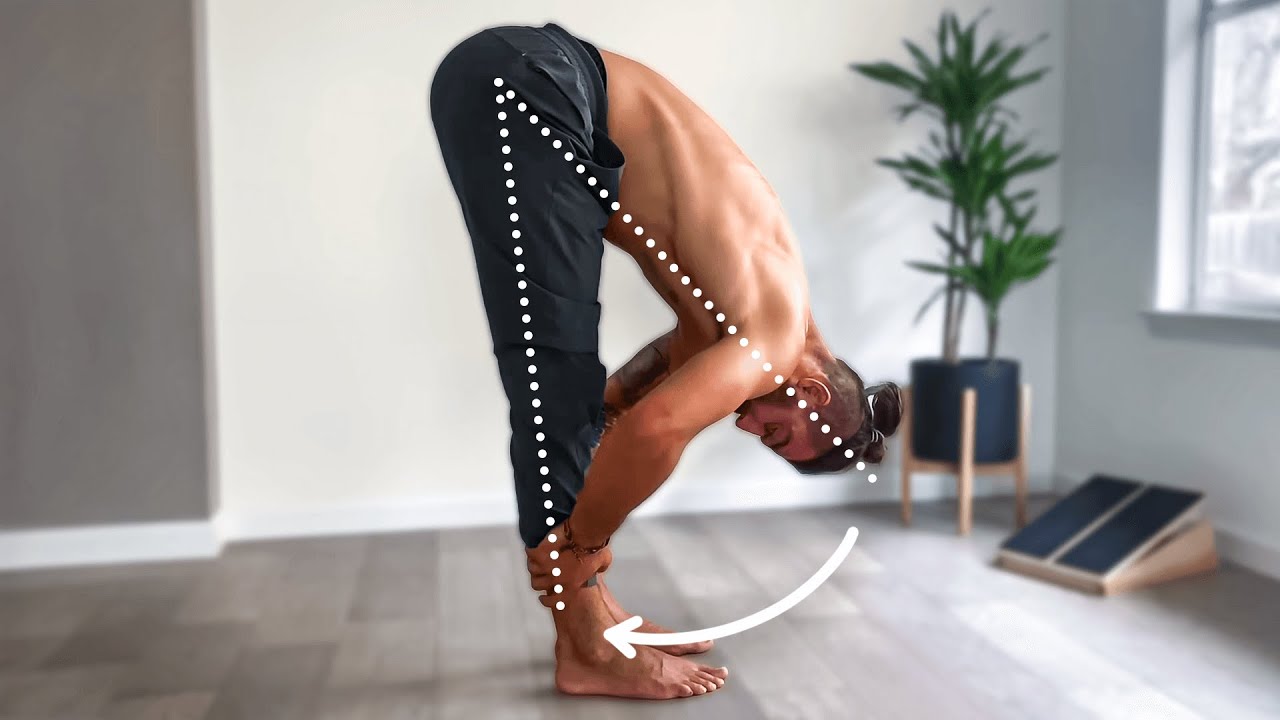
have ever known your body could do and maybe by the end of this course you might find that you want to work more closely with me as one of my super successful students now let's jump right into it in the last video we tested a variety of myofascial release techniques and documented the results in this video we're going to go over the importance of strength and stability training in order to elicit long-lasting results so when you incorporate myofascial release and flexibility training into your routine you have to keep in mind that muscles don't just get
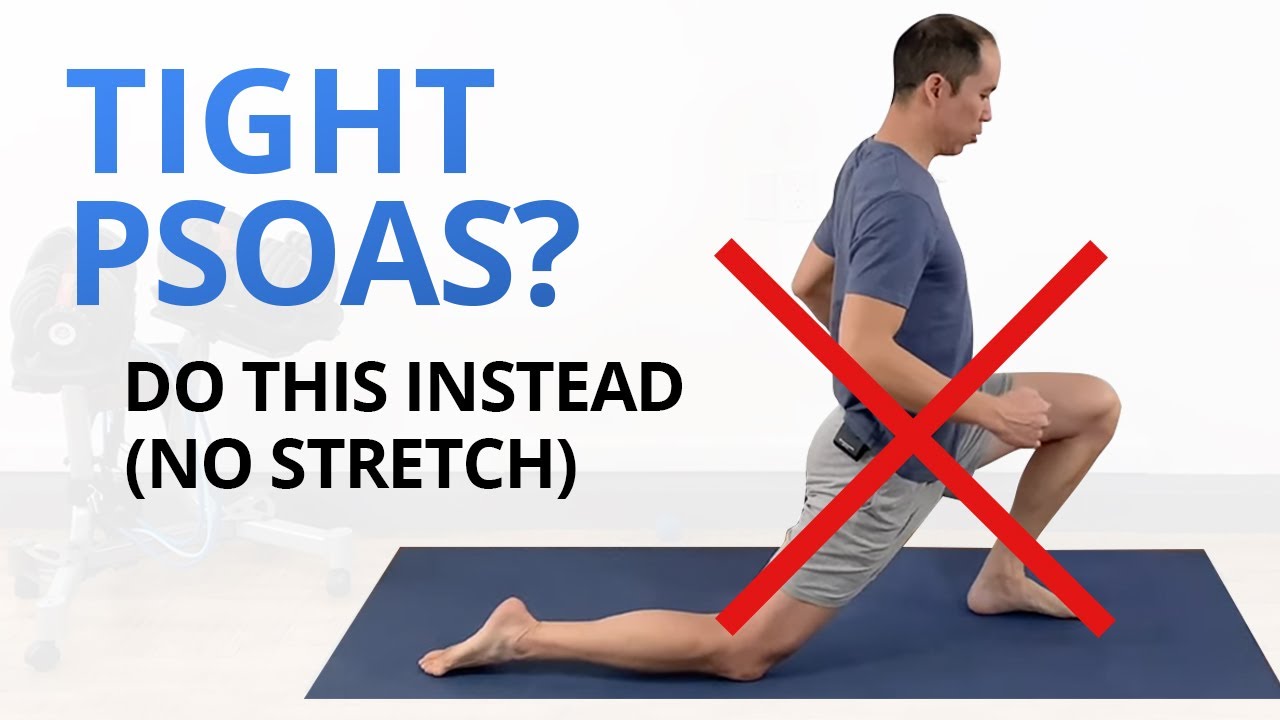
tight for no reason they're intentionally tight in order to restrict movement whether it be to prevent injury or to provide stability or both I'm sure many of you have found that the myofascial release techniques that we went over in the previous video allowed you to access a deeper range of motion however many make the mistake of stopping here and then suddenly they find themselves change their foam roller or lacrosse ball always searching for relief from their tight spasming muscles and that is because they didn't address the underlying issue which was the area of weakness or
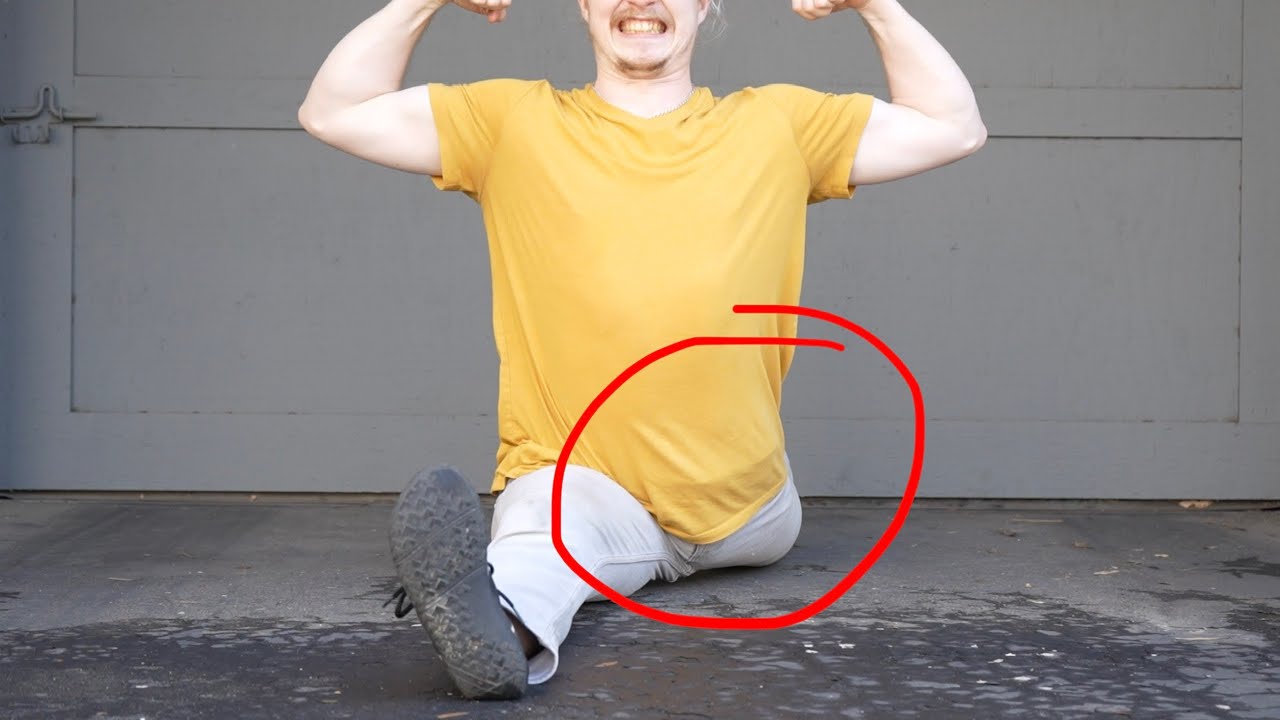
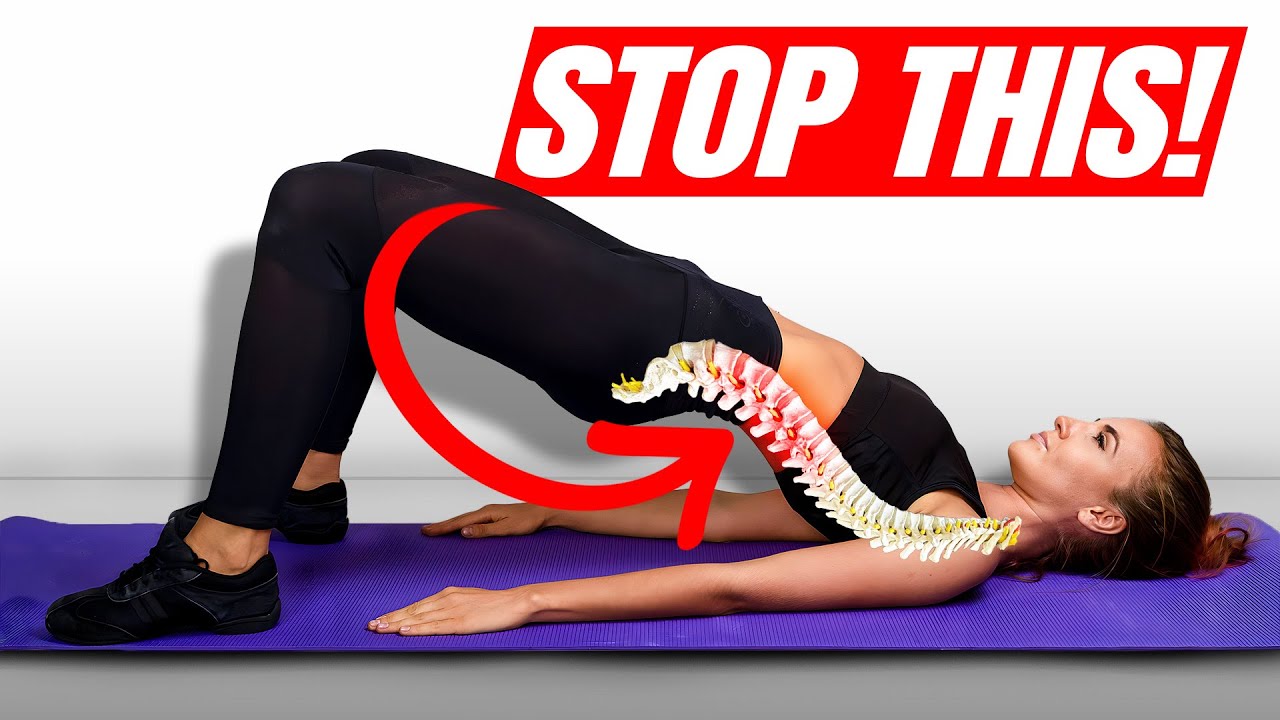
instability you see I myself used to struggle a lot with low back instability from overtraining flexibility without strength training when I was a rhythmic gymnast even though I was very flexible I had very little stability training and eventually my body couldn't support that huge range of motion as a young adult I began to experience extreme chronic muscle spasms in my hip flexors and qls to the point that I could barely lean from side to side without it feeling like my muscles were tearing after seeing many specialists I finally found a doctor who identified that my
core was weak and that my other muscles were overworking in order to stabilize my low back and hips in just a couple weeks of physical therapy where we incorporated combination of myofascial release and stability work I felt like a completely new person so long story short let's go ahead and go over the different types of stability exercises that you can begin to incorporate into your daily routine and just keep in mind the results won't be as instantaneous as the trigger point release exercises but I will say that they have elicited insane results not just for
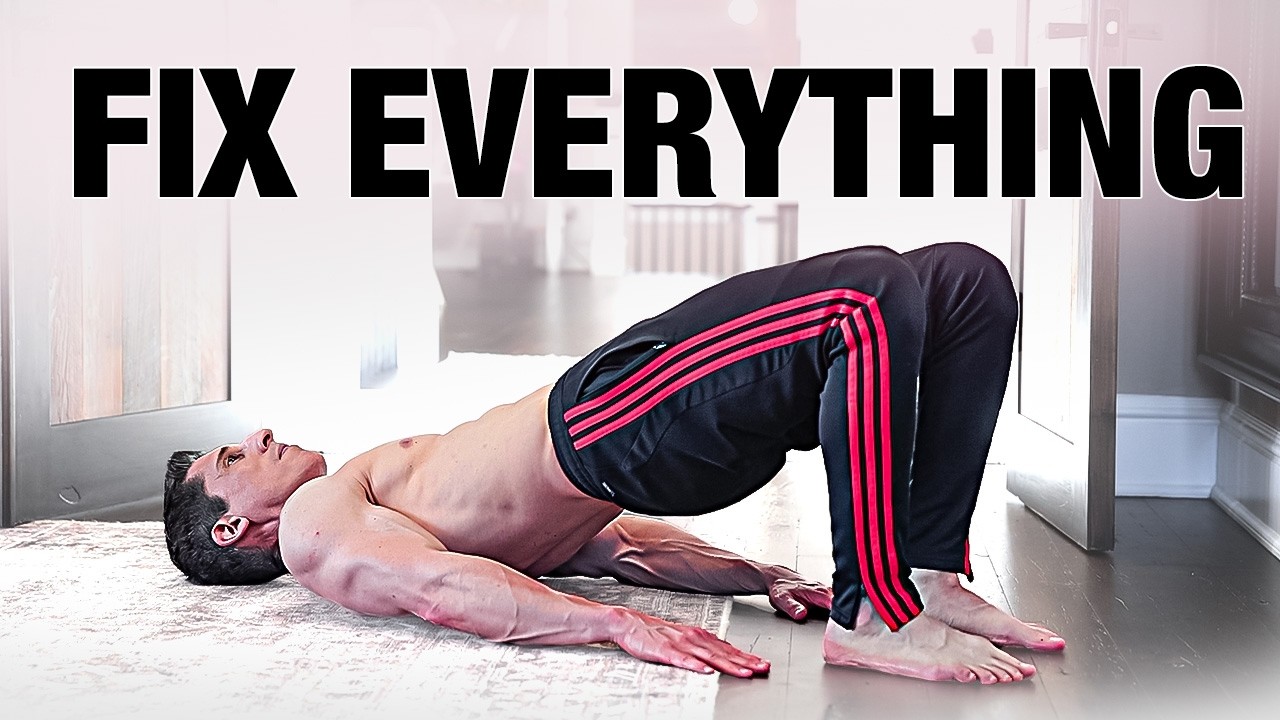
me but for my students as well so for all of you who have tight hips or upper back rather than trying to stretch or open them up let's start with some stability work so that you can strengthen your core and teach the muscles how to work together cohesively there are a ton of different exercises you could use to strengthen your core but if you stick to these five categories you should see very noticeable improvements if you stay consistent the first category is diaphragmatic or belly breathing which will be exercises that strengthen your diaphragm and pelvic
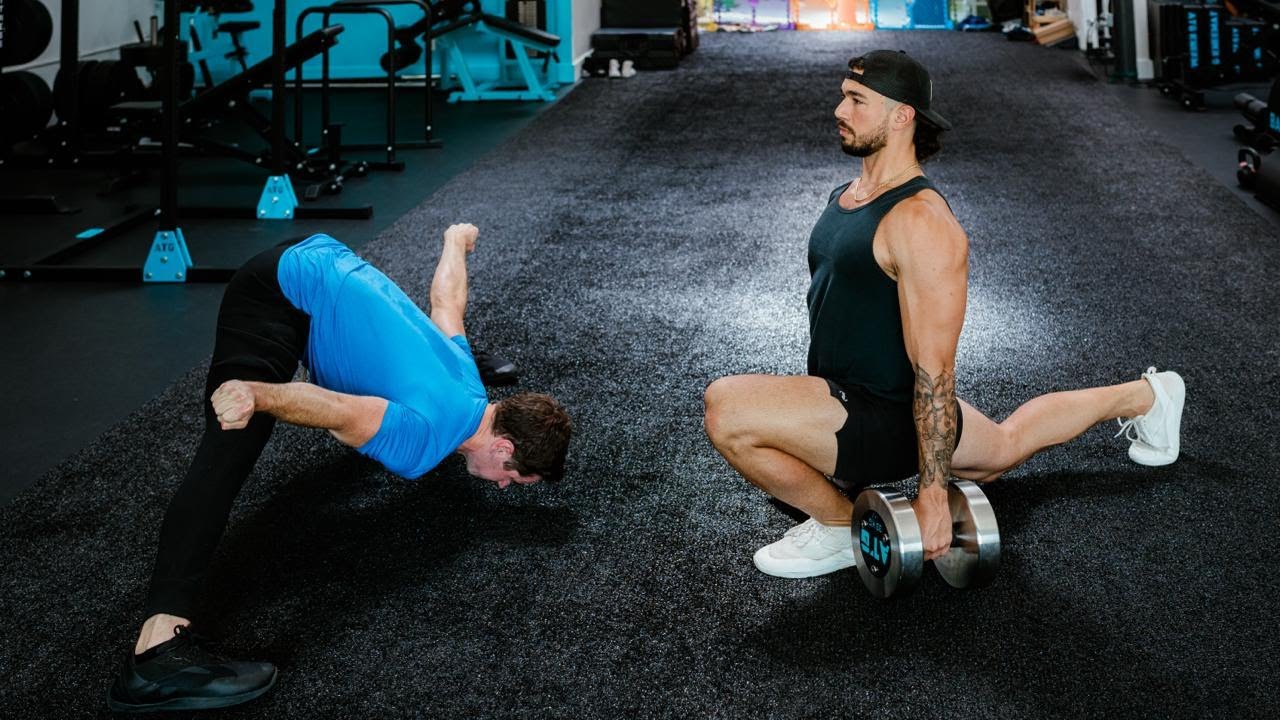
floor you'll want to think about breathing into your belly and inflating it like you're going to push into a weight belt the goal is to let your belly expand while not allowing your chest to also expand next are exercises that require you to resist rotation such as a pull-off press movements that involve an uneven load think about carrying in the groceries you pile them all into one arm but you don't walk crooked instead you engage your core and walk straight up once you've got your belly breathing down you'll want to incorporate it while you are
doing exercises that require a braced core such as exercises that use only one side of the body at a time so take a shoulder press for example instead of doing both arms at the same time do one at a time and boom you've got yourself a core stability exercise simply brace your core and avoid letting yourself lean to one side and finally I like to incorporate tools that challenge your balance such as a yoga ball or a bosu ball they make common exercises more interesting and are great for working your core and creating stability Insider
Flex Ed program we go into more detail on how you can incorporate these different exercises in a way that best serves your unique body safely and efficiently but hopefully this video gave you a taste of the types of exercises that will be beneficial in strengthening your core and teaching the different muscles how to work together to create stability for your entire body in the next video we're going to continue to implement what we have learned about stability and mobility and incorporated into exploring the other amazing things our bodies are capable of I'll see you in
the next one