the accumulated weight of evidence linking elevated resting heart rate to a shortened lifespan even an apparently healthy individuals makes a strong case for it to be considered in the assessment of risk it's got strong advantages taking one's pulses cheap takes a little time it's understandable to people and it's something everyone can do at home to measure their progress to become an active participant in their own health management every ten beats per minute increase is associated with a ten to twenty percent increase in the risk of premature death there seems to be a continuous increase in
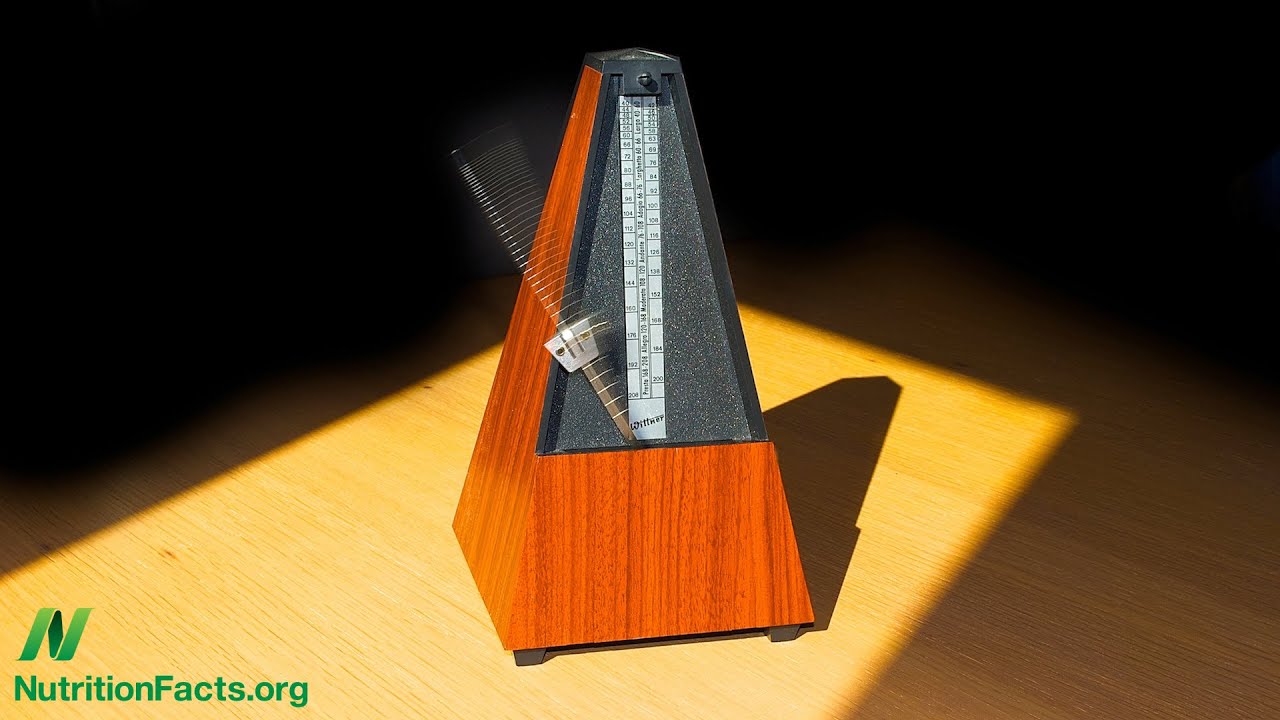
risk with increasing heart rate at least four values above about a beat a second so we can just look at our watches of our heart is beating faster than the seconds go by even more just sitting quietly then we have to do something about it especially when we start getting up around 80 or 90 men with no apparent heart disease evidence with the pulse of 19 have five times higher risk of sudden cardiac death meaning the first symptom is their last compared to those down the safety zone living up around 90 increases heart disease risk
at a level similar to smoking if you ask most doctors though 90 is considered normal the accepted limits of heart rate of long been set at sixty to a hundred beats per minute how they come up with that it was adopted as a matter of convenience just based on the scale of the squares on EKG paper a historical accident like the qwerty keyboard that just became the norm sixty to a hundred doesn't even represent the bell curve and these cardiologist measured the heart rate of 500 people conclude that 45 - 95 was a better definition
of normal rounding to 50 to 90 which a survey of leading cardiologist conferred with concurred with now we know that normal doesn't necessarily mean optimal but dr. shouldn't be telling people with heart rates in their fifties that they're too low in fact they may be right where they should be certainly a heart rate higher than 80 should bring an alarm bell but what can we do about it exercise is one obvious possibility ironically make the heart go faster so that the rest of the time your heart beats slower the public health benefits of physical exercise
especially for hard protection widely accepted and among the many biological mechanisms proposed to account for this risk reducing effect is autonomic nervous system regulation of the heart that's your brain's ability to slow down the resting beat of our heart if you put people through a 12-week aerobic conditioning program of cycling Stairmaster running on a treadmill you can drop the resting heart rate down from about 69 to about sixty 60 three beats per minute drop of course you have to keep it up stop exercising your resting heart rate goes right back up exercise is just one
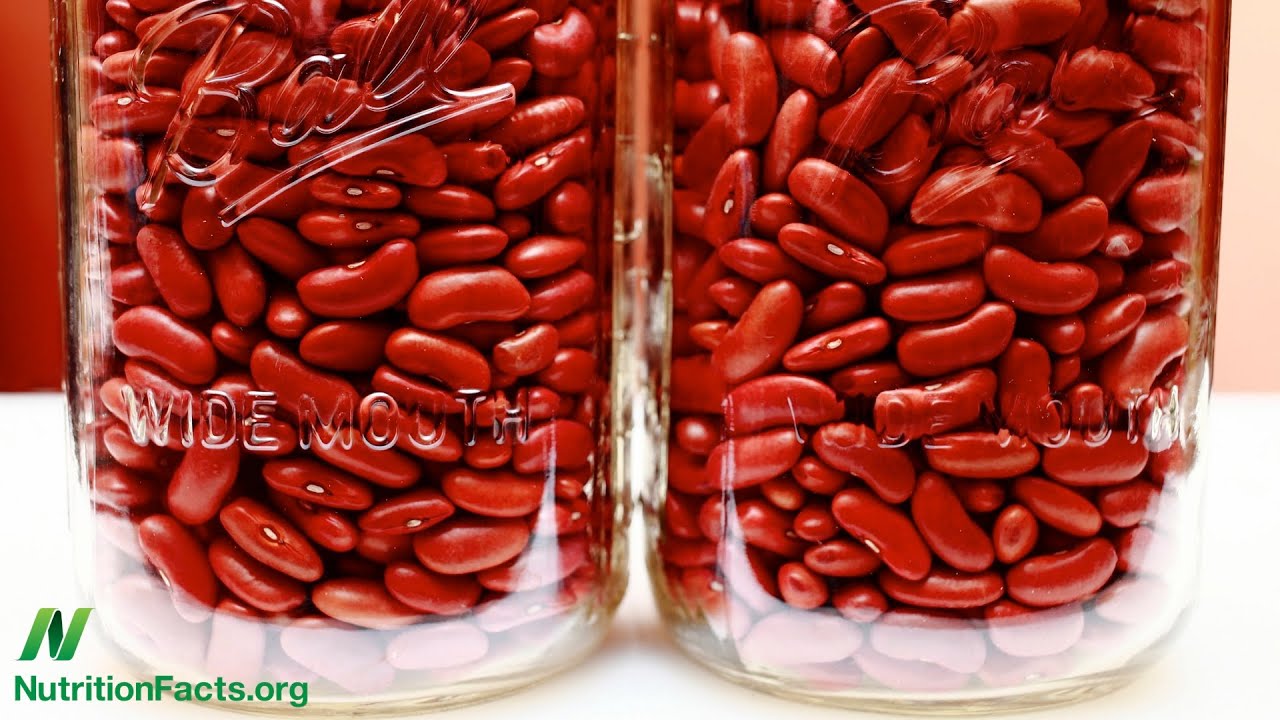
way to drop our heart rate though the way to our heart may also be through our stomach what if instead of three months of exercise you did three months of beans a cup a day of beans chickpeas or lentils the first randomized controlled trial of beans for the treatment of diabetes and indeed successfully improved blood sugar control dropping a1c levels from 7.4 26.9 but this is also the first study to ever assess the effect of being consumption on heart rate and indeed one of the few to determine the effective on heart rate of any dietary
intervention now this is particularly important in diabetic since having a higher resting heart rate not only increases the risk of death just like everybody else but also appears to predict greater risk of diabetic complications such as damage the nerves and eyes so how did beans do a 3.4 beat drop in heart rate just as much as the 50 hours on a treadmill we're not sure why beans are as powerful as exercise and bringing down one's resting heart rate in addition to the potential direct beneficial effects of all the good stuff and let go you know
there's also the potential displacement value of reducing some of the animal protein foods by eating so many beans instead regardless we should consider eating pulses for our pulse yeah