so a lot of times when people have shoulder pain they're prescribed by either personal trainers or physical therapists a lot of rotator cuff exercises so banded external rotations weighted internal rotations all those different kinds of things and varying shoulder positions and I don't necessarily think that those exercises are inherently bad but a lot of people actually run into issues that are not necessarily the same but sort of worse in in a way and all and today we're basically just going to talk about why and what you should do instead so again if we're going over
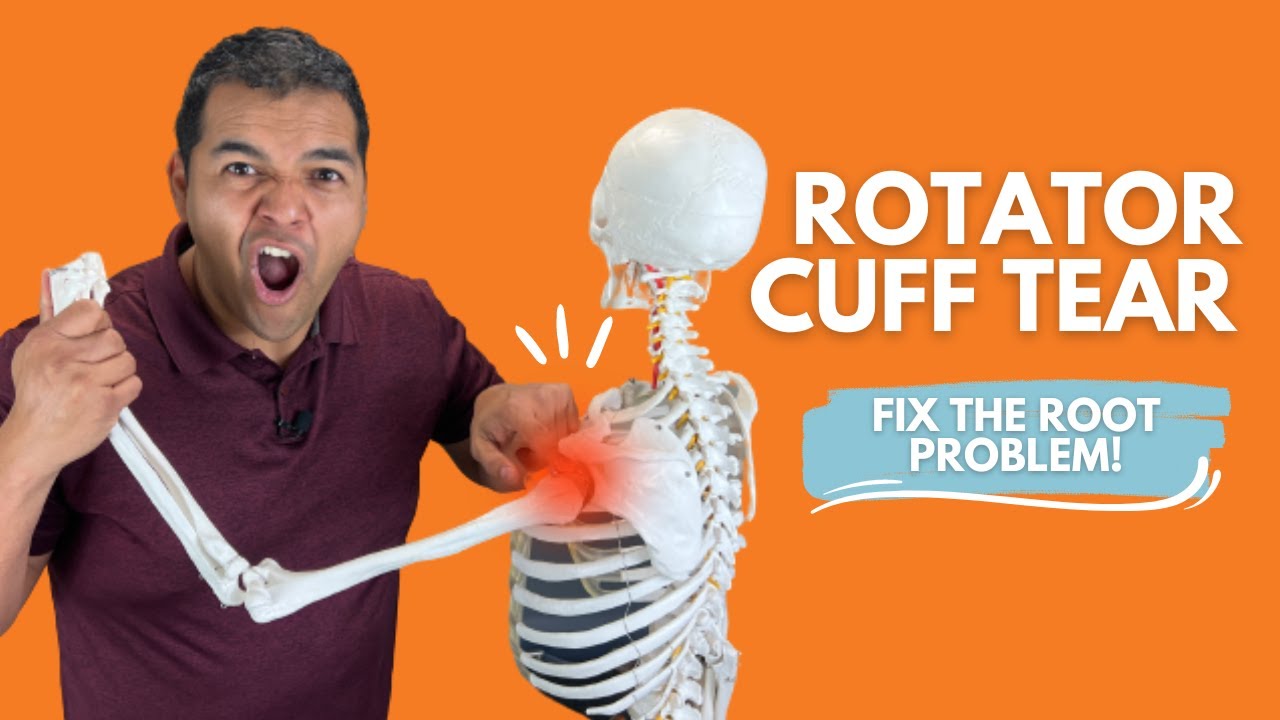
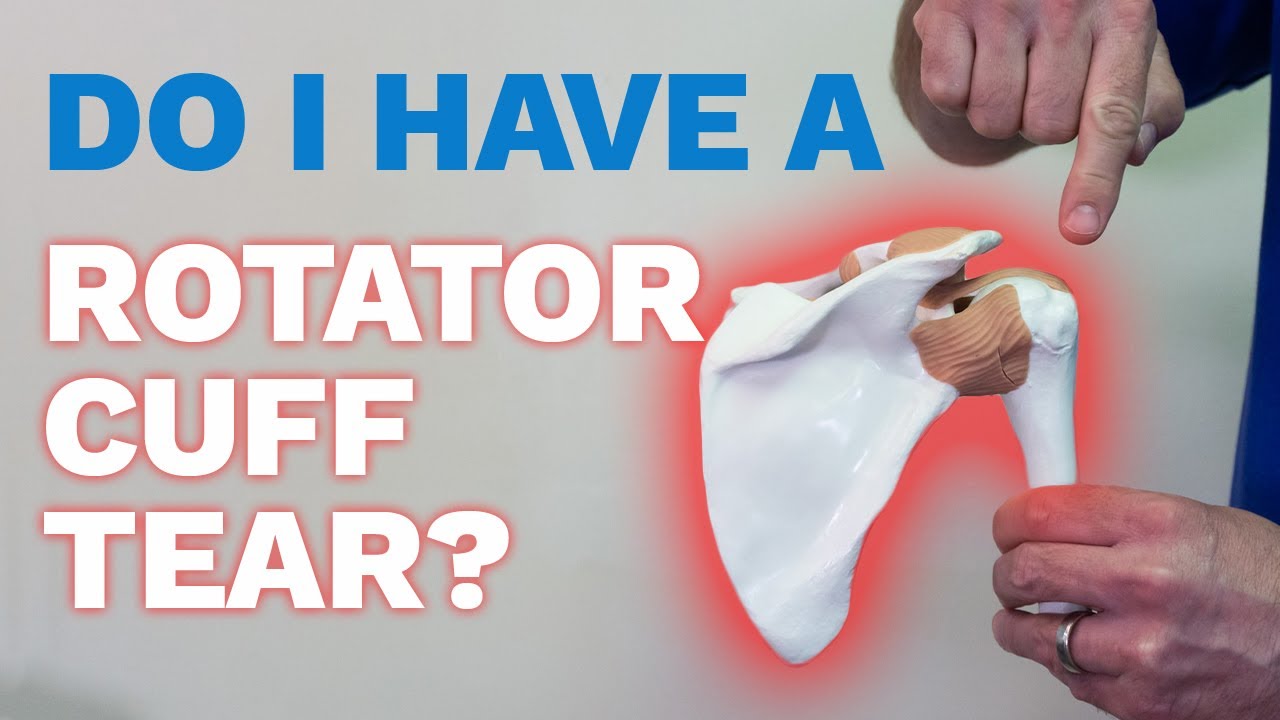
rotator cuff Anatomy right we have the supraspinatus which is going to kind of run on the top of the scapula in here up to the humerus we have the infraspinatus which is basically all these fibers are going to spin this way we have the teres Miner if you wanted to count the teres major we could count that as well and then underneath of here sort of on the other side you have the subscapularis which has tons of different divisions that span all along the inner border of the of the scapula and run up and sort
of in on the front of the arm so basically you have rotator cuff muscles that yeah you could say supraspinatus a b Ducks the arm this way but for the most part they basically just wrap around the head of the humerus right in sort of this more transverse type plane and they basically just do this okay they just create this rotation in this position okay and when the arm starts to move overhead like when we move the arm up we raise the arm up to our side um you know when we we go through different
portions of a press Etc what we're typically loading in the gym is sagittal motion so what do I mean by sagittal motion sagittal motion the sagittal plane is basically the plane that sort of faces front to back right so in the sagittal plane or sagittal motion is basically like you know rowing in various directions pull Downs in various directions pressing in various directions we're not really like loading a ton of rotation or at least if we are we generally feel like when we're trying to actually you know use things like our packs our lats our
delts Etc and so when we use these very specific rotator cuff exercises and again we are loading this rotation what we're essentially teaching our body to do is to try to actually manage load with these really small sort of joint managing type tissues that really effectively are just meant to basically centrate this joint okay so again you know if we were talking about muscles on the back side of the scapula here right infraspinatus teres minor they could technically perform this action because they attach to the back of the humerus but what if my arm were
to come up to some degree this way or some degree this way well now they would basically be pulling at an angle hopefully we can give a good visual of this that would basically be through the joint okay so when I say through the joint I just mean that they're in a position right where they really don't want to do this external rotation thing maybe the lower fibers would here of this um of this infraspinatus these tears minor but once I get up to a certain point in flexion right some of these fibers a lot
of them basically are just running through the joint and want to do that to the Joint okay and in the case even where your arm is at your side usually it's moving through flexion and extension whenever we're doing anything in the weight room and we're not like trying to move through activities this way right no one really like went into the gym and was like hey let me like get my rotator cuff jacked right so effectively as we're going through these motions yes can these things contribute to a very very very very very very minor
degree to any movement in flexion and extension of course right but if you think about it really what the rotator cuff does if I had to sum it up in one sort of uh awesome sentence is it basically just centers The Joint so that it stays in the socket in various positions okay so hopefully maybe it'll be easier to show this without my scapula but basically even if you looked at the internal rotators like the subscap and the external rotators like the ones I've mentioned they basically both attach yeah to different sides of the humerus
but they effectively create this sort of like circular type line of pull that as a net effect even if again they're applying an internal or external rotation Force just pull the joint this way okay and not to mention we have biceps and triceps that also cross the shoulder joint mainly the you know the long head for example um of the biceps the long head of the triceps in which case it will attach somewhere here and attach somewhere down onto the lower portion of the arm right that long head of the triceps is a really really
good joint centrator in addition to the long head of the biceps which would run sort of through this little Groove here on the humerus and up and underneath of the scapula so these things basically the summary of this is like the muscles that run really really tight to the axis right which would be somewhere here depending on what motion you're talking about are basically just meant to pull these things together and when you perform motions that intentionally load that rotation to strengthen the cuff oftentimes what you're doing is yeah like you're loading it from origin
to insertion and if you specifically wanted to get those strong for some weird reason like you could but effectively what their actual function is right I hate to kind of say that but like what their function is is basically to keep this together while all the other big muscles I.E the lats you know the teres major the delts the pecs all those guys are going to be the prime movers not only because they're you know five times the size but also because they have insertions and they're basically located in places that can actually create significant
amounts of rotation so if you look at your lats and your pecs they're attached down here onto the bone so they pull the arm in various directions and they're really really good at creating these sort of gross type motions right basically um you know motions that are loading us you know inflection and extension in various planes to be able to actually move the arm really really great distances right the rotator cuff even if it really wanted to could only sort of Wiggle this thing in the socket so you know if if you're not convinced so
far and you're like no I you know do these rotator cuff things and it feels great great good for you it's not the majority of people in my experience if you wanted to take this a step further and sort of think about the hip okay you don't really see people doing a ton of like loaded hip internal external rotations with a lot of success specifically because what you're basically telling your body to do in various situations is to load internal action or rotators of the hip so you know piriformis and specific planes the Gemelli the
obturator like all those guys the tfl which are going to rotate the hip right actively I don't have a hip to demonstrate in that same sort of a fashion but again that's you know again a joint action they perform but they really all are just trying to basically shove that hip and keep it into its socket in the various planes of motion okay so important to recognize that like those are the little guys that sort of surround the hip but just because they surround the hip and they have a moment to be able to create
rotation doesn't necessarily mean that we're actually trying to actively load those things as opposed to something like glute Max quads hamstrings adductors all those different tissues are going to be the prime movers of the hip and while again you could say oh yeah the rotators are the prime movers of rotation that would be true to some extent but again we're not really looking to to load that and really grow that in the gym so the long story short here is basically rotator cuff functions to centrate the Joint we're not really supposed to basically load these
tiny tiny muscles and to try to use these tiny muscles to take tons of load right that's what the packs lots and delts are for and the same thing will apply to the hip and again all those deep hip rotators that we mentioned we want to load the things like the glutes the quads the hamstrings the adductors as opposed to that because those are the things that are able to create tons of gross motion and rotation and also are the same things that are basically able to actually create tons of force and to deal with
tons of load in varying directions okay so hopefully that makes sense if any of you have any sort of commentaries disagreements um would love to sort of see it in the comments section and again any sort of specific questions that I can answer that weren't clarified here please let me know

![3 Keys to Rehab a Rotator Cuff Tear & AVOID Surgery [UNIQUE EXERCISES]](https://img.youtube.com/vi/o9fiTFfW4uU/maxresdefault.jpg)