[Music] have you ever wondered why fiber-optic cables are faster than copper wire the answer as it turns out is pretty interesting copper wire has been used for electrical wiring since the very invention of the electromagnet and Telegraph hundreds of years ago when the telephone was invented in the late 1800s copper wire became the go-to material for long-distance telecommunications copper would prove to be an invaluable material for many decades to come until the invention of fiber optics in the 1950s while it would take several more decades for fiber optic to be used widely for telecommunications it
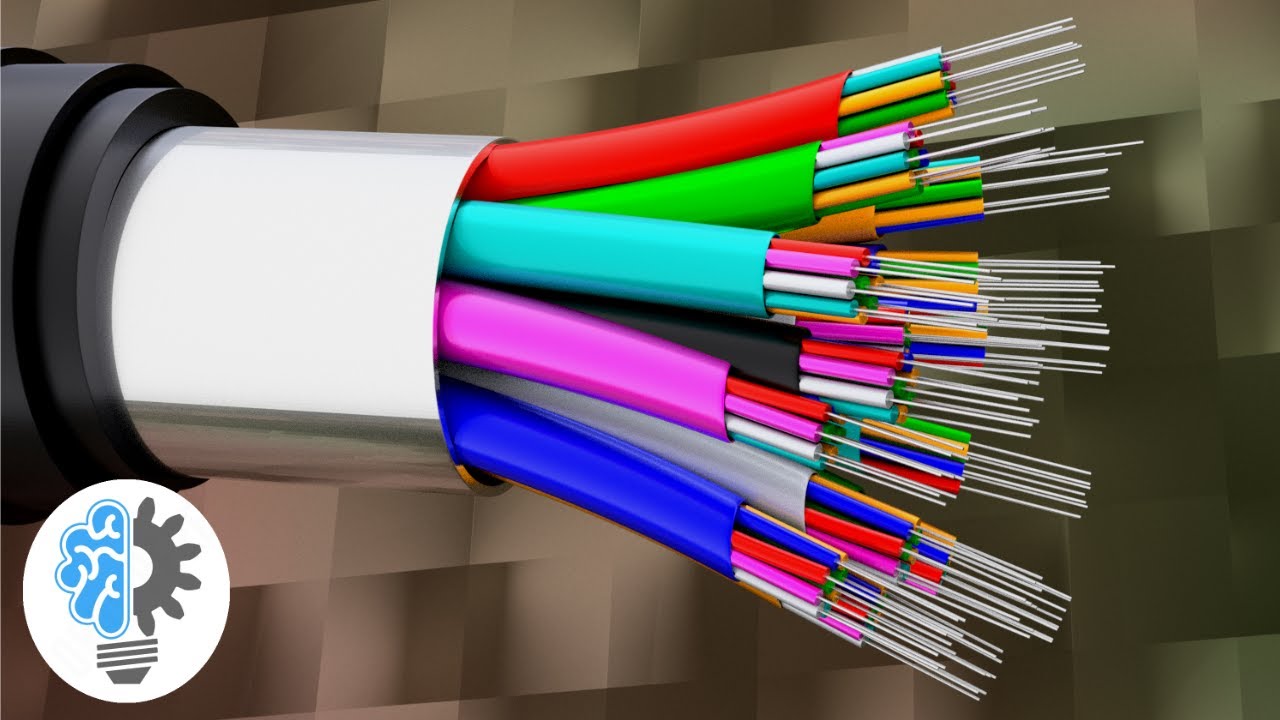
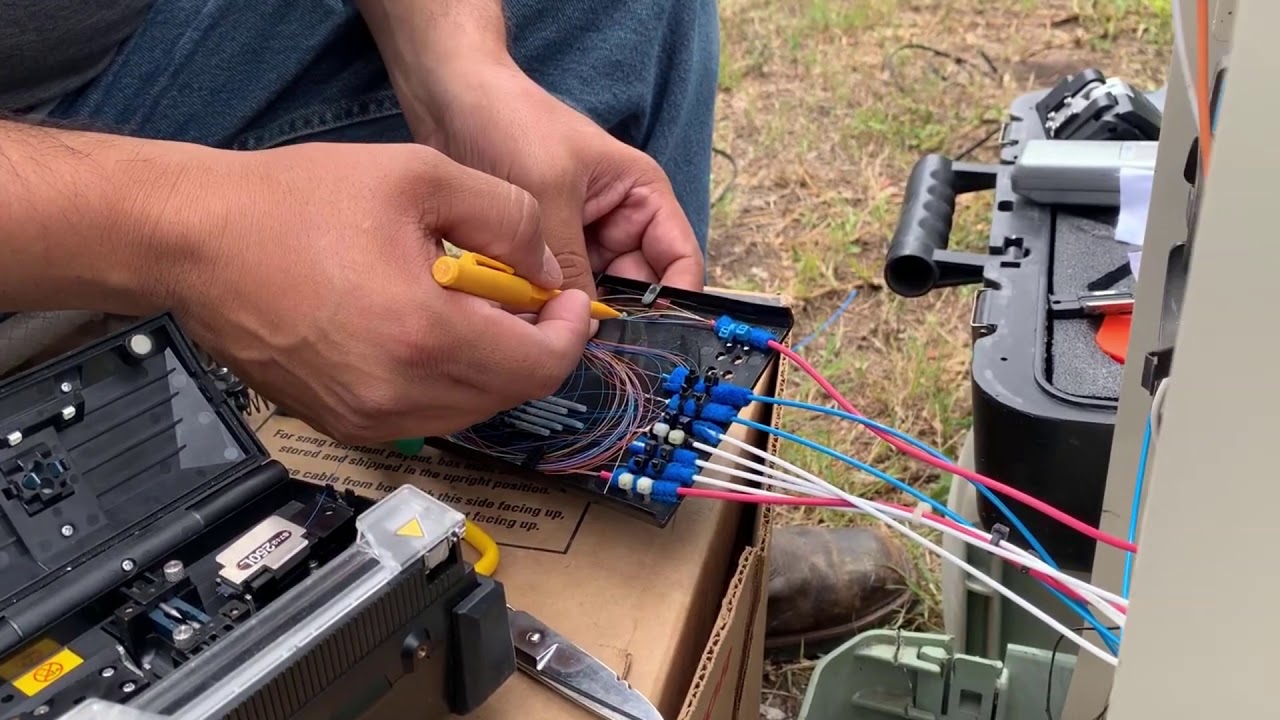
would eventually superseded copper cables for many uses but why fiber optic cables use pulses of light generated by an LED to transmit data along strands of glass or special plastics copper on the other hand relies on the transmission of electrical currents along its length to perform the same function data is transmitted on copper cables as electrical pulses a detector receives and decodes the signal however the longer the signal travels the more it deteriorates this is a phenomenon referred to as signal attenuation with fiber-optic cables the transmitter converts electronic information into pulses of light the pulses
are given in a binary system with one pulse equating to a 1 and no pulse equating to a 0 when these light pulses reach the other end of the cable an optical receiver converts the pulses or lack of pulses back into electronic information so far so good although it might be important to understand what is meant by faster when comparing the two when discussing the relative performance of either fiber optics or copper wire the term faster is a little deceptive both fiber-optic cables and copper wires transmit data at speeds slower than the speed of light
in a vacuum though some recent developments in fiber optics have managed to come closer to the speed of light yet either copper wire or fiber optic speeds could in theory transmit data around the earth several times a second for all intents and purposes when comparing the speed of the two what we are really talking about is something called throughput or capacity these terms relate to the relative quantity of data transferred per unit of time fiber optic cables have without a doubt the higher throughput of the two especially over long distances a local area network using
modern copper lines can usually handle around 3,000 telephone calls at any one time fibre optic cables on the other hand can usually handle more than 31,000 calls at a time this difference in throughput of data is determined by the frequency range that either cable can manage the higher the frequency range the greater the bandwidth and the more data that can be transmitted through the cable at any one time this is the key difference between the two types of cable fiber-optic cables have a significantly larger bandwidth capacity than their copper wire counterparts for this reason fiber
optic cables can carry much higher frequency ranges than copper cables copper wire also has the problem of attenuation or signal loss at higher frequencies when compared to fiber optic cables fiber optic cables are also far less susceptible to noise and electromagnetic interference than copper wire as the latter is made of metal another problem experienced by copper wire is that it can lose signal quality along its length over a distance of say 200 miles fiber optic transmissions will show little or no loss of quality while transmissions over copper wire will show significant degradation so while copper
wire is still used because it is cheaper than fiber optic cable and it is becoming faster fiber optics still comes out on top for many uses you [Music]