hello everybody this is Talon nutrition plays a big part in the big picture of your health and fitness and it can be pretty basic or very complex depending on how committed you are to your goals and how far down the rabbit hole you dare to go now there's one thing about nutrition that everyone seems to be aware of nutrients I mean it's literally in the word today's society seems to be pretty familiar with what are known as macronutrients those being carbohydrates fat and protein and unfortunately alcohol the main reason being that these four nutrients are
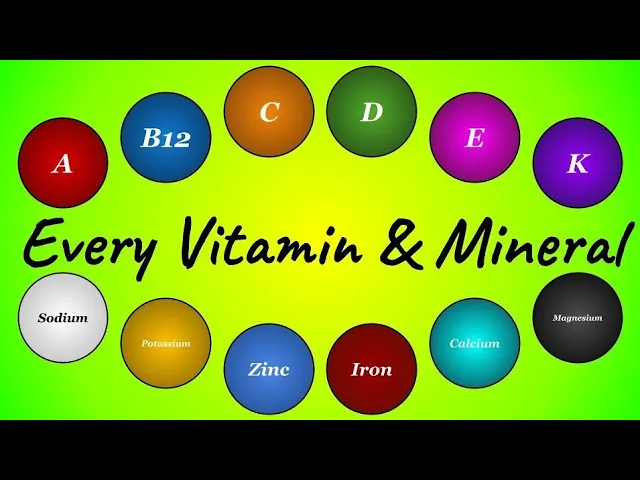
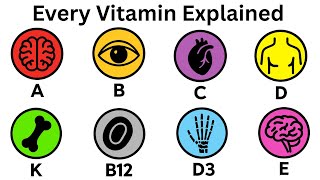
the only ones that contribute anything calorically the of the nutrients you see on a food label are what are called micronutrients vitamins and minerals they come in much smaller quantities and they don't contribute any calories instead they maintain many essential bodily functions today we're going to be going over how every vitamin and mineral works in your body as well as examples of foods to eat to make sure that you get a sufficient amount we'll start with vitamins vitamin A also known as retinol is essential for vision and will protect against cataracts but also plays an
essential role in bone development and immune Health as well as combating several typ of cancer good sources of vitamin A include eggs shrimp milk carrots and pumpkin vitamin B1 also known as thamin helps convert food into energy and is needed for healthy skin and nervous system function good sources of vitamin B1 include pork chops salmon and soy products vitamin B2 also known as ribo flaven also helps convert food into energy but is also necessary for healthy blood good sources of vitamin B2 include milk whole grains and leafy green vegetables vitamin B3 also known as nasin
has a similar function to the last two aiding in the conversion of food into energy while also supporting the circulatory system good sources of vitamin B3 include poultry mushrooms potatoes and peanut butter vitamin B5 also known as pantothenic acid AIDS in the creation of lipids neurotransmitters steroid hormones like testosterone and progesterone and hemoglobin a protein in your red blood cells good sources of vitamin B5 include chicken broccoli avocados and tomato products vitamin B6 also known as pyod doxine helps regulate amino acids that play key roles in your sleep appetite and mood it also AIDS in
the creation of red blood cells and maintaining your cognitive and immune functions good sources of vitamin B6 include fish legumes potatoes and bananas vitamin B7 also known as biotin helps synthesize glucose and breaks down fatty acids it's also necessary for healthy bones and hair good sources of vitamin B7 include whole grains or Meats egg yolks and soybeans vitamin B9 also known as folic acid is necessary for cell creation and should be taken regularly by pregnant women to ensure the brain health of the child good sources of vitamin B9 include asparagus okra spinach and orange juice
vitamin B12 also known as cobalamin assists in making new cells and breaking down certain amino acids and fatty acids it also preserves nerve cells red blood cells and DNA good sources of vitamin B12 include meat poultry fish milk and eggs now if you're wondering what happened to vitamins B4 8 10 and 11 so am I apparently they no longer fit in the parameters of a vitamin which is by definition an essential nutrient for normal human growth that your body does not produce enough of on its own and it must be obtained through diet choline is
not a vitamin but it behaves like a B vitamin as it helps make and release a neurotransmitter called acetylcholine which AIDS in many nervous system activities good sources of choline include milk eggs salmon and peanuts vitamin C also known as ascorbic acid is an antioxidant that helps protect your cells from free radicals unstable molecules that can damage your body's cells it is also shown to help protect against cataracts and certain cancers good sources of vitamin C include citrus fruits broccoli bell peppers and strawberries vitamin D also known as calciferol maintains normal levels of calcium and
phosphorus in your blood both of which strengthen bones good sources of vitamin D include fortified milk butter and fatty fish vitamin E also known as Alpha too feral is an antioxidant that protects other nutrients like vitamin A and certain lipids from being damaged it is also shown to help prevent Alzheimer's disease good sources of vitamin E include vegetable oils leafy green vegetables whole grains and nuts and lastly vitamin K also known as filic Phil that activates proteins and calcium essential for blood clotting good source ources of vitamin K include cabbage liver broccoli and kale you'll
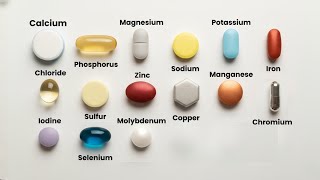
notice we're missing a few letters here that's because nutrition science has become more sophisticated in recognizing and categorizing certain nutrients to more accurately depict what they are for instance vitamin F was reclassified as an essential fatty acid known as linolic acid vitamins G and H were reclassified as B vitamins specifically B2 riboflavin and B7 biotin vitamin J is what is now known as choline that nonvitamin and I literally cannot find any evidence that vitamin I ever existed so that's fun now moving on to minerals first up we have calcium calcium builds and protects bones and
teeth it also helps with muscle contraction and relaxation blood clotting nerve impulse transmission hormone secretion enzyme activation and maintaining healthy blood pressure good sources of calcium include dairy products tofu kale and salmon chloride balances fluid in the body and is an essential component in digestion chloride is most commonly found in table salt sodium chloride chromium enhances the activity of insulin which helps maintain normal blood glucose levels good sources of chromium include meat eggs poultry nuts and cheese copper is essential in metabolizing iron and maintaining the immune system while also aiding in the making of red
blood cells good sources of copper include liver shellfish nuts seeds and beans iodine influences thyroid hormones which are in charge of regulating your metabolism iodine is most commonly found in iodized salt and seafood iron helps move oxygen throughout red blood cells and muscle cells through hemoglobin and myoglobin respectively it's also necessary for chemical reactions to make amino acids collagen hormones and neurotransmitters good sources of iron include meat poultry eggs green vegetables and whole grain magnesium is needed for many chemical reactions in the body and contributes to muscle contraction blood clot regulating blood pressure and building
bones and teeth good sources of magnesium include spinach broccoli cashews whole wheat and milk manganese helps the formation of Bones and metabolizes amino acids cholesterol and carbohydrates good sources of manganes include fish nuts legumes and whole grains malum is an essential part of processing proteins and DNA as well as helping break down toxic substances that enter the body good sources of malinam include nuts milk and legumes phosphorus helps build and protect bones and teeth and also helps convert food into energy good sources of phosphorus include dairy products meat eggs potatoes and almonds potassium balances fluid
in the body is needed for muscle contractions and maintains your heartbeat it is also shown to lower blood pressure and maintain bone health good sources of potassium include bananas avocados grapefruit and fish selenium is an antioxidant that protects against cell damage it also helps regulate thyroid hormones good sources of selenium include meat fish and walnuts sodium balances fluid in your body's cells helps send nerve impulses and is necessary for muscle contraction it also has a huge impact on your blood pressure sodium is most commonly found in table salt sulfur is necessary for stabilizing protein structures
and contributes to healthy hair skin and Nails good sources of sulfur include Meats fish poultry nuts and legumes last zinc AIDS in the creation of new cells and is necessary for proper function of the immune system wound healing and your taste and smell good sources of zinc include red meat oysters beans and nuts as you can see there's a lot that goes on under the surface when it comes to your nutrition that being said you can go as deep as you want or if you don't want to stress about it simply eating a balanced and
colorful diet will most likely take care of all of this now if you enjoyed the video or at the very least learned a little something I encourage you to subscribe and come back next week so I can continue helping you become the greatest athlete you can be