Strong over thin nutrition over calories that's what I want to teach the younger generation that's what you need to focus on weight loss a youthful appearance bone density a muscular physique brain function Hair Skin joint pain your moods risk of disease Your vitality all of these things are controlled by your hormones now hold up youngans I'm talking to you if you are a woman over AG 35 you need to hear this message Today I mean we all want to look great we all want to feel great we all want to avoid or lose the belly
fat n of us want to die of heart disease or Alzheimer's and that's why you've got to hear this message despite what your mom or your doctor might have told you about your options today we are busting open a mountain of menopausal myths and you'll learn why some of the most shockingly important information is being withheld from women by conventional medical Providers and the media today we're going to explore some groundbreaking new studies and debunk some old junky science it probably has you in the dark and seriously confused when it comes to your own Hormone
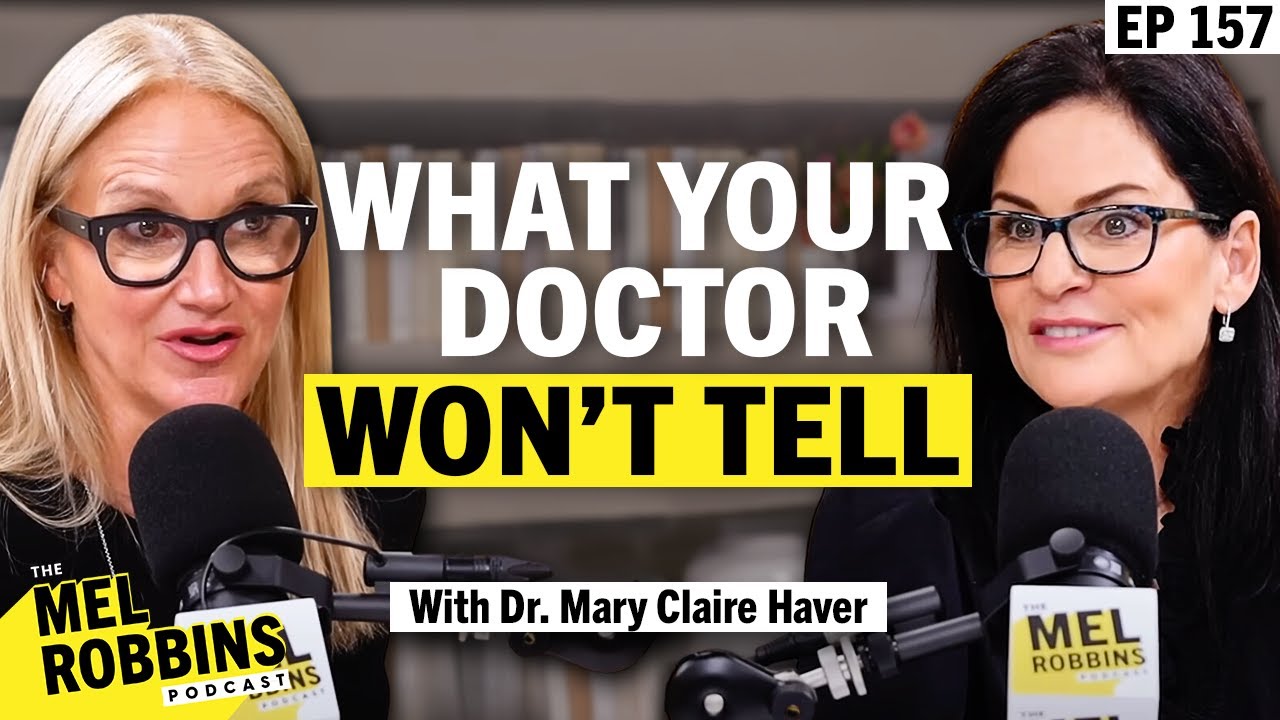
Health we're doing that today with renowned hormone expert Dr Mary CLA Haver Dr Mary Clair Haver has been a guest of the shelene show before we love having her back I discovered her during the pandemic like most people I was scrolling Tik Tok and at that time I Was per menopausal and kind of trying to navigate the roller coaster that is per menopause and I discovered some of her videos and was like the who is this woman she's brilliant I of course discovered that she was an OBGYN practicing in the state of Houston Texas she
is a very accomplished physician treating thousands and thousands of women in her Clinic she's a board certified OBGYN she's an educator she's the founder of the gavon diet she's been Married for over 25 years has two grown daughters and what I love about this woman is she is not only a medical doctor but she's also certified in menopause certified in menopause did you know that the average medical student gets about 6 hours worth of training on per menopause in menopausal women she's also certified in culinary medicine and specializes in Medical Nutrition I mean could you
ask for more today we're answering all of your questions and more I have a little favor before I invite her on to the show it is will you please send this episode to any woman you know who's approaching age 35 or who's 35 and older I don't care if she's 60 years old or 70 years old or 42 years old like every woman over the age of 35 deserves the truth all right without further Ado let's get to it I think there's a lot of women just based on the questions that I got when I
mentioned that you're coming back on the Show I was shocked at how many women um don't know the difference between per menopause and menopause um wondered if there was actually a test that you could take so let's start there and talk about first of all what are the definitions of the two and symptoms of each yeah and I I get a lot of questions about postmenopause like you never talk about postmenopause and I'm like I think we're trapped in nomenclature here so we have normal reproductive function you're Living your best life you're having a period
once a month now this is not for our PCO scires that's 10% of your audience knows who they are but you know for 90% of us regular Cycles pretty much once a month unless we're pregnant or suppressing for whatever reason and going along our day our periods aren't bugging us too bad we're living our best lives we're able to function and do all the things whether we're on our periods or not so then that's Prem menopause Okay per menopause means around per means around so it's the time between menopause is one day in your life
it is defined as one day after your last menstrual period so if if you're over the age of 45 and you have not had a period for a year you're menopausal I don't need blood work to confirm that that's that's what it is so everything after that from that last period until death is postmenopausal so when I'm talking menopause menopausal that's what I'm talking about time Parry is the transition between rocking your best life and your period stopping and that period is marked by an estrogen decline but it's not a steady state it is a
roller coaster of rock and roll up and down and it is for some of us none of us knew it was coming or that what hit us you know I G lit myself this was my job I was an Obin physician and I could not diagnose my own per wow yeah we you know why because we're Conditioned to blame ourselves we've been told that we're we're dieting wrong we're eating wrong we're not exercising the right way we're not sleeping the right way everything we're doing is wrong so so Parry is transition so how about testing
how do we know these things so say you've had an IUD or a hysterctomy or some reason where you don't have period okay how do you know how do you know that's where the blood work could come in and be helpful you Know if you're symptomatic then we can check an FSH or an EST and or estradiol level and have a pretty good idea yes you're done your ovaries have shut down they're not coming back to life okay per menopause because the hormones fluctuate so much on a daily basis there is not a good blood
urine or saliva test that has shown to be consistently able to diagnose per menopause per menopause is a diagnosis made on clinical symptoms Excluding out other similar causes so when a patient comes to me and Perry and she's like I've got this this this this this okay first of all I go I believe you yes you do I absolutely believe you and they start crying immediately that's why I have an hourong new patient visit and so then I say okay let's start talking about treatment options we're like What so let's start treatment now blood work
I do get I check a blood Cel a complete metabolic panel I'm checking Autoimmune levels if if she has X Y and Z symptom I'm checking for nutritional deficiencies I'm checking for um Fittin and iron levels you know I want to make sure I'm not missing something that is running alongside this Perry menopause that we need to treat but rarely am I doing a full hormone panel for this young woman I know she's in per menopause I believe her but so you're not doing a panel to see like where her levels are because you know
they're Going to fluctuate so much very interesting okay so therefore if someone a woman is Pam menopausal how then is that a time when she would start doing hormone uh supplementation okay yeah she could now now how do how do we start that the biggest difference and I saw that as one of the questions coming in how what's the difference between hormone pill you know birth control pills and hormone therapy yeah not much okay they're you Know estrogen and progesterone is the core estrogen is the core of menopause hormone therapy okay birth control pills were
designed to supress ovulation so you don't get pregnant that's what they were built for okay we use them for a lot of things things though we use them for heavy periods acne cramps you know we do a lot with that right menopause hormone therapy was meant to stop hot flashes that's what it was built for you know now we know it also protects Against all these other things and we'll talk about that the biggest difference between the two is dosage okay okay we need much higher doses to supress ovulation than we do to support a
menopausal woman okay that's the biggest biggest difference between the two and so say a per menopausal patient comes in and her world is being rocked and she also is having horrific acne or really really bad cramps and we've ruled out polyps and fibroids and you know we we Know that it's pure Perry menopause causing her Cycles to drive her insane I might consider the doses in a birth control pill because I want to suppress her ovulation because it will also take care of those other problems so it's kind of like a two in one yeah
okay whereas if she's closer to full menopause where her periods are starting to space out and they're not super heavy they're not driving her crazy she just needs to sleep and her get these hot Flashes under control and she's interested in the long-term health benefits I might just start putting her in menopause home therapy at a higher dose you know because she's still cycling a little bit to see if that's enough to get her under control it's trial and error I go based on symptoms not blood work I listen to the patient I'm constantly in
communication with her and what worked for her for a year in two years we need to change the dose Again and that's okay I test every I've been testing 6 months uh since age 45 is that Overkill it you know if you've got the money and you don't mind it and it's you're curious okay it's fine but I you know I have X amount of do you know these patients are desperate and and I'm trying to give them the most economical medically sound case you know if she's asking for testing I'll do it if she
hasn't mind pain for it you know if Insurance won't cover it and what what about the woman who is without symptoms like so she she knows she's uh param menopausal just based on her age and maybe some inconsistency in when she gets her cycle so she knows she's paropa she doesn't have any symptoms per se would you recommend she test if I'm considering hormone therapy so so the question is like around hormone therapy there's not a blood test that's going to tell me now there's some experimentation Being done with with the it's used in fertility
a lot the malarian hormone testing and so but there's not great data to it'll tell you how what's your fertility like How likely you are to have a baby and some of them can tell you if your menopause is probably within two years but if she's asymptomatic I start talking about what could hormone therapy do for you healthwise long term even though it's you don't have hot flashes and you feel Really good you could have a lower risk of depression you could have you're definitely going to have stronger bones you know um you're definitely going
to decrease your risk of dementia if you start early okay we have Windows of opportunity here and we're definitely going to protect your vagina uterus and bladder sorry yeah vaginal wall genitalia and the bladder so from GSN General urinary syndrome of menopause I think especially for women it's so nice To have someone who we we know is out there like advocating for us and especially from the side of the fence that you're on like being a medical doctor I think sometimes we feel like we're underrepresented that the studies don't ever take us into consideration that
we're being lied to that the information is being withheld from us so it's nice to have someone like you to follow on all the social media platforms to pick up one of your books and which We'll talk about in a little bit but can I just like Jump Right In and the first question I want to ask you is when it comes to hormone replacement therapy there's so much I think still fear around it and a lot of women that I hear from say I I I'm afraid to do it I don't want to do
it my mother didn't do it and also uh I have a family member who had breast cancer so therefore I I don't think I'm a candidate so to those women what do you say your fear is based and Is real okay based on what the prevailing information has been probably the last 20 years there is a reason you're feeling this fear now let's talk about why that information was put out there and what it actually means today and what we've learned so it was one study so prior to the Women's Health Initiative which is the
study that led to the fear based you know thought processes around HRT almost every woman was offered hormone replacement therapy prior to 2002 once she became an apostle yes it was standard therapy there had not been a randomized control study to show the benefits for heart disease and you know possible Alzheimer's dementia Etc but the observational studies meaning let's look back at all these women who were taking hormones for their hot flashes and see how many of them and it looks like they're having less heart disease So we've we knew that for a long period
of time compound that with for years women in general were excluded women of reproductive age were excluded from most medical studies because we were hormonal and they felt like they would get inaccurate results yeah too many variables for for the scientists and that led to you know all these dosing especially cardiovascular medicines the statins a lot of the you know meds were never really tested on women and Certainly not on women in menopause or reproductive age so the Whi they had a female director of the National Institutes of Health for the first time so this
is this is 1998 and she gets this initiative to we are going going to have the first randomized controlled study so we're going to have Placebo versus medication and they picked primin and prro which were the two most commonly prescribed forms of hormone therapy at the time and They got some funding of course from from the pharmaceutical company um to test these two meds versus placebo and see if it really did help a woman prevent cardiovascular disease that was the aim of the study so women don't get heart disease typically until they're in their 70s
or 80s we're 20 years behind men like we catch up quickly but estrogen protects us you know in our in our premenopausal years so they average age of the women included in the study Was 63 years old and they were starting them on hormone therapy to see if they developed heart disease or not so for a lot of them this is like 10 years after they've entered into menopause way more than 10 years yes wow and so that's the first problem with the study it was much older than the typical woman ever would have been
starting hormone replacement therapy and so what they found was there was no benefit to heart disease and they did Find a SL slightly increased risk of heart disease only in the prpr arm okay so but when you look at Absolute risk versus and this was in the older patient so they and then so they stopped giving the prim Pro R Prim Pro and said you guys are getting breast cancer at too high of a rate to make you know to continue the study and then the primin only arm estrogen only arm kept going so the
women who are on estrogen only had a lower increased risk of breast Cancer and those that were diagnosed with breast cancer got had a higher chance of survival okay the prim Pro arm it went from four out of a thousand women per year which is Baseline that is the average risk of breast cancer to five out of a thousand women per year which is a 25% relative risk increase but it's the absolute risk is Tiny so and another thing about hormone therapy there is not another medication that is gatee kept from women or from you
know Nothing is gatee kept from men no man is told you cannot have this anything here are your risks here are your benefits let's make a decision do you want this m or not but for some reason we as a gender are told you can't have this it's we don't I don't believe in this like it's Santa Claus and so the fear of it came from the only thing that was reported in the newspapers because it sold the newspapers was estrogen causes breast cancer okay the estrogen only arm Did not have an increased risk it
was only the estrogen and and it was a very specific progestin wow it was maxy progesterone acetate proa is the par brand name m paa is what we call it medicine I never prescribe it like people like me we do not prescrib MPA you know because of the Whi study so when the French looked at 80,000 women and they went back and stratified breast cancer risk based on the type of progestogen that they were given Progesterone which is the body identical one versus all the synthetics progesterone which is what your ovaries make did not have
an increased risk it had the lowest association with breast cancer so these are the things I talk to my patients about if she still chooses not to pursue hormone replacement therapy your body your choice but I want you to make that decision based on a accurate modern information and not fear-mongering from A blown out of proportion study 23 years ago wasn't there a study that came out last summer that tended to change the narrative with regard to when women should start considering hormone replacement therapy the younger the better and obviously reassessing the estrogen component so
looking this is actually good Whi data so as they stratify based on when the women start even though the average age was 62 we had younger patients in the study so They stratified all these things by age and here's what we know the shorter your body is without estrogen the healthier you tend to be the lower risk of cardiovascular disease the lower risk of stroke the lower risk of most chronic diseases okay and so Mo the average age of menopause is about 51 and when they started looking at the numbers somewhere around 10 years without
estrogen 10 years without you know therapy or or age 60 if you do the math right um women had A benefit for decreasing their risk of cardiovascular disease estrogen is protective it's better at stopping a disease from getting started rather than fixing it once you're there so the older women who already had coronary artery disease who were then given estrogen on top of that actually did not get better and actually got worse so when I have a patient who comes to me over the age of she's been in a puzzle for 10 or plus years
but she's still hot flashing or Symptomatic brain fog all the things or her bones you know like she's got osteopenia and we're fighting fighting fighting to protect her I'll get a calcium cardiac score we're going a deep dive on her lipids you know to see do you have some pre-existing coronary artery disease if that calcium cardiac score is negative I feel very comfortable giving this older patient and offering her hormone therapy knowing that she doesn't have you know she's got Clean arteries I'm not going to exacer that disease and then she can get the rest
of the benefits what other symptoms would she experience improvements in aside from the preventive disease effect okay so that's a great question in this this new book I'm writing I do a deep dive I go organ system by organ system so I can't promise her but a lot of patients are having improvements and you know start from top to bottom brain fog asthma autoimmune disease Dental issues Wow um thyroid disorders um palpitations gut microbiome gut health absorption osteopenia osteoporosis muscle and joint pain this is a huge one so I mean there is not an organs
and I'm probably forgetting some there's a lot so there's really not an organ system that is not affected the only one I could find where HRT would make something worse was reflux so I always want a patient who and that seems to be Just the oral form of estrogen if we switch to a transdermal it's likely not going to affect her is that anecdotal with your practice or is that something that has been studied so when I went through the gastrointestinal research there was clear you know clear like women who have gird and this was
with oral estrogen tend to have worsening gird you know reflex gastrointestinal you know gastro esophageal reflex disease that's what gird is um but Almost everything else it's it's shocking how much you could get better how many organ system can be improved and other data showing women who happen to be given hormone therapy early in this cause have a lower chance of developing some of these diseases do you see a significant difference in the experience women have making the transition from perimenopause to menopause in your practice who are starting earlier on hormone replacement Therapy yes so
especially in mental health um at least my clinical you know so this is just my several thousand patients you know um but we we got decent data and research to back this up if a woman starts hormone support or hormone therapy or I I don't want to say replacement it's going out of fashion I like it I didn't know that so so so the the uh the trend is now to say hormone support hormone support or hormone therapy or menopause menopause hormone Therapy got it so replacement kind of like I don't know there's all n
nomenclature if I'm giving somebody hormones early like pre per menopausal she has a much lower chance of having exacerbation of her depression from menopause or new onset mental health disorders so it's very very very protective in the brain also osteoporosis and visceral fat for sure I mean we know it's preventative for osteoporosis gosh in visceral fat has Got there's got to be a correlation between visceral fat and depression right I mean like no no one's in a good mood when your pants don't fit it all feeds into each other you know it's like the same
thing that fix you know that decrease your risk of heart disease decrease your risk of dementia decrease your risk of visceral fat you know and so yeah and hormone therapy is one of the things in that toolkit what percentage if there is such a thing how Much of an impact do our genetics my mom's experience in menopause impact my own experience in menopause like so if my mom had a horrible time can I expect to have the same how much can that be mitigated by lifestyle um you know obviously doing hormone support exercise like all
the things we know that women who now these are patterns of behavior I wish I could tell you if you do one thing or two things or take the supplement you're going to have a much Better course but women who tend to be in the Blue Zone women who tend to eat Mediterranean women who tend to have regular cardiovascular exercise eat lots of fiber you know all the things we talk about all the time I at least I do um tend to have lower like obvious symptoms you know they sleep better they have lower hot
flashes Etc now that being said you can be absolute perfection in your nutrition and diet and exercise and have the worst hot flashes of your life So it's it's hard it's all about trending and patterns but it's not definitely a onetoone correlation okay yeah I think that's going to be reassuring for some people to to hear I know that for myself personally when I talk about my own experience which has been um I mean not a breeze but certainly way easier than a lot of the people who are listeners and people in my audience who've
shared their own experience there's almost like this Anger you know like well you just wait it's coming Missy you know like there's this kind of like people are kind of angry with me that um it has it hasn't been as horrible as I anticipated it being like we just really kind of villainize this idea of menopause where it's going to be horrible and you're going to be angry and overweight and you're going to look like a man and you're going to be depressed and have con and hot flashes and your life is Over and you
know and it just wasn't my experience like my experience I have felt absolutely amazing throughout it um but I and I know a lot of that has to do with what I did prior to being per menopausal and then the the lifestyle CH choices and obviously doing hormone support and exercise and sleep and all the supplements all those things but yet also um you know I don't know how much of that was genetics we don't either you know again Lack of research lack of funding lack of studies and I and I want to preface this
for probably 20 years I was a horrible menopause provider and I I'll be completely honest with you wow I relied on the training that I got in medical school and residency to govern how I treated a menopausal woman and thought I was fine I made A's on all the tests I blew the top off of the boards W I passed by B orals with flying colors and I got about six hours of lectures on Them pause in four years of training and I'm not exaggerating is that typical for most medical doctors oh yeah that's totally
typical and then I became a program director I taught medical students and residents I was in charge of the curriculum as dictated by the American Board of OB gen it's like man so we have OBGYN right so we have obstetrics which is probably 50 to 60% depending on the program okay so that's getting pregnant staying pregnant Delivering the baby boom okay okay everything else gets shoved into gynecology topic pregnancies fertility pediatric Gynecology um oncology the you know cervical cancer uterine cancer ovarian cancer all of that you know all important stuff and menopause is this little
tiny sliver left over at the end and when you think about it we spend a third of Our Lives if we're lucky I mean menopause is not optional okay and we Spend a third of our lives in menopause and we can intervene and do just as much as we in pregnancy yet we're getting a sliver of the training and when you look at research so Women's Health gets the shaft for research dollars okay it's it's despicable but then when you look inside of women's health if you just go to PubMed which is where we have
you know research articles that are peer derived and you know the the best of the best and you just type in the word Pregnancy 1.1 million articles come up right now okay you type in the word menopause and 94,000 articles come up it's 10 to one wow so we get a sliver of the total research dollars for all people and then we get a little 10% of that going all the brain power the research the so it's we have a lot it's a big shift to course correct and so I had to lean outside of
my training find like mindes go to these conferences get menopause certified and order to and I Realize I mean I want to apologize to every patient I tried to take care of wow for you know 15 20 years when we know better we do better I want to ask this on behalf of so many of the women I know who are watching right now and they're frustrated because they've gone to their doctor and um been given information or given the runaround they know that they're not getting the kind of treatment that they'd like what suggestions
do you have for them or Resources perhaps to to find a perhaps a Doctor Who's uh menopause certified or specializes or or has a level of knowledge and Care in this area exactly and you know one your doctor who delivered your babies and has taken great care of you may not be a great menopause provider and don't blame them they're busy they're under tremendous amounts of pressure they have 15 minutes to see a patient and menopause is hard you know untangling all these symptoms Is this hypothyroidism is it autoimmune disease is it menopause is a
lot of work and we're not really paid to do that okay we're paid to do surgeries and do procedures and and it it's just the system is set up to the menopausal woman so what can you do number one the menopause Society menopause.org has a list of certified providers on their website I can't promise you they're fantastic but at least it's a start number two on my website which is galon Diet.com if you scroll all the way to the bottom we have referred Physicians now these are personal testimonials my followers wrote for great menopause doctors
again when we just make sure they're practicing and have a phone number let you read their stuff and go find them number three I have resources on my website and our blogs how to Advocate yourself for yourself at your menopause provider I have the Articles to print out and hand to the doctor to Educate them I have the latest menopause Society guidelines I have the north you know I have the data from the American Heart Association saying it does not decree you know increase your risk of cardiovascular disease so and you can just take those
to go advocate for yourself I have a tremendous amount of free education all over my website all about this and call ahead ask to speak to the nurse ask them if they give if they even will have a conversation with You if you decide after understanding the risk and benefits for you that this is not for you fine but you deserve the conversation what would you say to that person who um has been told by their provider uh you're not a candidate but they they want a second opinion sure again try to find one of
those resources ask your friends a lot of people are told well I have history of blood clots or I have a a high risk for clotting disorder transdermal estrogen does not Increase your risk of blood clots only oral so you know vaginal estrogen everyone can take even if you have a blood clot right now even if you have breast cancer vaginal estrogen to treat vaginal atrophy is safe for everyone all types of breast cancer all types you can use vaginal estrogen it is not high enough of a dose to be systemically absorbed it stays where
it stays put wow okay well that that's wild um and I know there's still going to be those uh Women out there who are are not a candidate and I want to talk and I you know this really important for me to have you back on because I you do a great job of educating your public about lifestyle and uh proper supplementation and and and the diet like how much your diet impacts your hormones so can we start with some of the things so this is going to apply to any woman who's trying to mitigate
symptoms whether she's perimenopausal or menopausal uh this is For the woman who is doing hormone replacement or sorry hormone support or not yeah or not so this is this these are the kinds of things that are going to help all women in terms of hormone balance so what are some of the most important things we need to look at sure so in in forms of sex hormones so we're talking about your estrogen your progesterone and your testosterone those are the three main or androgens estrogens and progestogens so um we have Things that kind of act
like those in the body where like for example estrogens we have phytoestrogens which are plant-based products that Weekly bind to the estrogen receptor and may provide some relief and so these are things like soy a lot of fruits and veggies broccoli chia seeds nuts you know lots of plant-based products that have these chemical in them that act a lot like estrogen in the body and can relieve symptoms in some people Ashwaganda is one of them they don't work for everyone the Mina Society does not recommend them as firstline therapy but they're usually not harmful I
mean you definitely want to eat a plant Rich diet it doesn't have to be 100% plant-based that if that's not your your you know but you know the majority of your plate should be fruits and V you find that a lot of women that are at your clinic believe that soy is a no no harmful yeah so I mean that's just been Pushed push pushed on social media so much because it's a phytoestrogen there's not a single study to document it increases risk of any cancer as a matter of fact I think and if you
look in um Japan where they eat a diet tremendously high in soy because T and AME and all those things that's soybeans and they have some of the lowest risks of breast cancer in the world and so you know there's just it makes no sense now I would not do a lot of soy I would try You want to get things as close to the ground as possible and so I think you can overdo any nutrient you know and and the more variety we have in our diets from natural sources the healthier you're going to
be what are your thoughts on um dietary percentages so for example do you think as women begin to age that they need to reduce their carbohydrate intake um thoughts on intermittent fasting those sorts of things so I'm a big fan of fasting it's Not for everyone it's something I practice daily I try to teach my students and my patients how to do it um there's multiple ways to do it I don't but again if it triggers an eating disorder or hypoglycemia you know it may not be for you but as far as a top and
lowering inflammation it really seems to have there see there seems to be something there especially in the menopausal woman so that's one thing but it's tough you really have to focus on Getting enough protein intake so when I first wrote the gisin diet if I you know were working on a second edition and I'm I'm going to recommend more protein than I had before when you say you're you going to recommend more um can you give us a percentage that you might sure so at least 25% minimum um as far as your total caloric intake
so but again that gets a little tricky so I like to look at protein as based on your ideal weight so you know if you're if you're obese we Need to back it up a little bit but like most women know what's your ideal weight what what did you weigh at 25 you know so what is always your what's been your goal weight forever so let's work with that we're going to divide it by 2.2 to get kilograms and we want to get 1.3 to 1.6 and I'll tell you why I know FDA right now
is recommending 08 but they're not looking at women in per menopause in menopause they're not considering sarcopenia they're not considering Muscle mass loss with age and getting you away from that threshold of losing function and in the Whi the women who had 1.3 grams per day naturally in their diet they weren't on diets they just like trapped and and they went back and saw huh the women who were eating 1.3 grams of protein per day per per gr grams per kilogram of body weight had 34% lower fragility scores as they aged wow and the women
who had 1.6 had the highest muscle mass so that's where I'm Setting my patience because I have a body scanner I'm measuring muscle mass and da d da and the ones who are bordering sarcopenia they're really starting to you know they're really coming in low on their muscle mass I'm pushing them to 1.6 but if they look good they've got great muscle I'm trying to hit 1.3 okay I'm going to interrupt right here and just mentioned that I did a previous episode where I talked about the importance of protein and some Really simplified ways for
you to ET I did that episode earlier this week if you didn't catch it please I recommend right now that you look at the description below this episode and you'll see that I've linked to it if you're watching here on YouTube you can check this video out you're going to see very visual representations of like the amount of protein that you need to be consuming like what it looks like it's a really super simplified approach to this It's how I've been able to lose more than 10% body fat and actually gained more muscle while losing
body fat after being postmenopausal so it is possible it's such a simplified way like people are mad that it's so simple like all the fitness folks are a little mad that I'm saying this but I'm telling you if you're annoyed by the whole tracking and the mathematics that's involved in figuring out how much protein you need go check out this episode what Supplements do we need to look at when it comes to bone density and osteoporosis oh thank you for asking okay I love this so um you 80% of my patients are deficient in vitamin
D that is something that is going to help multiple organ systems across the board get your vitamin D levels checked put your foot down go to find a lab somewhere know where you are you should be supplementing every day so we have prescription St strength doses which are What I give my patients is 50,000 units a week that's to like ramp them up to normal levels and then we try to titrate them you know across so my patients will need four to 10,000 a day typically and it takes the full trial and error to get
them to where we can stabilize them you can usually do up to 4,000 international units per day without worries of toxicity the thing with vitamin D is you can become toxic if you take too much for too long so you really need to stay On top of it especially if you're doing those prescription strength doses so vitamin D is one number two great studies on a very particular type of collagen called forone and forone was studied in osteoporotic 65 plus year old women and showed Improvement in bone density versus placebo can you tell us what
is forone collagen so it's a very specific bioactive bovine it's it's animal derived collagen and I don't know if Other collagens would do it this is the one they studied and it showed that it helped they didn't look at this collagen versus that and that and that so I can't say other forms of collagen would not do this as well but I definitely can say this one so for my patients who are coming in with osteopenia osteoporosis this is what I'm recommending and what about magnesium mags and electrolyte and electrolytes fluctuate day to day to
day it's not like vitamin D where it's a fat Soluble volume so we can like kind of get an idea where you've been running for weeks I can drop your mag tomorrow talk to you tomorrow get you back down to zero you know because we're constantly excreting it all right but so there's mag for people who are chronically deficient if you're not getting enough in your diet per day okay um and that's just different types of Mag to raise your blood level up higher certain mags stay in the gut and induce Diarrhea that's milk of
magnesia so that's why that works other forms of Mag get into the well absorbed get into the bloodstream but also cross the bloodb brain barrier really well so I'm often recommending magnesium L3 andate for my patients with brain fog with SSRI resistant depression if they're racing thoughts at night you know help with sleep anything like getting the brain kind of back on track magonate is my go to if they're just if their brain's fine But they're just really running low usually then mag glycinate is really a good one for that um and mag oxide tends
to make you go to the bathroom yeah I mean there's so many different types of magnesium and I think and they work differently and I want to warn my uh listeners those who are are watching here on YouTube as well that in my opinion you just have to be so careful of any supplementation and especially buying them from any Source other than Directly from your doctor and what they're suggesting to you if if you're buying things on Amazon listen your girl loves Amazon I'm Prime all the way but you've got to be so careful I've
heard so many horror stories I've had my own experiences where I've ordered something I thought it was ordering from the manufacturer and for sure I got something that was either expired or a counterfeit and I just I love Amazon I wouldn't take that risk with supplements Right right it's tough and you know with the third party testing FDA will go and test every now and then and either doesn't have anything in it or it's contaminated or so yeah you want to have third party testing from wherever you buy it's like our supplements are we test
at the manufactur so you know I have different suppliers for different things that I have and then when they get to our distribution center we test them again you know because I'm my Name's on the line absolutely I'm a physician and I don't want to hurt anyone and so you know it's expensive but it's worth it to me so I can sleep at night and it's tough to find you know you have to really do your due diligence because you know yeah oh this one's $10 cheaper I'll just grab that yeah now I remember a
study you specifically I was watching a Tik Tok that you um you got me really thinking about magnesium where you're talking about the uh a recent Study I feel like it was probably about a year ago that I saw this where you were sharing information about the correlation between magnesium and weight loss and and what a profound impact it can have on women's hormone balance so um mag is like vitamin D is one of those kind of critical co-enzymes where if you're deficient things just don't work as well especially these Cascades of how we produce
our hormones how they're released how they bind your receptors I Mean mag and calcium um we tend to not be too low in calcium very often because we have bones you know where it's stored and we can chew at bone to produce calcium um but mad isn't stored really well in our bodies and so we're really dependent on taking it every day and if we're lacking a lot of those enzymatic processes just don't work as efficiently as they should let me ask you this what is it in our bodies that's causing a hot flash what
is the science behind us hot Flash so as far as we understand it um there is a thermostat a thermo regulatory Center in our brain that controls and and how we generate heat in our bodies is is called vasil dilation so the blood blood vessels close to the skin dilate and basically the heat that is running through our blood vessels and capillaries gets released out through the skin okay okay that's why we sweat that's why you know and and it's all like we have these sensors that are Testing our body temperature it's why we shiver
when we're cold you know so when we're overheated we release heat that's why we sweat when we're working out and so we shiver to try to generate heat internally and that Center is very sensitive to estrogen depletion and when our estrogen levels decline we don't know why there's no environmental reason you know there's no evolutionary advantage to this so it just gets broken and so it does tend to stabilize that it It destabilizes that Thermo regulatory Center and then the hot flashes and night sweats are the same thing hey it's me interrupting me and Dr
Mary Clair Haver to remind you that like this is some really valuable stuff and I mean well it's free but it would really be nice if you just took a moment to click subscribe and hit the little notification Bell like that's it it's like a tip jar like literally when you click those two buttons it you've just An angel gets its wings all right back to the interview so from my own personal experience uh at age 45 when I started testing I always reported no symptoms and I think partly that's because I just wasn't in
tune with a lot of things in my body you know so and she my uh uh doctor was like you know going through the list of symptoms I'm like nope nope nope nope none of those but yet when I did have my levels tested like uh my thyroid was not even functioning like There's so many things I was like oh wow I didn't know I'd forgotten what it felt like to feel good and so I didn't realize I had negative symptoms that's another thing I I you know this is just clinical experience my patient coming
back and saying I didn't realize how bad I felt until I felt this good I was so used to living like this especially like if it's not just hot flashes you know they were like I didn't realize how bad my sleep was disrupted I didn't realize The aches and pains you know my the dry mouth the dry eyes dry skin the itchiness so you know they're like oh my God I can't believe I have patients calling me and they're so mad and I'm like what's wrong she's like I feel great and I'm like okay and
she's like I can't believe I let myself suffer this long it's ridiculous was just interesting huh yeah we could just we've been conditioned to just go go go don't worry about it you've got the flu you've Still got to get up and take care of everybody else you're fine yeah let's talk about the women who have had um a a hysterectomy at a young age does that automatically put them into menopause and do they should they be considering hormone support so when we talk so hysterctomy is removal of the uterus If they' lost their ovaries
that's a different story so let's talk about both if you lose ovarian function which whatever way surgic read menopause Premature ovarian failure below the age of 40 you are at very high risk for stroke and cardiovascular disease it is malpractice if you were not offered hormone replacement therapy wow you're still very very risky after the age of 40 and then after 45 it's like oh you're just getting older I'm like okay guys we have to put titles on these things like it's the time away from estrogen that is increasing your risk of these chronic Diseases
okay and if you're choosing not to go on hormone therapy I support you but we need to hit everything else in your toolbox super hard you know if you're not going to get that benefit and if you're not offering a woman younger than 40 I mean her risk is astronomical for early cardiovascular disease and stroke so yeah and what about the the that 10% of our audience who struggles with PCOS what does p menopause and menopause is does that look different For them so it menopause it's I have a whole blog about this it's harder
to diagnose and um so I have a whole side by side menop per menopause versus PCOS and a checklist and there's so many checks in the same in the same box you know yes you can have this in Perry and yes here and yes in PCOS so it's almost like your M you know a lot of per menopause mimics a woman with PCOS they're Olo ulatory meaning they're they're skipping ovulations regularly Which is Raising some of their androgens you're at you know acne and the hair and the whiskers and all the the weight gain starts
a lot faster it's like so for a PCOS woman they're already there and they've been doing it for a long time so fortunately it's not like it but they've been on that track for increasing risk of disease and visceral fat and weight gain their whole lives you know and now they're their sisters are catching up with Them okay so that's interesting and and does menopause look different I guess we should call it now postmenopause right uhuh postmenopause yeah the one where postmenopausal is that different for the PCOS woman or does she find some relief she
might like her andren levels will come down um she a lot of my menopausal prior PCOS patients are like just kind of glad that the nightmare of the period stuff is over um and then we start having conversations around okay Like you've kind of had these other risks your whole life it's putting you at increased chronic RIS this way let's talk about what we can do nutrition exercise you know to make sure we're covering our basis for you I want to talk about fiber that's huge I mean if if if you're going to do one
thing that's my thing I think you should fight to get a minimum of 25 grams of fiber in your diet for day per day from food okay average woman in the US is getting 12 And it's probably nothing you've ever tracked before or paid attention to but those foods that are rich in fiber are also rich in multiple vitamins minerals nutrients anthocyans phytoestrogens all of it high fiber diets are linked to decrease of cardiovascular risk diabetes stroke visceral fat cholesterol you know and you're getting the biggest bang for your buck when you're choosing foods rich
in these things I supplement myself to get to 35 and plus so I know I'm Getting 25 a day with food you know and then I'm supplementing to to push push the envelope a little bit my gut can handle it I've been doing it for a long time fiber powder yeah so galson diet has um a fiber based powder we mix it in water and you can drink it it's citrusy flavored so it's not one you'd want to put in a smoothie or any well unless you like that I don't but um that's my Treck
right and um and so the fiber is what feeds our gut microbiome it is the Prebiotic we have and so your fiber should have soluble fiber and insoluble fiber insoluble fiber is the fiber that does not absorb water it kind of precipitates out it makes the gel kind of consistency too and that's that's what's in like Metamucil okay the soluble fiber does dissolve and that is the Prebiotic which feeds that got microbiome and keeps them happy and healthy so so so so important high fiber diets also you decrease the rate at Which you absorb the
sugars in your diet so that your insulin levels stay a lot more stable um keeps you full longer and it gives you more of a sense of being satiated um and also it does wonders for going number two and so our you know it bults up the stool and it kind of helps with the transit of things through the colon you will not find uh too many post-menopausal women who aren't incredibly frustrated with their weight so I have to imagine doctor that you've Got women coming to you saying like Okay we've tried all the things
give me OIC give me the semaglutide so talk us about that so um I think that OIC can be a really OIC and those that class of medications I don't want to single out OIC but you know the incret can be a really important tool in someone's toolkit especially if you've dealt with being obese obese is defined as excessive you know visceral fat especially your whole life and you've Done everything first of all I tell them I believe them you know and that everything medication including hormone therapy there is a risk benefit ratio and yeah
if the risk of you carrying this around at this age is going to hasten your life or your chronic illness OIC may keep you out of that but things to remember about OIC we don't have a lot of long-term data outside of diabetes we really really are really really focused on not losing too Much muscle through the weight loss process okay you must focus on getting your protein not everyone is going to tolerate it yeah okay it's not an easy medication to take it's very very very expensive but it could save your life so you
know I go into it with love I go into it with facts I go into it I don't think it's a miracle um it can be a very important tool it is not for everyone I don't think it's great for cosmetic weight loss you know the girl who always Wants to be a size zero I do a lot of like deep discussion around muscle mass and we're not using weight and BMI anymore to you know to talk about your risk of chronic disease we should not be doing that medicine has taken a step back from
that hopefully everyone's getting on board with it I'm fortunate in my office I have machines that measure muscle mass and visceral fat we have those conversations and I've been able to tell women who've been told they Were obese their whole lives that they they're fine they have normal amounts of fat and lots and lots of muscle and they're healthy that's great and they just cry and cry and cry oh that's amazing talk to me about your new book oh okay so it's called all the new menopause you know the conversation I started having on social
media where everything blew up was about nutrition and exercise and menopause and weight loss and all the things but you know as These followers were asking me all these questions what about this what about hormone therap I just I I go into it with curiosity I'm like how can 95,000 people ask me about frozen shoulder it's got to be something you know and then I started looking through the Orthopedic Research and I'm like oh my god there are studies showing that the lack of estrogen leads to frozen shoulder yeah and so my book is a
medical encyclopedia of menopause it is something you would Handle a 35-year-old get ready it is something you will hand to your loved one understand me it was something to provide a resource for you with organ system by organ system breaking it down what's going on in my brain what's going on in my bones what's going on in my joints what's going on in my bladder what's going on in my vagina you know and what can I do about it hormones no hormones nutrition exercise you know what is the day to say to help me live
My best life so that I'm not play I'm plagued for as little as possible with you know being not being able to think or not being able to move and being able to enjoy who I am you know what an incredible resource will uh it's is it available on pre-order yet it's available on pre-order everywhere you buy books it's called the new menopause by me Mary CLA Haver I love it you just said something you said every 35-year-old woman needs this book and I Remember when I was in my early 40s and and people were
reading books on menopause and hormones and me thinking like I don't need to know any of this like it's not re it doesn't relate to me gosh I wish I had started to understand this better so why age 35 I I think that's the the precipice for most of us now certainly there are women who will go through sooner be in paropa at 35 but I think for most women it's a good age to start getting ahead Of this to you know I get so many questions if I would or you know comments if I
would have known I would have been focusing on fiber I would have been lifting weights I would have been you know and just stopping this ridiculous caloric restriction and and tons of aerobic activity you know I would have focused on different things and so it's my plea to them you know the muscle mass you have at 35 is going to be the most you're ever going to have in Your life for most of us and if you can just hang on to that and try to build a little bit more it's going to serve you
it's going to keep you of diabetes it's going to help you maintain your basal metabolic rate I it just we we were I was like you I was I was working out I was working out with you online really that's crazy yes oh my God shelene Johnson so um yeah I'm fan Girling a little bit right now so I was you know and I thought because I was thin and Doing lots of aerobics which was good is better than being on the couch but that that was going to protect me from all these things I
didn't know and that's that's what I want to teach the younger generation strong over thin nutrition over calories that's what you need to focus on that's so great let's put that on a t-shirt let's we can't say tweet anymore right what what do you say instead of tweeting it now exit I don't know I don't know I don't know words to Live by thank you for being our Wonder Woman thank you for being the voice of reason thank you for being so passionate about this because I mean you're reaching millions and millions of people and
it's making a huge difference and thank you of course for being here on the sh show thank you I hope you enjoyed that as much as I did as I mentioned all of the links to her books the fiber protein that she talked about a few of the other supplements the Magnesium that I take I will link to that Below in our show notes PS the Magnesium that I take was prescribed by my doctor and it has all seven forms remember when she was talking about all the different forms of magnesium the one that I
take has all seven forms and as she mentioned in this episode yeah there magnesium can change so even though there's a dosage on the bottle this is my personal recommendation I'm not a doctor I just play one here on the podcast uh my Personal recommendation would be to pay attention to your body like start with one capsule figure out how that makes you feel and you know you can tie trate up or tie trate down but go slow bi Optimizer also happens to be a sponsor of the shellene show so you do get a discount
when you use the link that I put in the show description I hope that you love it I know that it has changed the game for me I started taking it for bone density but It helps sleep it helps mood helps well all things we mentioned in this episode and again you want to check with your physician to make sure that any supplement that you're taking doesn't counteract or have any impact on any other medications you might be taking always check with your physician first all those links will be in our show notes as always
I want to thank you for being a subscriber thank you for leaving a comment you see that we pinned a Question at the very top right underneath this video please respond to that first and when it comes to your Hormone Health I'd love to know what topic would you like me to do a deep dive on next hey I love you I mean it and I'll talk to you [Music] soon