I had a student. He was in banking. He was living his parents' values, not his own, just as he had long suspected he was an artist in banking.
Well, his interests really were beautiful women in fashion. And he said, "My purpose, my area of transcendence is to dress Kim Kardashian. " When he first said it, the class like burst into laughter.
They thought he was joking. And he said, "No, I'm not kidding. I'm going to make the clothing that make women impossible not to look at.
I've been living a lie. " So I said to him, "What are your parents going to say? " And he said, "They're probably going to say, "At last, because I've been miserable for 10 years.
" Here's a story. A smart, hardworking person spends years of their life chasing an ambitious goal. They structure their life, career, and identity around this one particular outcome only to realize it was never really what they wanted.
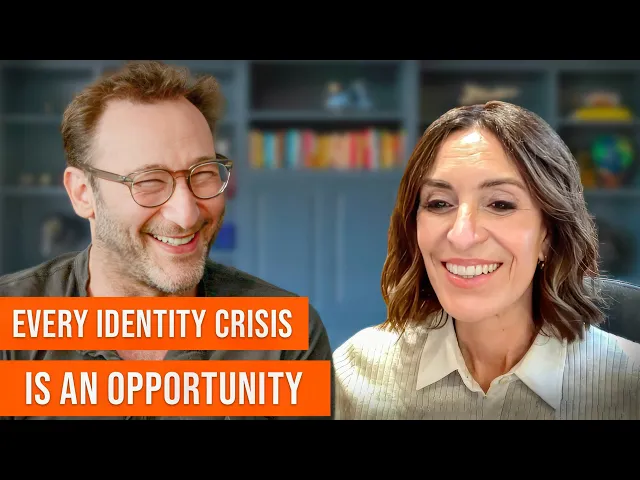
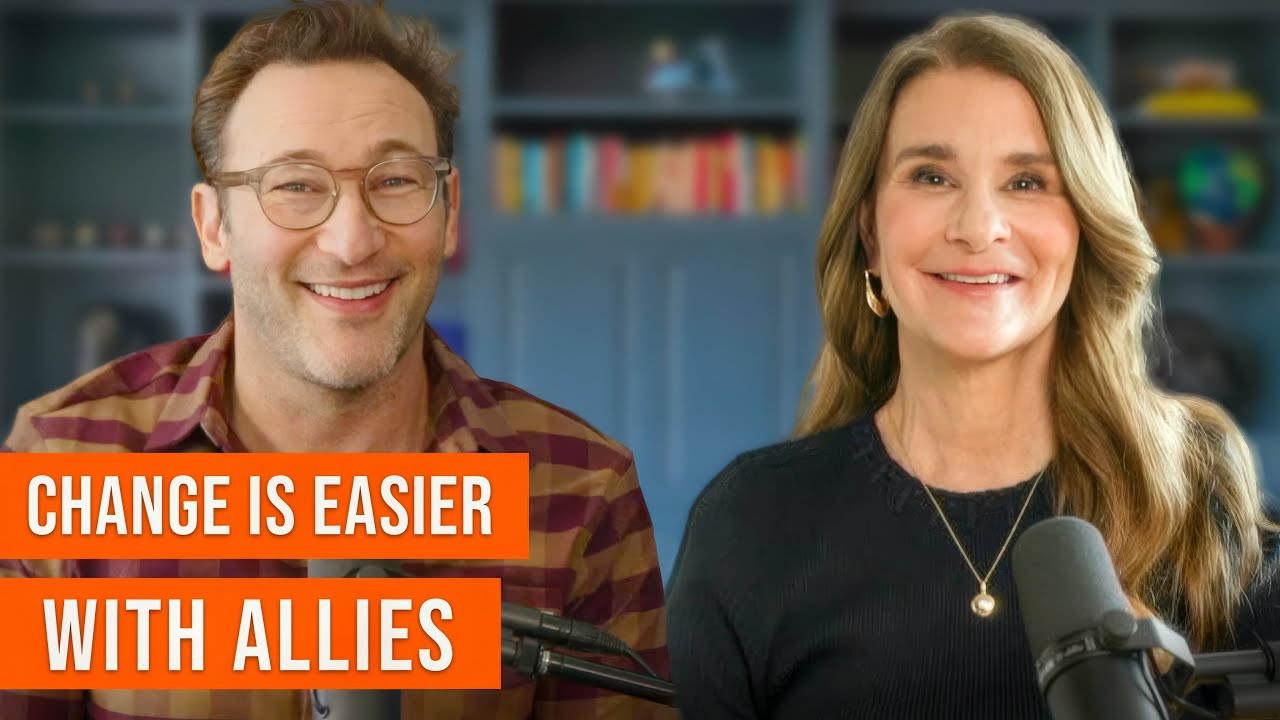
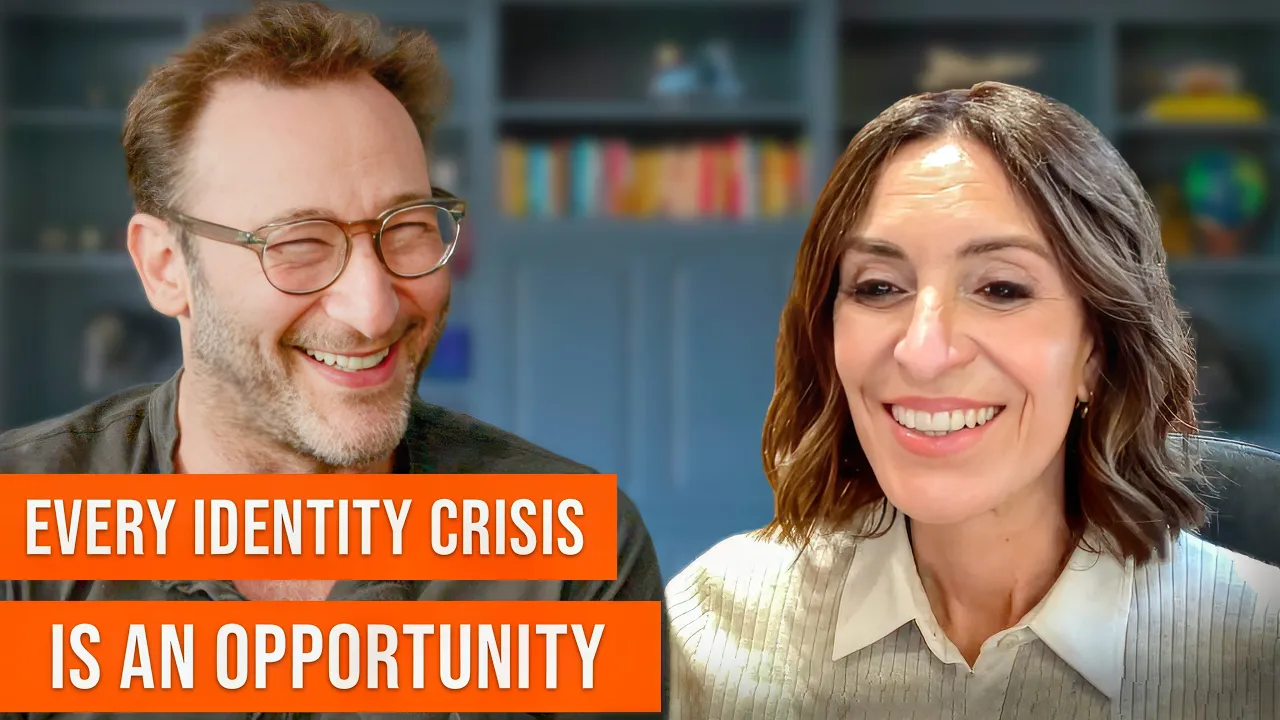
That's where Susie Welch comes in. Susie has lived many lives. Broadcast journalist, best-selling author, consultant, and now professor of the class Becoming You at NYU's Stern School of Business.
Her students learn what it means to become their most authentic selves. Becoming you is also the name of Sus's podcast and new book. I had a blast talking with Susie about what it takes to create a purpose-driven life and why sometimes it takes a midlife or even a quarterlife crisis for people to find the path they want and need to be on.
This is a bit of optimism. Susie, I I have heard so much about you. I've heard so much about you.
How long have you been teaching? Uh, four years. So what made you wake up in the morning and say you know what I think I'd like to teach.
It would have been beautiful if that's had it had gone. What had happened was I had a long and many would say successful career in broadcast journalism and then I had run a tech uh startup and then my husband got very sick and I had to pull back on my work to take care of him and then he died and I actually went to the woods of upstate New York with my children. And it was during the pandemic.
And in fact, I thought I'd never work again. And my actual thought was, I will never actually return to the world again. I was going to stay up in the woods and walk my dogs for the rest of my life.
And that felt like logic at the time. I now can look back. It was 5 years ago, and I could think, "Oh, that was grief.
" But it felt like a great deal of logic. And so, in the middle of this, I was lost. And then uh uh thanks um to the goodness of Hodoki, I had sort of an intervention where they called and asked me to come back on the Today Show.
And I went back on and I had this realization. I'm thinking, oh my god, I must return to the world. So being back at work was this incredible gift and I was like, I am I've got to be back at work.
I I actually I actually can't stay in the woods. I had this idea for this class about the class that eventually did become becoming you about how to think about your life more intentionally. And right in that moment in this act of incredible uh I I don't know what it was.
Uh you I happen to believe in God so I'm going to say it was that but I understand that others might not. But this incredible thing happened where a friend wrote me and he said, "Hey, I'm just checking in on you. By the way, I'm teaching at NYU Stern right now and blah blah blah blah blah.
" And I stared at it like I stared at that email like and my I had a physical reaction like my body was like ah that is it. That is the purpose I was waiting for. So I jotted some notes down about what this class might be.
Now I had gone to business school myself. I understood what a business school curriculum was. I understood what you learn and you don't learn.
So, I found my way into the office of the dean of NYU Stern Business School because we had mutual connections and because I've been swimming in this world for 40 years and I described the class to him and he said, "You know, we don't have that class. " I said, "I know. " I looked at the curriculum and he said, "Well, do you think you could create that class?
" And I said, "We I could try. " Yeah. And I did and we thought we'd try as an experiment.
And the next thing you know, it kind of uh was very popular and it took off and they came to me and said, "Look, we'd like you to teach this many more times this semester and um we're wondering if you'll join the faculty. " And I did and that's why I teach both management and that class. So, so what I'm so curious about is is what are the misperceptions that people have about what it means to live a life with purpose on purpose becoming their full self?
I'm just so curious what the big misperceptions are of the journey that you take them on. Two gigantic misperceptions. One is they think the journey is going to be easy.
They just need somebody to sort of tell them what to do. It's a very hard journey. The second is that it's woo woo, that it's newagy, that it's kind of soft and fuzzy and you're going to sort of float to your purpose.
Whereas in fact, this is the hardest work of our lives is painting our self-portrait. Well, guess what? uh as the great philosopher since the beginning of time is knowing yourself is the hardest thing to know.
And so I take them on this journey that's brutal. Frankly, the nickname for my class, it's not me. The nickname for my class is the class where everyone cries.
Okay. Um and you know, look, the biggest crybaby is me because they're up there telling their stories. The last capstone of the class is they get up and they tell the story of their lives, the narrative of their lives for the next 40 years.
They tell the story of what their lives will be. You know, there's not a dry eye in the house. I mean, people are sobbing and I am sobbing in the back row trying to keep it together because when people are invited to figure out what their purpose is and then they discover it, which happens in my class every semester, they're liberated.
They're free to go run in the right direction. Is there anything more emotional? Yeah.
When did you learn yours? About age 60. I've always been in the neighborhood of it.
the day I stepped into the classroom to teach Becoming You and I saw what was happening in front of my eyes and I saw um all of my values, all of my aptitudes and all of my interests in the same moment all converging in teaching students. I I could have levitated. And sometimes when I'm teaching, I think I am levitating.
I'm so happy. Yeah. I feel exquisitely alive.
And people sometimes say to me, "How will I know if I'm living my purpose? " It's like that's sort of like asking uh if you know when you're in love. You know when you're in love because your body tells you.
Practically speaking, what specific things changed in these people's lives? Yes. The decisions they made.
Very practical. Very specific. After your class.
Oh my god. Do we have 17 hours? Um so look, I do this excavation process.
It's a 13step process. They do seven exercises to uncover their values. I mean, no one knows their values.
I've conducted research. I I had long suspected that people didn't know their values. And so once I finally got on to the faculty of NYU and I had the NYU research apparatus at my hands, I conducted research.
Guess Simon, how many people actually can identify with any kind of specificity their values? I would venture a guess to say 10%. 7%.
Very good. That's the best guess I've ever gotten. Usually people are sort of all over the place.
7% and we did a large study, double blind, blah blah blah. 7% people usually people sort of name virtues um they name skills they don't even know what values are why we are never taught values we're taught the volume of a cylinder in high school but we're not taught what a value is or how important it is so I think that there's 15 human values that's part of my own research the Welsh Bristol values inventory if you'd like to read my PhD thesis I'll send it right to you but I do believe that there's 15 human values but please read it I made then you then there'd be two people who read it you and me and my thesis advisors and uh and And we have different levels of these 15 values and you can come out of this process with a list of your own ranked. I would say 50% of the students take TNT to their lives and completely changed their careers.
I had a student he was in banking. I mean I can tell you a million stories. Let's take him.
He was he was brought up to be a banker. He came from a family of bankers. He went to London.
He worked in banking for five years. He went through the process. He found out he was living his parents' values not his own.
nothing like his own. Figured out what his values were. We did a lot of testing.
He found out his aptitudes. Oops. Just as he had long suspected he was an artist in banking.
Okay. Yeah. And then he found out his interests.
Well, his interests really were beautiful women in fashion. Okay. And he was in banking.
He stood up in front of class to tell the story of his life going forward. And he said, "My purpose, my area of transcendence, as we call it, is to dress Kim Kardashian. " When he first said it, the class like burst into laughter.
They thought he was joking. And he said, "No, I'm not kidding. I'm going to make the clothing that make women impossible not to look at.
I've been living a lie. And he totally blew up everything. I was standing in the back of the class like waiting for his parents to call the dean to say, "You must fire this professor.
She just blew up my son's life. " So I said to him, "What are your parents going to say? " And he said, "They're probably going to say, "At last, because I've been miserable for 10 years.
" I had a student uh who was in consulting miserable, miserable, miserable. After she went through this entire process, she decided to go into business in Denver with her sister. Her parents had been immigrants uh from Jamaica.
They had come over. They had cleaned office buildings at night. Okay, there's a whole army of beautiful people who do this in New York City.
Her parents had been two of those people. They saw how corrupt the business was, how many layers there were, how the people who were doing the cleaning were constantly getting ripped off. And after she went through this process, she left management consulting.
And she and her sister started a company that actually right now they're trying to transform the entire office building cleaning. It's called Sisters Cleaning Service. And they're trying to reinvent this business so that more of the money falls down to the people actually cleaning the toilets.
Okay. And love her. Love her sister.
And they want to have a very small. So basically what you're doing is amplifying passion. Yes.
I think I am identifying it. Okay. Because a lot of people don't know their passion.
They don't. They're in search of it. Now, a lot of times people have passion and I don't want them to do it and they shouldn't do it because they don't have the aptitudes.
That's why I talk about purpose because I think that you your your values are part of your passion. That's what you really believe in. Your interests are sort of part are your interests are part of your passion.
Yeah. But we do this middle work which is what you could actually do. Okay.
You may want to be a singer but if you don't have Mariah Care's voice for get it. Okay. So I strongly I it wouldn't be my process.
A passion for something and a talent for something are not the same thing. No, but you got to have the overlap. Yeah.
And it's got to match your values also. Yeah. I've always believed that like the there's sort of this zero sum formula for success, which is uh talent uh plus hard work plus luck, right?
Like like winning the lottery is all luck, no hard work, no talent. And it works. You see people who they work so so hard and they're talented but they just can't get a break, you know.
Can I give you a different construct, please? I'm gonna give you another theory and see what you think about it. I've been testing it for many many years and I've tested it on every successful person I've ever talked to and I like my theory.
So here it is. I call it the pi theory of long-term success. Okay.
We're talking about sustained success because frankly luck is a wash. You'll have good luck and you'll have bad luck. Okay.
Sure. All right. So here's my theory.
Let's take luck out of it because luck cancels itself out over time. All right. The chances of your long-term sustained success are function of three things.
PieEI the quality of your relationships with people, how good you are to people, how well you listen, how trustworthy you are, how deep you are with people, how authentic. Okay, so P, the quality of your relationships with people. That's number one.
Then there's I, ideas, the quality of your ideas. how original your ideas are or how much you champion other people's ideas. I ideas.
Okay, so how smart you are or how how much you can relate to a customer that you can feel their pain and come up with an idea. And then the third is E and that's execution. And it's whether or not you get can I swear on this show?
Yeah. Whether you get done, okay? It's like whether you get stuff done.
Do you do what you say you're going to do? Do you finish what you start? It's really a matter of integrity in many ways.
Okay, that E because the world is just suffers the the with these people who say they're going to do things who don't walk the talk. Okay, so at the end of the day, your long-term success as a human being, as a leader, as a business person, as a friend, as a mother, as a lover, as everything Yeah. is a function of the quality of your relationships with people, the quality of your ideas, and the quality of your execution.
Luck has nothing to do with it because luck cancels itself out. That's my theory. I want to go back to that luck idea.
You know, luck has definitely been a part of my journey. Yeah. You know, I gave my first my TEDex talk, the one that went viral at a time when there weren't that many TEDex talks, right?
So, if I were to do it today when there's literally tens of thousands a year, you know, there's no way that that that talk would have that that that talk would have popped and went viral like it did. There's just no way. I disagree.
I disagree. It was done in a time where there was a lot less competition. I Okay, that's very humble of you.
Okay, humble. But you know what? It was a freaking great idea.
That's why it went viral. I mean, yes, it's a great idea. Thank you.
But there, given the quantity of TEDex talks that are out now, there are other great ideas that people are talking about around the world and they just don't go viral like they did when I did mine, which was just a matter of timing. Yeah, it just was. Okay.
I'm just going to push back more. Okay. Because I don't when my students come to me say it's all luck, I want to give up.
I don't I didn't say it was all luck. I didn't say it was all luck. I said luck was a component.
It was. You captured the long tale of it though. Okay.
Because then what happened was it kind of went viral and people went to go find out more about you. And when they went to go want to find out more about you, you were saying smart interesting things and they stuck around. So they went to go watch it another time and they told a friend about it.
Of course, luck plays a role. And any successful business person will say, "I got some really lucky breaks. " I get it.
But I I think that when you start believing that luck is everything, you lose how much intentionality and how much agency we actually have. So let me ask a somewhat leading question. What's the value of living a a purpose- driven life?
Like I mean taking the woo out of it, right? Like and if I'm really cynical, like who cares? That's right.
And look, I bump into nihilists all the time. You think I haven't heard that question. I've heard it a thousand times.
I had an AMA in class. Ask me anything. I, you know, sort of opened it up to the floor.
and a student raised his hand and he said, "Can I ask you a question? " "Sure. " He said, "Do you ever get tired of teaching this purpose stuff when you know in the end we're all going to die.
" And I basically said to him, "Look, I think we have a moral choice. You know, we can be nihilists or we can be optimists. And I think it's a moral choice to believe in the future and to believe in ourselves and to try to build a life where we're alive because how we act is contagious.
And I don't want to give anybody the disease that kills your soul. " And so we have an actual moral obligation to have the uh behaviors and attitude that you know that spread joy. Otherwise, I think you're actually morally wrong.
I'd go so far as that verge just to be if I put my cynical hat on like doesn't that verge on woowoo like that, you know, we have a moral obligation to spread joy. I mean, to a lot of people that that literally sounds like, you know, we should wear tie-dye and you know, I would say that actually I think when you start talking about moral imperatives, it's no longer woowoo. Okay.
It's like everything is not okay. That's woo woo. Go put on your tie-dye and, you know, do all your woo woo stuff.
Everything is beautiful. Everything's okay. That's woowoo.
I'm actually drawing a very stark line here. Like it's wrong and it's right and it's actually morally right. Okay.
To find your purpose because then you will feel the joy of having your purpose and living your purpose. When we don't live by our purpose, we don't just kill our own soul. We kill the souls of everyone around us.
You're kind of a murderer. All right. So, let me be very unwoo.
I think it's like you're like a killer. You're you're a murderer of other people when you choose nihilism. I that's how strongly I feel about it.
Well, I mean, the science backs you up, by the way. When people lead without a sense of purpose or cause, it creates stress in in the system. It creates stress in the people around them.
The feeling of stress is is cortisol. And when we have a lot of cortisol and a stress in our bodies, it actually weakens our immune systems and actually does make us more susceptible to things like cancer and and other uh illnesses. And so, yes, the science would back you up that being short-termist and selfish and lack of purpose can actually kill people around you.
Yes. True. I've heard the science argument.
It's 100% correct. You can see it with your own eyes. I want to say one other thing about it, which is further reasoning.
You can love business and you can hate business. I happen to love business and I know there's good people in business and bad people in business but I believe that business is a force and should be and can be a force for good. So if you're living your purpose and you create an organization where people are empowered to do that then business grows and it thrives and it creates more opportunity for people.
So you're actually doing something uh for the economy okay and for culture and society because growing thriving economies are good for everybody. Okay. So I also believe that there is this capitalistic argument and economic argument for it.
There's no downside to it. Of your students, you you told me the specific differences, renewed passion, new focus. You gave some specific examples about how people's lives changed after they learned their purpose.
What were their lives like before it? The first thing I want to say is that some people go through the process and all they do is tweak their lives because they've been quite close to their purpose and just one thing needs to get tweaked. So not everybody goes through the becoming you process and like blows up their life.
I don't want to misrepresent that. Okay. I had a student come in and I thought she was in utter despair because she told me she was.
She was like, "I got to change my life. I'm in agony. When I'm with my when I'm being a she was CEO of a company, when I'm being a CEO, I'm a terrible mother.
When I'm with my my ch my daughter, I'm a terrible CEO and you got to save me here. " And we went through the whole process and when she came out the end of it, she thought, "Oh, actually, I just need to tweak this one small thing involving how much time I Yeah. And she just did a tweak and it was sort of a mindset change.
Okay. It's a it was a clarityinducing experience. " Yeah.
You said you didn't find your p person until 60. So what was life like before that? It was great.
I mean in many ways, but I mean I had there were a lot of shareholders in Suzie Inc. Okay. I had four children and I had a husband who had a gigantic career.
The terms of our marriage uh which was an extremely happy marriage were just that his career came first. And so I was doing a huge amount of accommodating to my f my children which I chose to have and my husband whose career I honored. And so there were a lot of times where my career could have taken off in ways that I really wanted that I had to say no.
But I was always closely approaching. I mean, look, I worked for Oprah. I was on the Today Show.
I mean, I'm not going to say I had a crappy career. It was spectacular. Was I ever fully free?
No. Because I made some choices about putting my family ahead of my career. But look, there was a time I was very, very close to a career pinnacle.
Very, very close to it. And my husband had a health setback. He was sick for quite some time.
We came home from the doctor and he said, 'I really need you right now, Susie. I really need you, too. And I just, the uh producer of the show I was on at the time had just said to me, given me indication that something kind of amazing was about to happen for me.
And he said, "Can you take a sabbatical for six months? " And I said, "Of course I can. Of course I can.
" I wanted to. Uh I didn't want him to be sick, but um I you when you're when they put the port in, you know that the you got to be there. And um I remember he then went to go lay down and I went to the kitchen sink and I was washing dishes and I was sobbing and I was mourning the life that I wasn't going to have.
Would I do it again in a heartbeat, you know, but it was uh there were compromises. What impact did you have on Jack's life as a leader? When you came into his life, what who was he and what did he become because of you?
Well, look, he had just retired from GE when we uh met. We met the day after he retired. Jack was the greatest C in my opinion Gracio who ever lived and I think that I could never have done his job and um of his era his legendary status I think was very well earned and you know GE went south afterwards and so that was a great tragedy very sad it hadn't happened.
Um but I think that as a human being he changed. I think one of the things I taught Jack and uh I want to make it clear that Jack taught me more than I taught him. Okay?
So I I don't want to misstate this. Jack taught me an enormous amount about business and about life and taught me golf which thank goodness for that. Um but I think the one thing I taught Jack which he probably himself if he was sitting here would say is that um I taught him that life can be very hard for people.
Everything came very easily to Jack Welch, right? was incredibly talented, incredibly athletic, incredibly likable, incredibly quick, and he surrounded himself with people just like himself. And he had a bit of trouble wrapping his arms around the fact that for some people just making it through the day was brutally hard.
Like he didn't understand anxiety, for instance. He just couldn't understand how anyone could be anxious. He didn't understand depression.
He didn't understand that life was hard. And I think that very early on I said to him, you know, there are beautiful, brilliant, fantastic people who are 100% broken. Are you aware of that?
And he said, what are you talking about? And he had not been in the world of the art. So I had been managing at that point writers.
And I said, "Let me tell you about my best writers. " And I would describe like the mental state and the sort of personalities of like the best writers working for me. And he would say to me, "You're making this up.
You employ these people. They're broken. " And I said, "Yes, beautifully broken.
" And so I think that the place that Jack grew and he grew very quickly. It wasn't like it took him very long to get it. He got it instantly and he was like, "Oh my god, I I just never saw it and I had kind of a tunnel v vision about the emotional lives of people.
" Um and so I think after that he got softer. Uh he was a softer person. He was always warm but he had he had more tenderness in him.
Imagine never having really heard music and then at age he was 65 when we matched and then suddenly at age 65 somebody playing Stevie Wonder for you. He said to me, "What is this? " I said, "This my dear is Stevie Wonder.
" And he was like, "Why have people been keeping Stevie Wonder from me? " And I was like, "Well, no longer. " So, one of the things that I I have to touch on when you saw that email that said, you know, I'm teaching a class at NYU Stern, something came over you that you had to go pursue this.
Yeah. And then that when you walked into class, Yeah. you started buzzing.
Yeah. And now this was my purpose. Yeah.
And what you had discovered was service. that that your purpose comes alive when you have the opportunity to serve others. I have a theory about this uh which is that we are we are living our purpose when we are doing two things at the same time and one piece of it is service and the other piece of it is self-actualizing.
So Maslov had the hierarchy of needs and when he first created it in 1948 and he had the tippy top being self-actualization that's kind of you know that is like living your best life that that's actually living your values and your aptitudes and your interests. Okay, so that's it. Then he came back 13 years later, right before he died, and he said, "I missed something.
I've done more research. " And there's this thing on top of it called transcendence. And that's when you're self-actualizing and giving back service.
And so that's why I call purpose. That's why I use the term for purpose, area of transcendence, referring to Masov, self-actualization plus giving back. So I had done a lot of things that I was very good at, okay?
I had been on TV. I had um been writing all this other stuff. But it was when I got back in the classroom that I was able to do what I call non-civity, not for oneself, that I was able to add on top of that this layer of service.
So, I don't think service alone um necessarily equals purpose, although it's a gigantic help. I really do think it's two things at once. I mean, I really do.
I think it's self-actualizing plus this feeling of giving back. That's bam. That's it.
I think about your two examples of the the the banker. And by the way, any parents that push their kids to go into banking, I think that's a form of child abuse. But uh but uh the ones the one who went from banking to fashion and the one who who started the business with her sister, both of them changed from living a life where they were in a what about you?
What are you going to do? What are you going to advance? And then they turned into no, I'm going to do this for other people.
And the passion came from the desire to take whatever the thing they had was, desire, passion, love, purpose, whatever it is, and they did it for someone else. And then that sense of I found my thing came when it was a a giving, a pushing, not just a pulling or a taking. Now, I want to say that you can be a banker and a consultant and you can be giving back because the way you can do it is you can be a mentor to somebody else.
You can be helping the people that you work with. You can really be helping customers. I mean, I don't think that those professions necessarily don't allow service.
You can do that work and say you have say you're caring for an elderly parent, you need money and so forth and you go into banking for financial reasons. You can commit your life on the weekends to acts of service. I just don't think they're mutually exclusive.
I don't think everybody can have a job. But hold on, hold on, hold on. Let me push you a little bit here.
Please. Your whole thing is that this idea of the true you, the purpose you is is beautifully integrated into all that you do. So to bifurcate your life that I do banking during the week and I do this life of service on the weekends is inherently not a purpose-driven life.
I think I'm a realist and that is that some people simply have to work for money and they don't have, you know, they go to a factory and they put their foot down on a lever over and over again all day long because that's what they do. And it's very hard to find purpose in those jobs. But some people have to have those jobs.
That's the only skill they have. Oh. Oh, I got to take you on a tour.
Okay. I've got to take you to see Barry Waymiller, which is an an American manufacturing company. I 100% know that there are companies that can do it.
The job itself is not purpose driven. Right. As you said, putting your foot on the lever and making the machine go is not unto itself purpose driven.
But they show up to they show up to work with the desire to take person take care of the person to the left of them, to the right of them. And the job is incidental. The job is the place in which they get to show up and live a life.
In this we are in agreement in that you can create that work in a company. And you know what? It's the job of the leader to make meaning of it.
The the leader needs to say, "This is how your work contributes to the greater good. " You are not just putting your foot down on the lever over again. When you do that, you are part of this work.
But man, that takes a leader. That takes a great leader explaining the purpose of it or someone who has a terrible leader, but someone has made the choice to live a purpose- driven life and come to work every day saying, "I'm going to look after the person to the left and to the right of me despite the fact that I work in a place with a terrible leader. " I know it's hard in those environments.
I mean, the perfect time is when the work has been integrated with purpose. But I I do have to be realist. There are some jobs, you know, if you're working at uh Cumberland Farms and you're working at the cash register, that's what you can do.
You have from 9:00 to 4 every day when your children are at school and you've got that job. That's the only job because you've got to be able to walk to it. Okay, let's just be real here.
Some people do not have a lot of optionality. All right. How do you get purpose out of that job?
Well, then you think, you know what? What I'm doing, every time somebody comes into this store, I can make their day better. I can smile them.
I can ask how they're doing. And that's on them. But imagine how much better it would be if your manager of that store just said, "Look, you know, we're in the service business here and we can, you know, this is not just mercenary.
We can make lives better for our customers. " 100%. The scale and efficiency when you have a well-led organization or a well-led team.
100%. You and I are in lock step there. The only point I'm making is that to choose to live a purpose-driven life is is the choice of the individual and and though it is more efficient and though the environment will be way better if my leader Yeah.
is that way inclined also, but I don't have to be the victim of a leader who isn't. Yeah, that's true. It's hard.
It's better when leaders are doing much more difficult. Without a doubt. Without a doubt.
You know, I agree with you about the duality of the Maslov thing and I think he had it slightly wrong. uh when he articulated the first model because he said the lowest level is food and shelter and the third level up is relationships. Yeah.
And community. The mistake Maslov made is human beings we live in paradox which is every moment of every day we are both individuals and members of groups. And when you look at the hierarchy of needs, food and shelter, Maslov was only thinking about us as individuals.
As an individual, yes, food and shelter absolutely comes first. But as a member of a group, social relationships are more important. I've never heard of anybody dying by suicide because they were hungry, but I have heard of people dying by suicide because they were lonely, right?
Um, and stories of people who who want to be in community before they die. Those two models, it's what he articulated that hierarchy of needs, I would argue, is for an individual and for a member of a group. It's in a different order.
And at the top this idea of self-actualization even unto that self like I am self-actualized at the tip of a pyramid looking down upon all you unactualized people you know what about shared actualization the genius of your class is not that you're helping someone find their purpose is that they're going through it as a class that they have shared actualization and they support each other and they cry with each other and they hold each other and they celebrate each other and I would argue that success of finding your purpose isn't just going through the process but it's going through the process with others and being in service to others as they look to find their own. And you make a perfect point and I'll tell you why. I a while ago stopped taking private clients because I I intuitively knew in my bones it was something that had to happen in group.
Yeah. And there's something that happens in that room like I teach it in groups. I teach it outside of NYU as part of NYU.
It's an open enrollment course and we do 60 people at a time and they come in as strangers. Okay. We do we do the whole course in three days.
They come into strangers and they go out as incredibly close friends. They stay in touch with each other. Something happens in the discovery process together.
It forges relationships and friendships like you cannot that makes sense to go through an individual experience with a group. I mean that's that's kind of what group therapy is, right? Like if you if you go to Alcoholics Anonymous, you're going through something for yourself in community.
And it goes right back to where we started, which is the amplification, right? I as an individual will help amplify the benefit to the group and the group will help help amplify the benefit to me. I have a cowbell that rings like crazy and I had to I had to get more cowbell.
I had to get it because when I put the students into groups it was impossible to get them out of group. I'd say okay let's do this activity. You do it on your own now.
Get with a group of three people. Talk about your findings. And the group would set fire as they were doing they were going through the process in community.
And finally I would say I'd have my microphone class class and no one would stop talking with each other. So finally I had to get freaking cowbell and stand up there ringing it like a mad woman to shut them down. But that is to your point is that it is 1 plus one equals 12 because of this process of finding purpose in community and people want to find it on their own.
It's not really as rich in experience. We have to hear ourselves think and talk. We have to process other people's journeys to amplify our own journey.
And I think the magic of life is learning that my journey is our journey and our journey is my journey. And how do I support the collective and accept the support from the collective. When I do a Y discovery with someone, the thing that they're always surprised to learn is that a why fundamentally it is something uniquely yours that you give to the world.
Like my why is to inspire people to do the things that inspire them. It is who I am. It is core to my being.
It is what lights me up. is what excites me and inspires me. But fundamentally, it is something I am I wake up every day to give away.
Yeah. And that's why they call what we have gifts. Yes.
Because gifts are for giving. It's not something you received. It's something you're supposed to give away.
Your gifts are for giving away. I think our wise are similar. My I always say my purpose is to help you find your purpose.
And it's the same kind of feeling. This is why I levitate. And you know exactly what I'm talking about.
That thing you must have when somebody finds their why. It's like a drug. You got to have more of it.
You got to have more of it. It's like, oh my god. You know, it's just I gotta to see somebody have that discovery.
If everybody knew what that felt like, they'd want more. They'd want it, too. We've all had that experience, right?
For actors who stand on a stage to feel the energy of an audience. For someone to a parent to teach their kids how to ride a bicycle and the first time you let go of the seat without training wheels. Oh, yeah.
the elation you get to see someone accomplish something by themselves for themselves with your help. Like we've all had that feeling, I know it of elation and levitating when we get to be there to support and see someone else thrive. It's sustainable.
Whereas, you know, any great accomplishment, whether you made a lot of money or hit a goal or got a bonus, like those things feel amazing and the feeling dissipates in about a week. Yeah. But to live a life of service to the people closest to us, even if it's just our families, like that stuff is sustainable.
That stuff is that's called love. Yeah. Yep.
It is love. I remember one time I was u uh teaching in my management class, not in my um becoming you class. And I had a longtime manager who was uh my guest that day and we were talking and doing a Q&A with the students.
And at one point we I turned to her and I said, "Well, you know, um ultimately management, you know, being a manager is an act of love. " And she said, "Yes, it's totally an act of love. " Blah, blah, blah.
We were talking about how management, managing people well, was an act of love. And then we both turned to the class at the same time and they were sitting there with their mouths hanging open. I said, "What is the problem?
" And like every hand went up. Every hand in the room went up and they were like, "What about boundaries? " And you can't have your work family be your home family and this is very dated.
Maybe it was when you were young, but the management is not love and you can't get in people's lives. And I was like, "You don't know what you're missing. " Yeah.
If you think you're going to go out and do work without love, if you think you're going to go to work and not love the people, but also being in love with your friends and being in love with your family and being in love with your your your employees are not the same love, but it is still a love. I mean, like, you're right. It's a love to conflate to conflate the love you have for a sibling with an employee is ridiculous.
Not the same word. We're don't we're sophisticated adults. We can understand the difference between these different clubs.
But like if I go into work and I'm managing my people and there's not some element of generosity in my heart about it, it's just technical. Susie, such a pleasure to meet you. Truly a joy.
Thank you so much for being so open and so lovely and I I I'd love to come and visit your class sometime. Oh, don't ask twice. I will come and get you.
I would love to. It would be a joy for me. Okay.
Well, it's happening. If you enjoyed this podcast and would like to hear more, please subscribe wherever you like to listen to podcasts. And if you'd like even more optimism, check out my website, simonscynic.
com, for classes, videos, and more. Until then, take care of yourself, take care of each other. A bit of optimism is a production of the Optimism Company.
It's produced and edited by Lindseay Garbinius, David Jaw, and Devon Johnson. Our executive producers are Henrietta Conrad and Greg Rutershan.