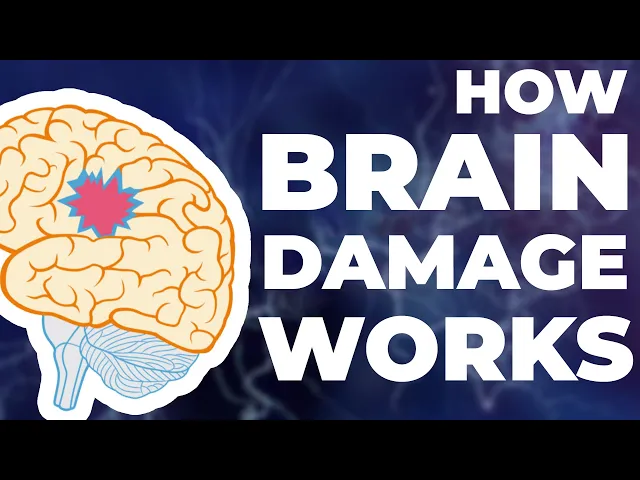
every year 2.6 million Americans received some type of brain injury and as a result 52,000 died and over 1 million have some type of cognitive impairment I think it's safe to say most people don't know too much about the intricacies of brain damage and probably don't think much of it unless it happens to them or someone they know what you should know though is there's a lot more to brain trauma than meets the eye let's look at a scenario that happens nearly every day you're about to drive through a green light when suddenly a car
runs through there red light causing you to t-bone them upon impact the car stops but the inertia carries you forward your seatbelt stops your body but your head has no restraint and his first thrown forward and then backward the rapid acceleration causes the brain to strike the front and back of your interior skull in what's called a coup contrecoup injury the accident may be over but the worst is yet to happen in traumatic brain injuries there's two stages of injury the primary injury which is the physical impact of the brain and the secondary injury which
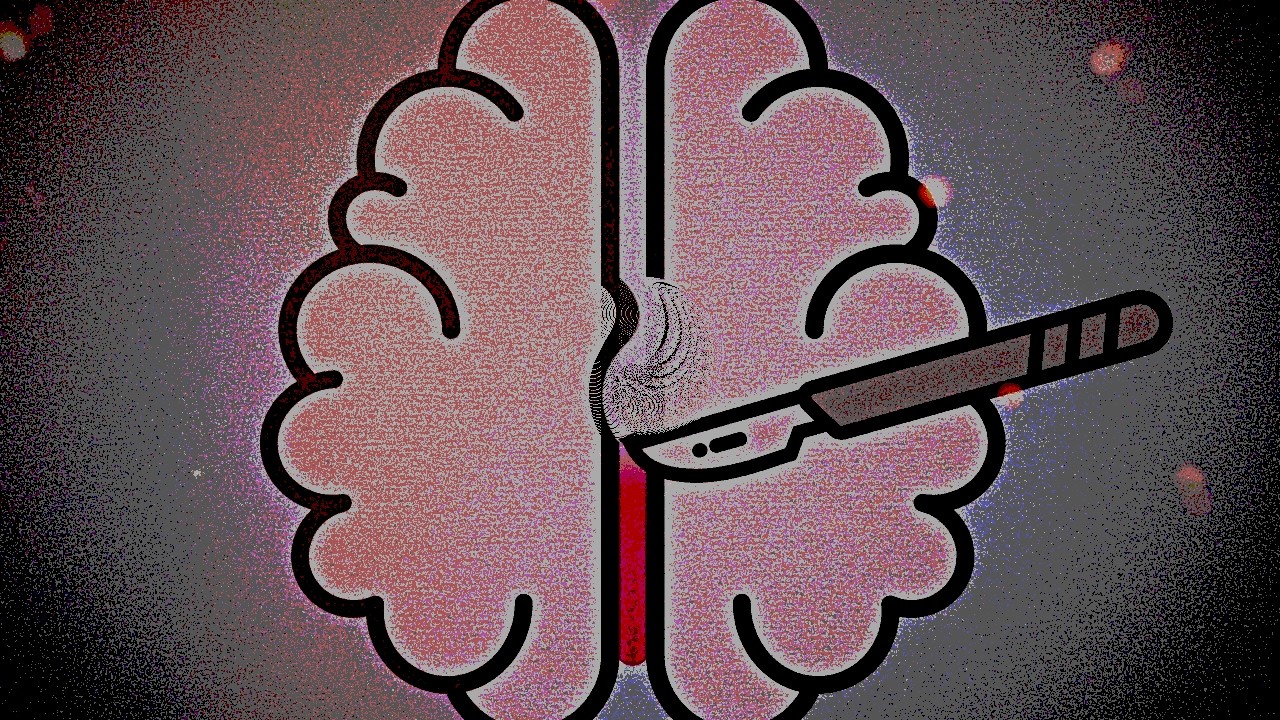
are delayed injuries that happen from the biochemical effects caused by the trauma secondary injuries take place minutes to hours or sometimes even days after the accident and are much worse than the physical impact first let's look at the primary injury more closely the rapid acceleration of the brain causes diffuse axonal shearing which severs nerve fibers and mechanically tears the axonal membrane of neuronal cells this halts nerve signaling at broken junctions and causes calcium to flow into neuronal cells minutes two hours later the secondary injuries begin the calcium entering the cell activates an enzyme called Kalpana
Kalpana starts to breakdown the cytoskeleton of the neurons from within causing cell death to make matters worse the torn axons begin to leak neurotransmitters one neurotransmitter in particular glutamate is especially deadly when released in large quantities normally neurons in the brain fire at a rate of about 1.1 Hertz which is a safe consistent rate for signaling when glutamate is leaked into the cell space it excites these neurons to fire at a much higher rate because there's so much glutamate present the neuron is unable to stop the excessive signaling luckily the over stimulated neuron has a
failsafe to stop this unfortunately that failsafe is cell suicide normally this wouldn't be so bad as it would have a small number of neurons but depending on the distribution of the glutamate neurotransmitter in the brain this over stimulation of neurons can affect a localized area or a large region killing more and more neurons to make matters worse cells at the front and back of the brain began to die from necrosis from the trauma one important thing about necrosis is it affects surrounding cells by releasing harmful enzymes that break down the membrane of neighboring cells causing
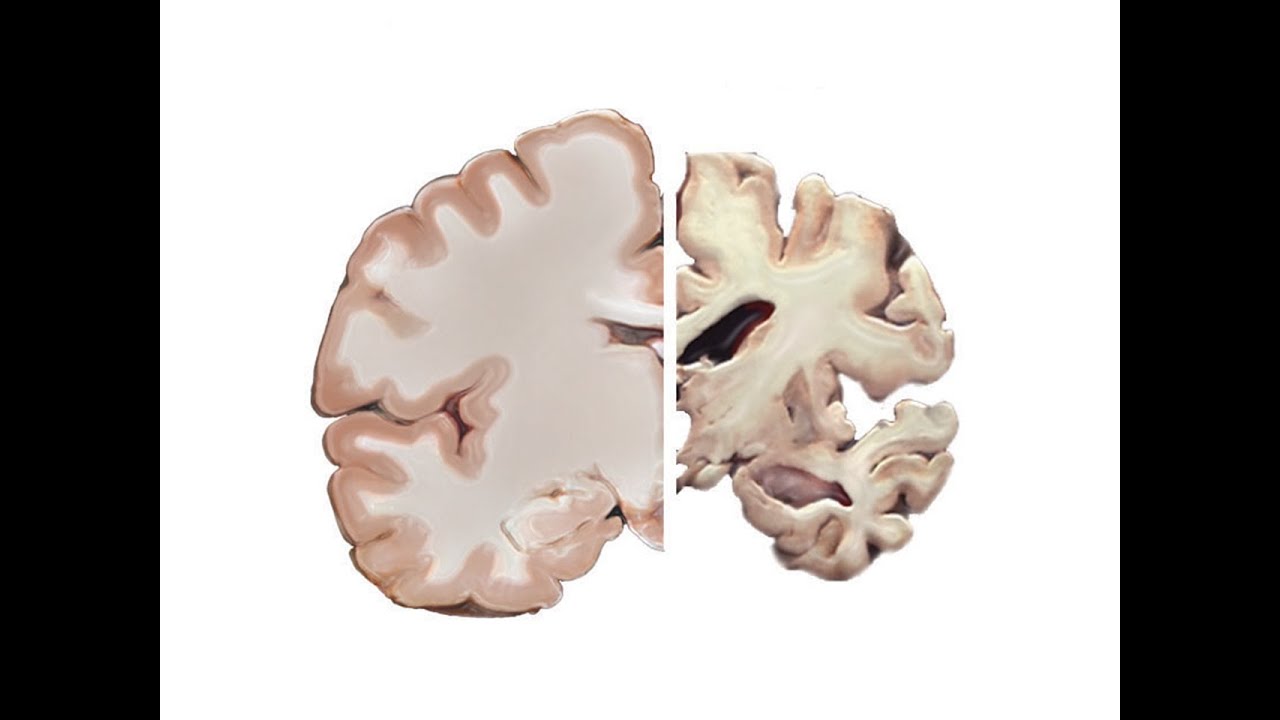
a cascade of cell death other delayed injuries include brain hemorrhage reduced blood flow cerebral edema and increased intracranial pressure from brain swelling intracranial pressure is especially deadly because if it gets too high parts of the brain can be squeezed past structures in the skull causing severe damage keep in mind these effects don't happen until much later hospitals have documented patients with severe head injury initially being checked in as being fairly lucid and communicative it's not until several hours or even days later that brain damage sets in as neuronal connections decrease in brain cells die this
becomes apparent as patients have delayed reactions reduced motor skills and cognitive impairments ninety percent of people who die from brain trauma have documented secondary injury as the cause and about forty percent of people with traumatic brain injuries end up with some degree of cognitive decline luckily modern medicine can prevent a lot of the damage from these injuries for example intracranial pressure from brain swelling can be avoided by performing a craniectomy this is where either a piece of the skull or the entire skull cap is removed to allow the brain to expand without being under pressure
inside the skull oh and one interesting thing about this procedure is the patient's abdomen is cut open and the skull piece is placed inside this is because the conditions of the abdomen especially the blood supply and body temperature help preserve the skull piece once swelling decreases the skull is reattached patients are also sedated and placed in hypothermic conditions to slow the harmful biochemical Cascades now don't go around being paranoid thinking that bumping your head is going to cause massive brain damage it doesn't work like that there is a spectrum of head injuries that do and
do not cause severe trauma firstly let's look at the probability if you're a male between the ages of 15 and 24 or an elderly person over the age of 75 congratulations you're in the pool the highest risk for brain trauma because males between these ages are more likely to play dangerous sports take higher risks and be in more severe car accidents as for old people while falling is really bad when you're over 75 so don't do it annually about 52 percent of brain injuries were from falling mm-hmm 20 percent from car accidents and the remaining
were from stroke infection and general head injuries so basically don't climb trees wear a seat belt wear a helmet and if you're over 75 don't fall and you'll be okay [Music]