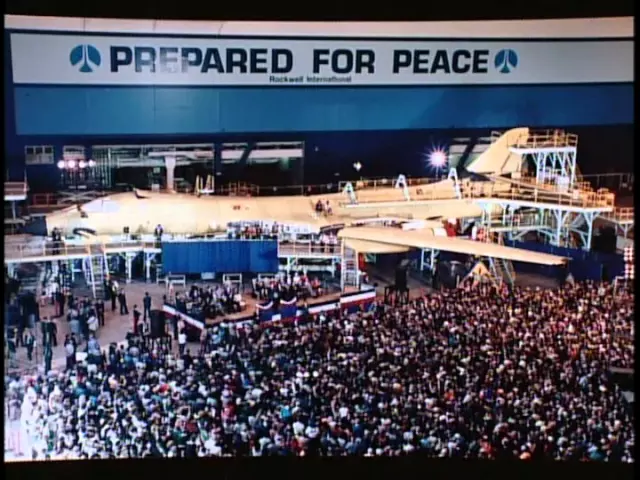
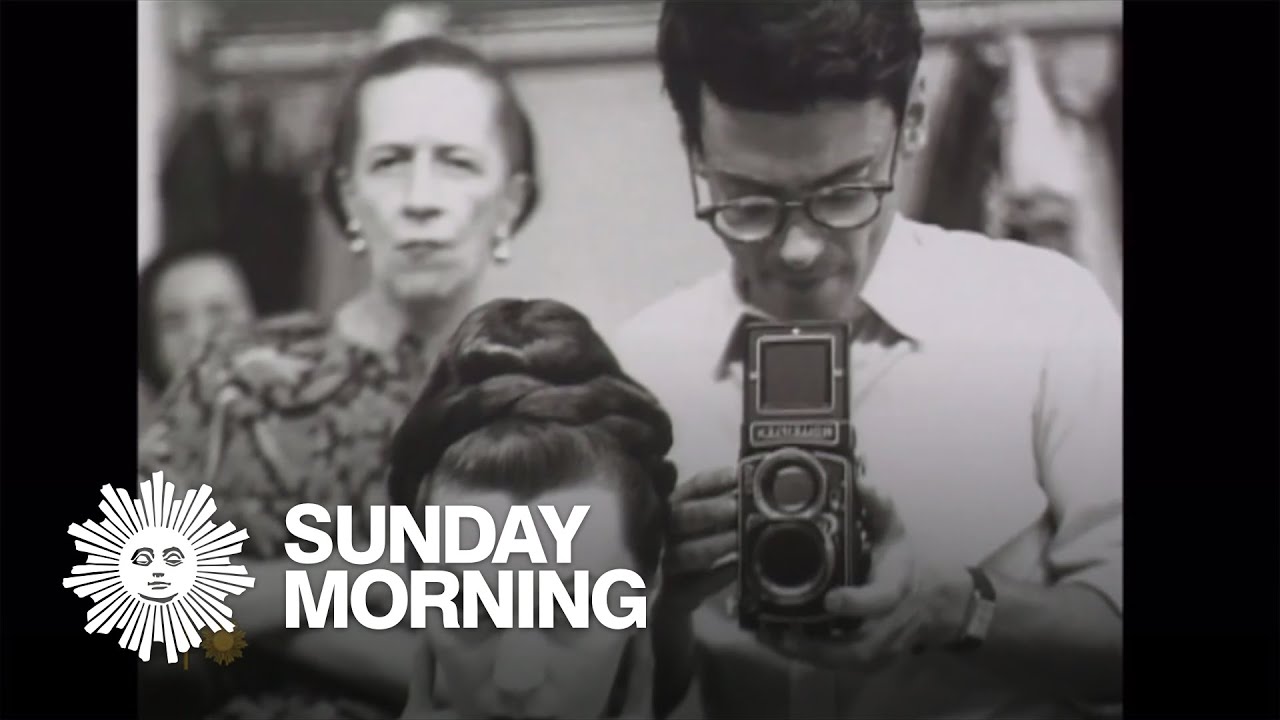
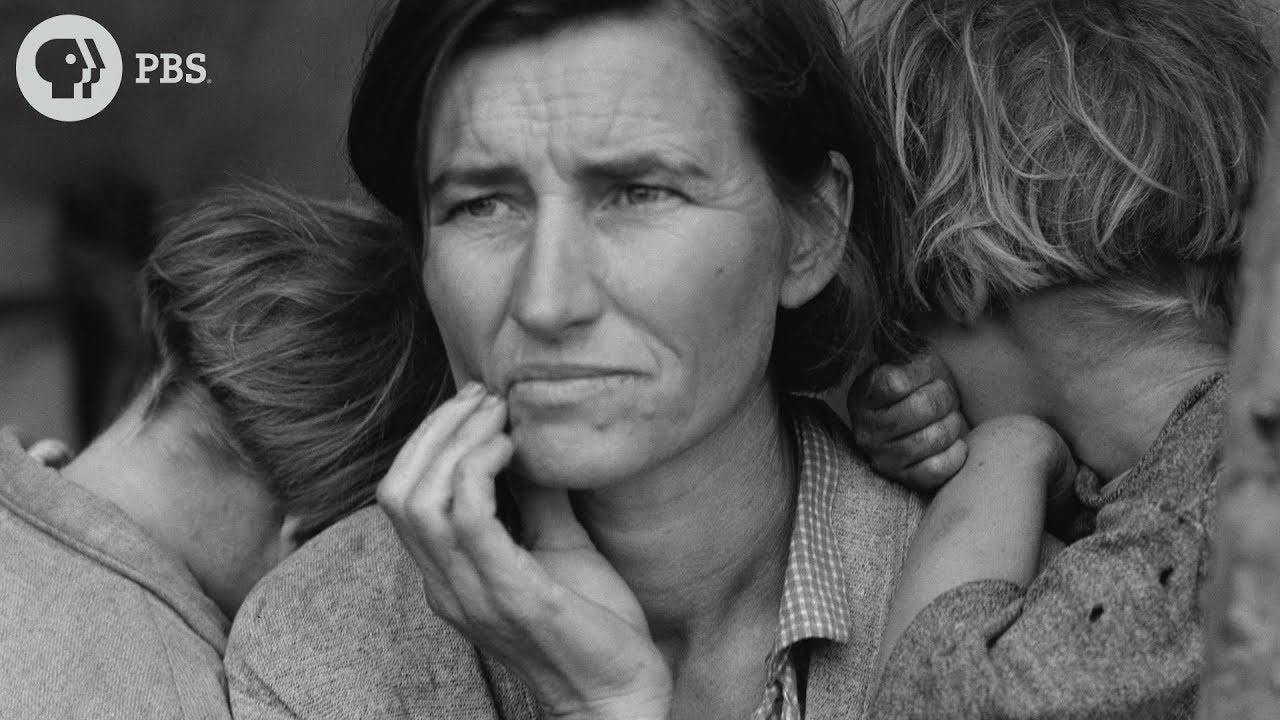
the thing which is always fascinating to me has been the enduring power of the still image because we're all very movie conscious today we watch television we're used to Swift cut jump cuts and absolutely brilliant work being done and yet and yet the still image has this a fantastic power of surviving and making an impact you know if I mention World War II to you right away you think of either kappa's picture on the beach at D-Day area think of Joe rosenthal's picture everybody's mind thinks that way so the still image is still the way we catalog life's history in our minds I think the frozenness of the image representing exactly what it was that was going on is more powerful than seeing a movie of it when you capture a tremendously brilliant image you have Frozen the very essence of what it was that was going on and it only gives you this much of a slice of what was going on but it was the right slice you see the still picture it's there and you look at it and you study it and then you see it again some other place you see it in the newspaper you see it in a magazine so you not only have the first impact but then there's the second impact and the third impact and pretty soon that picture is just embedded in your mind as as fully and as completely as it can be foreign all across the South The South was on fire you know it was really the peak of the civil rights movement and some people have said that I photographed the Golden Age of the Civil Rights Movement I wanted to make photographs and I wanted to make photographs of that because it was such a compelling subject and I went to Albany Georgia I soon found a movement headquarters and ran into James foreman and he said you got a camera he said go into the courthouse they got a big water cooler for white people and a little little one from a little bowl for black people he says go take a picture of that things like that existed all over the South there must have been thousands thousands you know all these segregation signs and so few people took these pictures you know the initials SNCC stood for the student non-violent Coordinating Committee it was formed by a group of students from across the South who had come together to integrate public facilities lunch counters buses many of them went on the freedom rides into Mississippi and they were arrested and sent to parchment State Penitentiary so when they got out of prison some of them stayed on in Mississippi to organize for voter registration it was very very difficult to continue because the local police in all the towns by 1964 had almost crushed us they were closing in like they murdered people they beat people arrest was about the least harmful thing that could occur foreign there were terrible beatings brutalities we flew to a black hospital I said I didn't know they were black hospitals I mean there were wounded people on the floor people with broken noses lacerated breasts real harassing you know it was one of the most brutal police attacks in in the Civil Rights Movement it wasn't covered by anyone the Civil Rights Movement had been raging and I'm talking raging for years before that occurred other way there's otherwise there is no way that that a white boy from Queens 20 years old could have gone down to these places and been the only photographer there we had no friends in the local media they weren't covering us the Civil Rights Movement didn't become a big media subject until Birmingham we've heard about various uh things that were going on down there and suddenly we see police turning police dogs loose on a crowd in Birmingham and the stories take on a new extra dimension of reality that they did not have without the visual documentation the use of dogs in that situation just turn public opinion dramatically against the authorities in the south if you had not seen those water hoses being put on the people you would have no idea children you would have no idea as to what happened and seeing the water hoses knocking people down I mean can you imagine how the world felt when you saw this those photographs circulated internationally at a time when the United States was really trying to make a pitch for um the emerging nations of of Asia and Africa to a lie with the United States that a big problem with the wide reprinting of these photographs of police dogs in Birmingham or Freedom Riders being attacked that was the moment when the growing civil rights struggle and the tensions around it began to have implications for American foreign policy implications that were worldwide and I don't think that came from television I don't think that came from the movies that came from still photographic pictures Horrors perpetrated before World War II were far worse I mean lynchings were if not an everyday occurrence and every month occurrence around America but those photographs weren't whisked around the world by UPI and AP and Reuters uh pre-war and they were not part of a panoply of protest against the moral underpinnings of segregation and so when they were linked to a movement and propelled around the world and around the country so that people of Goodwill could have to move out of denial it wasn't just foreigners it was Americans and white Americans in the South like the people of the Atlanta Constitution said we don't want to be associated with this we don't think we can engage in intellectual and other kinds of Commerce around the world when we're painted with this and it forced some change for a certain subjects still photography is the most powerful medium and I think war is one of those subjects you know it's a common wisdom to believe that television had a great impact on the American psyche during the Vietnam war the visuals of television I disagree with that I think that pictures still pictures had a much greater impact on American readers than television did no war will ever be covered the way the Vietnam War was covered there was no censorship in Vietnam of any kind photographers had greater access to that war than they did either Korea or World War II and it was that intimacy with the war that came through that has not come through in any other War photography before or since thank you I think it was the night of June 10th 1963 I had a call from Tick Tock nap saying MrBrown come out to such and such a pagoda tomorrow at six in the morning something really important will happen and I could tell instantly that something very unusual was afoot because of the huge crowd of Buddhists to monks and nuns who had gathered in this Pagoda many of them weeping two young monks brought out a plastic Jerry can of gasoline and poured it over the old monk stepped back then lighted a match that he had in his lap and set fire to himself with a vivid imagination one can one can think of what it would look like to see a monk burning to death but the actual image there sort of In the Flesh has a different impact I was stunned a a cold sweat had broken out on my head and I could you know it was only with the greatest difficulty that I kept my attention focused on the exposures and focusing and the mechanics of picture taking because it was was horrifying I had never seen anything anything to approach it the New York Times wouldn't print it because it was since they regarded as such an offensive photograph that it was not suitable for breakfast breakfast newspaper for families but most other newspapers did print and President Kennedy saw it the following morning and Ambassador Lodge was about to go out to Saigon told me later that Kennedy had pointed to this picture of mine and said this just won't do it's time to get rid of this yam regime when Eddie Adams picture of General Lawan executing a suspect on the street of Saigon appeared first on television and the next morning in the front pages of the paper people were stunned because they had never before seen this moment of death we'd had this accumulation of demonstrations and deaths and burning hooches and television footage and suddenly it all came down to a photograph of a policeman executing a suspect at that very moment the bullet was entering this man's brain he was dying in front of our eyes and it struck home in some terrible Fierce way and became symbolic of everything that had happened in that long War the famous photograph of a young Vietnamese girl running down this road having been napalmed by the American Army now you can say in words a young girl was badly burned yesterday and and actually suffered severe wounds so and so on and it's still kind of shocked by that say she was screaming she was anguished you can get some idea but what you can't get is the emotional force and actually the the reinforcing and corroborative element also in the photograph of that girl coming towards you because she was photographed head-on and so you were seeing her you were there you were on that road thank you a perfect example of a photograph that changes the way you feel about a certain situation was the John Philo photograph of the murdered student at Kent State happened May 4th 1970. the students at Kent State were doing what they thought they had the American right to do which was to protest governmental action and they were slaughtered for it by the National Guard four of them died this Photograph shows a girl kneeling over the prostate body of one of the slain students with her arms out questioning what the hell just happened here Neil Young saw the image had his guitar walked off into the woods and came back an hour later with a song called Ohio written from absolute anger that we would do this to our students so that was a great image that reached deeply into your emotional soul and showed you what had happened during the Vietnam war we wanted to you know we we covered the war endlessly week after week after week and we decided you know what we should do why don't we run just the faces of a week's dead just the faces thank you the entire nation I think mourned those soldiers you know you could hear it on the news you could be inundated with it but until you saw those faces that's what brought it home to everyone and I think that's what changed everyone's mind oh this is a 60 story or then idea of the photograph of their holders come from January 1966 I took some LSD and sat around on the roof of my apartment in San Francisco and watched downtown San Francisco oh it was you know what you did with acid those days you just took some and then watched see what happened and what I saw was that the buildings of San Francisco tall and apparently parallel were actually diverging slightly like a wide angle lens I realized oh I'm looking at the curve of the Earth from an altitude of three stories just started thinking well you know if we had the photograph of Earth from space people would change their mind about the infiniteness of of the earth and realize it's very finite and I started selling the button and saying why haven't we seen a photograph of the horror Theater which is kind of a paranoid question we had been in space and the Russians had been in space for 10 years at that point and there were still no photographs of the Earth as a whole from space that we could have done it in the first year scientists had no use for images from space either before they actually had them they thought it was too far to see anything important some of these buttons sifted into NASA some I sent there on purpose into Congress people here and actually in Russia as well a few years later we got the photographs on Christmas Eve 1968 astronaut William Anders was circling the Moon along with his fellow astronauts in Apollo 8. he became one of the few human beings ever to see the moon's dark side but as the Space Capsule rounded The Horizon Anders saw and photographed an even more astounding sight the half-lit planet Earth rising over the Bleak landscape of the Moon it was the first real occasion where people saw Earth not as you see it on the globe you buy in the map store with with with political boundaries color-coded all it was was oceans and continents and clouds and it was at that moment that people started calling our planet spaceship earth because we're all in together moving through space the planet seeing itself from outside was a major self-realization of its existence as a planet as a beautiful thing as a kind of fragile appearing thing uh is clearly alive I think the photographs with the moon in the foreground are what emotionally dramatized the difference between a dead planet and a living planet it's not hard to imagine well uh you know a living planet can become a dead planet and less steps are taken you get this Photograph this is spring 1969 a year later spring 1970 you have the first Earth Day and the real taking off the ecology movement which did not exist as a movement before that time thank you one of my photographs in my family album and my father actually photographed my sister and I uh Seated on a sofa I'm smiling my sister's smiling I have a black dial my sister has a white doll but I was really interested in that photograph because I began to think about it as a way of as a starting point to identify my own interests in African-American culture you know in terms of memory and photographs I think that that's where we all as families and as individuals begin to find out where we are contemporary photographers today are actually reflecting on and looking at the history of of images of black subjects redefining from the caricatures and the stereotypical images that were made earlier about African Americans in photography they were always kind of humorous images eating watermelon or seen as alligator bait during the 20s and 30s there were always kind of the images that were projected of black children who were more tattered clothes or unhappy or homeless kind of images it really kind of told a story that was not necessarily true of black families but they were the images that were pervasive the Contemporary photographers today they're really interested in telling another story we can actually turn the image around there's not one image of of black Americans but there are a range of images that we can all reflect upon you can't take a picture of something that is not in front of the camera you can slant the angle wrong you can light it wrong you can you can lie in what you set before the camera but the camera itself does not lie you can fiddle with the picture afterwards you can develop it but we implicitly know that there had to be something in front of that camera and so we tend to believe it since we tend to believe our eyes position of the body and all other physical details of the crime are photographed by the police for further study and later use in court the photograph began to be used very early in crime detection and the solving of crimes we think there were mug shots within a year or two of the invention of Photography but photography photographs have continued to be evidence and they were presented in court often to show what had happened and for very good reason there are certain things you can't find out any other way foreign I think that the prosecutor's greatest tool in photographs uh in in a criminal case has to be uh crime scene photographs and autopsy photographs and for very good reason although prosecutors like to say they are engaged in a search for the truth the reality is is that they are engaged in a quest to win and one of the ways that prosecutors win cases is that they also affect the sympathy the hearts as well as the minds of the jurors and the photograph is is such a critical element of that most skillful prosecutors will make sure that they try to get in at least a photograph of the victim at the scene and hopefully some snapshot showing the person in good health so they have a contrast between this living being that was and this person who no longer is that makes it real in a way that has no logical evidentiary importance but which in an emotional way draws the jury closer to the person who's deceased the trial that took place of Joel Steinberg who had been a lawyer in New York City he and a woman he lived with named hedanesbaum were accused of the horrendous death of a child that lived with them the photographs told us so much about what had happened to this child but I think the pictures I've had a Nussbaum told me more about the case even than the pictures of the child what you see of hedanus bomb is a woman who had suffered massive massive physical abuse at the hands of Joel Steinberg and it made you understand she had really been as much his victim as the child was both their victims so if you can show a jury a photograph which does represent a truth but it also gets the feeling of the jury of anger and outrage and perhaps even Vengeance that's worth a great deal we forget over time the graphic description of what happened at the crime scene we can't forget if it stares us right in the face in Trials photographs are used to convict individual criminals but until recently mass murder perpetrated by entire governments had gone unpunished there were horrible photographs that came out of the concentration camps of the Nazis that were used at Nuremberg you must plead guilty or not guilty all right and then there were other photographs that came out of Cambodia in the late 70s The Killing Fields that show human skulls piled up in evidence of obvious atrocities in the 90s atrocities again in the Balkans and in Rwanda in the Great Lakes region of Africa the collective experience of humankind especially in the west where those photographs have been so widely published led to a political momentum that forced the UN to set up two tribunals one in Rwanda and one for Yugoslavia which wouldn't have happened had you left it to the interests of the great powers to do but it was the impetus of people throughout the world saying look we want countenance this kind of wholesale Slaughter and the visual reality that these were not just Tales of Slaughter but photographs if I had to point to one source of the power that drove Humanity to try to set up courts to deal with these issues I would point to the photographs as the primary source because it carries that human misery across the seas and it makes it real to people an innocent snapshot photograph of a potential presidential candidate Gary Hart stopped his campaign dead Donna Rice sitting on Gary Hart's lap on the boat Monkey Business wearing the t-shirt that said Monkey Business destroyed potential candidate the picture or the action what actually did it um probably it was the picture I never let a cameraman get on his knees in front of Ronald Reagan because all you'd see is this you kick him if he gets down on his knees and it doesn't take too many of those before they understand that Diva isn't going to allow somebody to get down on their knees before they take a picture I didn't have to kick people very often American presidents of any real intelligence have always known the power of the photograph there's a wonderful photograph of the 332 pound President Taft playing golf and Teddy Roosevelt wrote to him and said you're an absolute idiot for allowing yourself to be photographed in that posture the word photo op comes into these conversations but all presidents had an element of control it's the question was how they used it here we have a portrait of Franklin Roosevelt what did Roosevelt do to America in 1932 it reinvigorated the country with confidence you have nothing to fear but fear itself and the ebullience the gaiety if one could use that word of Roosevelt is captured in this photograph which is the epitome of resilience of optimism of enthusiasm of cheerfulness in the face of adversity in that quality of contrast with the passivity endurance of Hoover which also caught in photographs and reinforced people's feelings that they were an impossible situation because look the president United States Herbert Hoover looks absolutely miserable Kennedy had the love affair with the camera and Nixon had the hate of pharaoh with the camera and if you could put those two side by side they make a marvelous study in photography Kennedy was the first modern master of the photo op photographers used to call Kennedy Jack the back and they reasoned like they called him that is because Kennedy had this habit of turning his back to the photographers the minute they came in and not turning around until he was totally composed and ready to do the picture and he knew exactly what Persona he wanted to project Nixon was just the antithesis of that he didn't photograph well he had a bad beard and he looked out from under his eyes and he it he just didn't register photographically speaking that face was constantly in Rebellion against itself I mean the eyes would say one thing the mouth would say something else the moisture and it didn't matter what the line was that the White House was trying to spin everybody could see looking at this guy's face that this is a deeply Disturbed person Johnson believed that the candor and photographs that conveyed this wonderful sense of Candor would speak volumes he was Shameless driving through Texas out in the desert and he'd jump out of the car with photographers around and urinate I'm sure there are pictures all over America of Lyndon Johnson peeing uh that are up on people's walls but they clearly never got run into magazines I've never seen anybody in that job who's more comfortable who was more comfortable in his own skin than Ronald Reagan was because over a period of being an actor he had built up the stagecraft it was so seamless the stuff that he would do the East Wing was the trailer uh and so you know he'd get up in the morning he'd put on his costume and he'd come out of the trailer and he would go to the set and he would do his lines hit his marks but every day it was like being on this movie set and the set was being directed by Mike Dever there are photographs obviously millions of them that just happen that are very dramatic that there is no uh pre-thought to the photograph it's instant and it happens it's an action that is the last thing I ever wanted to happen when I was in the white house I didn't want any kind of a surprise so everything I did was pre-planned premeditated the lighting was all set the background was a perfect the camera angle was selected I'll give you an example there was this feeling that Reagan might be more likely to get us into a war that he was hawkish I was forever arguing with the Pentagon people about getting him to Christen a new sub or go on to an aircraft carrier or all of these military symbols and in 1984 when he was running for reelection they convinced me that there were forty thousand jobs in California that were dependent on the B-1 bomber and we had to go out and do something about that and so the night before he appeared we draped the bomber with a sign that said prepared for peace so the photo of the president the next day was making a speech with a sign behind him and the words p-e-a-c-e were really all he saw if that you were as a television camera and they got a wide angle you saw prepared for p-e-a-c-e and I really do believe that people absorb Impressions rather than substance particularly in this day and age the shelter in Amaria was hit early morning after a night-long farming campaign against Baghdad well the Gulf War was really by far the most sophisticated marketing scheme I'd ever run against in terms of government censorship of images and it was first exercised in Grenada and then in Panama and by the time they got to the Gulf War they were really good at it the government policy toward the press or media in the Gulf War was appalling the whole sense that America is getting the straight story The Sacrifice the Bloodshed the heroism that was just a sham in the in the Gulf War we got what the government wanted us to get it had learned from the Vietnam War how powerful photographs of War can be and it didn't want to risk that sort of diversion let's call it or complication of its Mission at that point when I arrived in the Gulf the Press Corps was presented with really sort of the following option if you want to work in the theater of war you have to join a press pool and the rules of the press pool are the following that you will be attached to a public affairs officer and as photographers it was essentially very clearly delineated that we could not photograph Calgary's of war and this was a frightening Dynamic I could see pretty clearly I wasn't going to be able to do my work and I and I essentially went AWOL at that point I I left this unit because it made no sense to me to work under those conditions well while I had been on the border I discovered an elite mass unit which is what put me in a position to then be on a Blackhawk helicopter on the last day of the war in which I made a photograph that became very memorable the photograph is a moment depicting the Medics just having placed this body bag in the helicopter and the soldier on the left of the frame understanding for the first time that this was his best friend who'd been killed it was a remarkable picture internally founded on the desk of the sensor and it would never have been sent out it would never even been taken if except for the fact that David managed to evade the the minder who was given him and my worst fear was realized when I got back to the rear two days after the war was over to find out that the picture editors had never received my film so I went to the public affairs people and said let's be straight with each other you're denying these young guys their do right to be heroes they did risk their lives and his photographs didn't show that and if people are going to extend their brothers and their sons and their children and their relatives to war they should at least know what the reality of war is I don't know I think it's very dangerous for a free Society to have all the information distilled and packaged by our government and given to us do we know to this day who we killed in Iraq I don't think so if bringing War into the living room means that that we as a people will say we don't want to do it that way anymore we want to figure out other ways to solve these conflicts then I would say photography and television has done us a great service when photography was invented it was thought to be an equivalent to truth it was truth with a capital T while photographs could always be altered until recently it was a matter of cutting and pasting the results were sometimes crude and the deception was easy to detect the computer changed all that through the magic of digital technology the U.
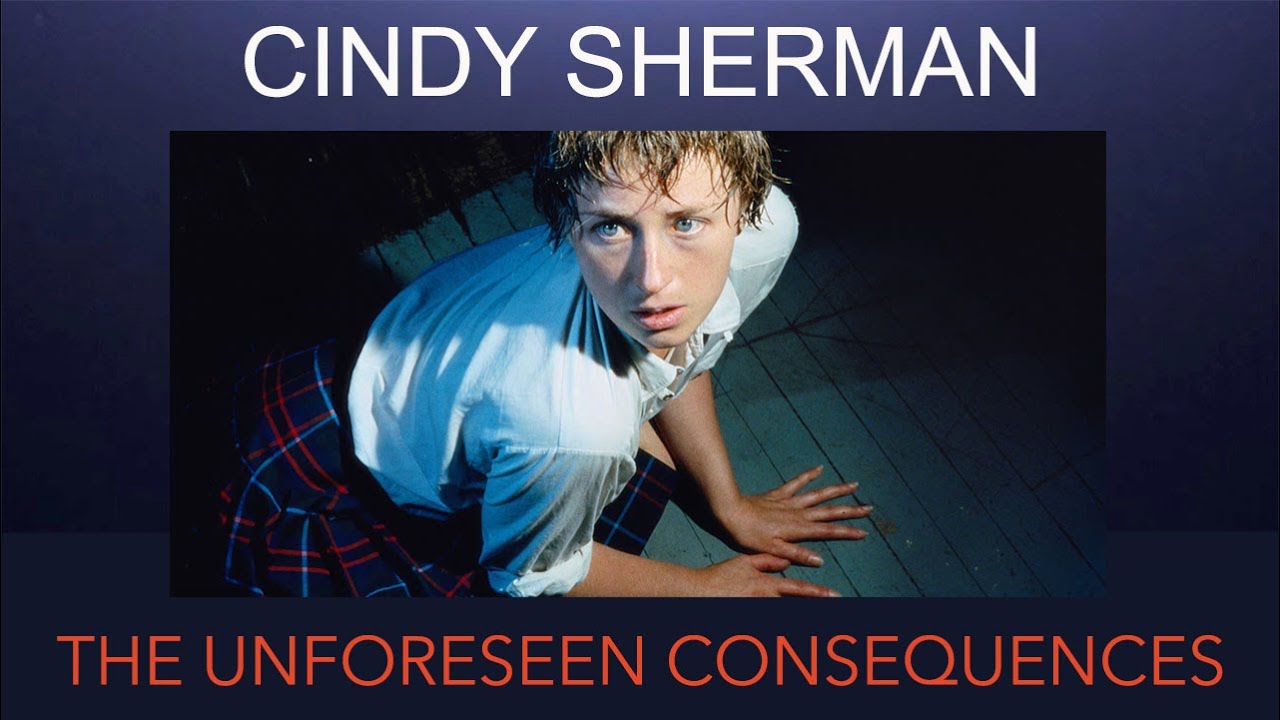
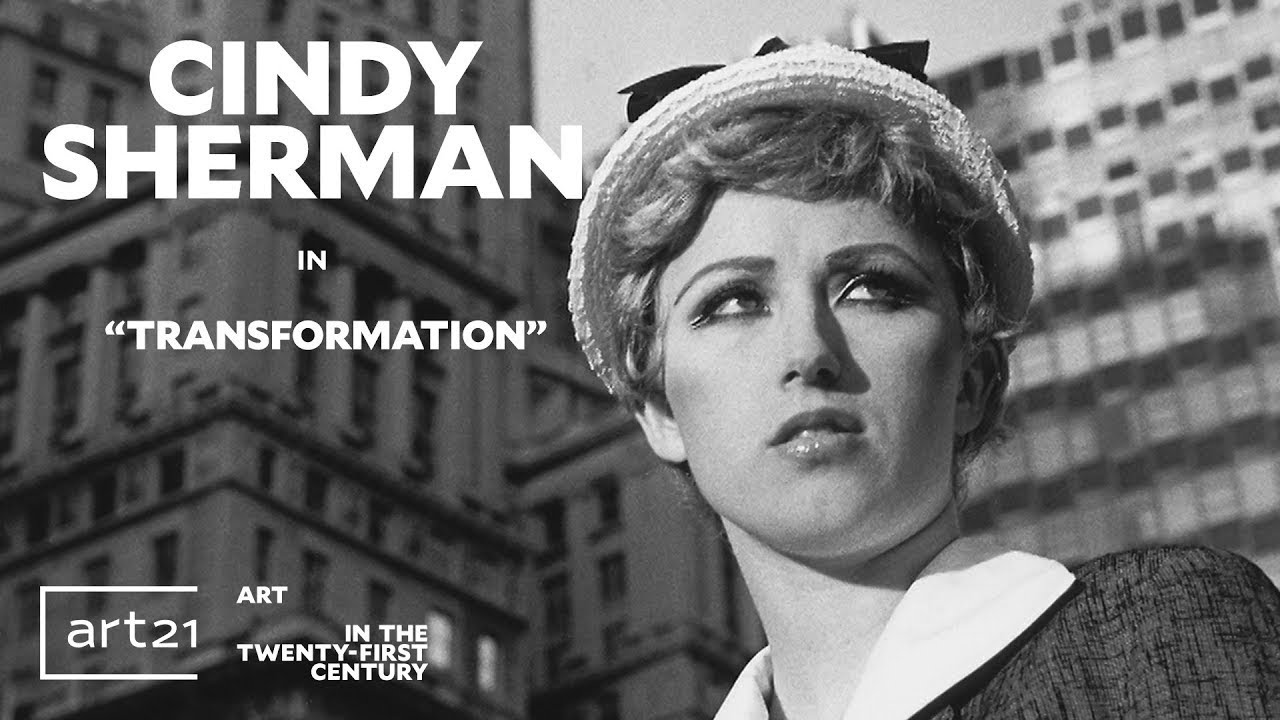
S Postal Service seamlessly transformed the painter Jackson Pollock into a non-smoker the hailing of pictures digitally as brought with it a great benefit and are also some problems the problems are that pictures can now be manipulated a great deal you can actually put people in pictures that weren't in there you can take people people out of pictures that are in there you can change color you can change composition on June 27 1994 two magazines appeared on the newsstands with exactly the same photograph on their covers a mug shot of O. J Simpson taken by the Los Angeles Police Department Newsweek printed the photograph exactly as they received it Time Magazine changed it digitally giving him an unshaven look and making his skin tones darker the alteration caused enormous controversy one paper suggested the Time Magazine was deliberately changing Simpson's appearance to make him look more Sinister magazines for their covers digitally manipulate the skin color of some of the subjects or digitally manipulate the teeth of some of their subjects what you'd think would be a subject that only editors would care about but in fact cab drivers are talking about it and spin meisters on television and when some of these changes have been made on covers of magazines you you betcha this culture is talking about it there are strict policy regulations that AP photographers and AP photo people will not alter photographs the reason that that's the case and that's true also among most papers the reason that that's the case is because if you begin altering the photograph and this newspaper or magazine Alters it this way and this newspaper and magazine offers it this way you have the same picture appearing in different ways and different Publications the readers look at that and they say who can who someone's lying in that equation and the papers the Publications will lose credibility and the whole role of of good journalism is lost if there's no credibility have enough trouble maintaining credibility without having pictures that look like this side by side the digital manipulation of photographs has an important new application finding missing children Cheryl morien was seven years old when she was kidnapped by a stranger her family hasn't seen her for 10 years today she would be 17. Steve Lofton is a forensic artist with an unusual skill he can alter a photograph to produce an image of how Cheryl's face might have aged he uses a picture of her sister as a guide her sister is 19 in this photograph and the computer stretches the face I'll go back now and merge Cheryl's sister's face here I'll line those two images up using the eyes as a plane of reference simply because the orbits will not change position and I'm going to borrow those mature features from her sister what you see is two images but I've obtained the maturity here in the cheeks and the mandible area and have applied that to Cheryl's face we're going to go ahead and assume that if she were still out there and alive and walking around she'd have a nice set of teeth I'm borrowing those teeth I'm placing them in Cheryl's mouth here I'm also going to borrow the neck and dress and as you can see the skin tones aren't the same I'll come back with the airbrush and match up the skin tones I will consider giving her a more mature hairstyle more in keeping with a 17 year old tragically Cheryl morion is still missing but the center has had its successes and it is because of the distribution of millions of pictures like these computer created photographs of The Adolescents these children might have become foreign here at the White House I find it harder and harder to borrow a roll of film from somebody because all the photographers are now shooting digital I have the opinion that a little piece of photographic lint stays in the mind of a photographer when I I first saw the video of Monica and the president on the lawn of the White House I said to myself I've seen that face I don't know where but I I've seen that face I've photographed that face somewhere I hired a researcher Andrea Fisher she went through over 5 000 transparencies and after three days came across this one picture it was taken just before the election in 1996 at a fundraiser and I was just shooting what was going on the crowd and there was this person who embraced the president and I took but I didn't think anything of it at all but the truly interesting thing about that on that stage with me that night was photographer from Reuters a photographer from AFP photographer from AP I have a hunch that almost all of them shot that same picture in fact I sort of remember flashes going when I think back on it so the question is where is the AP picture of the AFP picture in the Reuters picture my guess is three photographers deleted that Monica picture that night because they want to save space on their hard disk and so what they do they delete everything that doesn't seem to be worthwhile today we're in the time of the digital camera see photographers who work covering the White House covering major news events things that are history throwing two-thirds to three quarters of their pictures away from their desktop just to clear the space with no sense well maybe tomorrow maybe one of these people will turn out to be really important and you don't know it today the still image still the most powerful tool that we have insofar as how we remember things we're in the memory business we're losing our photographic heritage and the question is how can you enable people to collect those memories that's the question still images do stay with us and particularly if we have a long time to look at them and if they get repeated that kind of reinforcement really Burns something into the mind and that's what happens with photographs because they are infinitely reproducible they are infinitely reproduced there's some statistic that the average urbanite sees something like 11 000 images a day that they're 46 million pictures taken by Americans every year you would think that this dilutes the power of the individual picture that somehow the power of pictures is dissipated I disagree I think that we're more the the society is visually astute that this proliferation of pictures has made us more comfortable looking at pictures there are certain cultures that look at calligraphy and they look at they understand the nuance we understand the Nuance of pictures we understand when a picture is telling the truth in the 60s at the very beginning of the 60s there were a few prescient souls and of course many of them were artists who were perceiving that photography had so completely infiltrated our perceptions that there was no way to create a great work of art without a photographic aspect people like Robert rauschenberg and Andy Warhol reached out to the camera they took images from the newspapers and applied them or Incorporated them within their canvases someone like rationberg rips out a picture from a magazine right and douses it with a lighter fluid and slaps it down on a piece of paper and the ink from that photographic image as it's reproduced in the magazine transfers to the paper okay and takes it away and he looks at it and he said I made a drawing that's a huge step they were trying to sort of get direct overlays of the photographic interpretation of the world which is how we see the world now into the very substance of their art Andy Warhol gets completely completely fascinated with photographic images and how they work what do movie stars mean what do fashion pictures mean what's glamor about what makes something so ethereal so wonderful and so weird that you can't stop looking at it and he takes those pictures and he drops out the detailing and makes them abstract and kind of Spacey looking and makes silk screens and doesn't make a single painting but makes 10 paintings 20 paintings 30 paintings all based on the same image City Paint sun and one's a little bit different than the other but basically he also is looking at the photographic images in the world as many people after him did and realized there's plenty of pictures in this world I don't need to make more pictures let's think about what photographs mean and that changes art and in the 70s the residue from the tradition of painting that is paint and the sort of gesture of the hand dropped away almost all together one of the things that happens throughout this century is that information is increasingly coded into photographs artists began to think that if life came at us exclusively in photographic images on the media then they would both use those images in their art and comment on the media in so doing Cindy Sherman began making photographs of herself ourselves really the photographs looked like the Stills that the studios released for B movies and the roles were the standard ones hath's wife sex pot little girl lost [ __ ] Larry Simmons who had grown up on television was trying to say that our image of life was what we saw on television and magazines what have you and she looked at it through plastic figures playing house she took photographs of this as if to say that the life was so second hand that even plastic figurines could represent it Richard Prince investigated the role of masculinity in American Life he re-photographed the Marlboro ads and then he removed the text so you had this beautiful image of the West which had once been an advertisement and now had been turned into a work of art and in today's world in the end of the 20th century artists are clearly aware of Photography as as always manipulated no matter what what it is if it's a perfectly straight photograph it's it is a version and it of of a truth you know it is not the truth people don't people think of it as a as a window on the world it is and it isn't it it is real it's but it's a new reality did graveyards there which is something that tourists do and although you have no connection to the people and many times in many countries the custom is to leave a photo on the gravestone and the photos usually surrounded by flowers and they're a little you know things underneath that belong to the person so that that was really uh something that I thought was a wonderful thing to do because when I looked at those photos I became intensely interested in those people and I thought about them a lot and I wondered who they were and I made up little stories in my head about who they were and and the wall the Vietnam Wall is is very powerful and wonderful in its own way but in a sense they're unknown soldiers they're Anonymous we don't we don't know anything more about them than their names so it's like a sea of unknown soldiers and I wanted Leo not to be unknown and so I brought this photo to the wall I mean if you look at this photo you can see that he that he was a baby he was just a kid and you can see a kind of kid like almost bewildered expression on his face and and that's what the wall doesn't tell you the wall doesn't tell you that they were all kids you know when you look at the wall you think of them as men behind those those names but they weren't they were just they were just babies like Leo and um he was very handsome and very smart and I think the photo gives you a photo captures someone's spirit and it conveys that Spirit to other people and so that's why I wanted to to put his photo on the wall and I think that that the main feeling about putting the photo on the wall is that when people look at this photo and they see him I think I want them to love him because I loved him and and I think when you can look at when you look at a photo you can have those feelings and that's why I wanted to leave it I think it's it's really it's the history it's what we were and what we are and what we're going to be I mean I think that photography uh imagine the world without it imagine that that wasn't photography where would we be how would I know how would I remember what I look like as a kid what would what would I think about what how did my mother look when she graduated from from Junior High School on Mott Street it really is it links us all it keeps us all together it's what the history is it's really what our history is it's in photographs and and you know and when we close our eyes what do we see we see photographs we see pictures foreign thank you foreign foreign photography continues on the web experience a virtual photo shoot with Dorothea Lang experiment with digital manipulation and learn how to use this program and website in your classroom set your browser to PBS.